
Hear from Our Customers

You’re spending most of your time indoors. Your kids are breathing that air. Your elderly parents visit on weekends. And if something’s off – if someone’s coughing more, if allergies are worse, if there’s a musty smell you can’t place – you need to know what’s actually happening.
A home air quality test gives you that answer. Not a guess. Not a maybe. Real data about mold spores, allergens, and airborne contaminants that could be circulating through your HVAC system right now.
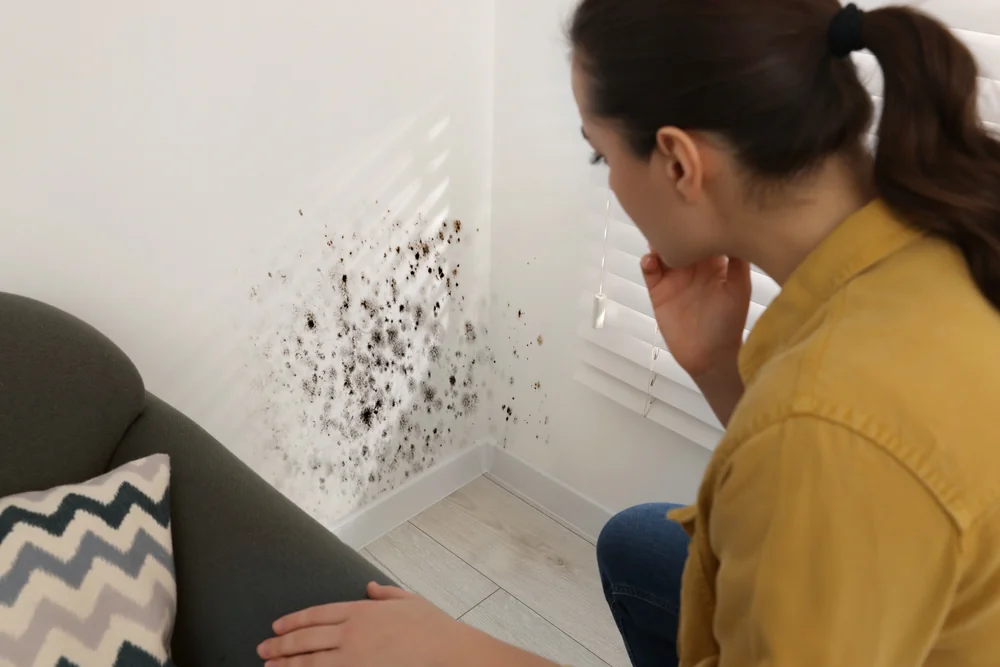
Bucks County’s humid summers create the perfect environment for mold growth. Basements stay damp. Crawl spaces trap moisture. And mold doesn’t always show up where you can see it. It hides behind walls, under flooring, in ductwork. By the time you spot visible growth, spore counts are often already elevated throughout the house.
Testing catches problems early. Before remediation costs climb. Before health symptoms get worse. Before a buyer’s inspection flags an issue that tanks your sale. It’s the difference between a small fix and a major headache.
We’ve been handling residential air quality testing across Bucks County for years. We’re not a national franchise reading from a script. We know this area – the older homes with basement moisture issues, the newer construction with poor ventilation, the seasonal humidity that makes mold a recurring problem.
Our inspectors are certified. Our lab analysis is thorough. And we’re not trying to upsell you on services you don’t need. If your air quality is fine, we’ll tell you. If there’s a problem, we’ll show you exactly what it is and what it’ll take to fix it.
Woodhill homeowners call us because we show up, test accurately, and explain results in plain language. No jargon. No scare tactics. Just clear information so you can make the right decision for your home.

First, we schedule a time that works for you. When we arrive, we walk through your home and identify areas of concern – anywhere moisture collects, anywhere ventilation is poor, anywhere you’ve noticed symptoms or odors.
Then we set up air sampling equipment. We collect samples from multiple locations throughout your house, including areas where you’ve had concerns and baseline samples from spaces that seem fine. This gives us a complete picture of what’s circulating through your home.
The samples go to a certified lab for analysis. They’re tested for mold spores, allergens, and other airborne contaminants. Within a few days, we get detailed results showing exactly what’s in your air and at what concentration levels.
We review those results with you in detail. If mold spores are elevated, we identify the likely source. If allergen levels are high, we explain why and what’s causing it. If your air quality is good, you’ll have documentation proving it.
You’ll get a full written report. If remediation is needed, we’ll outline the scope and cost. If it’s a ventilation issue or a minor fix, we’ll tell you that too. The goal is giving you accurate information so you know exactly what you’re dealing with.
Ready to get started?
Your air quality assessment starts with a free initial inspection. We come to your home, evaluate your specific situation, and determine what type of testing makes sense. Not every home needs the same level of testing, and we’re not going to recommend services that don’t apply to your situation.
The actual mold air test involves collecting samples from multiple rooms. We test the air in areas where you’ve noticed problems – basements, bathrooms, bedrooms where someone’s having respiratory issues. We also collect outdoor air samples as a control, because some level of mold spores exists everywhere. What matters is whether your indoor levels are significantly elevated compared to outside.
Lab analysis identifies the specific types of mold present and measures spore concentration. Some molds are more problematic than others. Some indicate active water damage. Some suggest poor ventilation. The lab report breaks down exactly what’s growing and at what levels.
Here in Woodhill and throughout Bucks County, we’re dealing with regional air quality challenges. The county received failing grades for ozone pollution in 2024, ranking second-worst in Pennsylvania. That outdoor pollution gets pulled into your home through windows, doors, and HVAC systems. Combined with indoor sources like mold, pet dander, and VOCs from building materials, your indoor air can end up significantly more contaminated than outside air.
Professional air quality testing gives you the full picture. Not just mold, but the complete profile of what you’re breathing. And if problems exist, you’ll have documentation for insurance claims, real estate transactions, or simply peace of mind that you’re addressing the issue correctly.
You need testing if anyone in your home is experiencing unexplained respiratory symptoms – coughing, wheezing, congestion that won’t go away, or allergies that seem worse indoors than outside. Kids and elderly family members are especially sensitive to poor air quality, and their symptoms often show up first.
You also need testing if you’ve had water damage, even if it was cleaned up. Mold can start growing within 24-48 hours of water exposure, and it often develops in hidden areas behind walls or under flooring. A musty odor is another red flag – that smell is literally mold spores releasing into your air.
If you’re buying or selling a home in Woodhill, air quality testing protects your investment. Buyers are increasingly requesting mold inspections, and if you’re selling, getting ahead of potential issues prevents deals from falling apart during the inspection period. If you’re buying, testing before closing gives you leverage to negotiate repairs or price adjustments if problems exist.
A mold inspection is visual – we’re looking for visible mold growth, water stains, moisture problems, and conditions that promote mold. We check basements, crawl spaces, attics, bathrooms, anywhere water or humidity tends to accumulate. It’s thorough, but it only catches what we can see.
Air quality testing goes deeper. We’re collecting air samples and sending them to a lab to measure mold spore counts and identify specific mold types. This catches hidden mold that’s releasing spores into your air even though you can’t see the growth source. It’s especially important in homes where people are having symptoms but there’s no visible mold.
Most comprehensive assessments include both. The visual inspection identifies obvious problems and likely sources. The air testing confirms whether spore levels are elevated and tells us exactly what types of mold are present. Together, they give you complete information about your home’s air quality and any mold issues that need addressing.
The actual testing appointment usually takes 1-2 hours depending on your home’s size and how many areas we’re sampling. We’re setting up equipment, collecting air samples from multiple locations, doing a thorough visual inspection, and documenting everything. We’re not rushing through it – accuracy matters more than speed.
Lab analysis typically takes 3-5 business days. The samples go to a certified laboratory where they’re cultured and analyzed to identify mold types and measure spore concentrations. Some labs offer rush processing for an additional fee if you’re dealing with a time-sensitive situation like a real estate closing.
Once results come back, we schedule a time to review them with you in detail. We’ll explain what the numbers mean, whether your levels are elevated compared to outdoor baseline samples, and what specific types of mold were detected. If remediation is needed, we’ll outline the scope and provide a clear estimate. If your air quality is good, you’ll have documentation proving it.
Testing costs vary based on your home’s size and how many samples we’re collecting. A basic residential air quality test with 2-3 air samples typically runs a few hundred dollars. Larger homes or more comprehensive testing with additional sample locations costs more, but we’ll give you an exact price upfront based on your specific situation.
We offer free initial inspections, so you’re not paying anything just to have us come out and assess whether testing makes sense for your home. During that inspection, we’ll recommend the appropriate level of testing and provide clear pricing before any work begins.
Keep in mind that testing is an investment that can save you significantly more down the road. Catching mold early – before it spreads throughout your HVAC system or behind multiple walls – means smaller remediation costs. And if you’re buying a home, spending a few hundred on testing before closing could save you tens of thousands if major mold issues exist that weren’t disclosed.
DIY test kits are available, but they have serious limitations. Most settle plate tests just collect whatever lands on the plate, which doesn’t give you an accurate picture of what’s actually circulating in your breathing air. The lab analysis that comes with consumer kits is often basic – it might tell you mold is present, but not what types or at what concentration levels.
Professional air quality testing uses calibrated equipment that pulls a measured volume of air through collection media. This gives us precise spore counts per cubic meter of air, which is what actually matters for health risk assessment. We’re also collecting samples from strategic locations and comparing indoor levels to outdoor baseline samples, which DIY kits don’t do.
The bigger issue is interpretation. Even if a DIY kit gives you some data, do you know what the numbers mean? What spore count is normal versus elevated? Which mold types indicate active water damage versus normal environmental presence? Professional testing includes expert analysis and clear recommendations, not just raw data that leaves you guessing what to do next.
First, don’t panic. Elevated mold spore counts are fixable, and catching them through testing means you’re addressing the problem before it gets worse. We’ll review the lab results with you and identify the most likely source based on the types of mold detected and where symptoms or moisture issues exist in your home.
Next, we’ll outline what remediation involves. Sometimes it’s straightforward – fixing a leak, improving ventilation, removing contaminated materials from a small area. Other times it requires more extensive work if mold has spread through HVAC systems or behind walls. Either way, you’ll get a clear scope of work and cost estimate before anything begins.
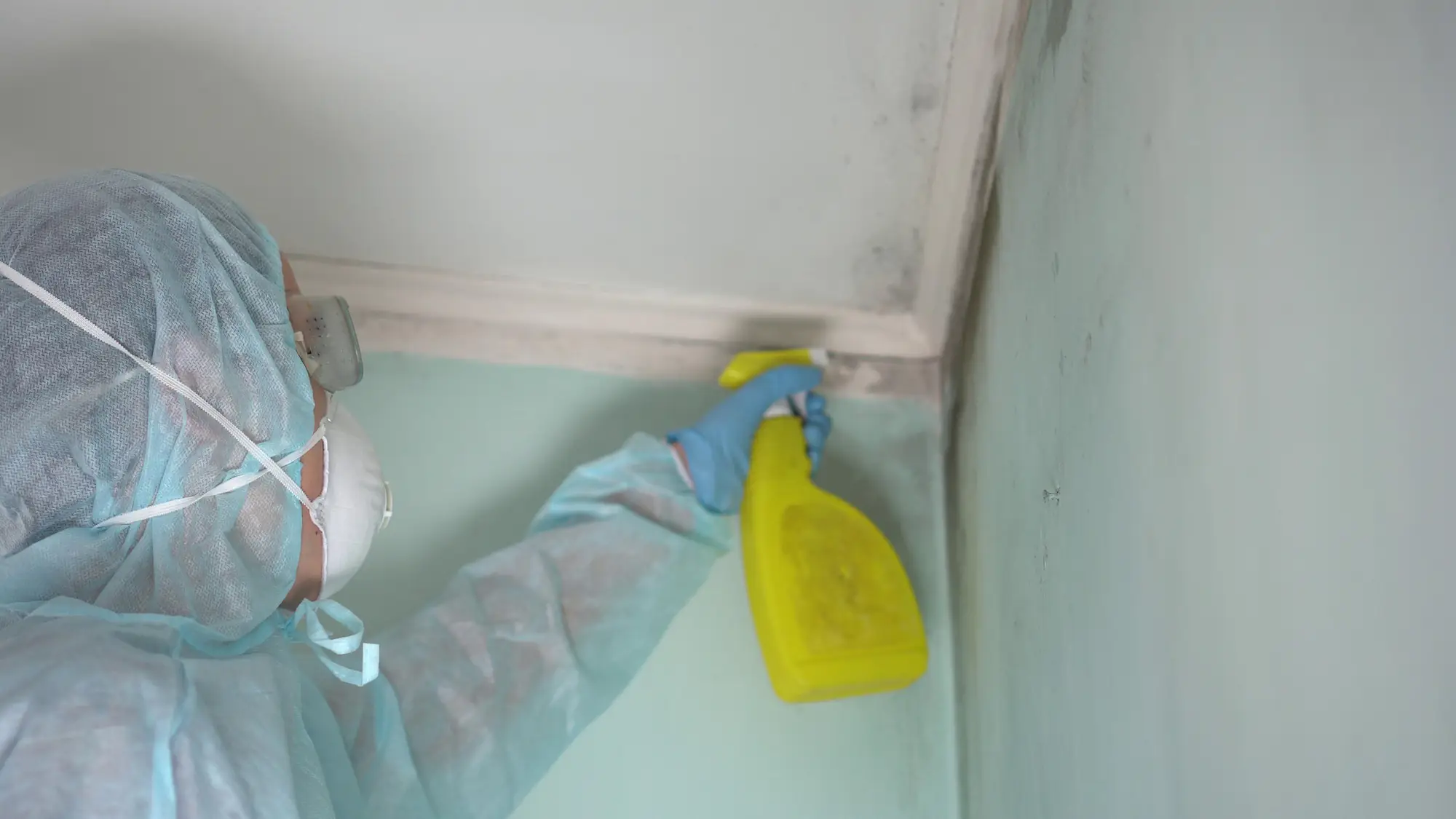
We handle the remediation process from start to finish. We contain the affected areas to prevent spores from spreading during cleanup. We remove contaminated materials properly. We treat surfaces with antimicrobial solutions. And we address the underlying moisture problem so mold doesn’t come back. After remediation is complete, we can do post-remediation testing to confirm spore levels are back to normal and the problem is fully resolved.
Other Services we provide in Woodhill