
Hear from Our Customers
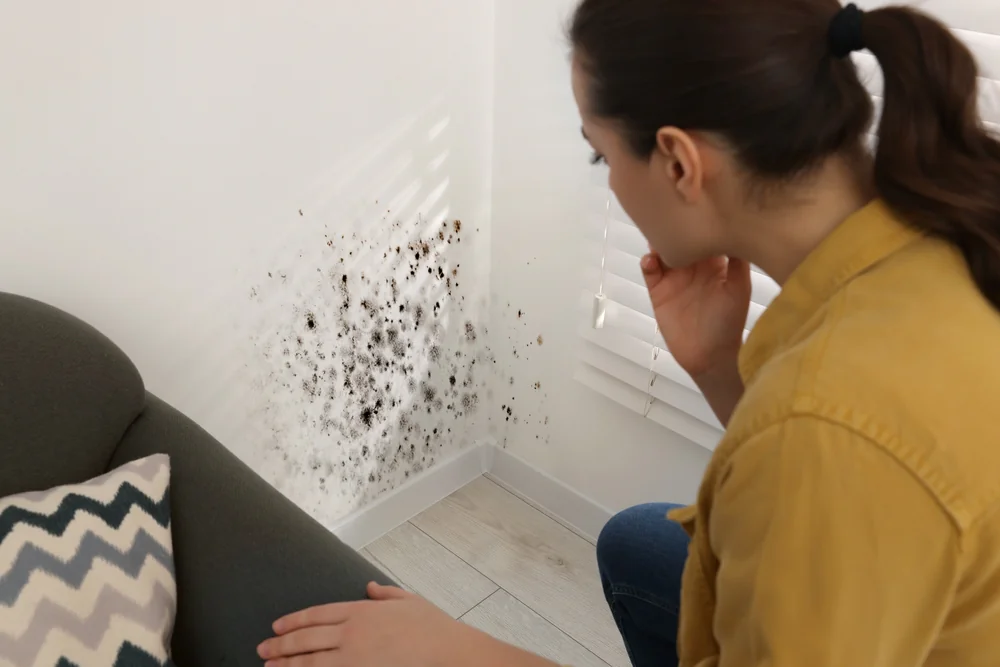
You can’t see mold spores. You can’t smell radon. And you probably don’t know what VOCs are or where they’re coming from. But if someone in your house has unexplained headaches, respiratory issues, or allergy symptoms that won’t quit, your air might be the problem.
A home air quality test gives you actual data. Not guesses. Not assumptions based on a visual inspection. You get lab results that tell you exactly what’s floating around in the air your family breathes every day.
That means you can stop wondering if it’s “just allergies” or if something more serious is going on. You’ll know whether you need remediation, better ventilation, or if your air is fine. And if there is a problem, you’ll have documentation that helps you make informed decisions about how to fix it.
We’ve been helping Whitewood, PA homeowners understand what’s in their air for years. We’re not a restoration company trying to sell you services you don’t need. We test air quality, give you the results, and let you decide what happens next.
Our team uses EPA-approved testing methods and works with accredited labs. We know Pennsylvania’s housing stock, the humidity issues that come with living in Bucks County, and the radon problems that affect roughly 40% of homes in this state. That local knowledge matters when you’re trying to figure out why your basement smells musty or why your kids’ asthma keeps flaring up.
You’ll get your results within 48 to 72 hours, explained in plain language. No jargon. No upselling. Just clear information about your indoor air and what it means for your home.
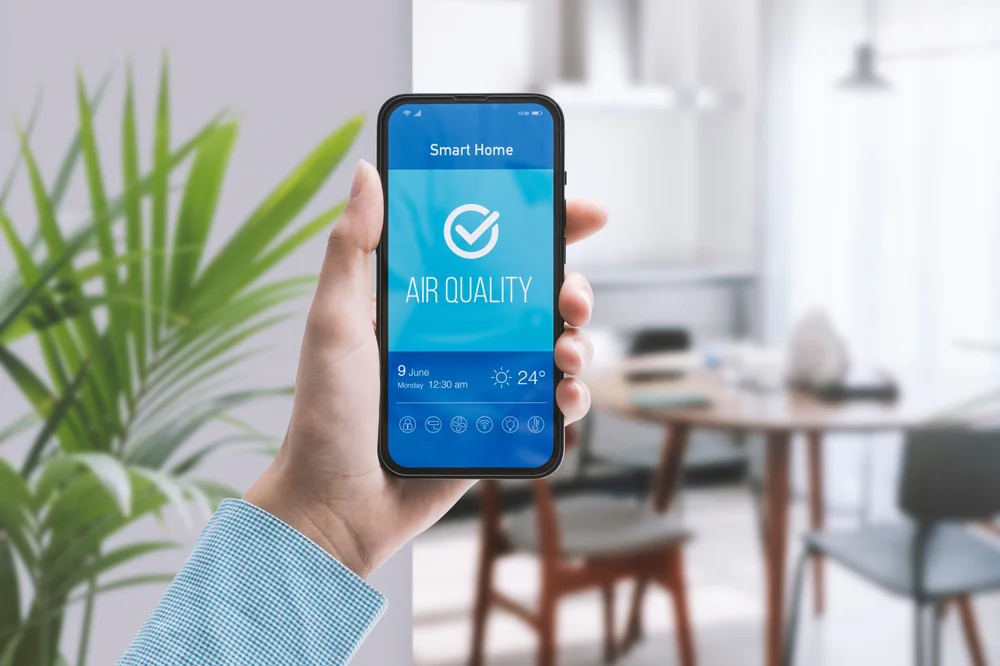
First, we talk. You tell us what’s going on—health symptoms, musty smells, recent water damage, or just general concern. That helps us figure out which tests make sense for your situation.
Then we come to your home and collect samples. For mold air testing, we use specialized equipment to capture airborne spores in different rooms. If radon is a concern, we’ll set up monitors in your basement or lowest living area. VOC testing involves air sampling that gets sent to a lab for analysis. We also use moisture meters and infrared cameras to identify problem areas you can’t see.
Once the lab processes your samples, we send you a detailed report. It breaks down what we found, what the levels mean, and whether they’re above EPA action guidelines. If you need remediation, we’ll explain what that looks like. If your air quality is fine, we’ll tell you that too. Then you decide what to do next.

Ready to get started?
Our residential air quality testing covers the pollutants that actually affect Pennsylvania homes. That includes mold species like Aspergillus, Penicillium, Cladosporium, and Stachybotrys—the black mold everyone worries about. We test for radon, which is a serious issue here since Pennsylvania has one of the worst radon problems in the country. And we check for VOCs and formaldehyde, which off-gas from building materials, furniture, and cleaning products.
Whitewood’s housing stock includes a lot of mid-century homes with basements, crawl spaces, and ventilation systems that weren’t designed with modern air quality standards in mind. Add in Bucks County’s humidity, and you’ve got conditions that encourage mold growth and trap pollutants indoors. That’s why a professional air quality assessment matters here more than in drier climates.
We also offer post-remediation testing. If you’ve already had mold removed or other work done, we’ll verify that the air is actually clean. That’s important for your health, and it’s often required if you’re selling your home or dealing with insurance claims.
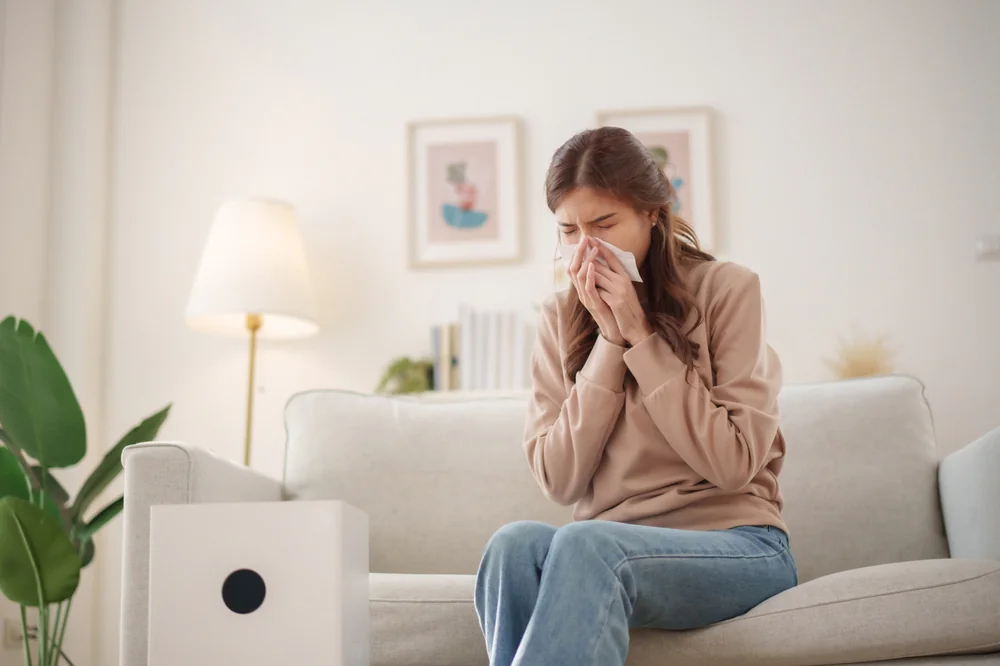
You need testing if anyone in your home has unexplained respiratory symptoms, allergies that won’t go away, or frequent headaches and fatigue. Those are classic signs of poor indoor air quality. You should also test after any water damage, flooding, or plumbing leaks—even if you dried everything out, mold can start growing within 24 to 48 hours.
If you’re buying or selling a home in Whitewood, testing makes sense too. Older properties often have hidden mold or elevated radon levels, and you want to know what you’re dealing with before money changes hands. Some buyers won’t close without air quality documentation, especially if there’s any history of moisture problems.
Testing is also smart if you just have a gut feeling something’s off. Maybe your basement smells musty, or you notice condensation on windows, or your HVAC system hasn’t been serviced in years. Trust that instinct. Indoor air quality affects your health every single day, and testing gives you peace of mind or a clear action plan.
A typical indoor air quality test includes mold spore sampling, which identifies the types and concentrations of mold in your air. We collect samples from multiple rooms to get an accurate picture of what’s happening throughout your home. Those samples go to an accredited lab that specializes in environmental testing.
Depending on your concerns, we might also test for radon using continuous monitors that measure levels over 48 hours or longer. Radon testing is especially important in Pennsylvania, where 40% of homes exceed EPA action levels. We can also check for VOCs, formaldehyde, and other chemical pollutants if you’ve recently renovated, installed new flooring, or noticed chemical smells.
You’ll get a detailed report explaining what we found, how it compares to EPA guidelines, and what the results mean for your health. If we detect elevated mold levels, we’ll identify the species so you know whether you’re dealing with common outdoor molds or more concerning types like Stachybotrys. The report also includes recommendations for next steps, whether that’s remediation, improved ventilation, or just monitoring the situation.
The actual testing visit usually takes one to two hours, depending on the size of your home and how many areas we’re sampling. We’ll collect air samples from different rooms, check moisture levels, and use infrared cameras to look for hidden problems behind walls or in crawl spaces.
After we collect samples, the lab needs 48 to 72 hours to process them and generate results. That’s standard turnaround time for accredited environmental labs. If we find something that requires immediate attention—like extremely high mold levels or radon readings—we’ll contact you right away instead of waiting for the full report.
Radon testing specifically requires monitors to sit in your home for at least 48 hours to get accurate readings, since radon levels fluctuate throughout the day. Short-term tests give you a snapshot, while long-term tests over 90 days provide more comprehensive data. We’ll recommend the right approach based on your situation and timeline.
You can buy DIY mold test kits and radon detectors, but they’re not as reliable as professional testing. Home test kits often give false positives or miss problems entirely because they don’t sample enough air or collect samples from the right locations. They also don’t tell you what species of mold you’re dealing with, which matters when you’re deciding whether remediation is urgent.
Professional air quality testing uses calibrated equipment and follows EPA protocols. We know where to sample, how long to run tests, and how to interpret results in the context of your specific home. Our samples go to accredited labs that can identify dozens of different mold species and measure spore concentrations accurately.
If you’re dealing with health symptoms, planning remediation, or need documentation for real estate transactions, professional testing is worth it. You’ll get defensible data that actually means something, not just a vague “positive” or “negative” result from a kit. And if you do need remediation, you’ll want baseline testing before work starts and clearance testing afterward to verify the problem is actually fixed.
If we find elevated mold levels, the report will tell you what species are present and whether concentrations exceed normal outdoor levels. Some mold is always present in indoor air—that’s normal. But if you’ve got high counts of Stachybotrys, Aspergillus, or other concerning species, you’ll need remediation to remove the source and clean up contaminated materials.
We’ll explain what remediation typically involves for your specific situation. That might mean removing water-damaged drywall, treating affected areas with antimicrobial solutions, and fixing the moisture problem that caused mold growth in the first place. We can recommend qualified remediation companies, or you can hire whoever you want. We’re not in the remediation business, so our recommendations are unbiased.
For radon, levels above 4 picocuries per liter require mitigation. That usually means installing a radon reduction system that vents gas from beneath your foundation to the outside. It’s not a DIY project, but it’s also not as disruptive or expensive as people think. After remediation or mitigation, we’ll come back and do clearance testing to verify the problem is actually resolved and your air is safe.
Cost depends on what you’re testing for and how many samples you need. A basic mold air test with samples from three to five locations typically runs a few hundred dollars. Add radon testing, VOC analysis, or additional sample locations, and the price goes up from there. But you’re paying for accredited lab work, calibrated equipment, and expertise that DIY kits can’t match.
Most homeowners in Whitewood spend between $300 and $600 for comprehensive testing that covers mold, radon, and basic air quality parameters. That’s a small investment compared to the cost of ignoring a problem until it damages your home or makes your family sick. It’s also cheap compared to remediation costs if you wait until a small mold problem becomes a major one.
If you’re testing after remediation to verify the work was done correctly, that’s usually less expensive since we’re just doing clearance sampling in the affected areas. Some remediation contracts include post-work testing, so check with your contractor before scheduling. Either way, professional testing gives you documentation and peace of mind that’s worth the cost.
Other Services we provide in Whitewood