

Hear from Our Customers
You shouldn’t have to worry every time you walk into your basement or catch a musty smell in the bathroom. Mold doesn’t just look bad—it spreads fast, hides in places you can’t see, and puts your family’s health at risk.
When we handle mold removal, you’re not just getting a surface cleanup. You’re getting a full inspection with thermal imaging to find hidden growth behind walls and under floors. You’re getting containment that keeps spores from spreading to clean areas. You’re getting removal done with EPA-approved methods by trained technicians who know exactly what they’re doing.
Most importantly, you’re getting the moisture problem fixed. Because if water’s still getting in, mold will come back no matter how many times you scrub it. We locate the leak, the condensation issue, or the ventilation problem that caused it in the first place—and we help you address it so you’re not dealing with this again in six months.
We’ve been helping homeowners in Whitewood, PA and across Bucks County deal with mold problems that come with our climate. Humid summers and damp winters create perfect conditions for mold to take over basements, crawl spaces, and attics.
We’ve seen what happens when mold gets ignored or handled wrong. We’ve also seen how fast it can be resolved when it’s done right. Our team is trained in mold remediation, certified to use the equipment that actually works, and experienced enough to know the difference between a quick patch job and a real solution.
You’re not hiring a national franchise that sends a different crew every time. You’re working with local professionals who understand how homes in this area are built, where moisture problems usually start, and what it takes to keep mold from coming back.

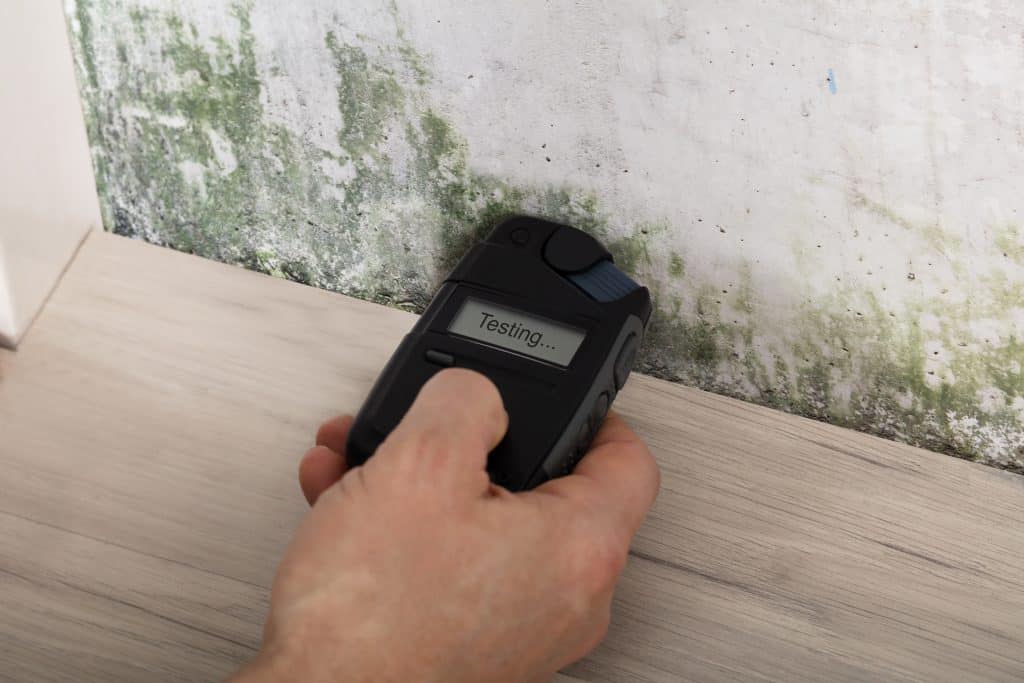
We start with a free inspection. That means one of our technicians comes to your property, walks through the affected areas, and uses moisture meters and thermal imaging to find mold you can’t see. We’re looking for the full picture—not just the spots on your wall, but what’s happening behind it.
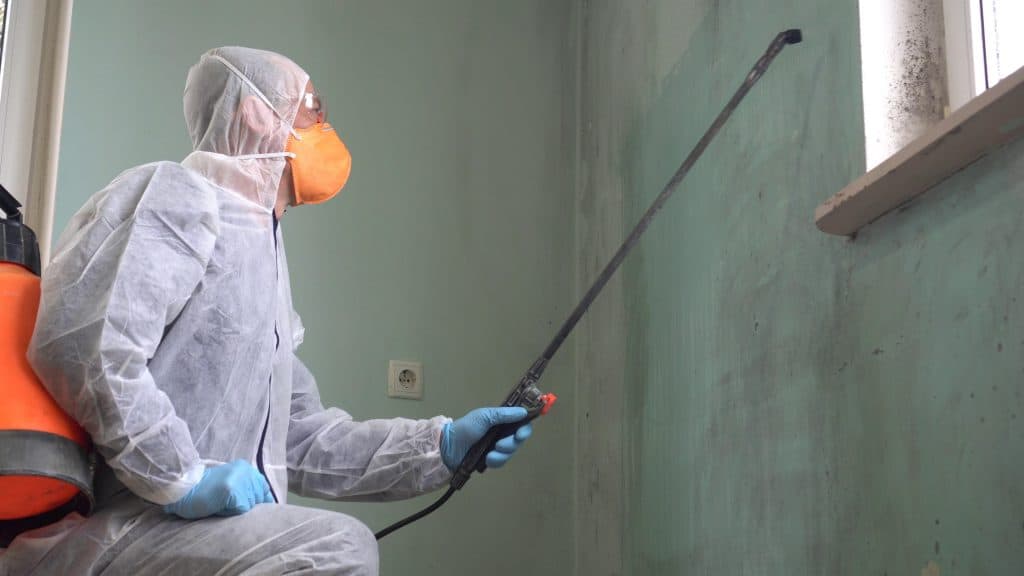
Once we know what we’re dealing with, we contain the area. Mold spreads through airborne spores, so we seal off the workspace with plastic barriers and use negative air pressure to keep contaminated air from reaching the rest of your home. Then we remove the mold using HEPA vacuums, antimicrobial treatments, and safe cleaning methods that don’t just move the problem around.
After removal, we don’t just pack up and leave. We identify the moisture source—whether it’s a leaking pipe, poor ventilation, foundation seepage, or humidity buildup—and give you a clear explanation of what needs to be fixed. Some issues we can handle ourselves. Others might need a plumber or waterproofing specialist. Either way, you’ll know exactly what caused it and how to prevent it.
Ready to get started?
Every mold removal job we do in Whitewood includes a thorough inspection, containment setup, safe removal, air filtration, and moisture source identification. We’re not cutting corners to get in and out faster. We’re making sure the job is done right.
If you’re dealing with black mold, we treat it seriously. Black mold produces mycotoxins that can cause respiratory issues, headaches, fatigue, and worse for anyone exposed long-term. We handle it with full containment protocols and proper protective equipment to keep your family safe during the process.
Bucks County’s climate means mold problems often start in basements where humidity builds up, or in attics where roof leaks go unnoticed. We see it constantly. The good news is that once the source is addressed and the mold is properly removed, it doesn’t have to be a recurring nightmare. You just need someone who knows how to do both parts—the removal and the fix.
We also work directly with your insurance company if your mold issue is related to a covered event like water damage. We’ll document everything, provide the photos and reports they need, and help you navigate the claims process so you’re not doing it alone.
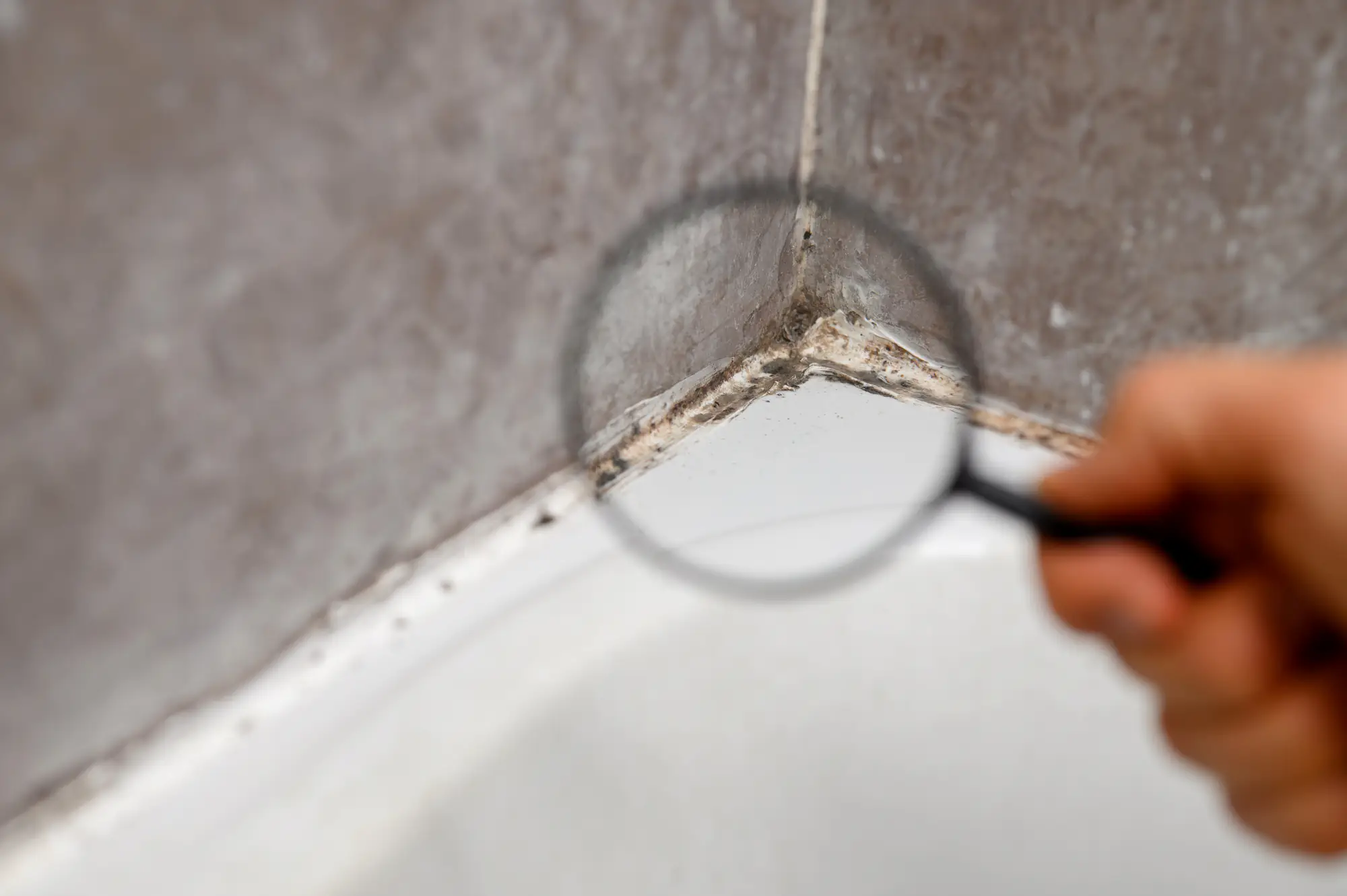
The most obvious signs are visible mold growth and a musty smell that won’t go away. Mold often shows up as black, green, or white patches on walls, ceilings, or around windows. But plenty of mold grows where you can’t see it—inside walls, under flooring, behind drywall, or in your attic.
If you’ve had any water damage, leaks, or flooding in the past few months, there’s a good chance mold is growing somewhere. Even minor moisture problems can lead to major mold growth in Bucks County’s humid climate. You might also notice health symptoms like coughing, sneezing, watery eyes, or headaches that get worse when you’re home and better when you leave.
If you’re not sure, get an inspection. We use thermal imaging and moisture meters to detect mold hidden behind surfaces. It’s free, and it gives you a clear answer instead of guessing or waiting until the problem gets worse.
You can try, but it usually makes things worse. Mold spreads through microscopic spores that become airborne the second you start scrubbing or tearing out material. Without proper containment, you’re just moving those spores into other rooms where they’ll start new colonies.
DIY mold removal also rarely addresses the moisture source. You might clean what you see today, but if water is still getting in, mold will be back in a few weeks. Most homeowners don’t have the equipment to detect hidden moisture or mold growing inside walls, so they’re only treating part of the problem.
Professional mold removal includes containment barriers, HEPA filtration, antimicrobial treatments, and proper disposal of contaminated materials. We’re also trained to identify why the mold is there in the first place. If it’s a small surface spot and you caught it early, sure—you might be able to handle it. But if it’s spreading, if it’s black mold, or if it keeps coming back, call someone who does this for a living.
It depends on how much mold there is and where it’s growing. A small bathroom mold problem might take a day. A basement with mold behind drywall and insulation could take three to five days. Larger jobs with structural damage can take longer.
The process itself has several stages—inspection, containment, removal, cleaning, and drying. We’re not rushing through any of those steps because shortcuts lead to mold coming back. Containment alone can take a few hours to set up correctly. Removal and cleaning depend on square footage and how deep the contamination goes.
Once the mold is removed, the area needs to dry completely before we close it back up. If there’s any moisture left, you’re right back where you started. We’ll give you a realistic timeline after the inspection so you know what to expect. Most jobs are done within a week.
Not if the moisture problem is fixed. Mold needs water to grow. Remove the water source, and mold can’t survive. That’s why we don’t just clean up the mold and leave—we find out where the moisture is coming from and help you fix it.
Sometimes it’s a leaking pipe that needs repair. Sometimes it’s a foundation crack letting groundwater seep in. Sometimes it’s poor ventilation in a bathroom or crawl space that’s trapping humidity. In Bucks County, we see a lot of basement moisture issues because of how homes are built and how much rain we get in spring and summer.
If you fix the leak, improve the ventilation, or waterproof the problem area, mold won’t come back. If you don’t, it will—no matter how good the removal job was. We’ll tell you exactly what needs to happen. Some fixes are simple. Some require a specialist. Either way, you’ll have a clear plan to keep your home mold-free.
Yes, especially if you’re exposed to it over time. Mold releases spores and mycotoxins into the air, which you breathe in without realizing it. That can cause allergic reactions, respiratory problems, headaches, fatigue, and skin irritation. People with asthma or weakened immune systems are at even higher risk.
Black mold is particularly concerning because it produces mycotoxins that can lead to more serious health issues with prolonged exposure. Kids and elderly family members are more vulnerable. Even if you don’t notice symptoms right away, long-term exposure increases the risk of chronic respiratory conditions.
If anyone in your home is coughing more than usual, dealing with unexplained headaches, or having trouble breathing, and you’ve noticed mold or a musty smell, get it checked. The longer mold stays in your home, the more spores build up in the air. Removing it quickly protects your family and improves your indoor air quality immediately.
Most mold removal projects cost between $1,000 and $3,500 depending on the size of the affected area and how extensive the damage is. Small jobs in a bathroom or closet are on the lower end. Larger jobs involving multiple rooms, structural materials, or serious contamination cost more.
We charge based on the square footage of mold growth, the type of materials affected, and how much containment and removal work is required. Drywall and insulation removal costs more than surface cleaning. Hidden mold behind walls costs more than visible mold on a ceiling. Every job is different, which is why we do a free inspection first—so you get an accurate estimate, not a guess.
If your mold problem is related to a water damage event covered by your homeowner’s insurance, your policy may cover part or all of the remediation cost. We work with insurance companies regularly and can help you with documentation and claims. Either way, the cost of professional removal is a lot less than the cost of ignoring it—both in terms of health risks and property damage.
Other Services we provide in Whitewood