
Hear from Our Customers

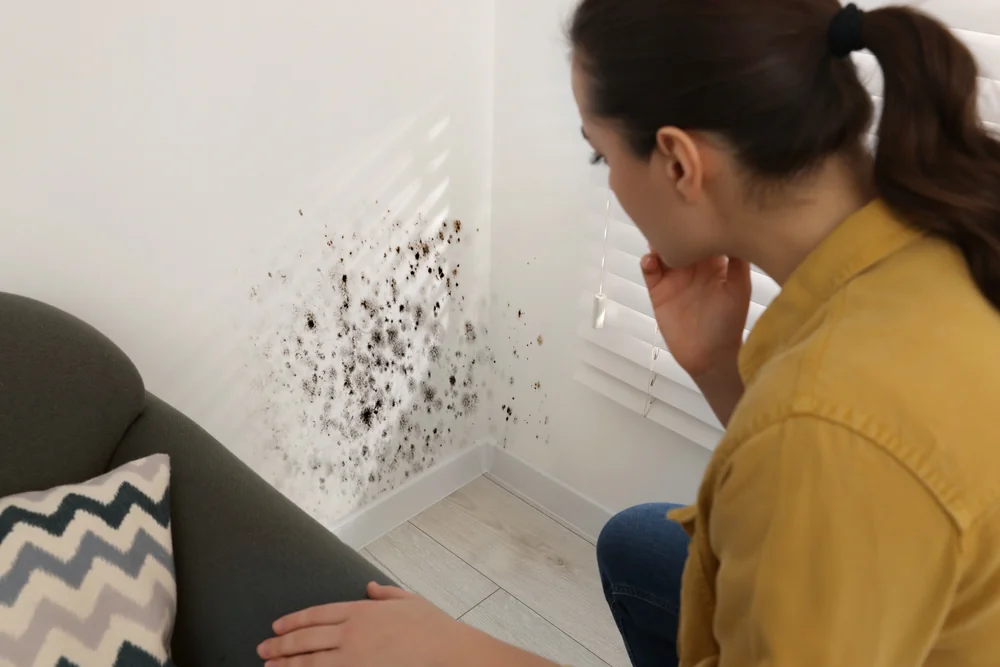
You’ve noticed the symptoms. Headaches that won’t quit. Kids with runny noses that never seem to clear up. That musty smell you can’t quite place. Maybe you’ve even tried opening windows, running fans, buying air purifiers—but nothing really changes.
Here’s what most people don’t realize: you can’t fix what you can’t see. Mold grows behind walls. VOCs off-gas from materials you didn’t even know were in your home. Humidity levels creep up silently, creating the perfect environment for bacteria and allergens to thrive.
A home air quality test gives you actual data. Lab results that show which mold species are present, at what concentration, and where they’re coming from. You’ll know if that mystery smell is just old carpet or if there’s black mold growing in your HVAC system. You’ll understand why your family feels better when they leave the house.
Once you know what’s wrong, you can actually fix it. Not with guesswork or DIY kits that show mold growth no matter where you swab. With real answers and a clear path forward.
We’ve been testing indoor air quality across Bucks County for years. We know the local housing stock—the older homes with basement moisture issues, the newer builds that are sealed so tight they trap everything inside.
Warminster Village sees its share of humidity problems, especially with Pennsylvania’s precipitation up 5% to 10% in recent years. That means more moisture, more mold, more reasons to test your air before small problems become expensive ones.
We’re certified mold inspectors who show up with calibrated equipment, take samples the right way, and send them to accredited labs. You get a detailed report that actually makes sense, plus clear next steps if something needs attention.

First, we walk through your home with you. You point out problem areas—rooms that smell off, spots where you’ve seen moisture, places where family members feel worse. We use thermal cameras and moisture meters to find hidden issues you can’t see with your eyes alone.
Then we collect air samples using professional-grade equipment. This isn’t a petri dish you leave on the counter. We’re pulling measured air volumes through collection devices that capture mold spores, particulates, and other contaminants. The whole testing process takes about 30 minutes, and we’re careful not to disrupt your day.
Those samples go straight to an independent, accredited laboratory. They identify exactly which mold species are present, measure concentration levels, and compare your indoor air to outdoor baseline samples. You’re not getting a yes-or-no answer—you’re getting specific data about what’s in your air and how much of it there is.
Within a few days, you receive a detailed report. We walk you through the findings, explain what each result means for your health and your home, and outline what needs to happen next. If there’s a moisture source feeding mold growth, we’ll tell you where it is. If your air quality is fine, we’ll tell you that too.
Ready to get started?
Every residential air quality testing service includes a thorough visual inspection of your property. We check common problem areas like basements, crawl spaces, attics, and HVAC systems—places where mold loves to hide and moisture tends to accumulate.
You get multiple air samples taken from different areas of your home. We test the spaces you use most and compare them to outdoor air quality. This gives you context: is that mold count high because of a problem in your house, or is it just pollen season in Warminster Village?
Our equipment includes moisture meters that detect water in walls and ceilings, thermal imaging cameras that spot temperature differences indicating hidden moisture, and laser particle counters that measure air quality in real time. Everything is calibrated daily for accuracy.
The lab report you receive breaks down every mold species found—Aspergillus, Penicillium, Cladosporium, Stachybotrys (that’s black mold), and others. You’ll see concentration levels, health implications, and whether your indoor counts are higher than outdoor levels. It’s detailed enough to show a doctor if you need to, but written clearly enough that you’ll actually understand it.
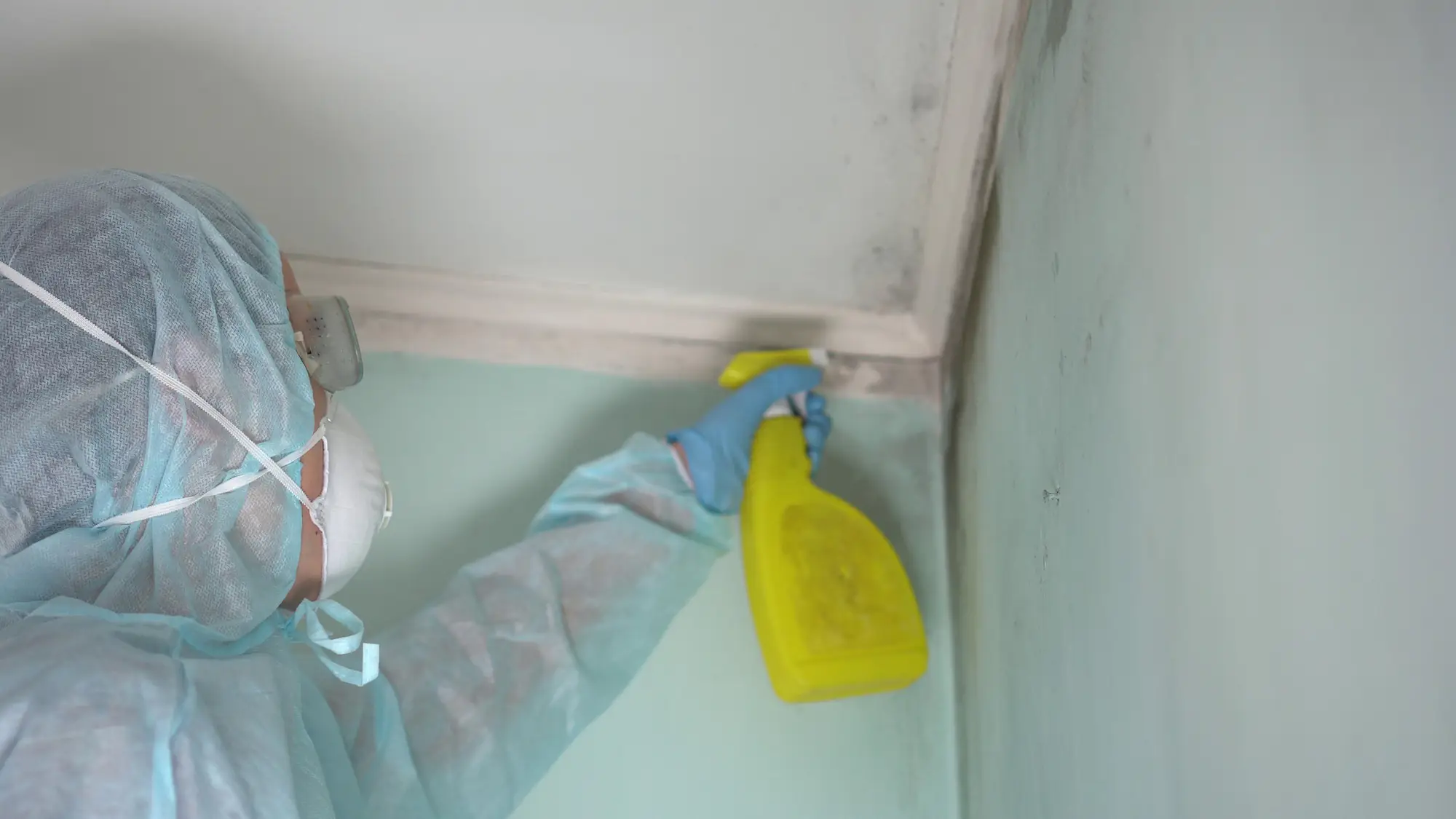
If we find problems, you get a step-by-step protocol for fixing them. We identify moisture sources, explain how mold is spreading, and outline what remediation work needs to happen. If you’re buying a home or verifying that remediation work was done right, we provide clearance testing to confirm air quality is back to normal before you move forward.
You need testing if you’re experiencing unexplained health symptoms at home—headaches, fatigue, respiratory issues, watery eyes, or allergy-like reactions that improve when you leave the house. These are classic signs of poor indoor air quality, often caused by mold spores or VOCs you can’t see.
Testing also makes sense if you smell mustiness but can’t find visible mold, if you’ve had water damage or flooding in the past, or if your home feels unusually humid. Homes in Warminster Village deal with basement moisture and aging HVAC systems that can harbor hidden mold growth.
If someone in your family has asthma or immune system issues, testing gives you peace of mind. You’re not overreacting—you’re getting data. And if you’re buying a home or verifying that mold remediation was completed properly, a mold air test is the only way to confirm the air is actually clean.
DIY kits are cheap for a reason—they’re not accurate. Most use petri dishes where you swab a surface or leave the dish open to collect spores. The problem is that mold spores are literally everywhere. You’ll get growth on that petri dish whether you have a mold problem or not, and you won’t know which species you’re dealing with or if the concentration is actually dangerous.
Professional air quality testing uses calibrated equipment to pull specific air volumes through collection devices. We’re measuring exactly how many spores are in your air and comparing indoor levels to outdoor baseline samples. That context matters—it’s the difference between “you have mold” and “you have 10 times more Stachybotrys indoors than outdoors, which explains your symptoms.”
Our samples go to accredited labs where trained technicians identify species, measure concentrations, and provide detailed reports. You get actionable information: which rooms have problems, what type of mold you’re dealing with, and whether levels are high enough to warrant remediation. DIY kits can’t give you any of that.
The actual testing appointment takes about 30 minutes to an hour, depending on your home’s size and how many areas we’re sampling. We’re not tearing anything apart or making a mess—we’re collecting air samples, taking moisture readings, and using thermal imaging to spot hidden problems.
You can stay home during testing or step out if that’s easier. We’ll walk through findings from the visual inspection before we leave, pointing out any obvious moisture issues or areas of concern. But the real answers come from the lab work.
Lab results typically come back within three to five business days. Once we have your report, we schedule a follow-up call or meeting to walk through everything. You’ll see exactly which mold species were found, where concentration levels are highest, and what the health implications are. If remediation is needed, we’ll outline the next steps. If your air quality is fine, we’ll tell you that too—no upselling, just facts.
Air quality testing identifies specific mold species including Aspergillus, Penicillium, Cladosporium, and Stachybotrys chartarum—that’s the black mold everyone worries about. Each species has different health implications, and the lab report breaks down exactly which ones are present and at what concentration levels.
Beyond mold, testing can detect volatile organic compounds (VOCs) that off-gas from building materials, furniture, cleaning products, and fire retardants. These chemicals cause headaches, nausea, and respiratory irritation—symptoms people often mistake for allergies. We also measure particulate matter, dust mites, and overall air quality indicators like humidity levels.
In Warminster Village homes, we commonly find elevated mold counts in basements and HVAC systems, especially in older properties or homes that have dealt with water intrusion. The testing shows you what’s actually in your air, not what might be there. You get specific data about each contaminant, how it compares to safe levels, and whether it’s likely causing the symptoms you’re experiencing.
Yes—that’s exactly why air testing works. Mold growing behind walls, under flooring, or inside your HVAC system releases spores into the air you breathe. Even if you can’t see the mold itself, those spores show up in air samples.
We collect samples from different rooms and compare them to outdoor air. If your bedroom has significantly higher mold counts than outside, that tells us there’s a source somewhere in that room—even if it’s hidden. Thermal imaging and moisture meters help us narrow down where that source might be. We’re looking for temperature differences and moisture levels that indicate water intrusion or condensation behind surfaces.
For HVAC systems, we can test air coming directly from supply vents. If your ducts are contaminated, you’re blowing mold spores throughout your home every time the system runs. Testing catches this before it becomes a whole-house problem. You don’t need to tear open walls to know there’s an issue—the air quality data points us in the right direction, and then we can investigate specific areas to confirm the source.
You get a detailed report that outlines exactly what was found, where concentration levels are highest, and what needs to happen next. If there’s a moisture source feeding mold growth—a leaky pipe, condensation issue, or water intrusion point—we identify it and explain how it’s contributing to the problem.
The report includes a step-by-step remediation protocol. This isn’t vague advice—it’s specific instructions on containment procedures, removal methods, and what materials need attention. If you’re working with a remediation company, they’ll follow this protocol to ensure the job is done right.
After remediation work is complete, we come back for clearance testing. This verifies that mold levels have returned to normal and your air quality is safe before any reconstruction begins. You’re not taking anyone’s word that the problem is fixed—you’re getting lab results that prove it. That’s how you know you’re actually breathing clean air again, not just covering up the problem.
Other Services we provide in Warminster Village