
Hear from Our Customers
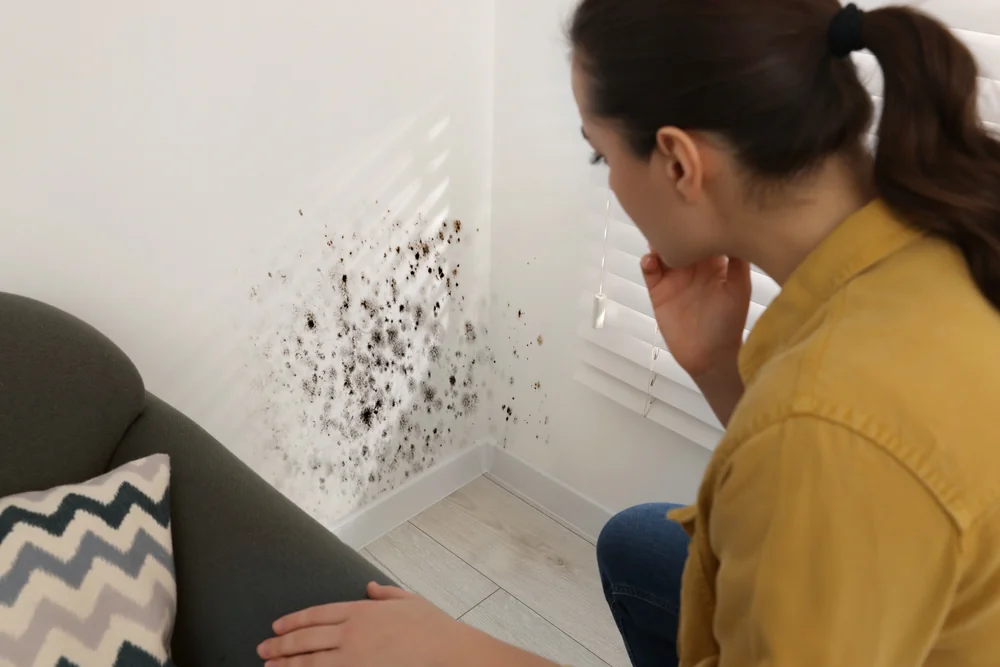
You’re dealing with unexplained allergies. Musty smells that won’t go away. Kids coughing more than usual. Something feels off, but you can’t see it.
That’s the problem with indoor air quality. The worst threats are invisible. Mold spores, radon, volatile organic compounds—they don’t announce themselves. They just build up quietly while your family breathes them in every day.
A home air quality test gives you actual data. Not guesses. Not assumptions. We measure what’s in your air, identify the sources, and tell you what needs to happen next. You get a full report that breaks down contaminant levels, health risks, and whether your home meets safety standards.
Most people wait until someone gets sick. You don’t have to. Testing catches problems early, before they turn into expensive remediation projects or ongoing health issues. It’s the difference between managing a small moisture issue and ripping out drywall six months later.
We’ve been testing and treating homes across Bucks County for years. We understand how Pennsylvania’s seasons affect indoor air—dry winters that crack foundations, humid summers that breed mold, and everything in between.
Uhlerstown sits right along the Delaware River, which means moisture is always a factor. Older homes in the area weren’t built with modern vapor barriers. Basements stay damp. Crawl spaces trap humidity. These aren’t design flaws—they’re just realities of the region.
We’ve tested hundreds of homes locally. We know what to look for, where problems hide, and how to explain results without making you feel like you need a chemistry degree. You get straightforward answers and a clear path forward.
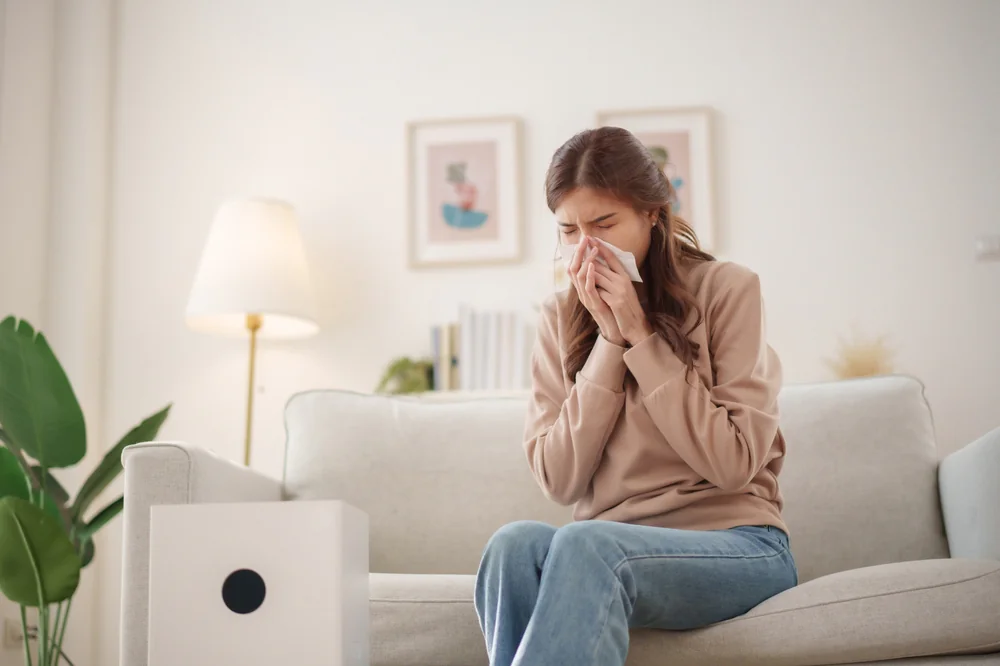
We start with a walkthrough. You tell us what you’ve noticed—smells, symptoms, visible moisture, whatever brought you here. We look at your HVAC system, check humidity levels, and identify potential problem areas.
Then we collect samples. Air sampling captures airborne particles like mold spores and allergens. Surface testing checks walls, floors, and other materials for contamination. If radon or carbon monoxide is a concern, we set up monitors that measure levels over time.
Samples go to a certified lab for analysis. You’re not waiting weeks—most results come back within a few days. We review everything with you in plain language: what we found, what it means for your health, and what your options are.
If remediation is needed, we handle that too. If it’s a simple fix—better ventilation, a dehumidifier, sealing a crack—we’ll tell you that instead. The goal isn’t to upsell you. It’s to give you accurate information so you can make the right call for your home.
Ready to get started?
Every residential air quality testing appointment includes a full visual inspection, air sampling from multiple rooms, and surface testing where needed. We check for mold species, allergen levels, humidity readings, and airborne particulates.
Bucks County ranked 27th in Pennsylvania for air quality, with an index of 45. That’s moderate—not terrible, but not great either. Add in local factors like river moisture, older housing stock, and seasonal temperature swings, and you’ve got conditions that favor mold growth and poor ventilation.
We also test for radon, which is common in Pennsylvania homes. It’s an odorless radioactive gas that seeps through foundation cracks and causes lung cancer over time. Most homeowners have no idea it’s there until they test for it.
After testing, you get a detailed report that breaks down every finding. Contaminant types, concentration levels, comparisons to safety thresholds, and specific recommendations. If your air quality is fine, we’ll tell you that. If it’s not, we’ll explain what needs to happen and why.
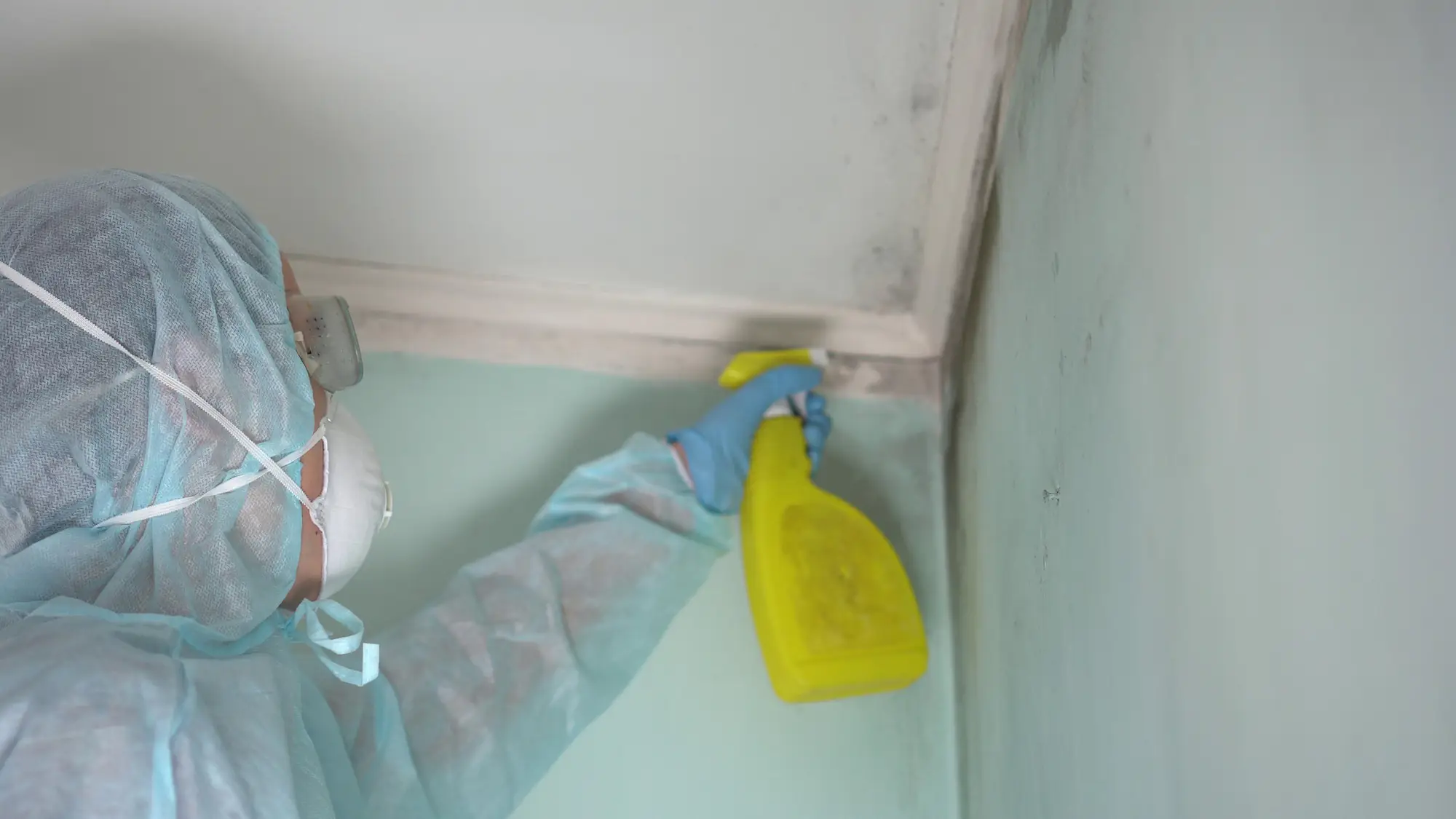
Cost depends on what you’re testing for and how big your home is. A basic mold air test for a single-family home usually runs a few hundred dollars. Comprehensive testing that includes radon, VOCs, and multiple air samples costs more.
Most companies charge per sample or per room. If you’re testing a 2,000-square-foot home with three bedrooms and a basement, expect to pay for at least four to six sample points. Lab fees are separate and vary based on turnaround time.
Here’s what matters: cheap testing often means fewer samples, less accurate equipment, or no lab analysis. You end up with incomplete data that doesn’t actually tell you what’s wrong. Spending a bit more upfront gets you reliable results and a clear action plan, which saves money if you’re trying to avoid unnecessary remediation or, worse, missing a real problem.
DIY kits test one spot in one room. Professional testing samples multiple areas, uses calibrated equipment, and sends samples to certified labs. The difference is accuracy and scope.
At-home kits can tell you if mold is present, but they won’t tell you what kind, how much, or whether it’s actually a health risk. They also miss airborne contaminants that aren’t concentrated in the exact spot you tested. If mold is growing inside a wall or under flooring, a surface swab won’t catch it.
Professional air quality testing uses air pumps that pull in particles from throughout the room. We test multiple locations, compare indoor levels to outdoor baselines, and identify specific mold species or allergens. That level of detail matters when you’re deciding whether to remediate or just improve ventilation. DIY kits are fine for peace of mind. If you’re dealing with symptoms, property transactions, or visible damage, professional testing is worth it.
The onsite visit usually takes one to two hours, depending on your home’s size and how many areas we’re testing. We’re not rushing through it—we’re checking HVAC systems, looking for moisture sources, and placing equipment correctly.
Air samples take about 10 minutes per location. Surface samples are faster. Radon testing requires a monitor to sit in your home for 48 to 72 hours, so that adds time but doesn’t require us to be there.
Lab results come back in three to five business days for most tests. Radon results are faster—sometimes same-day if we’re using electronic monitors. Once we have the data, we’ll schedule a follow-up call or meeting to walk through findings and recommendations. Start to finish, you’re looking at about a week from initial visit to full report.
Persistent musty odors, unexplained respiratory symptoms, visible mold, or recent water damage are the big ones. If anyone in your home is coughing, sneezing, or dealing with worsening asthma without a clear cause, your air quality might be the issue.
Other signs: condensation on windows, peeling paint, discolored walls or ceilings, or humidity levels that feel off. Bucks County homes near the Delaware River deal with moisture issues more than most. Basements that smell damp or crawl spaces with standing water are red flags.
You should also test if you’re buying or selling a home. Buyers want proof the air is safe. Sellers want to avoid surprises during inspection. Testing gives both sides documentation and removes the guesswork. Even if nothing seems wrong, testing every few years isn’t a bad idea—especially in older homes where ventilation and insulation weren’t built to modern standards.
Yes, but those require specific tests. Standard mold and allergen testing won’t pick up gases. Radon testing uses a monitor placed in the lowest livable area of your home for at least 48 hours. It measures radon levels and compares them to EPA safety thresholds.
Carbon monoxide testing is usually done with real-time detectors during the visit. If your furnace, water heater, or any fuel-burning appliance isn’t venting properly, CO can build up fast. It’s odorless and deadly, so testing is critical if you have gas appliances or an attached garage.
Pennsylvania has higher radon levels than many states due to geology. Uhlerstown and surrounding areas aren’t exempt. The only way to know if radon is in your home is to test for it. If levels are elevated, mitigation systems can reduce concentrations by 90% or more. It’s a fixable problem, but only if you know it’s there.
You get a report that explains what was found, where it’s concentrated, and whether it’s a health risk. Not all mold is toxic, and not every contaminant requires remediation. We’ll walk through the results and recommend next steps based on severity.
If remediation is needed, we handle that. Containment, removal, air filtration, and prevention—all of it. If it’s a minor issue, we’ll tell you how to address it yourself. Maybe it’s fixing a leak, adding a dehumidifier, or improving airflow. We’re not here to create work that doesn’t need to happen.
For serious contamination, remediation follows EPA and AIHA guidelines. We remove affected materials, treat surfaces, and verify air quality afterward with post-remediation testing. The goal is to get your home back to safe levels and keep it there. You’ll also get recommendations on preventing future issues, because fixing the symptom without addressing the cause just means you’ll be dealing with it again in six months.
Other Services we provide in Uhlerstown