
Hear from Our Customers
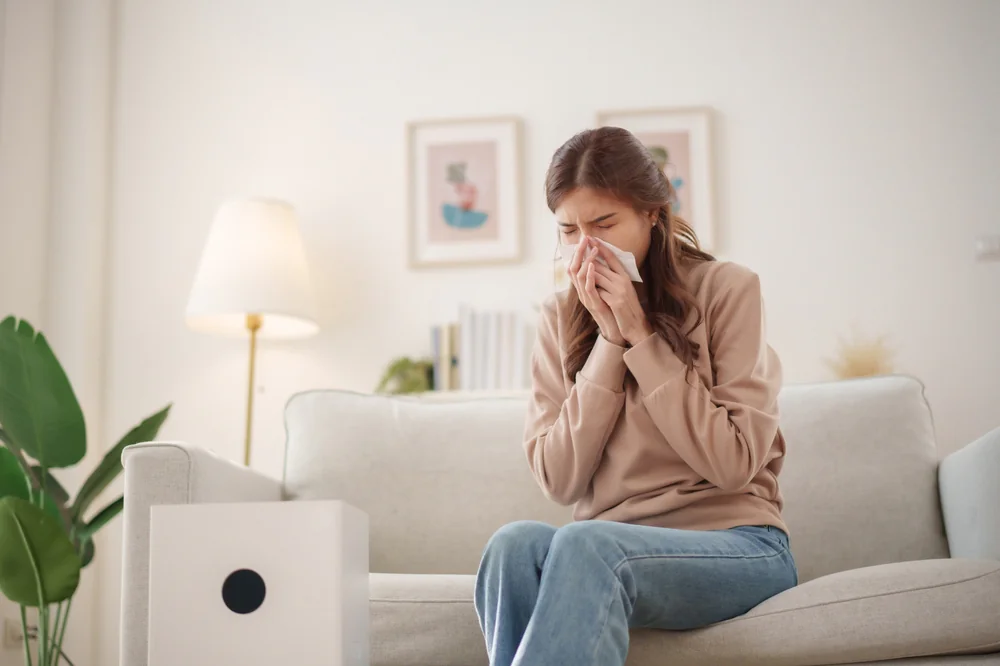
You’ve noticed the symptoms. Persistent coughing that won’t quit. Sneezing fits that start the moment someone walks through the door. Headaches that disappear when you leave the house but return every evening.
Something in your home is making people sick, and you need to know what it is. Not a theory. Not a guess. Actual data from a lab that tells you exactly what’s floating around in the air your family breathes.
A home air quality test gives you that answer. We collect air samples from multiple rooms, send them to an independent lab, and return results that identify mold spores, allergen levels, VOCs, and particulate matter. You’ll know what’s there, how much of it exists, and whether it’s at levels that explain the health issues you’re seeing.
This isn’t about selling you remediation you don’t need. It’s about getting facts first so you can make an informed decision about what happens next. If the air is clean, you’ll have peace of mind. If it’s not, you’ll know exactly what needs to be addressed.
We’ve been testing indoor air quality across Bucks County for years. We know what shows up in Trumbauersville homes because we’ve sampled hundreds of them.
Older homes with basements that stay damp. Newer builds with ventilation issues. Properties near farmland where outdoor allergens get trapped inside. We’ve seen how local climate and construction styles affect what ends up in your air.
Every test we run gets analyzed by an independent lab. We don’t interpret results to upsell services. We explain what the numbers mean, what levels are considered safe, and what action makes sense based on your specific situation. If your air quality is fine, we’ll tell you. If it’s not, we’ll explain why and what typically fixes it.
First, we talk. You’ll describe what you’re noticing—health symptoms, musty smells, visible moisture, recent water issues. That conversation tells us where to focus and what type of testing makes the most sense.
Then we visit your property. We collect air samples from the rooms where people spend the most time and any areas you’re concerned about. We also take outdoor samples for comparison, because labs need a baseline to determine if indoor levels are elevated.
Samples go to an independent lab that identifies and quantifies everything in the air. Mold spores get classified by species. Allergen levels get measured. VOCs and particulates get flagged if they’re above safe thresholds.
You receive a full report within a few days. We walk through it with you, explain what each result means, and answer any questions. If the air quality is poor, we’ll discuss what’s causing it and what remediation typically involves. If it’s acceptable, you’ll know your symptoms are likely coming from something else.
The whole process takes less than a week from the first call to getting your results.
Ready to get started?
A mold air test from us includes air sampling from multiple interior locations, an exterior control sample, chain-of-custody lab analysis, and a detailed report showing spore counts by species. You’ll see exactly what’s in your air and whether levels are elevated compared to outdoor baselines.
We also test for common allergens, VOCs from cleaning products or building materials, and particulate matter that affects respiratory health. If you’ve had recent water damage, we focus on areas where mold growth is most likely.
Trumbauersville properties face specific challenges. Homes near agricultural areas often show elevated outdoor mold counts, which means indoor levels need to be significantly higher to indicate a problem. Basements in older homes frequently trap moisture, especially during humid summer months. Properties with crawl spaces can pull contaminated air up through the floors if ventilation isn’t adequate.
We account for these local factors when we interpret your results. What’s normal for a home in your area might not be normal elsewhere, and we make sure you understand the context behind the numbers.
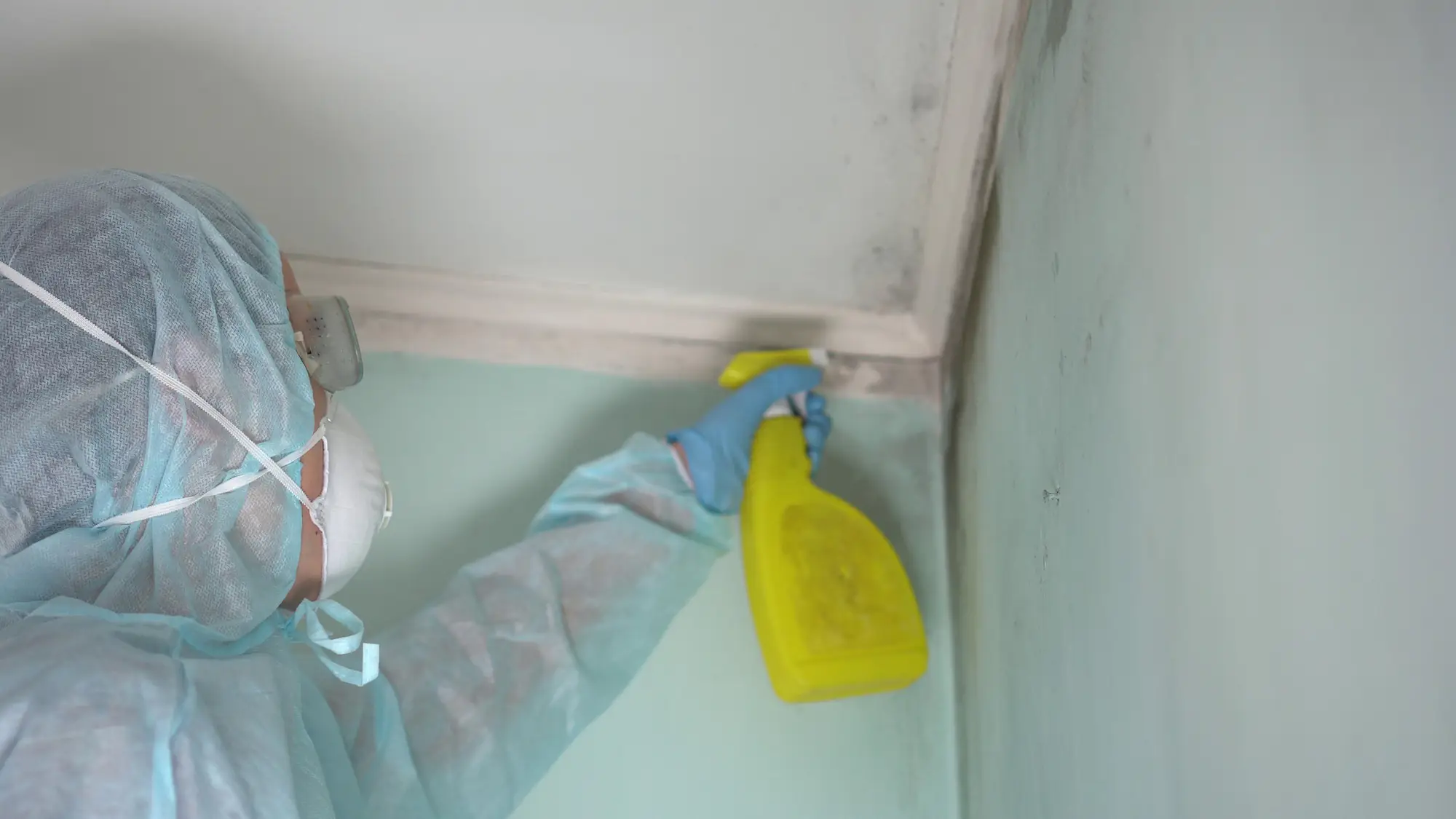
If people in your home are experiencing unexplained respiratory symptoms, allergies that worsen indoors, persistent coughing, or frequent headaches, testing makes sense. These symptoms often point to elevated mold spores, allergens, or VOCs in the air.
You should also test if you’ve had recent water damage, notice musty odors, see visible mold growth, or are buying a property and want to verify air quality before closing. Testing gives you data instead of assumptions.
DIY test kits don’t provide the same level of detail. They can’t quantify spore counts, identify specific mold species, or compare indoor levels to outdoor baselines. Professional air quality testing uses lab analysis to give you accurate, actionable results.
A comprehensive indoor air quality test measures mold spore counts and identifies species present in the air. It also detects allergens like pollen and dust mites, volatile organic compounds from household products or building materials, and particulate matter that affects breathing.
The lab breaks down results by room, so you can see which areas have elevated levels. Outdoor samples provide a comparison point—if indoor mold counts are significantly higher than outdoor counts, it indicates growth inside the property.
Results also show whether specific mold species are present. Some species are more concerning than others from a health perspective. Knowing what’s actually in your air helps determine whether remediation is necessary and what type of work needs to happen.
The on-site sampling takes about an hour depending on the size of your property and how many rooms we’re testing. We collect air samples, document conditions, and answer any questions you have while we’re there.
Samples go to the lab the same day. Lab analysis typically takes 3-5 business days. Once results come back, we schedule a call or meeting to walk through the report with you.
From your first contact to receiving results, the entire process usually takes less than a week. If you’re dealing with a time-sensitive situation—like a real estate transaction or ongoing health concerns—we can often expedite testing and get results back faster.
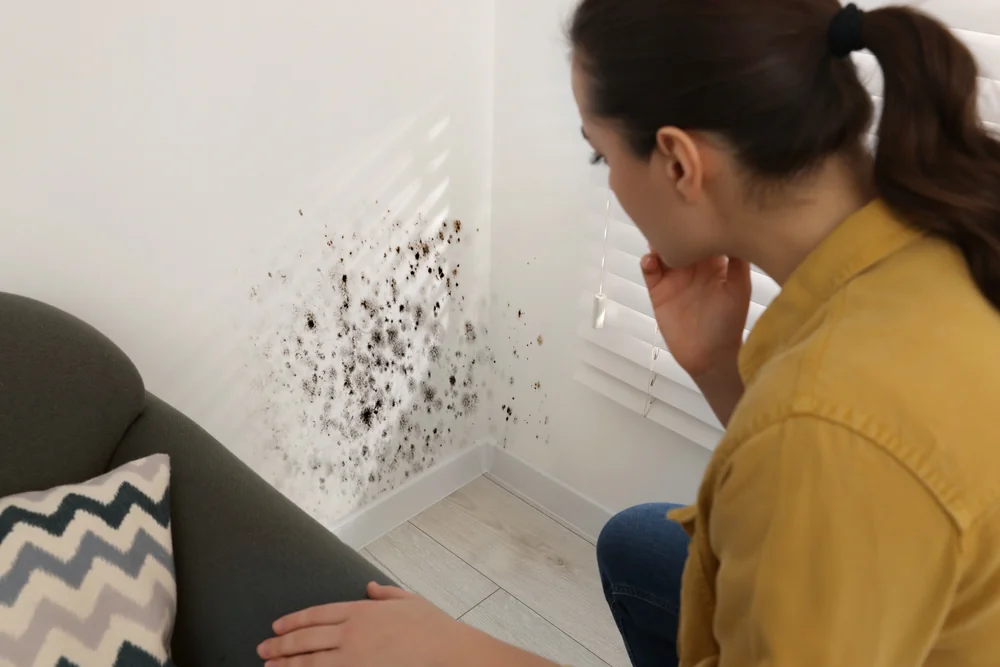
Yes. Air sampling detects mold spores whether or not you can see visible growth. Mold often hides behind walls, under flooring, in HVAC systems, or in crawl spaces where it’s not obvious.
If mold is actively growing somewhere in your home, spores circulate through the air. Testing captures those spores and identifies them in the lab. Elevated indoor spore counts compared to outdoor levels indicate hidden growth.
That said, air testing works best when combined with a visual inspection. We look for moisture issues, water stains, and other signs that point to where mold might be growing. Testing confirms whether there’s a problem and helps narrow down the location so remediation can target the right areas.
If results show elevated levels, we’ll explain what’s causing it and what remediation typically involves. That might mean removing contaminated materials, cleaning HVAC systems, addressing moisture sources, or improving ventilation.
We don’t push unnecessary work. If the issue is minor and can be resolved with better airflow or a dehumidifier, we’ll tell you. If it requires professional remediation, we’ll outline what that looks like and provide a clear scope of work.
You’ll also get documentation that satisfies insurance requirements if you’re filing a claim. Pennsylvania regulations require proper testing and remediation protocols when mold is discovered, and our reports meet those standards. You can use the results to make informed decisions about next steps without pressure.
Cost depends on how many samples you need and what type of testing makes sense for your situation. A basic mold air test with lab analysis typically starts around a few hundred dollars. More comprehensive testing that includes VOCs, allergens, and multiple rooms costs more.
We provide upfront pricing after discussing your concerns and property size. There are no hidden fees or surprise charges. You’ll know what testing costs before we schedule the visit.
Testing is an investment that prevents bigger problems. Catching mold early means smaller remediation costs. Identifying air quality issues before they cause long-term health problems saves medical expenses. If you’re buying a property, testing protects you from inheriting someone else’s contamination issues. The cost of testing is minimal compared to what you avoid by having accurate information.
Other Services we provide in Trumbauersville