

Hear from Our Customers
When mold’s handled right, you’re not just covering up a problem. You’re breathing easier because the air quality in your home is back to normal. You’re sleeping better because you’re not wondering what’s growing behind your bathroom wall or in your basement corners.
Your kids aren’t coughing as much. That musty smell that hits you when you walk in the door is gone. And if you ever decide to sell, you’re not dealing with a failed inspection or a buyer walking away.
The difference between surface cleaning and actual mold removal is whether the problem comes back in three weeks or stays gone for good. We handle the moisture source, not just the visible mold. That means fixing leaks, improving airflow, and addressing whatever’s feeding the growth in the first place. You get documentation, post-testing, and a home you can trust again.
We work with homeowners throughout Trumbauersville and the surrounding Bucks County area. We understand how Pennsylvania’s humidity affects older homes, how basements in this region tend to trap moisture, and what happens when your HVAC system isn’t moving air the way it should.
Our team is IICRC-certified, which means we follow the same standards insurance companies expect when they’re paying claims. We’ve worked with local adjusters, handled everything from small bathroom jobs to full basement remediations, and we know what actually works in homes like yours.
You’re not getting a national franchise or a crew that’s never seen a Trumbauersville foundation. You’re working with people who’ve been in these homes before and know what to look for.

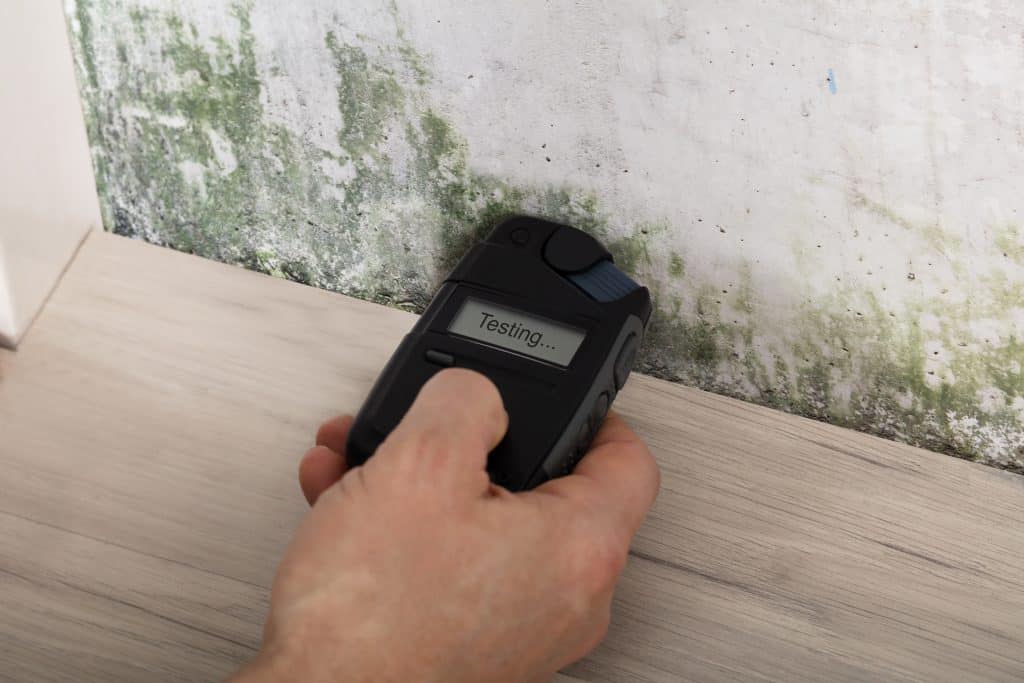
First, we come out and do a free inspection. We’re looking for visible mold, but also using moisture meters and thermal imaging to find what you can’t see yet—wet drywall, leaks inside walls, condensation in crawl spaces. We’ll tell you what’s growing, where it’s coming from, and what it’s going to take to fix it.
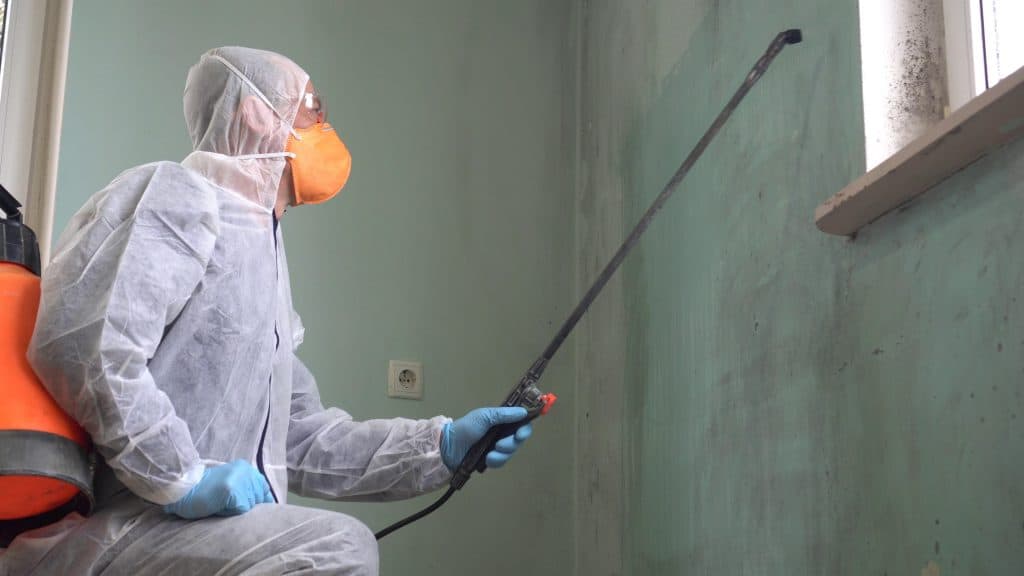
Once you approve the estimate, we set up containment. That means sealing off the affected area with plastic sheeting and negative air pressure so spores don’t spread to clean parts of your home while we work. Then we remove the contaminated materials—drywall, insulation, flooring, whatever’s been compromised.
After removal, we treat surfaces, run air scrubbers with HEPA filters, and address the moisture problem that caused it. That could mean repairing a pipe, installing a dehumidifier, or improving ventilation. We don’t leave until the source is handled. Finally, we run post-remediation testing to confirm the air quality is back to safe levels, and if repairs are needed, we handle the reconstruction so you’re not coordinating with multiple companies.
Ready to get started?
You get a full moisture assessment using professional-grade detection equipment. We’re not guessing where the water’s coming from—we’re measuring it. You also get proper containment setup, which is critical in homes with central air because mold spores travel fast through ductwork.
In Trumbauersville, we see a lot of basement mold tied to foundation seepage and poor drainage around older homes. We also see attic mold from ventilation issues, especially in homes where bathroom exhaust fans vent into the attic instead of outside. Whatever the source, we’re addressing it as part of the job, not as an add-on you find out about later.
You’ll receive documentation for insurance purposes if you’re filing a claim, including photos, moisture readings, and scope of work. And if black mold is involved—which gets the most attention but isn’t always the biggest threat—we handle it the same way we handle any mold: complete removal, source elimination, and air quality restoration. The goal is always the same. You get a home that’s dry, clean, and safe to live in.
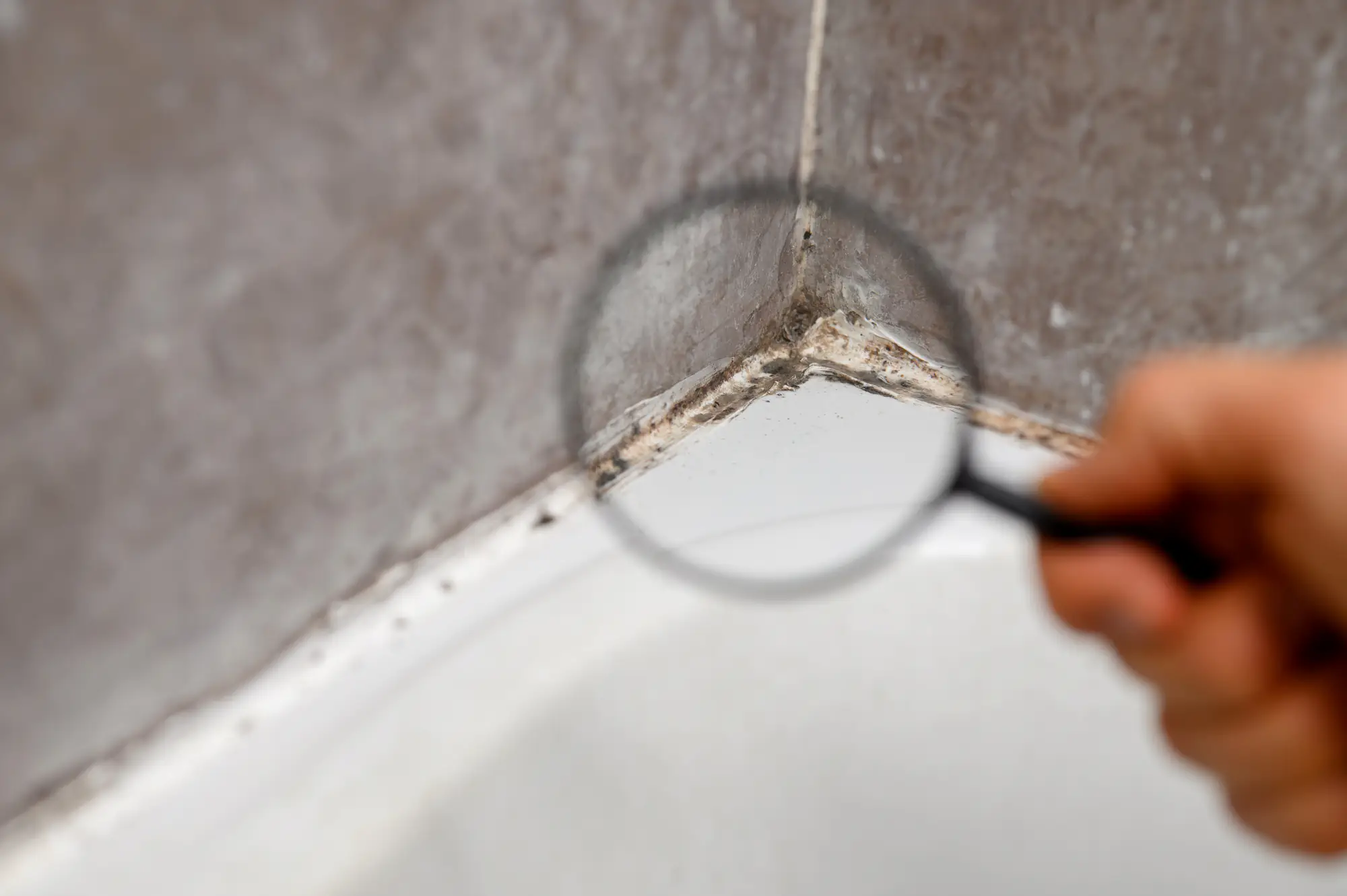
If you’re seeing visible mold growth larger than about 10 square feet, smelling persistent musty odors even after cleaning, or dealing with recurring mold in the same spot, you’re past the point of handling it yourself. Small surface mold on a windowsill or shower grout is one thing. Mold that keeps coming back or covers a wall is another.
You also need a professional if the mold is tied to a plumbing leak, sewage backup, or flooding. Those situations almost always involve contamination inside walls or under flooring that you can’t reach with a spray bottle. And if anyone in your home is experiencing unexplained respiratory symptoms—coughing, sneezing, headaches, fatigue—that get better when they leave the house, that’s a strong signal there’s a mold problem affecting your indoor air quality.
The biggest reason to call someone in is hidden growth. Mold behind drywall, under carpet padding, or in wall cavities doesn’t go away on its own, and you won’t know it’s there until it’s already spread. We use moisture meters and thermal imaging to find it before it becomes a bigger issue.
Mold removal and mold remediation mean the same thing in most cases, but technically, remediation is the more accurate term. That’s because you can’t remove every single mold spore from a home—they’re everywhere, all the time. What we’re actually doing is bringing mold levels back to normal, safe levels and eliminating the conditions that let it grow out of control.
Remediation involves removing contaminated materials, cleaning and treating affected surfaces, controlling airborne spores with HEPA filtration, and most importantly, fixing the moisture problem. If we just scrape mold off your drywall and leave the leak alone, it’ll be back in two weeks. True remediation addresses the root cause.
Some companies use “mold removal” because that’s what people search for, and it’s easier to understand. But if someone’s doing the job right, they’re doing remediation—which means you’re getting a complete solution, not just a surface fix. That’s what actually keeps mold from coming back and why the process involves more than just cleaning what you can see.
It depends on what caused the mold. If it’s the result of a sudden, accidental event—like a burst pipe, roof leak during a storm, or appliance malfunction—most homeowners insurance policies will cover the mold remediation. If it’s from long-term neglect, poor maintenance, or ongoing moisture issues you didn’t address, they’ll likely deny the claim.
Insurance companies want to see that you acted quickly after discovering water damage. The longer you wait, the harder it is to get coverage. That’s why it’s important to document everything—take photos, keep records of when you noticed the problem, and get a professional assessment as soon as possible.
We work directly with insurance adjusters in Bucks County and can help you navigate the claims process. We provide the documentation they need, including moisture readings, photos, and a detailed scope of work. We’ve also seen cases where insurers initially deny a claim, but after we submit our findings showing the mold was tied to a covered event, they reverse the decision. It’s not guaranteed, but having a mold specialist who knows how to communicate with your insurance company makes a big difference.
For a small, contained area like a bathroom or closet, you’re usually looking at one to two days. That includes setting up containment, removing affected materials, treating surfaces, and running air scrubbers. For larger jobs—like a full basement or multiple rooms—it can take three to five days, sometimes longer if there’s significant reconstruction involved.
The timeline also depends on how much material needs to be removed. If we’re just treating surface mold on concrete, that’s faster than tearing out drywall, insulation, and flooring. And if we’re waiting on post-remediation test results before closing out the job, that adds a day or two.
One thing that slows projects down is discovering more mold once we open up walls. It’s not uncommon to find growth that wasn’t visible during the initial inspection. When that happens, we’ll walk you through what we found and what it’s going to take to address it. We’re not trying to upsell you—we’re making sure the job’s done right. Rushing through mold removal just means you’ll be calling someone back in six months to do it again.
In most cases, yes, as long as we’re working in a contained area and you’re not dealing with a severe infestation. We seal off the work zone with plastic sheeting and use negative air pressure to keep spores from spreading into the rest of your home. You’ll want to avoid the contained area entirely, but you can usually stay in other parts of the house.
If the mold is widespread, involves your HVAC system, or you have someone in the home with respiratory issues or a compromised immune system, we’ll recommend staying elsewhere until the job’s done. Black mold and other toxic varieties can cause health problems if you’re exposed during the removal process, especially when we’re disturbing it.
For smaller jobs, like a bathroom or laundry room, it’s usually not a problem to stay. For basement or attic work, same thing—we’re not disrupting your main living areas. But if we’re working in your kitchen, bedrooms, or anywhere central to your daily routine, it might make sense to stay with family or get a hotel for a few days. We’ll give you an honest assessment during the inspection so you can plan accordingly.
Don’t start scrubbing or spraying it with bleach. That can actually make things worse by releasing spores into the air and spreading them to other areas of your home. If the mold is small and on a hard surface, you can gently wipe it with a damp cloth, but anything larger than a few square feet should be left alone until a professional can assess it.
Turn off your HVAC system if the mold is near a vent or return. Running your heating or cooling will blow spores throughout the house. If there’s active water damage—like a leak or flooding—stop the water source if you can and start drying the area with fans or dehumidifiers. The faster you dry things out, the less mold will grow.
Take photos and document everything, especially if you’re planning to file an insurance claim. Note when you first noticed the mold, where it’s located, and any water damage or leaks that might be connected. Then call us for a free inspection. We’ll tell you what you’re dealing with, what caused it, and what it’s going to take to fix it. The sooner you call, the less damage you’re looking at and the easier the job will be.
Other Services we provide in Trumbauersville