
Hear from Our Customers
You’re spending 90% of your time indoors. If something’s wrong with your air—mold spores, VOCs, carbon monoxide—you’re breathing it constantly. Your kids are breathing it. Your elderly parents are breathing it.
The problem is, most indoor air problems don’t announce themselves. No alarm goes off when radon levels climb. Mold grows behind walls where you can’t see it. Chemical off-gassing from building materials happens silently.
A professional home air quality test gives you actual data. Not guesses. Not assumptions based on a musty smell or a cough that won’t quit. You get laboratory analysis that tells you exactly what’s in your air and at what levels. Then you can make informed decisions about your family’s health instead of wondering if that headache is just stress or something worse.
We’ve spent over 15 years working in Philadelphia County homes. We know what Cape Cods and colonials built in the 1940s through 1960s deal with. We know how Pennsylvania’s humid summers and the Delaware River’s proximity create moisture problems in Torresdale Manor basements.
We’re not a national franchise reading from a script. We’re local, and we understand that your 1950s ranch has different ventilation issues than new construction. We’ve tested hundreds of homes in Bucks, Montgomery, Delaware, Chester, and Philadelphia County.
When we test your air, we’re looking at it through the lens of what actually happens in older Northeast Philadelphia homes—not what a textbook says might happen somewhere generic.

We start with a visual inspection of your property. We’re looking for obvious moisture issues, visible mold growth, HVAC system problems, and ventilation concerns. This takes about 30-45 minutes depending on your home’s size.
Next, we take ambient air measurements throughout your home. We’re testing for carbon dioxide, carbon monoxide, volatile organic compounds, and particulates like dust and dander. We also collect air samples that go to a laboratory for mold spore analysis. The lab identifies specific mold types and concentration levels—not just “yes, there’s mold.”
We check hidden areas where problems typically develop: behind HVAC vents, in crawl spaces, near plumbing, in basements. Mold doesn’t grow in the middle of your living room. It grows where moisture accumulates and air doesn’t circulate.
You get a detailed report within 3-5 business days. It breaks down what we found, what the levels mean for your health, and what (if anything) needs to be addressed. If there’s a problem, we explain your options. If your air quality is fine, we tell you that too.

Ready to get started?
A residential air quality testing service covers multiple categories of contaminants. We test for biological pollutants—mold spores, bacteria, allergens. We test for chemical pollutants—VOCs from paint, cleaning products, building materials, and furnishings. We test for combustion pollutants—carbon monoxide from heating systems, fireplaces, or attached garages.
In Torresdale Manor specifically, we pay extra attention to basement moisture issues. Pennsylvania’s climate creates ideal conditions for mold growth in poorly ventilated spaces. Homes built between 1940 and 1969 often have outdated ventilation systems that don’t move air effectively. That stagnant air traps contaminants.
We also look at your HVAC system. If it’s introducing contaminants or circulating mold spores from ductwork, your air quality suffers throughout the entire house. Many homeowners don’t realize their heating and cooling system is the distribution network for whatever’s growing in their basement or crawl space.
Radon testing is critical in this area. After tobacco smoke, radon is the leading cause of lung cancer. It’s completely invisible and odorless. The only way to know if you have a radon problem is to test for it.
Most homeowners in Torresdale Manor spend between $292 and $585 for comprehensive indoor air quality testing. The national average is around $438. The range depends on your home’s size, how many rooms you want tested, and what specific contaminants you’re concerned about.
A basic mold air test for a single room might run $75-150. A whole-house assessment that tests for mold, VOCs, carbon monoxide, radon, and particulates costs more because it requires multiple air samples and laboratory analysis.
If you’re dealing with unexplained health symptoms, recent water damage, or you’re moving into an older home, the cost is minor compared to potential medical bills or major remediation work later. Testing gives you information. Without it, you’re just guessing about what’s making your family sick.
Get your air tested if anyone in your home has unexplained respiratory symptoms, persistent headaches, dizziness, or fatigue that improves when they leave the house. That pattern suggests an indoor air quality problem.
Test after any water damage—roof leaks, burst pipes, flooding, even persistent basement moisture. Mold can start growing within 24-48 hours of water exposure. You might not see it, but it’s affecting your air quality.
Test before or after major renovations. Construction work stirs up dust and debris. New materials off-gas VOCs. If you’re moving into a home built before 1970 in Torresdale Manor, test it. Older homes have different ventilation standards and potential issues you won’t know about until you test. Annual testing is smart if you have family members with asthma, allergies, or compromised immune systems.
DIY kits give you limited information. Most test for one or two things—usually just mold presence. They don’t tell you mold type, concentration levels, or where it’s coming from. You’re collecting the sample yourself, which introduces user error. You might miss the problem area entirely.
Professional testing uses calibrated equipment and follows specific protocols. We know where to look based on building science and experience with homes like yours. We collect multiple samples from strategic locations. Those samples go to accredited laboratories that identify specific contaminants and measure concentration levels.
The report you get from professional testing is actionable. It tells you what’s wrong, how serious it is, and what to do about it. A DIY kit tells you “mold detected” and leaves you wondering what that means. For $75-150 more than a DIY kit, you get accurate data and expert interpretation. That’s worth it when you’re making decisions about your family’s health.
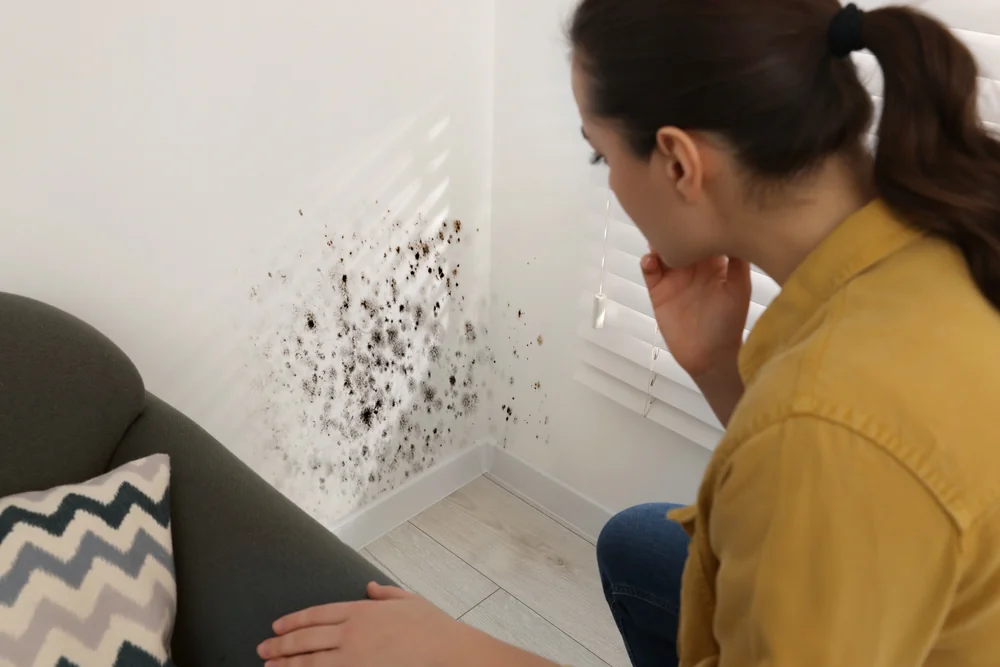
Air quality testing detects mold spores in your air—including spores from mold growing behind walls, under flooring, or inside HVAC systems. If mold is growing somewhere in your home, it’s releasing spores into the air you breathe. Our air samples capture those spores.
The laboratory analysis identifies the mold types and concentration levels. Elevated levels of certain mold species indicate hidden growth somewhere in the building. We combine air testing with visual inspection and moisture readings to pinpoint likely locations.
If we find high mold spore counts but no visible mold, we know it’s hidden. Then we use moisture meters and thermal imaging to find where water is accumulating—that’s where the mold is growing. In Torresdale Manor homes, it’s typically in basements, crawl spaces, behind bathroom walls, or in attic spaces with roof leaks. Air testing is the first step. It tells us there’s a problem. Then we find it.
The on-site portion takes 1-3 hours depending on your home’s size and what we’re testing for. A basic mold air test in a 1,500 square foot home takes about an hour. A comprehensive test that includes VOCs, carbon monoxide, radon, and multiple rooms takes 2-3 hours.
We’re not rushing through your home. We’re doing visual inspections, taking measurements, collecting air samples, checking HVAC systems, and looking at areas where problems typically develop. That takes time to do correctly.
Laboratory analysis takes 3-5 business days. The lab is identifying specific mold species, measuring spore concentrations, and analyzing chemical contaminants. You can’t rush that process. When you get your report, it includes detailed findings and our recommendations. If there’s an urgent situation—like a family member with severe respiratory symptoms—we can request expedited lab processing for an additional fee.
You get a detailed report that explains what we found, what the levels mean, and what your options are. If mold levels are elevated, we identify the likely source and recommend remediation. If VOC levels are high, we explain what’s causing it and how to reduce exposure.
We don’t push you into expensive remediation you don’t need. If the problem is minor—like improving ventilation or fixing a small leak—we tell you that. If it’s serious and requires professional remediation, we explain why and what’s involved.
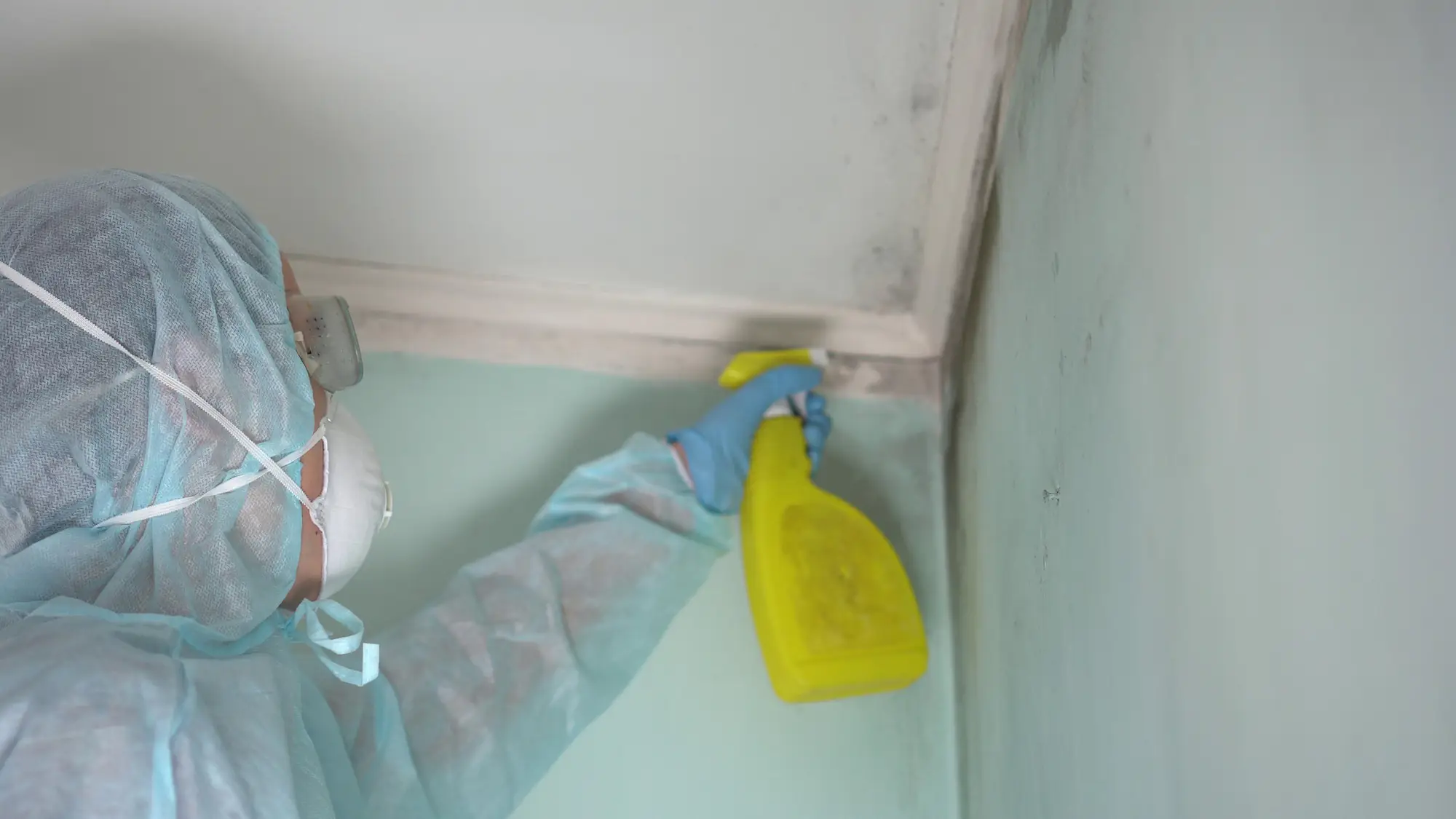
For mold remediation, we follow EPA-approved methods and Pennsylvania regulations. We contain the affected area, remove contaminated materials, treat surfaces, and verify the work with post-remediation testing. If it’s a ventilation issue, we recommend HVAC improvements. If it’s a moisture problem, we address the water source first—because removing mold without fixing the moisture problem means it comes back. We’re available 24/7 if you need urgent service, and we work with insurance companies if your policy covers the damage.
Other Services we provide in Torresdale Manor