
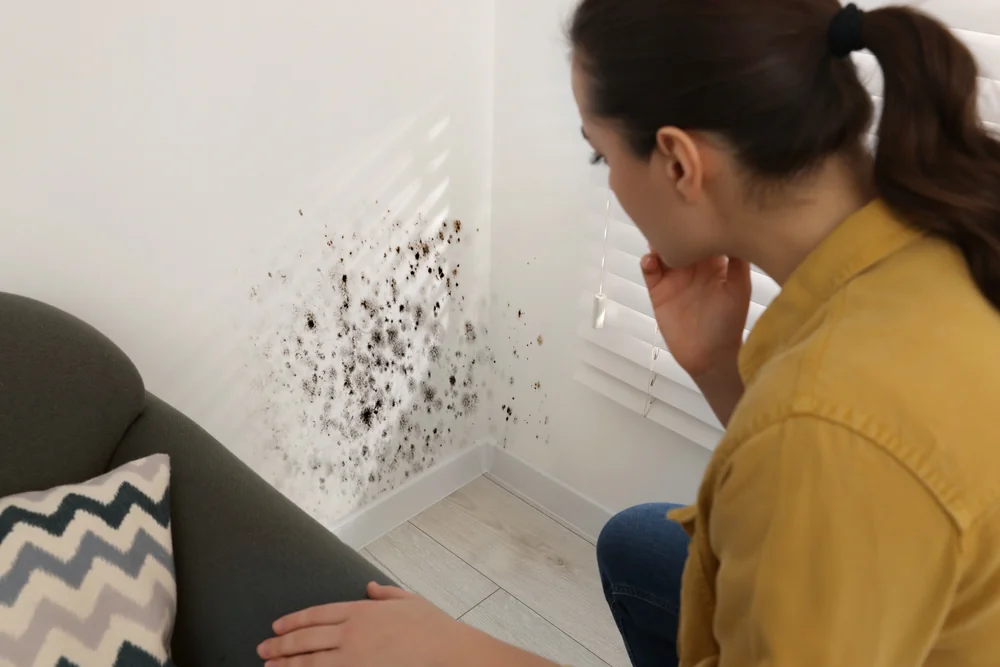
Hear from Our Customers
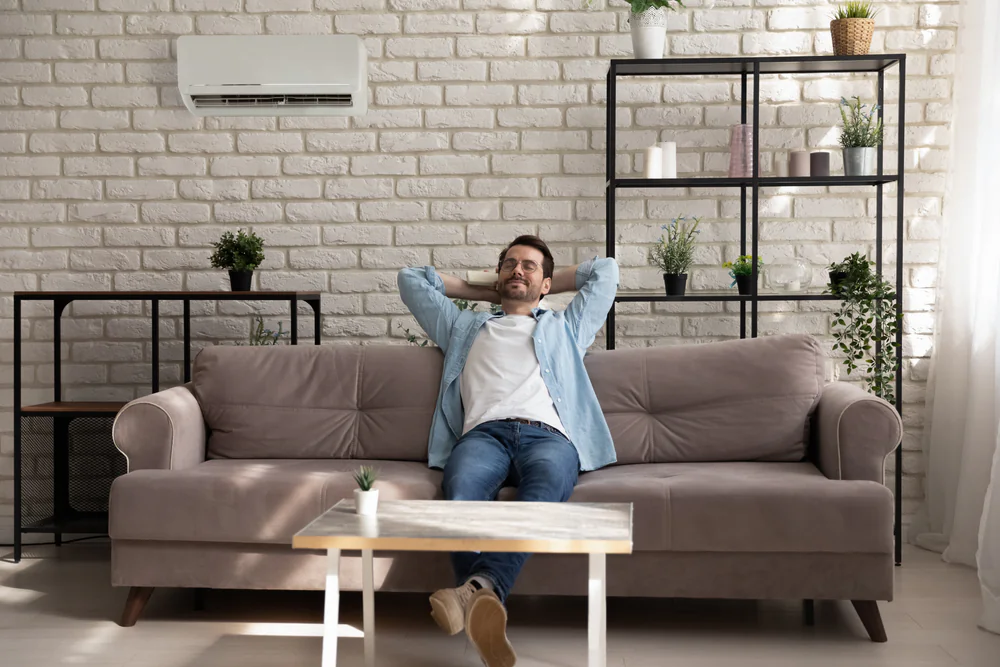
You’ve noticed the symptoms. Maybe it’s the musty smell in the basement that won’t go away. Maybe your kids’ allergies seem worse at home than anywhere else. Maybe you’re just wondering if that water damage from last year left something behind.
Most homeowners don’t realize their indoor air can be two to five times more polluted than the air outside. That’s not a scare tactic—it’s what happens when mold spores, dust, chemicals, and allergens build up in spaces that trap moisture. Bucks County’s humid summers make it worse, with indoor humidity regularly hitting 75-80% during peak season.
A home air quality test gives you actual data. You’ll know if mold is growing behind your walls, if your HVAC system is circulating contaminated air, or if that “old house smell” is actually a health risk. Once you know what’s there, you can fix it. Until then, you’re guessing.
We’ve been helping Bucks County homeowners protect their families and their property investments for years. We’re not a franchise following a script—we’re local specialists who understand what Siles homes deal with: basement moisture, seasonal humidity swings, and the kind of mold problems that develop when older homes meet Pennsylvania weather.
We use EPA-approved methods and professional-grade equipment to test your indoor air quality. That means thermal imaging to find hidden moisture, calibrated monitors to measure pollutant levels, and lab analysis to identify exactly what type of mold you’re dealing with. We don’t upsell services you don’t need. We show you what’s actually there and explain what it means for your home.
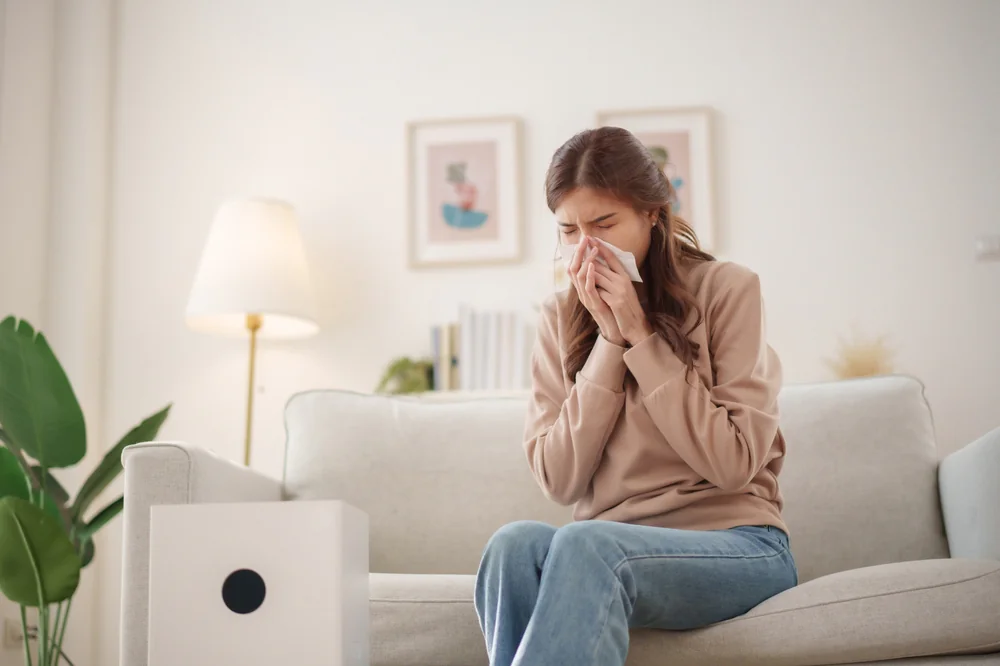
We start with a free inspection of your property. That means walking through your home, checking the areas where mold and moisture problems typically show up—basements, bathrooms, attics, crawl spaces—and using moisture meters and thermal imaging to find issues you can’t see with your eyes alone.
If we find signs of contamination, we collect air samples from different areas of your home. These samples get sent to a certified lab that identifies the specific types and concentrations of mold spores, allergens, and other pollutants present. You’re not getting a yes-or-no answer; you’re getting measurable data about what’s in your air and whether it’s at levels that pose a health risk.
Once the lab results come back, we walk you through what they mean in plain language. If there’s a problem, we explain what’s causing it, how serious it is, and what your options are for fixing it. If remediation is needed, we handle that too—and we provide documentation throughout the process for insurance claims or real estate transactions.
Ready to get started?
Your residential air quality testing includes a complete visual inspection of your property, moisture detection using calibrated meters, thermal imaging to identify hidden water damage, and air sampling with professional-grade equipment. We’re looking for mold spores, volatile organic compounds, allergens, and other contaminants that affect your indoor environment.
Siles homes face specific challenges. The area’s humidity creates ideal conditions for mold growth, especially in older homes with basements prone to moisture seepage. Mold can start growing within 24 to 48 hours after water exposure, and once it’s established, it releases spores continuously. You might not see it, but you’re breathing it.
We also test surfaces where visible mold is present to identify the species. That matters because different types of mold require different remediation approaches. Black mold gets attention, but other species can be just as problematic depending on concentration and exposure. Our testing tells you exactly what you’re dealing with so there’s no guesswork in the solution.
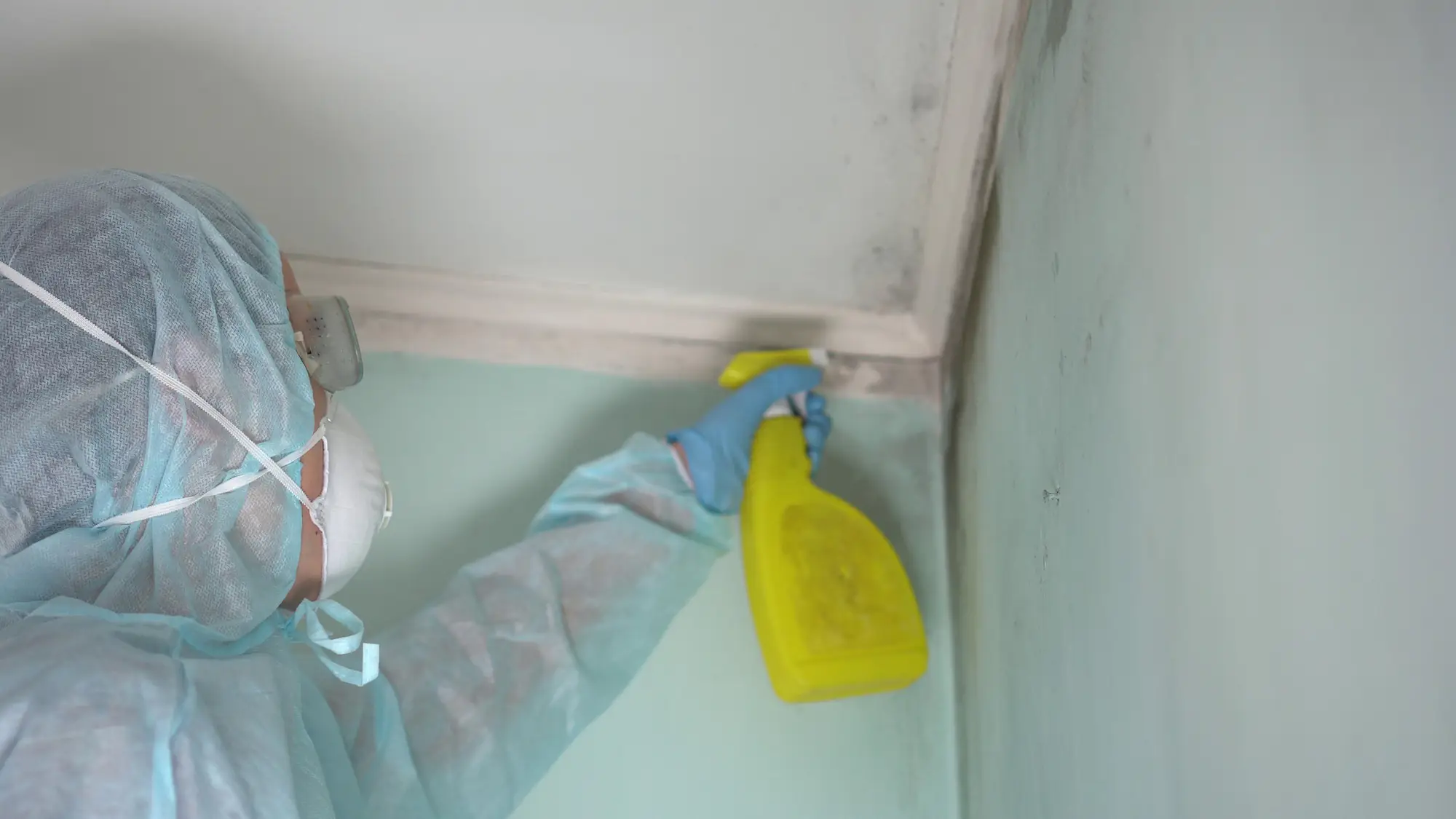
If you’re experiencing allergy symptoms that get better when you leave the house, that’s a red flag. Same goes for persistent musty odors, visible mold growth anywhere in your home, or recent water damage from leaks, floods, or humidity issues. A lot of homeowners also test after buying an older property or before listing their home for sale.
You should also consider testing if anyone in your household has respiratory issues, asthma, or a compromised immune system. Mold exposure increases respiratory illness rates by 30-50%, and about 21% of asthma cases are linked to mold in homes. Those aren’t small numbers.
Testing every three to five years is a smart preventive measure even if you’re not noticing symptoms. Indoor air quality can degrade gradually, and catching problems early saves you from expensive remediation down the road.
We’re measuring the concentration of airborne particles and contaminants in your home. That includes mold spores, dust, pollen, pet dander, volatile organic compounds from cleaning products or building materials, and other allergens. The test identifies what’s present and whether the levels are high enough to cause health problems.
For mold specifically, we’re identifying the species and the spore count per cubic meter of air. Some mold is always present in any environment, but when counts get elevated—especially for toxic species—that’s when you have a problem. Lab analysis tells us exactly which types are growing and whether they’re at dangerous levels.
We also use moisture meters and thermal imaging during the inspection. High moisture readings indicate conditions where mold is likely growing even if you can’t see it yet. Thermal imaging shows us temperature variations that reveal hidden water damage behind walls or under floors.
The on-site inspection and air sampling usually take one to two hours depending on the size of your home and how many areas we’re testing. We’re thorough but efficient—we’re not going to waste your time.
Lab results typically come back within three to five business days. Once we have them, we schedule a follow-up to review the findings with you. We explain what the numbers mean, show you where problems are located, and discuss your options if remediation is needed.
If you’re dealing with an urgent situation—like a major water event or someone in your home having severe reactions—we can expedite the process. We also offer 24/7 emergency service for situations that can’t wait.
No. Air quality testing is non-invasive. We’re collecting air samples using specialized pumps and collection devices, taking surface samples with swabs or tape lifts where visible mold is present, and using handheld meters and cameras to check moisture and temperature. Nothing gets torn apart, and there’s no mess to clean up afterward.
If we do find evidence of hidden mold and you decide to move forward with remediation, that’s a separate process with its own scope of work. But the testing itself doesn’t require cutting into walls or removing materials.
The equipment we use is professional-grade and calibrated for accuracy. We’re talking about high-sensitivity monitors, optical particle counters, and thermal imaging cameras—tools that cost well over $10,000 and give us precise data without needing to be destructive.
We offer free inspections to assess your situation and determine what level of testing is appropriate. If air sampling and lab analysis are needed, costs vary based on how many samples we collect and what specific tests are required. A basic mold air test for a single area is different from comprehensive testing throughout a larger home.
What you’re paying for is accurate information. DIY test kits from hardware stores are cheap, but they’re not reliable. They often produce false positives or miss problems entirely because they’re not calibrated properly and don’t include professional interpretation of results.
Professional testing gives you documentation that holds up for insurance claims, real estate transactions, and legal purposes if needed. It also ensures you’re not spending money on remediation you don’t need—or worse, ignoring a problem that’s actually serious.
We walk you through the results and explain what needs to happen next. If mold is present at elevated levels, we identify the source of moisture feeding it and recommend a remediation plan. That might mean removing contaminated materials, treating affected areas with EPA-approved solutions, and fixing the underlying moisture problem so it doesn’t come back.
We handle the remediation ourselves using certified specialists and professional equipment. We also work directly with insurance companies to document the damage and help with claims. You’re not figuring this out alone or coordinating between multiple contractors.
After remediation is complete, we do post-testing to confirm the air quality is back to safe levels. You get documentation showing the problem was properly addressed. That matters for your peace of mind, your family’s health, and your home’s value if you ever sell.
Other Services we provide in Siles