
Hear from Our Customers
You can’t see most air contaminants. Mold spores, volatile organic compounds, and other pollutants circulate through your home without any visible signs. By the time you notice symptoms—headaches, fatigue, respiratory issues—you’ve already been exposed.
A home air quality test removes the guesswork. You get scientific data about what’s actually in your air, not assumptions based on how you feel or what you think you smell. That data tells you if there’s a problem, how serious it is, and what needs to happen next.
Indoor air quality matters more in Sellersville than you might think. Pennsylvania’s humid summers and temperature swings create conditions where moisture problems develop fast. Homes here deal with basement humidity, poor ventilation in older construction, and HVAC systems that circulate the same contaminated air for months. A professional air quality testing service identifies these issues before they affect your health or require expensive remediation.
We serve homeowners across Sellersville and Bucks County with residential air quality testing that follows EPA standards. We use calibrated equipment—not consumer-grade monitors—to measure what’s in your air.
Sellersville’s housing stock includes everything from historic homes to newer construction, and each presents different air quality challenges. Older homes often lack proper ventilation. Newer homes are sealed tight, trapping contaminants inside. We’ve tested air in both, and we know what to look for in this area.
You’re not getting a salesperson who pushes unnecessary services. You’re getting an IICRC-certified technician who tests your air, explains the results in plain language, and tells you what actually needs to happen.

We start with a visual inspection of your home. This includes checking areas where moisture accumulates—basements, crawl spaces, bathrooms, around windows, and near HVAC systems. We use infrared cameras and moisture meters to find hidden water damage that creates mold growth.
Next comes air sampling. We collect air samples from multiple rooms in your home, plus an outdoor sample for comparison. These samples capture airborne particles, including mold spores, allergens, and other contaminants. Surface testing may also be necessary if we see visible growth or staining.
The samples go to an accredited lab for analysis. You get a detailed report that identifies specific contaminants, their concentration levels, and whether those levels pose health risks. We review the results with you and explain what they mean for your home. If remediation is needed, we provide a clear action plan with upfront pricing.
The entire process typically takes a few days from inspection to results. If you’re dealing with an urgent situation—water damage, strong odors, or immediate health concerns—we prioritize your testing and can expedite lab analysis.
Ready to get started?
Your indoor air quality test includes a complete home inspection using professional-grade detection equipment. We check moisture levels, inspect ventilation systems, and identify potential contamination sources. You’re not paying for a quick walk-through—you’re getting a thorough evaluation of your home’s air quality conditions.
Air sampling captures what’s circulating through your home right now. We test multiple areas because air quality varies by room. Basements often show different contaminant levels than bedrooms. HVAC systems can spread pollutants from one area throughout your entire home. Multiple samples give you accurate data about your whole house.
Sellersville homes face specific air quality challenges. The area’s humidity levels—especially during summer months—create ideal conditions for mold growth. Many homes here have basements that stay damp year-round. Older homes may have inadequate ventilation that traps moisture and contaminants inside. Your testing accounts for these local factors.
You receive lab-certified results that identify specific mold types, spore concentrations, and other air quality concerns. The report includes health risk assessments and clear recommendations. If remediation is necessary, we provide detailed estimates and work with your insurance company to simplify the claims process.
You need testing if anyone in your home experiences unexplained respiratory issues, allergies, headaches, or fatigue that improve when they leave the house. These symptoms often indicate poor indoor air quality, but you can’t identify the cause without testing.
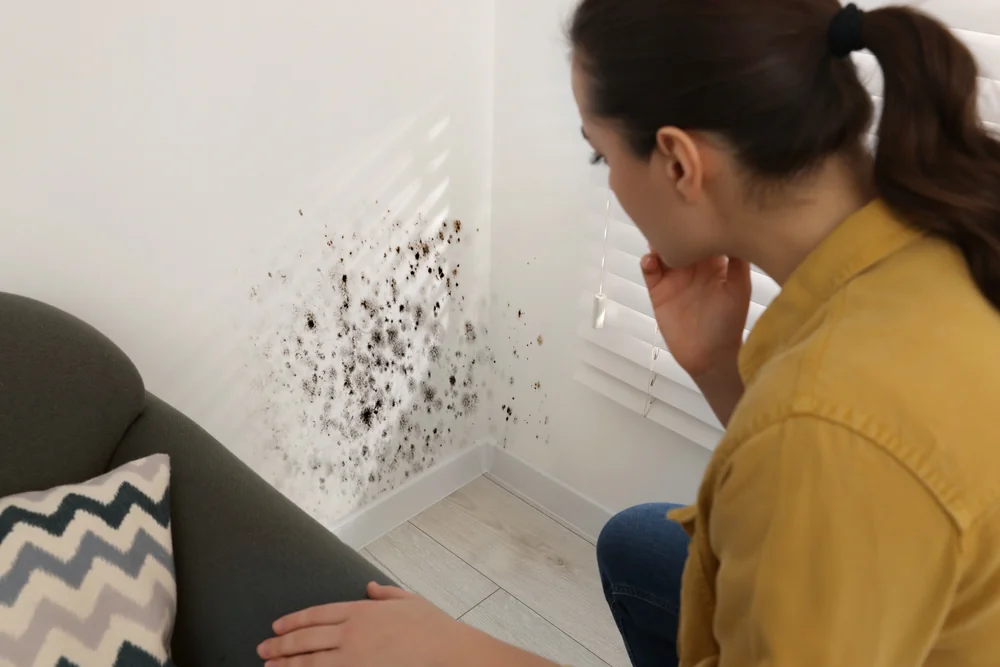
You also need testing if you’ve had water damage, see visible mold growth, smell musty odors, or are buying or selling a home in Sellersville. Water damage—even if it’s been dried—often leads to mold growth inside walls or under flooring where you can’t see it. A mold air test confirms whether spores are circulating through your home.
Testing is also smart if your home has been closed up for extended periods, if you have poor ventilation, or if you’re experiencing higher-than-normal humidity levels. Pennsylvania’s climate means many Sellersville homes deal with moisture problems that homeowners don’t notice until mold becomes visible or health symptoms develop.
Consumer air quality monitors measure basic metrics like humidity, temperature, and sometimes particulate matter. They don’t identify specific contaminants, measure mold spore concentrations, or provide the scientific accuracy needed to make health decisions.
Professional air quality testing uses calibrated equipment and lab analysis to identify exactly what’s in your air. We can tell you which mold species are present, their concentration levels, and whether those levels exceed safe thresholds. We test for a full spectrum of contaminants that DIY monitors can’t detect—including specific allergens, volatile organic compounds, and other pollutants.
Lab-certified results also carry weight with insurance companies, real estate transactions, and health professionals. If you need documentation for a claim or property disclosure, consumer monitors won’t provide the evidence you need. Professional testing gives you data you can actually use to protect your health and property value.
The on-site inspection and air sampling typically take two to three hours, depending on your home’s size and the number of areas we’re testing. We inspect your entire home, collect air samples from multiple rooms, and may perform surface testing if we identify visible contamination.
Lab analysis usually takes three to five business days. You receive a detailed report that identifies specific contaminants, their concentration levels, and health risk assessments. We review the results with you and answer any questions about what the data means for your home.
If you’re dealing with an emergency situation—recent flooding, strong chemical odors, or severe health symptoms—we can expedite testing and request rush lab processing. In urgent cases, we can often provide preliminary findings within 24 to 48 hours so you can take immediate action if necessary.
Air quality testing is non-invasive. We don’t cut into walls, remove flooring, or damage your property during the inspection and sampling process. We use visual inspection, moisture meters, infrared cameras, and air sampling equipment that doesn’t require any demolition.
You can stay in your home during testing, though we may ask you to avoid certain areas while we’re collecting samples to prevent contamination. The process is quiet and doesn’t create dust, odors, or mess. Most homeowners continue their normal routines while we work.
If testing reveals contamination that requires remediation, that’s a separate process with its own timeline and procedures. We’ll explain exactly what remediation involves before any work begins, including how long it will take and what disruption to expect. Testing itself causes no damage and minimal interruption to your day.
Testing costs vary based on your home’s size, the number of samples needed, and the type of analysis required. A basic mold air test for an average-sized home typically ranges from $300 to $600. Comprehensive testing that includes multiple contaminant types and extensive sampling costs more.
We provide upfront pricing before we start any work. You’ll know exactly what you’re paying for—inspection time, number of samples, lab analysis, and results review. No surprise charges. We also offer free initial inspections to assess your situation and provide a detailed estimate.
Many homeowners find that testing costs less than they expected, especially compared to the cost of ignoring air quality problems. Undetected mold can cause thousands of dollars in property damage and create serious health issues that lead to medical expenses. Testing gives you the information you need to address problems early, before they become expensive emergencies. We also work with insurance companies, and many policies cover testing and remediation costs related to covered water damage events.
If testing identifies elevated mold levels or other contaminants, we provide a detailed action plan based on your specific results. The plan includes what needs to be removed or cleaned, how we’ll contain the affected areas to prevent spread, and the timeline for completing remediation work.
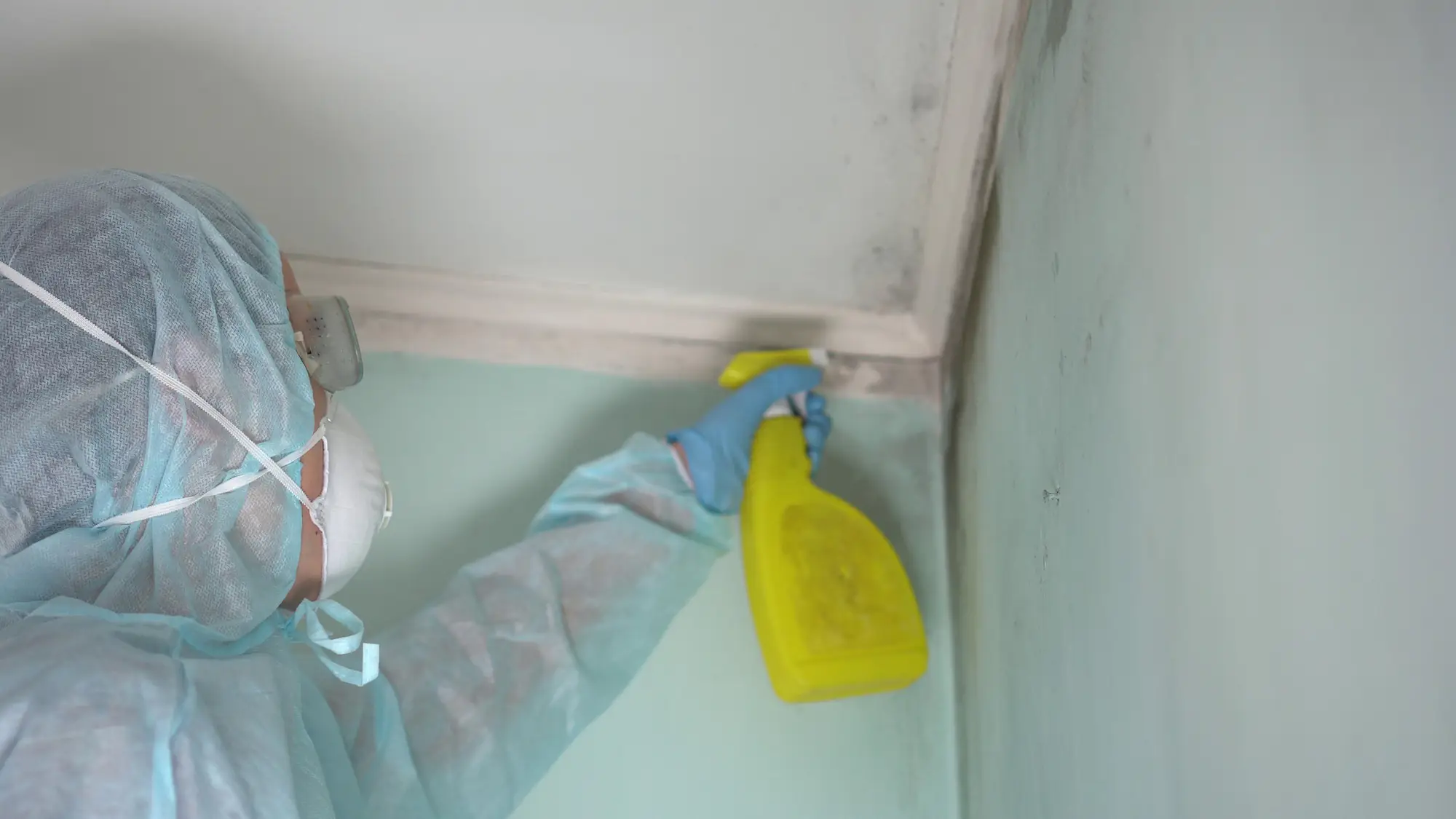
We follow EPA standards for safe mold remediation. This includes containment procedures to isolate contaminated areas, HEPA filtration to capture airborne spores, removal of affected materials, and thorough cleaning of surfaces. We don’t just treat visible mold—we address the moisture source that caused the problem so it doesn’t come back.
You receive clear pricing before remediation begins, and we work directly with your insurance company to handle claims paperwork. After remediation is complete, we perform post-remediation testing to confirm that spore levels have returned to normal and your home’s air quality is safe. You get documentation showing the work was done correctly and your home is clear.
Other Services we provide in Sellersville