
Hear from Our Customers
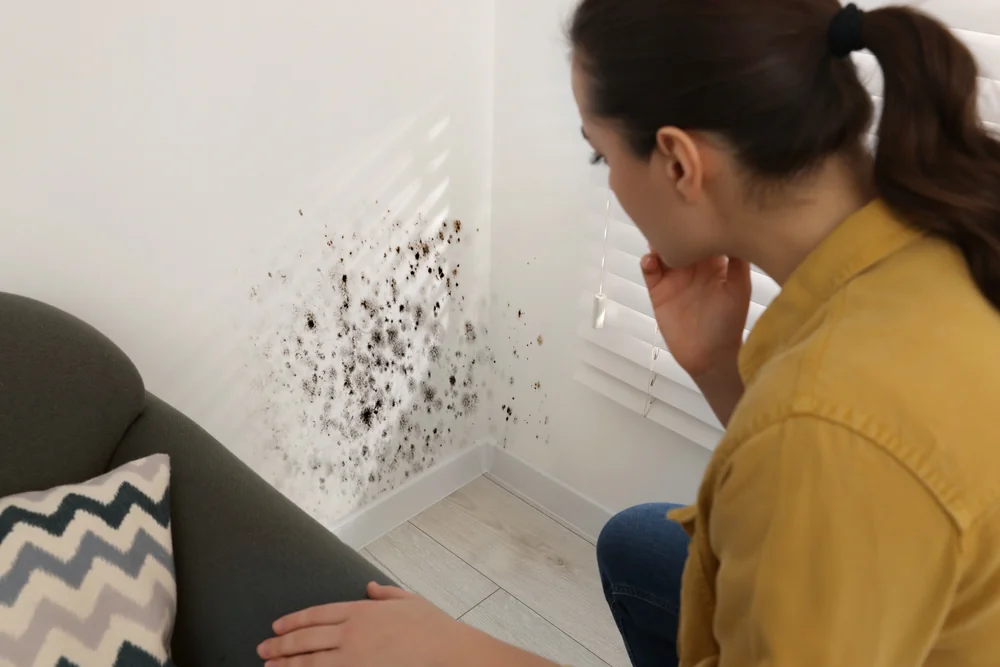
You’ve noticed the pattern. The coughing that starts after dinner. The headaches that fade when you’re at work. The allergies that never quite go away, even with medication.
Something in your house is making you sick. You just don’t know what.
A home air quality test gives you actual answers. We measure mold spore levels in every room. We identify moisture problems hiding behind walls. We test for allergens and airborne contaminants that over-the-counter kits completely miss.
You get a detailed report that breaks down exactly what’s in your air and where it’s coming from. No medical jargon. No vague recommendations. Just clear information about what’s wrong and what needs to happen next.
Most families in Red Cedar Hill don’t realize their home has a problem until someone ends up with chronic respiratory issues. By then, the mold has spread. The damage costs thousands to fix. Testing catches it early, when it’s still manageable.
We’ve spent over twenty years testing air quality in Bucks County homes. We know how the humid summers here create perfect conditions for mold growth. We know where moisture hides in older Red Cedar Hill properties.
We’re not a national franchise reading from a script. We’ve tested thousands of local homes. We understand what basements do in this climate. We know which building materials trap moisture and which ventilation problems show up in attached townhouses versus detached single-family homes.
When we test your air, we’re looking at it through the lens of what actually happens in this area. That local experience matters when you’re trying to figure out why your house is making you sick.

We start with a free inspection to assess your situation. You tell us what you’ve noticed—the symptoms, the smells, the areas that concern you. We look at the spaces where problems typically hide.
Then we schedule the actual testing. We use air sampling equipment to measure mold spore levels in multiple rooms. We check humidity levels throughout your home. We use thermal imaging to identify moisture behind walls and under flooring. We test surfaces in areas that look suspicious.
The equipment runs for several hours. We’re collecting data the whole time—measuring what’s actually in your air, not just what’s visible on surfaces.
You get a comprehensive report within days. It shows mold spore counts for each room, identifies specific types of mold present, maps out moisture problems, and lists other airborne contaminants we detected. We explain what the numbers mean and walk you through the recommended next steps.
If remediation is needed, we handle that too. If it’s a ventilation issue or a minor fix, we’ll tell you that instead. The goal is accurate information, not upselling services you don’t need.
Ready to get started?
A residential air quality testing service should tell you more than “you have mold.” You need specifics.
Our testing identifies the exact types of mold growing in your home. That matters because some molds are significantly more dangerous than others. We measure spore counts in each room so you know which areas are worst. We use moisture detection equipment to find the source—not just the symptoms.
We test for more than mold. Formaldehyde, volatile organic compounds, allergens—if it’s in your air, we’re measuring it. Bucks County’s older housing stock often has multiple air quality issues happening at once. You need to know about all of them.
The report includes specific recommendations based on what we find. If you have elevated mold levels in your basement but not upstairs, that changes the remediation approach. If moisture is coming from a specific wall, we identify it so you’re not guessing where to start repairs.
We also explain what’s normal and what’s not. Some mold spores are always present in indoor air. The question is whether your levels are high enough to cause health problems. We give you that context so you can make informed decisions about your home and your family’s health.
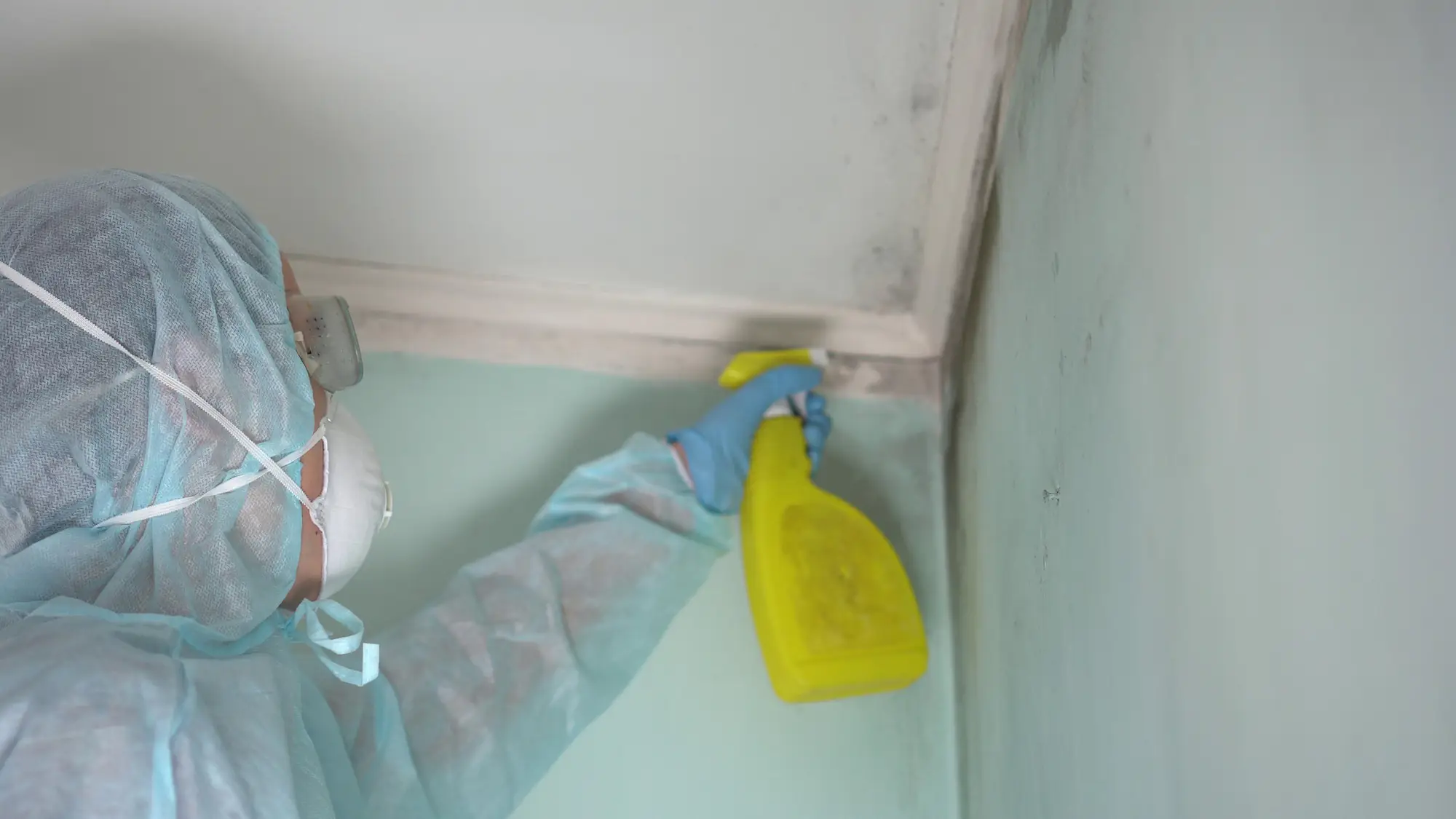
You need testing if anyone in your house has respiratory symptoms that improve when they leave. Persistent coughing, sneezing, watery eyes, headaches, or allergy symptoms that won’t quit—these are signs that something in your indoor air is the problem.
You also need testing if you’ve had water damage, even if it was months ago. Mold grows within 24-48 hours of water exposure, and it often grows in places you can’t see. Behind drywall. Under flooring. Inside HVAC systems.
Musty smells are another red flag. If your basement smells off or certain rooms have an odor you can’t explain, that’s mold releasing spores into your air. Testing tells you how bad it is and where it’s coming from.
Store-bought kits test one small area. They tell you if mold is present, which isn’t particularly useful—mold is present in almost every home. The question is how much and what type.
Professional air quality testing measures mold spore levels throughout your entire home. We sample multiple rooms. We use calibrated equipment that counts spores per cubic meter of air. We identify specific mold species, which matters because some are toxic and some aren’t.
We also test for things DIY kits miss entirely. Moisture levels behind walls. Airborne allergens. Volatile organic compounds. A comprehensive indoor air quality test gives you the full picture, not just a yes/no answer about whether mold exists somewhere in your house.
Professional testing also includes interpretation. The numbers don’t mean much if you don’t know what’s normal for this area. We explain what your results mean and what action you should take.
The initial inspection takes about an hour. We walk through your home, look at problem areas, and discuss what you’ve noticed. That helps us determine where to focus the testing.
The actual testing takes several hours. We set up air sampling equipment in multiple rooms and let it run. You don’t need to be home the entire time, but someone needs to be there when we arrive and when we wrap up.
You’ll have results within a few days. We send you a detailed report and then schedule a follow-up call to walk through the findings. That conversation usually takes 30-45 minutes, depending on how many questions you have.
If you need remediation, we can start that process immediately. If the issues are minor, we’ll give you specific guidance on what to fix yourself. The timeline from testing to resolution depends on what we find.
No. Air quality testing is non-invasive. We’re measuring what’s already in your air, not cutting into walls or pulling up flooring.
We use air sampling equipment that sits in each room and collects spores. We use thermal imaging and moisture meters to detect problems behind surfaces without damaging anything. If we need a surface sample, we use tape or a swab—nothing that leaves marks or requires repair.
The only time we’d recommend opening up walls is if testing reveals a serious moisture problem in a specific area and you need to see the extent of the damage before planning remediation. But that’s a separate decision you make after seeing the test results. The testing itself doesn’t require any demolition.
This is different from mold remediation, which often does involve removing damaged materials. But you’ll know exactly what needs to happen before any work begins.
Testing costs vary based on the size of your home and how many areas need sampling. A typical residential air quality test for a single-family home in Red Cedar Hill runs between $400 and $800.
That includes air sampling from multiple rooms, moisture detection, thermal imaging, lab analysis of the samples, and a detailed report with recommendations. You’re paying for accurate equipment, professional interpretation, and actionable information.
It’s worth comparing that cost to what happens if you don’t test. Mold remediation for a home with widespread contamination can easily cost $5,000 to $15,000. Structural damage from long-term moisture problems costs even more. Testing catches problems early when they’re cheaper to fix.
We offer a free initial inspection. That gives you a chance to show us what’s going on and get a more accurate quote based on your specific situation. No pressure, no obligation—just information so you can decide if testing makes sense for your home.
Yes. Indoor air quality testing identifies the specific triggers that worsen asthma symptoms. Mold spores are a major one—studies show that 21% of asthma cases result from mold exposure. But it’s not the only culprit.
We test for allergens like dust mites and pet dander. We measure volatile organic compounds that irritate airways. We check for elevated humidity levels that make breathing harder. All of these things show up in your test results.
If your asthma improves when you’re away from home, that’s a strong indicator that something in your indoor air is the problem. Testing pinpoints what it is so you can address the actual cause instead of just managing symptoms with medication.
This is especially important for kids. Research shows that infants in moldy homes are three times more likely to develop asthma by age seven. If you have young children and you’re concerned about air quality, testing gives you the information you need to protect their long-term respiratory health.
Other Services we provide in Red Cedar Hill