
Hear from Our Customers
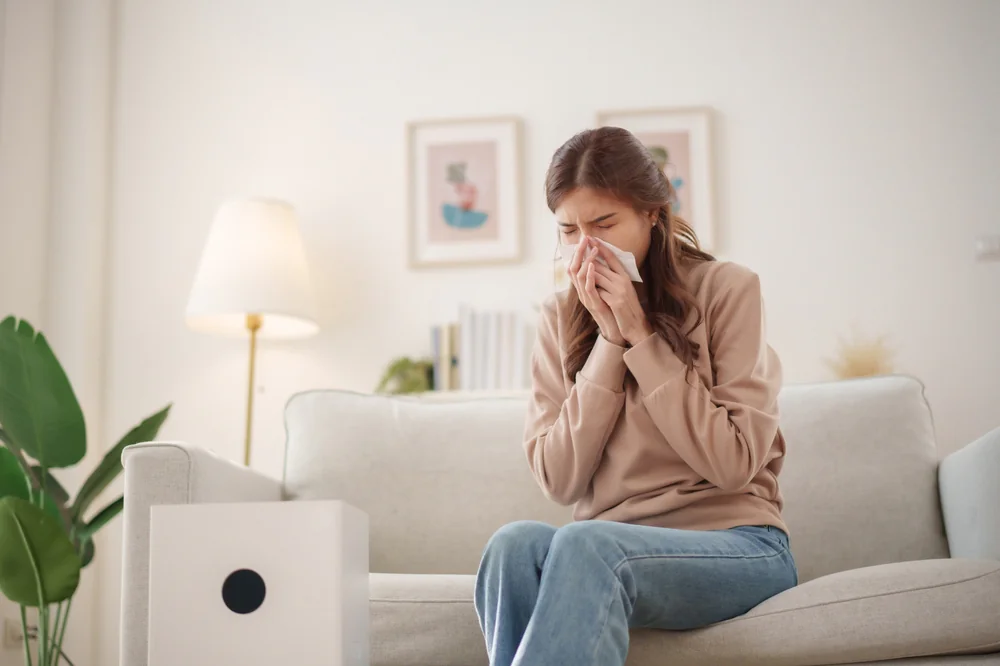
You’re dealing with headaches that won’t quit. Allergies that flare up only at home. Kids with constant congestion or an elderly parent whose asthma keeps getting worse. You’ve cleaned, changed filters, opened windows—but nothing changes.
Here’s what most people don’t realize: your indoor air is likely two to five times more polluted than the air outside. Mold spores, radon gas, VOCs, dust mites, pet dander—they all collect indoors where your family spends most of their time. And because indoor air pollution isn’t regulated by any government agency, it’s entirely on you to figure out if there’s a problem.
A home air quality test gives you actual data. Not guesses. Not assumptions. You’ll know exactly what’s in your air, at what levels, and whether it’s affecting your family’s health. From there, you can make informed decisions about remediation, ventilation, or whether you need mold testing and removal.
We serve Oxford Valley and the surrounding Bucks County area with residential air quality testing and mold remediation services. We’re not a national franchise. We’re local, and we understand what homeowners here are up against.
Pennsylvania has one of the worst radon problems in the country—40% of homes test above EPA action levels. Bucks County schools have reported mold, lead, and radon issues at alarming rates. This isn’t a scare tactic. It’s reality. And it means your home deserves a closer look.
We use visual inspections, air sampling, and surface testing to detect mold, allergens, and airborne contaminants. You get a full report. You get explanations in plain language. And if something needs to be fixed, we’ll walk you through what that looks like.
First, we schedule a time that works for you. When we arrive, we’ll do a walkthrough of your home to identify areas of concern—basements, bathrooms, attics, anywhere moisture or poor ventilation might be an issue.
Next, we collect air samples from multiple rooms using professional-grade equipment. We’re looking for mold spores, allergens, particulate matter, and other contaminants. If you’re concerned about radon or carbon monoxide, we can test for those too. Surface testing may also be done if we spot visible growth or discoloration.
Samples get sent to a certified lab for analysis. Within a few days, you’ll receive a detailed report that breaks down what we found, what levels are considered safe, and where your home stands. If there’s an issue, we’ll explain what’s causing it and what your options are for fixing it. No pressure. Just information.
Ready to get started?
Our residential air quality testing includes a full visual inspection, air sampling from multiple locations, and surface testing when needed. We test for mold spores, allergens, dust, pollen, pet dander, VOCs, and other airborne pollutants that affect indoor air quality.
In Oxford Valley and throughout Bucks County, radon is a serious concern. It’s an odorless, radioactive gas that seeps through foundation cracks and can cause lung cancer over time. We offer radon testing as part of our service because Pennsylvania’s rates are among the highest in the nation. Ignoring it isn’t an option.
You’ll also get a written report with lab results, explanations of what each contaminant means for your health, and recommendations for next steps. If mold remediation is needed, we handle that too—from identifying the source to safe removal and prevention. The goal isn’t just to test. It’s to give you a clear path forward so your home is safe and your family can breathe easier.
Cost depends on the size of your home and what you’re testing for. A basic indoor air quality test that checks for mold spores, allergens, and particulates typically runs a few hundred dollars. If you add radon testing or want samples from multiple rooms, the price goes up.
But here’s the thing: the cost of not testing can be a lot higher. Mold remediation alone can run anywhere from $1,400 to $3,300, and that’s if you catch it early. If mold spreads or causes structural damage, you’re looking at thousands more. Health costs add up too—asthma, respiratory infections, and chronic allergies aren’t cheap to manage.
If you’re buying a home, dealing with unexplained health symptoms, or just moved into an older property in Bucks County, testing is worth it. You’re not paying for peace of mind. You’re paying for information that could save you money and protect your family’s health.
A professional air quality test detects mold spores, allergens like pollen and pet dander, dust mites, particulate matter, and volatile organic compounds (VOCs). VOCs come from cleaning products, paints, furniture, and building materials—they’re chemicals that off-gas into your air and can cause headaches, dizziness, and respiratory irritation.
We also test for radon if requested. Radon is a radioactive gas that’s common in Pennsylvania and can’t be detected without specialized equipment. It’s the second leading cause of lung cancer in the U.S., and 40% of Pennsylvania homes have levels above the EPA’s action guideline.
Surface testing can identify specific mold species if we see visible growth. Air sampling captures what’s floating around that you can’t see. The combination gives you a complete picture of what’s in your home’s air and whether it’s at levels that could harm your health.
The actual testing appointment usually takes one to two hours, depending on the size of your home and how many rooms we’re sampling. We’ll walk through your home, collect air samples, do surface testing if needed, and answer any questions you have on the spot.
Lab analysis takes a few days. Most results come back within three to five business days. Once we have your report, we’ll go over the findings with you—what we detected, what the levels mean, and whether any action is needed.
If you requested a quote online, expect a callback within 24 to 48 hours to schedule your test. We’re not going to leave you waiting. The faster you get tested, the faster you’ll know if there’s a problem and what to do about it.
Test your air if anyone in your home is dealing with unexplained allergies, frequent colds, chronic congestion, headaches, or fatigue that gets better when you leave the house. Those are classic signs of poor indoor air quality, and they often point to mold, dust, or other airborne contaminants.
You should also test after water damage, flooding, or any time you’ve had a leak—even a small one. Mold can start growing within 24 to 48 hours, and it’s not always visible. If you’re moving into a new home, especially an older one, testing is smart. You don’t know what’s been growing in the walls or basement.
Most experts recommend annual testing if you have kids, elderly family members, or anyone with asthma or respiratory conditions. After major renovations, it’s also a good idea—construction stirs up dust, releases VOCs, and can disturb mold that was dormant. Testing gives you a baseline and catches problems before they get expensive.
You can buy DIY air quality test kits online, and some of them are decent for getting a general sense of what’s going on. But they’re not as accurate or comprehensive as professional testing. DIY kits usually test one room, one time, and don’t account for variables like airflow, humidity, or seasonal changes.
Professional air quality testing uses lab-grade equipment and certified analysis. We collect samples from multiple locations, test for a wider range of contaminants, and provide a detailed report with actual data—not just a color-coded strip. If mold or radon is present, you need to know the species, the concentration, and where it’s coming from. A DIY kit won’t tell you that.
If you’re serious about understanding what’s in your air—and you want results you can act on—professional testing is the way to go. It’s not about upselling you. It’s about accuracy. You can’t fix a problem if you don’t know exactly what it is.
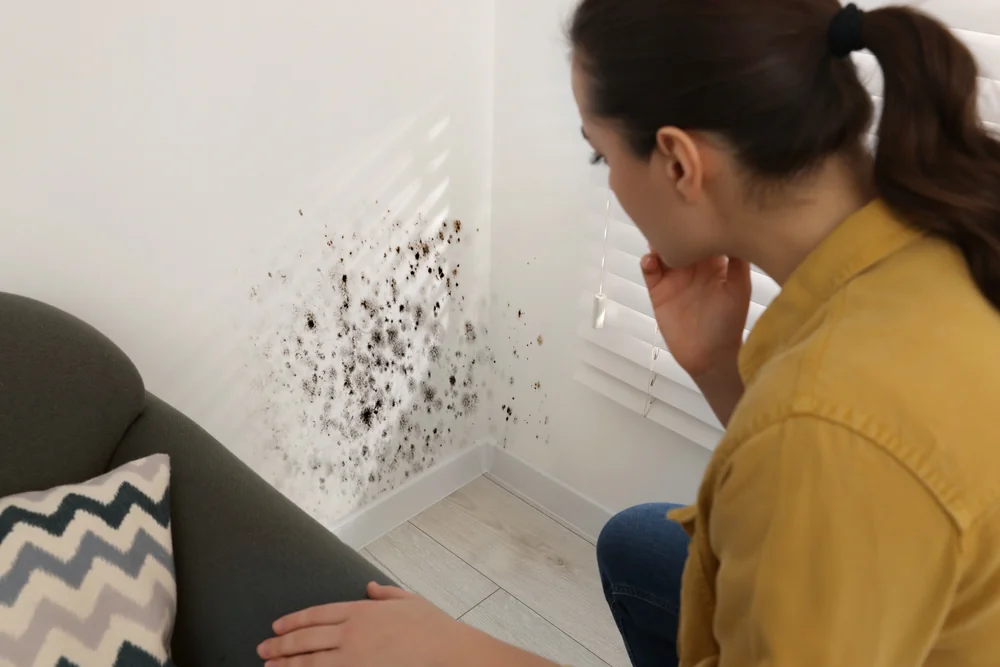
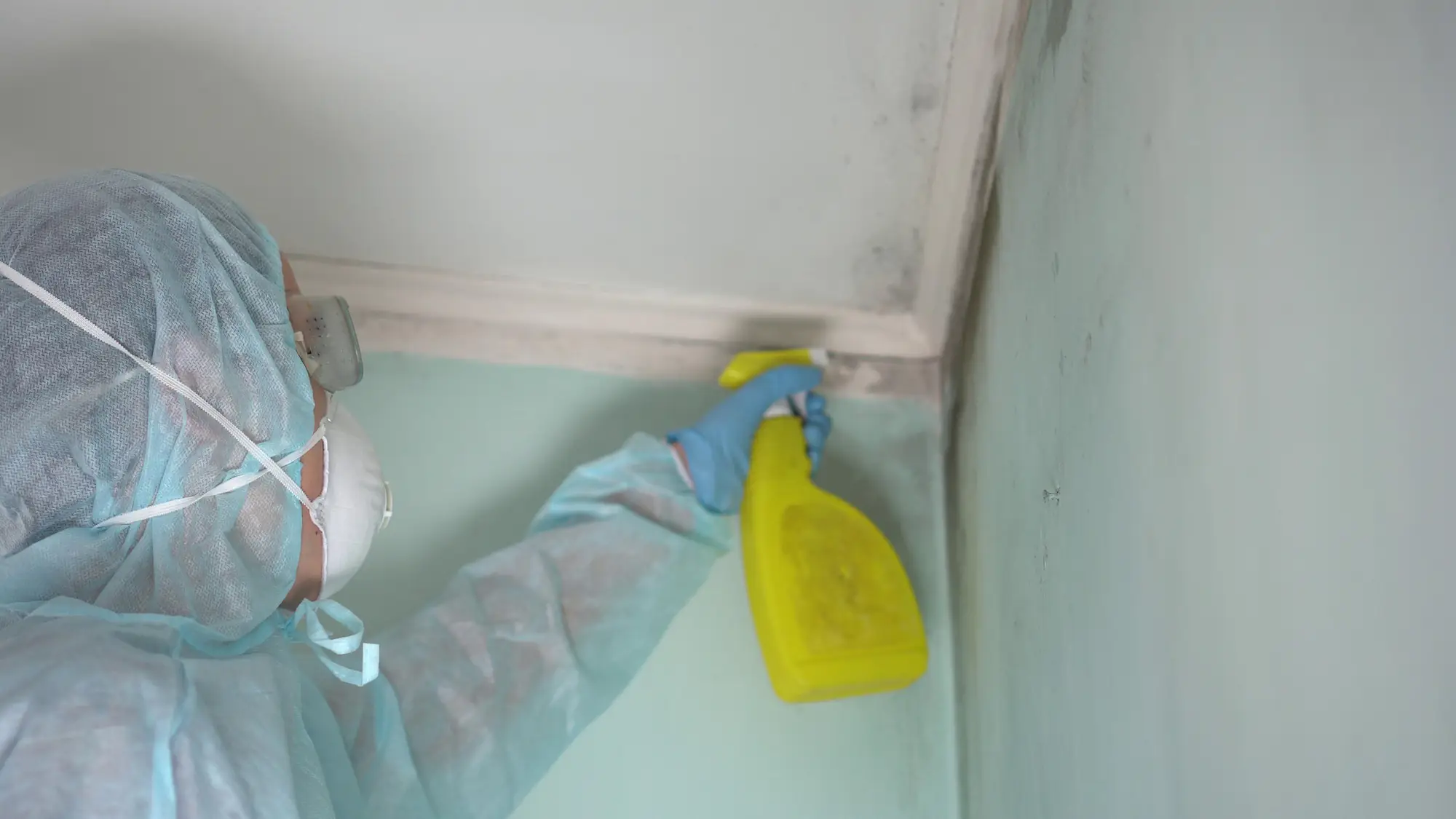
If we find elevated mold levels, the first step is identifying the source. Mold grows where there’s moisture—leaky pipes, roof leaks, poor ventilation, high humidity, or past water damage. We’ll pinpoint where it’s coming from so we can stop it at the source, not just clean up the visible growth.
Next, we’ll walk you through your options for mold remediation. That includes safe removal, containment to prevent spread, and disinfection of affected areas. We also address the underlying cause—whether that’s fixing a leak, improving ventilation, or controlling humidity—so mold doesn’t come back.
Mold remediation costs vary depending on the extent of the problem, but catching it early saves money. Ignoring mold can drop your home’s value by 20% to 37%, and health costs add up fast. If you’re in Oxford Valley or anywhere in Bucks County, mold is common. The key is dealing with it quickly and correctly. We handle both testing and remediation, so you’re not bouncing between companies trying to get the problem fixed.
Other Services we provide in Oxford Valley