
Hear from Our Customers
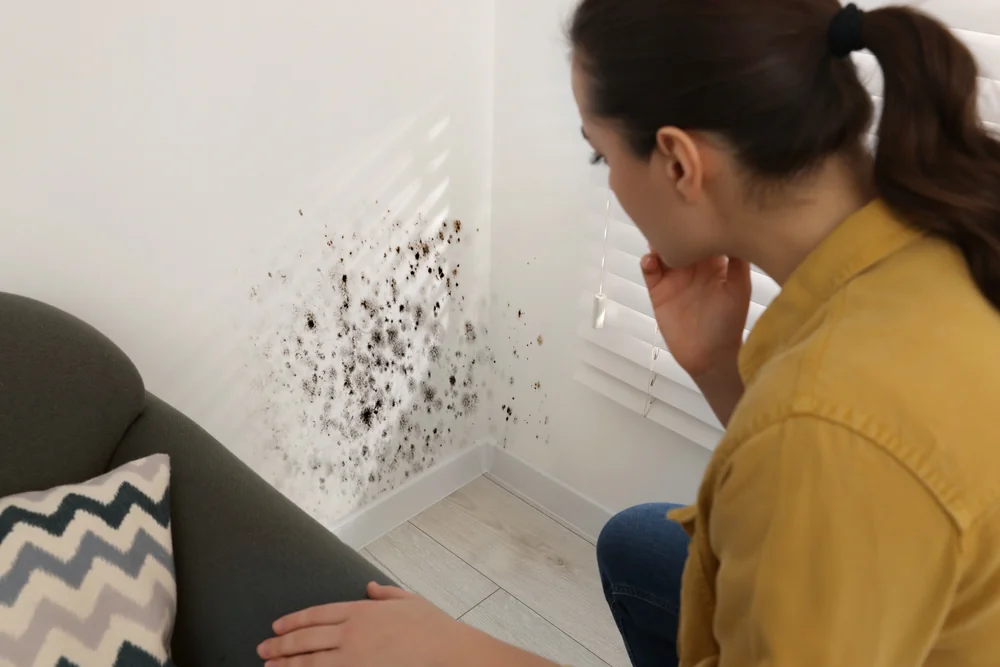
You’re noticing symptoms. Maybe it’s the headaches that won’t quit, or your kid’s asthma acting up more than usual. Maybe it’s just a musty smell you can’t track down. Whatever brought you here, you’re looking for answers, not guesses.
A home air quality test gives you exactly that. We use thermal imaging cameras and calibrated air sampling equipment to detect what you can’t see—mold spores, VOCs, particulate matter, humidity issues. The kind of stuff that builds up in Bucks County homes, especially older ones with basements that stay damp or HVAC systems that haven’t been checked in years.
Once we know what’s there, you know what needs fixing. No more wondering if that cough is seasonal or something worse. No more second-guessing whether your home is safe for your family. Just data, a clear report, and a plan to move forward.
Mack’s Mold Removal has been testing and treating homes across Bucks County for over a decade. Every inspection is handled by certified professionals with more than 10 years of hands-on experience—not a franchise tech reading from a script.
We’re members of the Indoor Air Quality Association and the National Association of Mold Professionals. Our equipment is calibrated, our lab is independent and nationally recognized, and our process is thorough. We don’t just test air—we inspect HVAC systems, check plumbing, and look at the whole picture.
Newportville homes deal with specific challenges. Older construction, fluctuating humidity, proximity to the Delaware River—these aren’t just details. They matter when you’re trying to figure out why your indoor air feels off. We’ve seen it all, and we know how to read the signs.
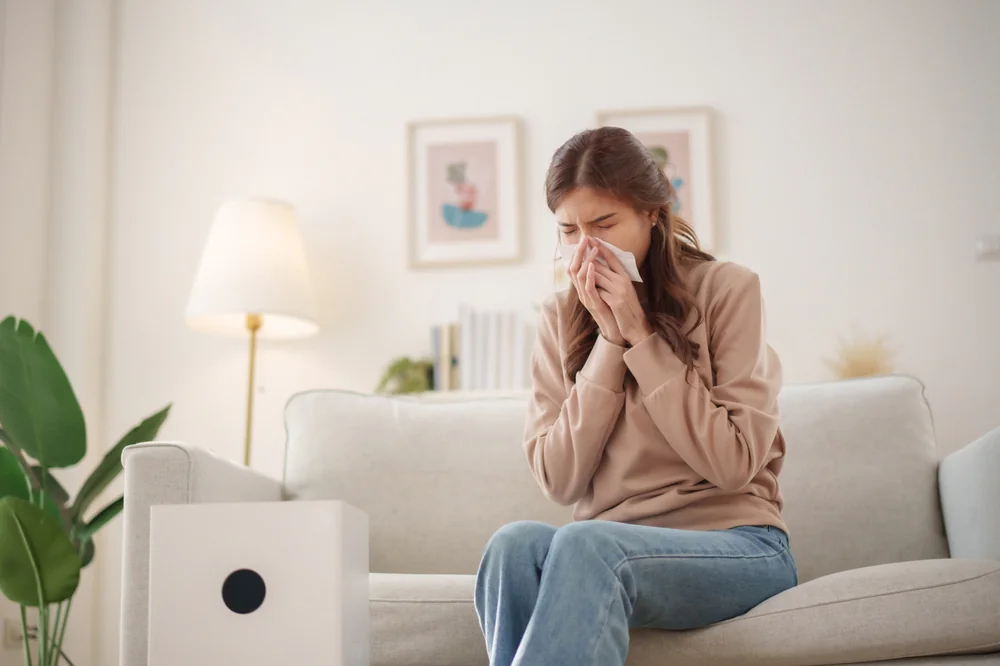
First, we talk. You tell us what you’ve noticed—symptoms, smells, moisture, whatever’s going on. That conversation shapes where we look and what we test for.
Then we inspect. We use thermal cameras to spot temperature differences that indicate moisture or poor insulation. We check humidity levels, examine HVAC systems, and look for visible mold or water damage. If something’s hiding, we’ll find it.
Next, we collect samples. Air samples capture what’s floating around your home—mold spores, dust mites, allergens. Surface samples test specific areas where we see growth or discoloration. Everything gets sent to an independent lab for analysis.
Within a few days, you get a detailed report. It breaks down what we found, what it means for your health, and what needs to happen next. If remediation is necessary, we walk you through it. If it’s a ventilation fix or a dehumidifier, we’ll tell you that too. No upselling. Just honest answers.
Ready to get started?
Every residential air quality testing appointment includes a full consultation, visual inspection, moisture mapping, and air sample collection. We test for mold spores, particulate matter, VOCs, carbon monoxide, and humidity levels. Surface sampling is added when we spot visible growth or suspect hidden contamination.
Bucks County homes—especially in Newportville—often deal with basement moisture and older HVAC systems that circulate stale air. We check both. Our inspections cover ductwork, ventilation, plumbing leaks, and insulation gaps. It’s not just about finding mold. It’s about understanding why your air quality is suffering.
Lab results come back fast, usually within 48 to 72 hours. The report includes contaminant levels, health risk assessments, and remediation recommendations. If mold remediation is needed, we handle that too. If it’s something simpler, we’ll point you in the right direction. You’re not left guessing what to do next.
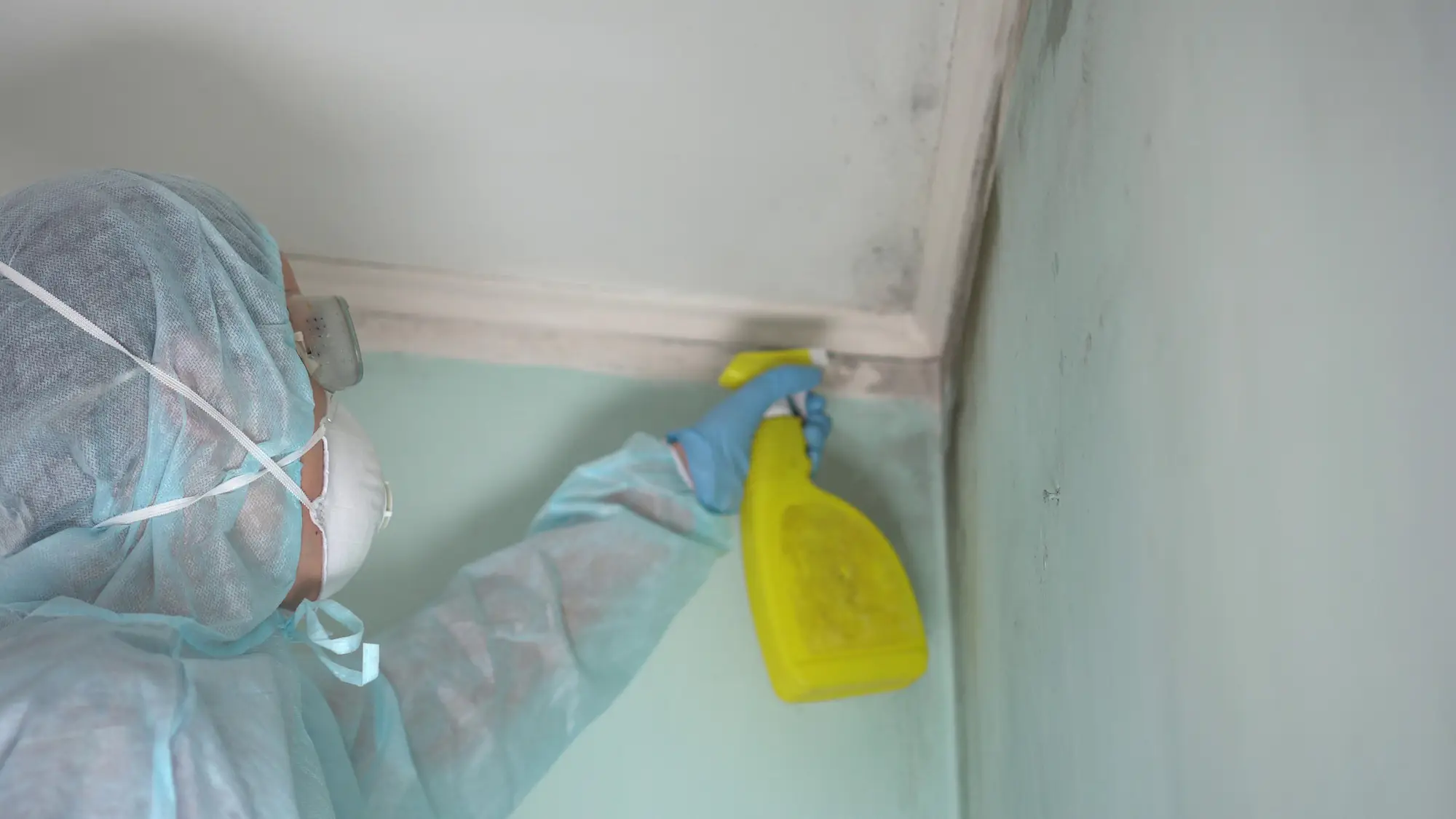
If anyone in your home is dealing with unexplained respiratory issues, allergies that won’t quit, frequent headaches, or fatigue, your indoor air could be the problem. Musty odors, visible mold, or recent water damage are obvious signs. But even without those, homes with poor ventilation, high humidity, or older HVAC systems can have contaminated air.
You might also need testing if you’re buying or selling a home in Newportville. Buyers want to know what they’re getting into, and sellers want to avoid surprises during inspections. A mold air test gives everyone peace of mind.
If you’ve had water damage—even if it was months ago—mold can still be growing in hidden spaces. Drywall, insulation, and ductwork are common hiding spots. Testing is the only way to know for sure what’s there and whether it’s affecting your health.
We test for mold spores, which are the most common indoor air contaminant in Bucks County. But we also check for particulate matter like dust, pollen, and pet dander. VOCs—volatile organic compounds from cleaning products, paint, and building materials—are another big one. High levels can cause headaches, dizziness, and respiratory irritation.
Carbon monoxide testing is included if you have gas appliances or an attached garage. It’s odorless and dangerous, so we don’t skip it. We also measure humidity levels, because anything above 60% creates the perfect environment for mold growth.
If you’ve got specific concerns—like asbestos in an older home or radon in your basement—we can add those tests. The standard air quality assessment covers the most common threats, but we customize based on what you’re dealing with.
The on-site inspection usually takes one to two hours, depending on the size of your home and what we’re testing for. We’re not rushing through it. We’re checking every room, looking at HVAC systems, testing moisture levels, and collecting air and surface samples where needed.
Lab analysis takes another 48 to 72 hours. Once results are in, we schedule a follow-up call or meeting to walk you through the findings. You’ll get a written report that breaks down contaminant levels, health risks, and next steps.
If you’re in a time crunch—say, you’re closing on a house or dealing with a health emergency—we can prioritize your samples. Most labs we work with offer expedited processing for an additional fee. Just let us know upfront, and we’ll make it happen.
DIY test kits exist, but they’re not reliable. Most don’t capture enough air volume to give you accurate results, and they don’t test for the full range of contaminants. You might catch mold spores, but miss VOCs, particulate matter, or humidity issues that are just as important.
Professional air quality testing uses calibrated equipment—laser particle counters, thermal cameras, moisture meters—that consumer-grade kits can’t match. We also know where to look. Mold hides in places most homeowners don’t think to check: inside ductwork, behind drywall, under flooring.
The bigger issue is interpretation. Even if a DIY kit gives you numbers, do you know what they mean? What’s a safe mold spore count? When does particulate matter become a health risk? We send samples to independent labs and provide expert analysis so you’re not left guessing.
First, don’t panic. Most homes have some level of mold spores—it’s when concentrations get too high that health problems start. The lab report will show exactly what type of mold is present and at what levels. Some molds are harmless. Others, like black mold, require immediate remediation.
If remediation is needed, we handle it. We’re not just a testing company—we do the cleanup too. That means you’re not scrambling to find another contractor or explaining the situation all over again. We already know your home, we’ve seen the problem, and we can fix it.
Remediation involves containment, removal of contaminated materials, HEPA air filtration, and treatment of affected areas. We also identify and fix the moisture source—because if you don’t address that, mold comes back. Once the job’s done, we do post-remediation testing to confirm your air is clean.
Cost depends on what you’re testing for and how big your home is. A standard indoor air quality test with mold screening typically runs a few hundred dollars. If you need additional tests—radon, asbestos, extensive surface sampling—the price goes up. But you’re paying for accuracy, certified expertise, and lab-verified results.
Some companies offer cheap testing to upsell you on remediation you don’t need. We don’t operate that way. If your air is fine, we’ll tell you. If there’s a problem, we’ll give you a clear breakdown of what it’ll cost to fix it. No surprises, no pressure.
We also offer free consultations. If you’re not sure whether testing is necessary, call us. We’ll ask the right questions and give you an honest answer. You’re not committed to anything until you decide it makes sense for your situation.
Other Services we provide in Newportville