

Hear from Our Customers
You’re not looking for someone to spray bleach and call it done. You need the moisture source found and fixed, the contaminated materials removed properly, and air quality restored so your family stops coughing at night.
That’s what professional mold removal looks like. Not a surface scrub that buys you two weeks before the black spots reappear. A complete process that finds why mold is growing in the first place, eliminates what’s feeding it, removes what’s already there, and prevents it from coming back.
Homes near the Delaware River deal with humidity year-round. Older properties around Street Road trap moisture in crawl spaces and attics. Spring rains in Bucks County don’t just pass through—they settle into basements and behind walls. If your home has mold, it’s not bad luck. It’s conditions that need to be corrected, and that takes more than a bottle of cleaner.
We work with homeowners in Newportville and throughout Bucks County who need mold handled the right way. We’re not a call center. We’re local, we answer our own phone at (215) 431-4744, and we show up when we say we will.
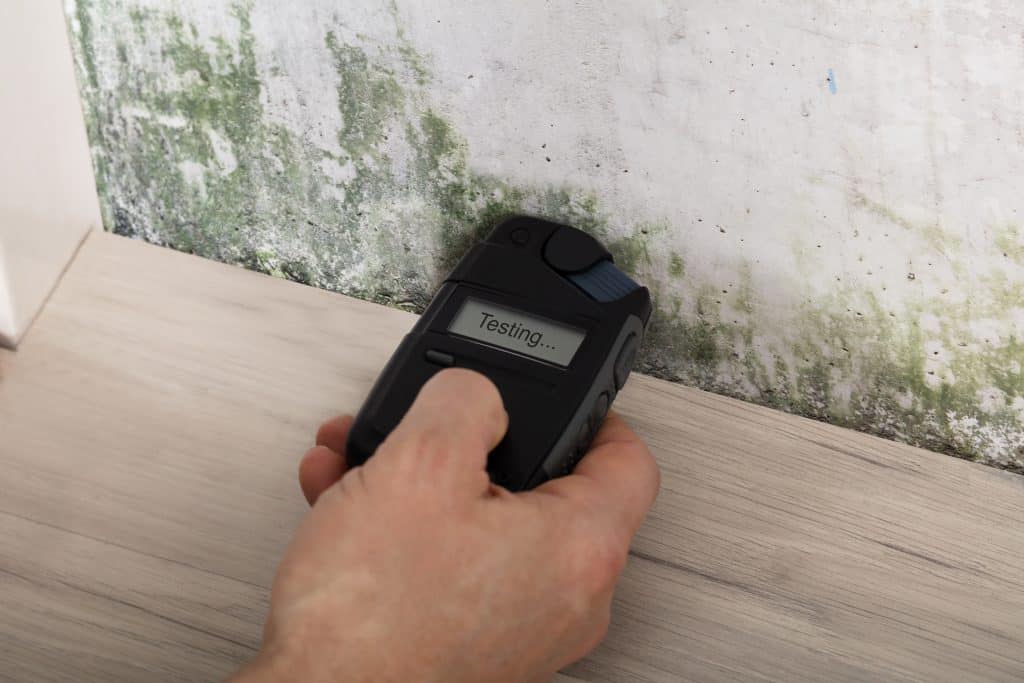
Our team uses thermal imaging and moisture meters to find problems you can’t see yet. We work with your insurance company to help with claims. We don’t leave until the air tests clean and the source is fixed.
Newportville homes—especially older ones near the river—weren’t built with today’s moisture barriers. That means mold finds its way into wall cavities, under sinks, and into attics more easily than newer construction. We’ve seen it hundreds of times, and we know how to fix it without tearing apart your entire house.

First, we come out for a free inspection. We’re looking for visible mold, but also using moisture meters and thermal imaging to find hidden growth behind walls, in crawl spaces, or around plumbing. Most mold problems aren’t just what you see on the surface.
Next, we identify the moisture source. Maybe it’s a slow leak. Maybe it’s condensation from poor ventilation. Maybe it’s groundwater seeping into your basement during heavy rain. Whatever it is, we find it and fix it. If we don’t, the mold will be back no matter how well we clean.
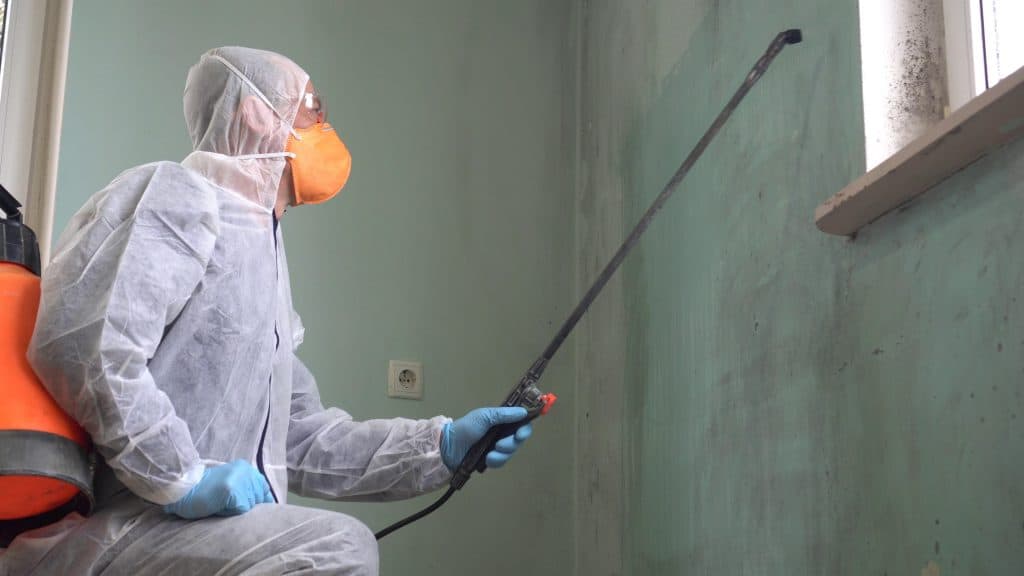
Then we contain the area. We seal it off with plastic sheeting and negative air pressure so mold spores don’t spread to clean parts of your home during removal. We remove contaminated materials—drywall, insulation, anything that can’t be fully cleaned. We don’t just cover it up.
After that, we clean and treat all affected surfaces, run air scrubbers to filter out airborne spores, and conduct post-remediation testing to confirm the job is done. You’re not guessing if it worked. You’re getting documentation that your air quality is back to safe levels.
Ready to get started?
You get a thorough inspection with moisture mapping and thermal imaging. You get the source of the moisture identified and repaired. You get full containment so the problem doesn’t spread during cleanup. You get removal of contaminated materials and treatment of affected surfaces.
You also get air scrubbing, HEPA filtration, and post-remediation air quality testing. We document everything for your records and for insurance purposes if you’re filing a claim. We work directly with your insurance company to make the process easier and keep your out-of-pocket costs down.
In Newportville and Bucks County, the most common mold issues we see are in basements after spring flooding, in attics with poor ventilation during summer humidity, and in crawl spaces where groundwater creates constant dampness. Black mold shows up frequently under sinks and around bathroom fixtures where small leaks go unnoticed for months. We’ve handled all of it, and we know how to approach each situation based on where the mold is and what’s causing it.
Mold remediation costs vary depending on the size of the affected area and the extent of the damage, but most jobs in this area fall between $1,200 and $4,000. Severe cases with structural involvement can cost more, but we give you a clear, upfront estimate before any work starts so there are no surprises.
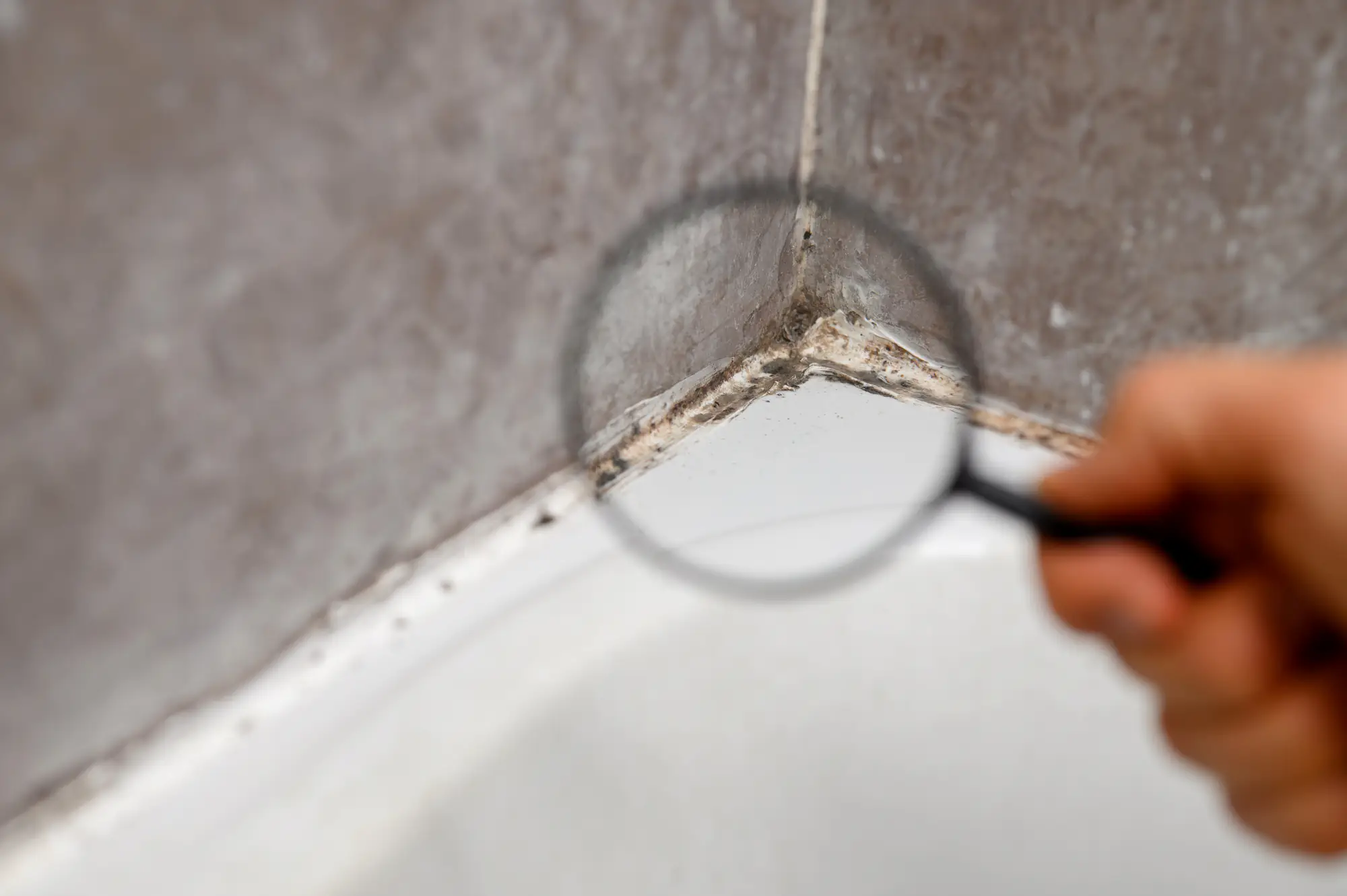
If you can see mold, smell it, or you’re dealing with ongoing moisture problems, you need a professional mold specialist to assess it. Mold you can see is usually just part of the problem. It grows in wall cavities, under flooring, and in areas you can’t access without the right tools.
Scrubbing visible mold with bleach might make it look better for a week or two, but it doesn’t address what’s feeding the growth. Mold needs moisture to survive, and if that moisture source isn’t eliminated, the mold will return. A professional inspection uses moisture meters and thermal imaging to find hidden growth and identify why it’s there in the first place.
If anyone in your home is experiencing respiratory issues, allergic reactions, or asthma symptoms that get worse indoors, that’s another sign. Mold contributes to millions of asthma cases annually, and it’s not something to ignore. Professional mold removal means the contamination is fully removed, the air is filtered and tested, and the conditions that allowed mold to grow are corrected.
Most residential mold removal jobs take between two and five days, depending on the size of the affected area and how much material needs to be removed. A small bathroom with mold around the shower might be done in a day or two. A basement with widespread contamination after a flood could take a week.
The timeline includes inspection, containment setup, removal of contaminated materials, cleaning and treatment, air scrubbing, and post-remediation testing. We don’t rush through it because cutting corners means the mold comes back. Each step has to be done right.
If the moisture source requires a separate repair—like fixing a roof leak or waterproofing a foundation—that can add time. But we coordinate those repairs as part of the process so everything gets handled together. Most homeowners are able to stay in their homes during the work as long as the affected area is properly contained and isolated from living spaces.
It depends on what caused the mold. If the mold is the result of a sudden, covered event like a burst pipe or storm damage, most homeowners insurance policies will cover the remediation. If the mold is from long-term neglect, poor maintenance, or ongoing moisture issues that weren’t addressed, coverage is less likely.
We work with insurance companies regularly and can help you navigate the claims process. We document everything with photos, moisture readings, and detailed reports that insurance adjusters need to process your claim. We’ll also provide a clear estimate and work directly with your insurer to minimize what you pay out of pocket.
The key is to act quickly. Insurance companies expect homeowners to mitigate damage as soon as it’s discovered. If you wait months to address a mold problem, they may deny the claim on the grounds that you didn’t take reasonable steps to prevent further damage. Call us for a free inspection, and we’ll help you understand your coverage options and what to expect.
Mold removal refers to physically taking out contaminated materials and cleaning affected surfaces. Mold remediation is the full process—finding the moisture source, fixing it, removing the mold, treating the area, and restoring air quality to safe levels. Remediation is what actually solves the problem.
You can remove mold without remediating it, and that’s what most DIY attempts do. You scrub the surface, it looks clean, and two weeks later it’s back because the moisture that caused it is still there. Remediation addresses the root cause, not just the symptom.
Professional mold remediation also includes containment to prevent spores from spreading during the work, HEPA filtration to clean the air, and post-remediation testing to confirm the job is complete. It’s a documented, verifiable process that gives you proof the mold is gone and won’t return under the same conditions. That’s the difference between a temporary fix and a permanent solution.
If the affected area is smaller than 10 square feet, the EPA says homeowners can handle it themselves with proper precautions. Anything larger than that, or any situation involving black mold, hidden mold, or mold caused by contaminated water, should be handled by a professional.
The problem with DIY mold removal is that most people don’t have the equipment to find hidden growth, contain the area properly, or verify that the air quality is safe afterward. Disturbing mold without containment spreads spores throughout your home, making the problem worse. Cleaning visible mold without addressing the moisture source means it grows back within weeks.
There’s also the health risk. Mold exposure during cleanup can cause respiratory issues, skin irritation, and allergic reactions, especially with black mold or large infestations. Professional mold cleaning services use protective gear, containment systems, and air filtration to keep you and your family safe during the process. If you’re dealing with mold in a crawl space, attic, or inside walls, trying to handle it yourself usually costs more in the long run when you have to call someone to fix what went wrong.
Control moisture. That’s it. Mold can’t grow without water, so if you eliminate the moisture source and keep humidity levels below 60%, mold won’t return.
Fix leaks as soon as you notice them. Use exhaust fans in bathrooms and kitchens. Make sure your gutters and downspouts direct water away from your foundation. If you have a crawl space, consider a vapor barrier and dehumidifier. If your basement floods during heavy rain, address the grading or drainage around your home.
In Newportville and Bucks County, humidity is a constant factor, especially in older homes near the Delaware River. A whole-home dehumidifier can make a big difference if your HVAC system isn’t keeping indoor humidity in check. Regular inspections of areas prone to moisture—basements, attics, crawl spaces, around plumbing—help you catch problems before they turn into full-blown mold infestations. We identify all of these issues during remediation and give you a clear plan to prevent recurrence. Mold removal works when the conditions that caused it are corrected.
Other Services we provide in Newportville