
Hear from Our Customers
You’re not imagining it. Those headaches, the stuffiness that won’t go away, the allergies that seem worse indoors than out—they’re real, and they’re often tied to what you’re breathing at home.
A home air quality test tells you exactly what’s floating around in your air. Mold spores. Dust mites. Volatile organic compounds from cleaning products or building materials. Elevated humidity that’s creating the perfect environment for problems you can’t see yet.
Most homes in Bucks County deal with humidity issues, especially during summer months. That moisture doesn’t just make things uncomfortable—it feeds mold growth and drives up indoor allergen levels. Testing shows you where you stand before symptoms get worse or structural damage sets in.
Once you know what’s actually in your air, you can fix it. Not guess. Not hope a new air filter solves everything. You get a clear path forward based on real data, not assumptions.
We’ve been serving Mozart and the surrounding Bucks County area with residential air quality testing and mold remediation services that actually solve problems. We’re not a national franchise reading from a script—we know the homes here, the weather patterns that create moisture issues, and the specific air quality challenges Mozart residents face.
We use certified testing methods and professional-grade equipment to give you accurate results. We’re talking laser particle counters, thermal imaging, and lab analysis—not a $10 kit that tests for one thing and leaves you guessing about everything else.
You get a detailed report that explains what we found, what it means for your health and your home, and what your options are. No pressure. No upselling services you don’t need. Just straight information so you can make the right call for your family.

We start with a walkthrough of your home. You tell us about any symptoms you’ve noticed, areas that smell musty, rooms that feel more humid, or spots where you’ve seen visible mold. That conversation matters—it helps us know where to focus.
Next comes the actual testing. We collect air samples from multiple areas of your home using professional equipment that measures particle counts and identifies specific contaminants. If there are visible concerns or moisture issues, we’ll also take surface samples and use thermal imaging to check for hidden problems behind walls or under flooring.
Those samples go to an accredited lab for analysis. You’re not waiting weeks—most results come back within a few days. We review everything with you in plain language: what we found, what levels are normal versus elevated, and what’s actually causing your air quality issues.
Then we talk about solutions. Sometimes it’s as simple as improving ventilation or addressing a moisture source. Other times, you need mold remediation or HVAC system improvements. Either way, you’ll know exactly what needs to happen and why.

Ready to get started?
Professional air quality testing covers the full picture. We’re checking for mold spores, but also measuring overall particle counts, identifying allergen sources, and looking for elevated humidity levels that create ongoing problems.
Mozart homes, like most properties in Bucks County, deal with seasonal humidity that can push indoor moisture levels well above the 60% threshold where mold starts thriving. Our testing identifies those conditions before they turn into expensive remediation projects.
You get a comprehensive report that breaks down exactly what’s in your air, where it’s coming from, and how it compares to normal indoor levels. We’re measuring things like total spore counts, specific mold species if present, particulate matter, and moisture readings throughout your home.
The goal isn’t to scare you—it’s to give you information. Some homes test perfectly fine and just need minor adjustments. Others have elevated levels that explain ongoing health symptoms and need immediate attention. Either way, you’ll know where you stand and what your next move should be.
Professional indoor air quality testing typically runs between $300 and $500 for most Mozart homes, depending on the size of your property and how comprehensive you want the testing to be. That’s significantly more than a DIY kit you’d pick up for $10 or $20, but the difference in accuracy and usefulness is night and day.
Those cheap kits usually test for one specific thing—maybe radon, maybe mold—and the results are notoriously unreliable. You’re basically guessing. Professional testing uses calibrated equipment and lab analysis to give you actual data on multiple pollutants: mold spores, allergens, particulate matter, humidity levels, and other contaminants affecting your air.
You’re not just paying for the test itself. You’re getting expert interpretation of those results, a detailed report that explains what everything means, and recommendations based on your specific situation. That information helps you make smart decisions about your home and your family’s health instead of throwing money at solutions that might not address the real problem.
Persistent allergy symptoms that seem worse indoors are one of the biggest red flags. If you’re dealing with constant sneezing, congestion, itchy eyes, or respiratory irritation that improves when you leave the house, your indoor air quality deserves a closer look.
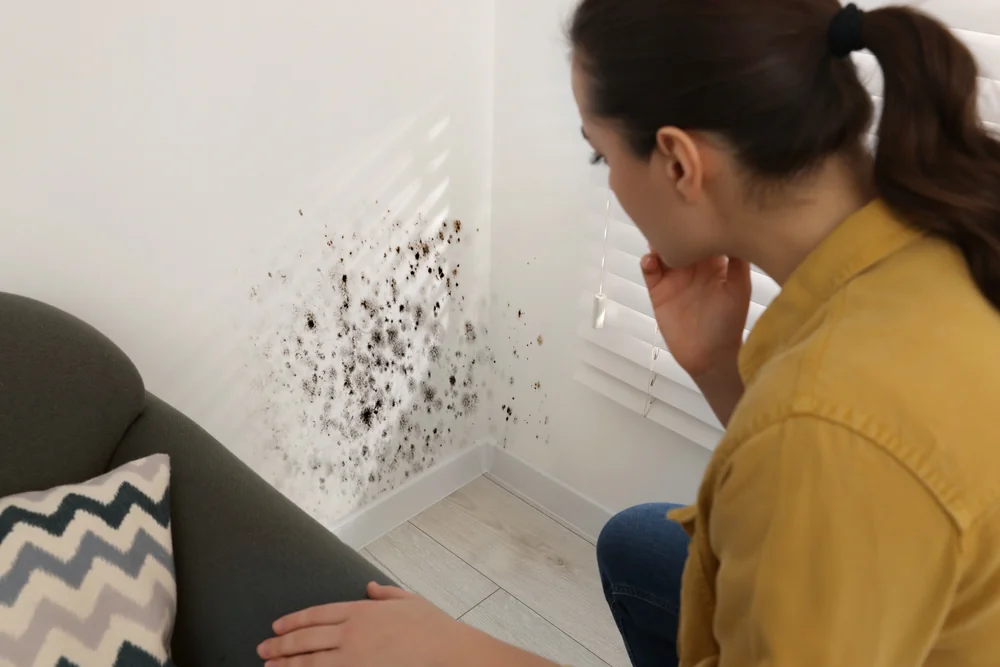
Musty odors are another clear sign, especially in basements, bathrooms, or areas that don’t get much airflow. That smell usually means mold is growing somewhere, even if you can’t see it. Visible mold growth, water stains, or any history of water damage also warrant testing—moisture problems don’t just go away on their own.
Unexplained headaches, dizziness, fatigue, or frequent colds can all be tied to poor air quality. So can worsening asthma symptoms or new respiratory issues that developed after moving into a home. If anyone in your household has a compromised immune system, respiratory conditions, or you’re buying or selling a property, testing gives you peace of mind and protects everyone involved. Bucks County’s humid summers create ideal conditions for mold growth, so even homes without obvious problems can benefit from baseline testing.
The actual on-site testing usually takes between one and three hours, depending on the size of your home and how many areas we’re sampling. We’re not rushing through it—thorough testing means collecting samples from multiple rooms, checking moisture levels, using thermal imaging to spot hidden issues, and documenting everything properly.
After we collect the samples, they go to an accredited lab for analysis. Most results come back within three to five business days. You’re not waiting weeks to find out what’s going on in your home.
Once we have the lab results, we schedule a follow-up conversation to walk through everything. That usually takes about 30 minutes to an hour, depending on how many questions you have and whether we’re discussing remediation options. The whole process from initial testing to getting your results and recommendations typically wraps up within a week. If you’re dealing with an urgent situation—like severe symptoms or visible mold growth—we can often expedite things to get you answers faster.
You can buy DIY air quality test kits, but they’re extremely limited in what they actually tell you. Most kits only test for one specific pollutant—radon or mold, for example—and the results are often unreliable. You’re getting a snapshot of one issue without any context about overall air quality or what’s actually causing your symptoms.
The bigger problem is interpretation. Even if a DIY kit shows elevated mold spores, it doesn’t tell you what species, where it’s coming from, whether the levels are actually dangerous, or what you should do about it. You’re left with partial information and no clear path forward.
Professional testing uses calibrated equipment that measures multiple pollutants simultaneously. We’re checking particle counts, identifying specific contaminants, measuring humidity levels, and using thermal imaging to find hidden moisture sources. The samples get analyzed by an accredited lab, and you get a comprehensive report with expert interpretation. That’s the difference between guessing and knowing. If you’re serious about understanding your home’s air quality—especially if health symptoms are involved—professional testing is worth the investment. You’ll actually know what you’re dealing with and what needs to happen next.
First, finding mold isn’t automatically a disaster. Small amounts of mold spores are normal in every home—they’re everywhere outdoors and drift inside constantly. What matters is whether you have elevated levels or active growth that’s affecting your air quality and health.
If testing shows elevated mold levels, we’ll identify what species are present, where they’re likely growing, and what’s causing the problem. Usually it’s a moisture issue—a leak, poor ventilation, high humidity, or water damage that never fully dried. Fixing mold without addressing the moisture source just means it’ll come back.
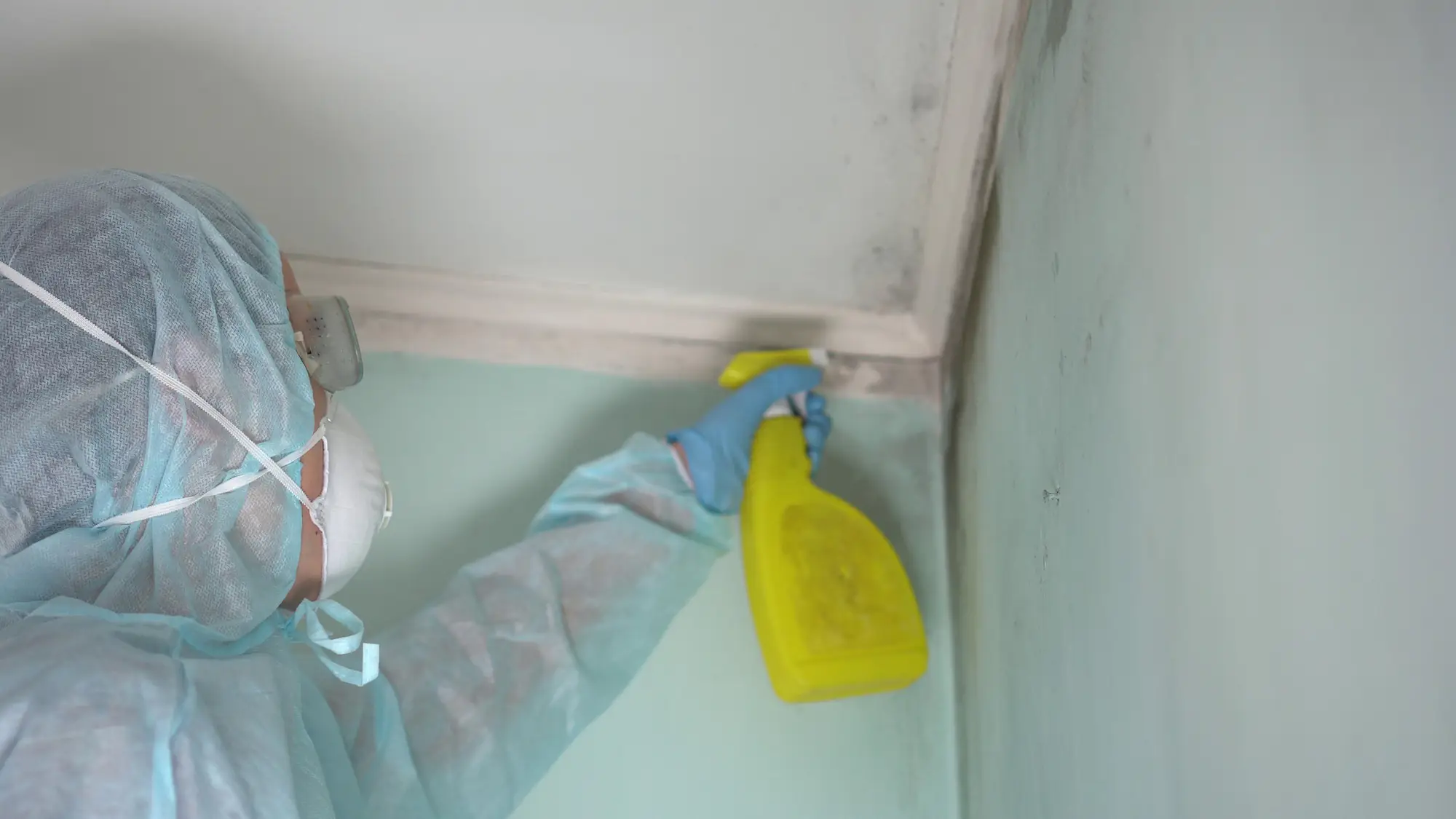
From there, you have options. Minor issues might just need better ventilation, a dehumidifier, or fixing a small leak. More significant contamination requires professional mold remediation following industry standards. We’ll walk you through what’s actually necessary based on your specific situation—not what makes us the most money. You’ll get a clear scope of work, realistic timeline, and upfront pricing so you can make an informed decision about how to move forward. The goal is solving the problem correctly the first time, not creating repeat business.
Most experts recommend testing every one to two years if you have children, elderly family members, or anyone with respiratory conditions living in the home. Annual testing makes sense if you’ve had previous mold issues, live in an older home, or deal with persistent humidity problems—all common in Bucks County.
You should also test after any water damage, major renovations, or if you notice new symptoms like unexplained allergies or respiratory irritation. Even if water damage gets cleaned up quickly, moisture can hide in walls or under flooring and create problems months later. Testing confirms everything actually dried out properly.
If you’re buying or selling a home, testing protects everyone involved. Buyers get peace of mind about what they’re purchasing. Sellers can address issues before they derail a sale. And if your home tests clean with no issues, you don’t need to test again for a couple years unless something changes. Think of it like any other home maintenance—catching problems early saves you money and protects your family’s health. Waiting until symptoms are severe or damage is visible means you’re already behind the curve.
Other Services we provide in Mozart