
Hear from Our Customers
You shouldn’t have to wonder why your allergies flare up at home or why that musty smell won’t go away. A home air quality test gives you actual data about what’s in your air—mold spores, dust mites, pet dander, volatile organic compounds. The things you can’t see but definitely feel.
Most people wait until symptoms get bad. Constant sneezing, headaches that disappear when you leave the house, kids with respiratory issues that doctors can’t quite explain. By then, whatever’s causing it has been circulating for months.
Testing catches problems early. You get a detailed report showing exactly what pollutants are present and where they’re coming from. No more guessing whether it’s the basement, the HVAC system, or something growing behind the walls. You know what needs fixing, and you can actually fix it.
We’ve been helping homeowners in Lakeside, PA and throughout Bucks County understand what’s affecting their indoor air quality. We’re IICRC-certified, which means we follow the same protocols used by restoration professionals nationwide.
Bucks County’s climate creates specific challenges. Humid summers, older homes with less-than-perfect ventilation, basements that stay damp. We’ve tested hundreds of homes here, so we know what to look for and where problems typically hide.
We use infrared cameras, moisture meters, and lab-grade air sampling equipment. You get a full report explaining what we found, what it means for your health, and what your options are. No pressure, no upselling—just information you can use to make the right call for your home.

First, we walk through your home and talk about what you’ve noticed—symptoms, smells, visible moisture, any areas that concern you. This helps us know where to focus.
Then we start testing. We collect air samples from multiple rooms to measure airborne contaminants like mold spores, allergens, and particulates. We also check surfaces in areas prone to growth—bathrooms, basements, attics, around windows. If there’s hidden moisture, our infrared cameras and meters will find it before it becomes visible damage.
Samples go to an accredited lab for analysis. You typically get results within a few days. We review everything with you in plain language—what’s in your air, how it compares to outdoor levels and EPA guidelines, and where it’s likely coming from.
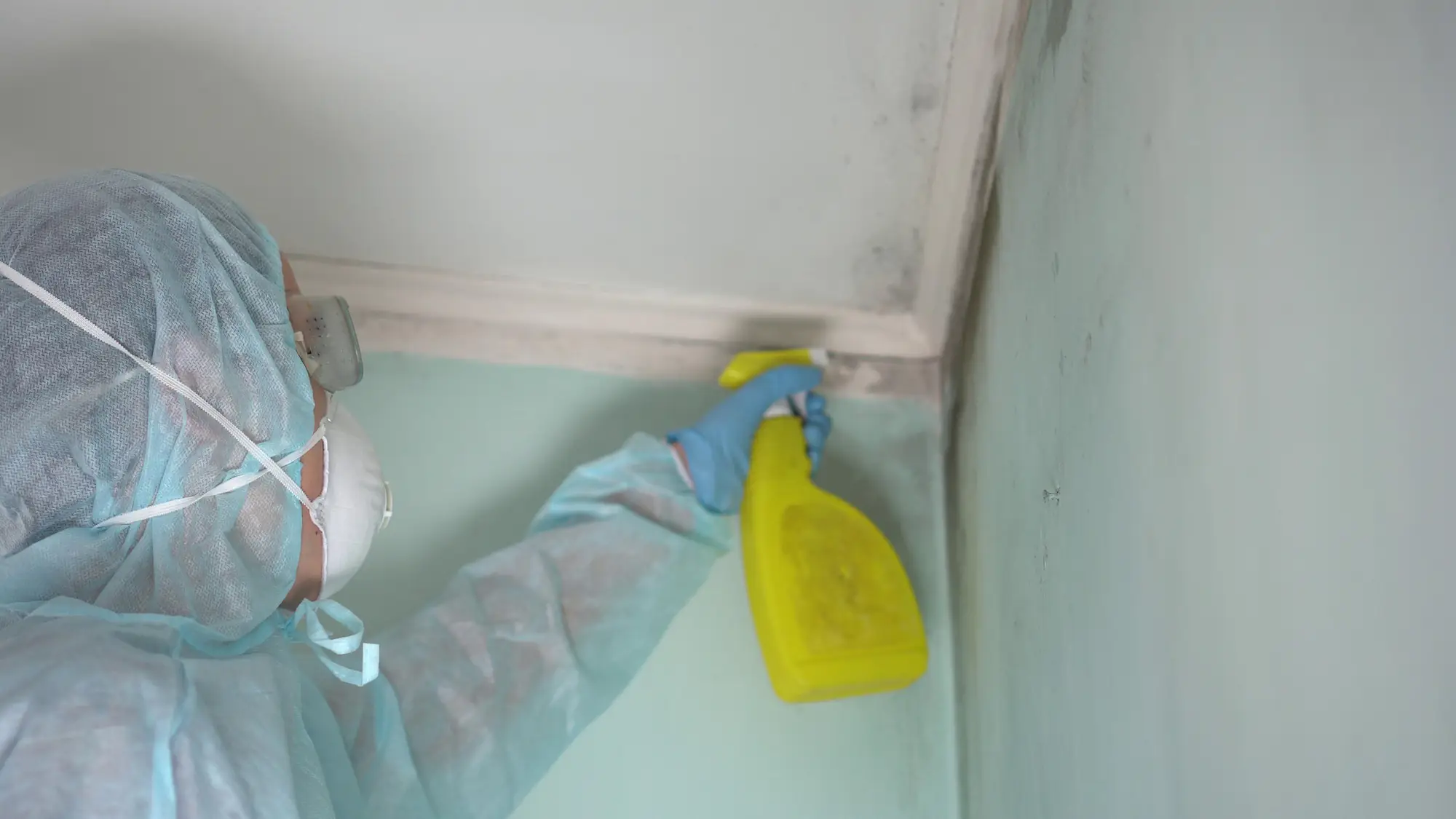
If remediation is needed, we explain your options. If it’s a minor issue you can handle yourself, we’ll tell you that too. The goal is giving you enough information to make a smart decision, not scaring you into services you don’t need.
Ready to get started?
A complete residential air quality testing service covers more than just mold. We’re looking at the full picture of what’s circulating in your home.
Air sampling captures airborne particles—mold spores, dust mite allergens, pollen, pet dander, and other biological contaminants. Surface testing checks for active growth on walls, ceilings, floors, and inside HVAC systems. Moisture mapping identifies areas with elevated humidity levels that could support future growth.
In Lakeside and Bucks County generally, we see patterns. Older homes often have basement moisture issues. Homes near wooded areas deal with higher outdoor mold counts that get pulled inside. Properties with previous water damage—even if it was fixed—sometimes have lingering contamination in wall cavities or under flooring.
You receive a detailed lab report showing contamination levels, species identification for any mold found, and a comparison to normal outdoor baselines. We also provide a written assessment explaining what the numbers mean and recommending next steps if action is needed. Everything is documented so you have records for your own peace of mind or if you ever need them for real estate transactions.
Most residential air quality tests in the Lakeside area run between $300 and $600, depending on the size of your home and how many samples you need. A basic mold air test with a few samples costs less than a comprehensive assessment that includes multiple rooms, surface testing, and moisture mapping.
Price varies based on what you’re testing for. If you only need a mold air test because you’ve seen visible growth, that’s straightforward. If you’re dealing with unexplained health symptoms and want a full indoor air quality evaluation covering allergens, VOCs, and biological contaminants, that requires more lab work.
We give you an upfront quote after understanding your situation. No hidden fees, no surprise charges. Most people find that knowing exactly what’s wrong—and having documentation to prove it—is worth the cost, especially compared to months of guessing or treating symptoms without addressing the cause.
The actual testing appointment usually takes one to two hours, depending on your home’s size and how many areas we’re sampling. We’re not rushing through it—we need time to collect accurate samples and check all the spots where problems typically develop.
Lab analysis takes another few days. Most results come back within three to five business days. If you need faster turnaround for a real estate transaction or urgent health concern, rush processing is sometimes available for an additional fee.
You’ll hear from us as soon as results are in. We schedule a time to review everything together, either over the phone or in person. That conversation usually takes 20 to 30 minutes—long enough to explain what we found and answer your questions, but we’re not going to waste your time with a sales pitch.
You can, but those kits have limitations. Most over-the-counter test kits only check for mold, and even then, they often give false positives or miss contamination entirely. They’re not collecting samples the same way a professional does, and the lab analysis isn’t always reliable.
The bigger issue is interpretation. A kit might tell you mold is present, but it won’t tell you what kind, whether the levels are actually dangerous, or where it’s coming from. You’re left knowing there’s a problem but not knowing what to do about it.
Professional testing uses calibrated equipment, follows established protocols, and includes expert analysis. We’re checking air exchange rates, comparing indoor to outdoor baselines, and identifying specific species. You get context, not just a yes/no answer. For most people dealing with health symptoms or visible moisture issues, that context is what actually helps them solve the problem.
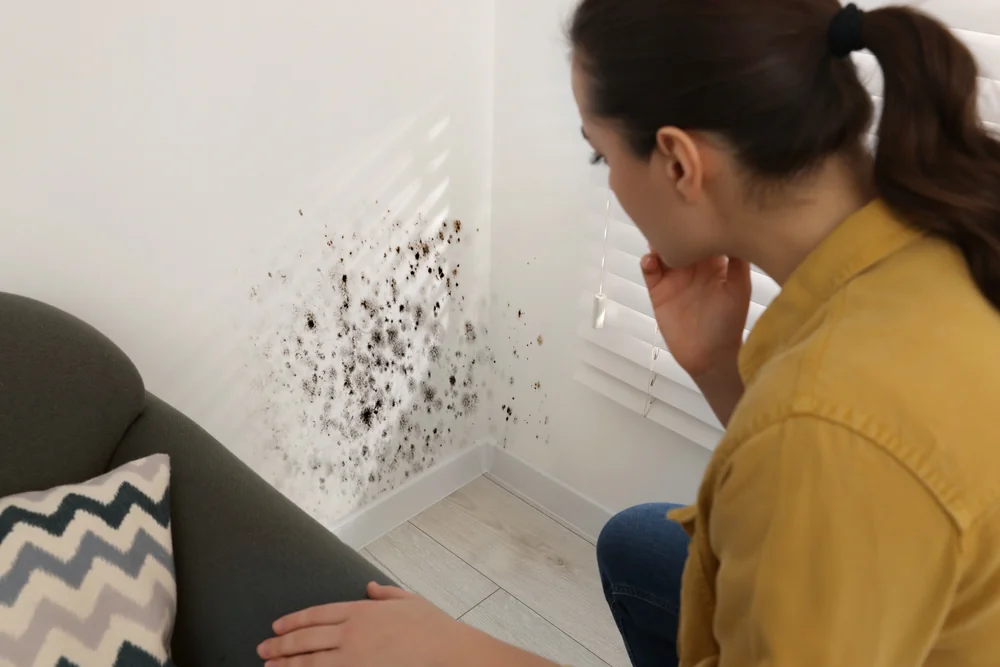
Persistent musty odors are the most obvious sign, especially in basements, bathrooms, or areas that don’t get much airflow. If the smell doesn’t go away after cleaning, something’s growing where you can’t see it.
Health symptoms that improve when you leave home are another red flag. Allergies that get worse indoors, respiratory irritation, headaches, fatigue—if these symptoms ease up when you’re at work or away for the weekend, your home’s air quality is likely the culprit.
Visible moisture problems matter too. Water stains on ceilings or walls, condensation on windows, peeling paint, warped floors—all of these create conditions for mold growth and poor air quality. Even if you don’t see mold yet, elevated humidity levels mean it’s probably developing somewhere hidden. Previous water damage, even if it was professionally dried, sometimes leaves contamination behind that continues affecting your air.
Yes, lab analysis identifies specific mold species, including Stachybotrys chartarum, which is what people usually mean when they say “black mold.” But here’s what matters more than the name: all mold growth indoors is a problem, regardless of species.
The media has made black mold sound uniquely dangerous, and while Stachybotrys can produce mycotoxins, so can other common molds. What actually affects your health is the total mold load in your air and how long you’re exposed to it. A home with high levels of Aspergillus or Penicillium can cause just as many symptoms as one with Stachybotrys.
Testing shows you what’s present and at what concentration. If we find elevated mold levels of any species, that tells you remediation is needed. The species identification helps guide the cleanup approach, but the main takeaway is simpler: if mold is growing indoors, it needs to be removed. The specific type is less important than the fact that it’s there and affecting the air you breathe every day.
If you’ve never had testing done and you’re experiencing symptoms or concerns, start with a baseline test now. That gives you a snapshot of your current air quality and identifies any immediate issues.
After that, annual testing makes sense if you live in an older home, have had previous water damage, or deal with ongoing humidity issues. Bucks County’s climate means basements and crawl spaces can develop problems between checks, especially after wet seasons.
You don’t need testing every year if your home is dry, well-ventilated, and you’re not having any symptoms. But if you’ve had remediation done, a follow-up test three to six months later confirms the problem is actually resolved. And if you’re buying or selling a home in Lakeside, testing before closing protects everyone involved and prevents surprises that could derail the transaction.
Other Services we provide in Lakeside