

Hear from Our Customers
You’re not just dealing with a stain on the wall. You’re worried about what’s behind it, what’s in the air, and whether your family is breathing something dangerous every day.
When mold gets handled the right way, you stop wondering if it’s still there. You stop smelling that musty odor every time you walk into the basement. Your kids can play in their rooms without you second-guessing the air quality.
Professional mold removal means containment so spores don’t spread during cleanup. It means finding the moisture source so the problem doesn’t come back in three months. And it means independent lab testing that tells you exactly what you’re dealing with, not just a guess based on color.
You get documentation you can trust. You get a home where you’re not constantly checking corners for new growth. And if you’re selling, you get a clean bill of health that keeps buyers from walking away.
We work throughout Lakeside and the surrounding Bucks County area. We’ve seen what Pennsylvania’s humidity does to basements, crawl spaces, and attics. The condensation from temperature swings, the moisture that settles after heavy rain, the way older homes trap dampness in places you can’t see.
We’re IICRC certified, which means we follow the actual standards for mold remediation, not just surface cleaning. We use thermal imaging and moisture meters to find hidden problems before they become expensive ones.
You’re not getting a national franchise that sends different crews every time. You’re working with a local team that understands why mold grows so easily here and how to stop it for good.

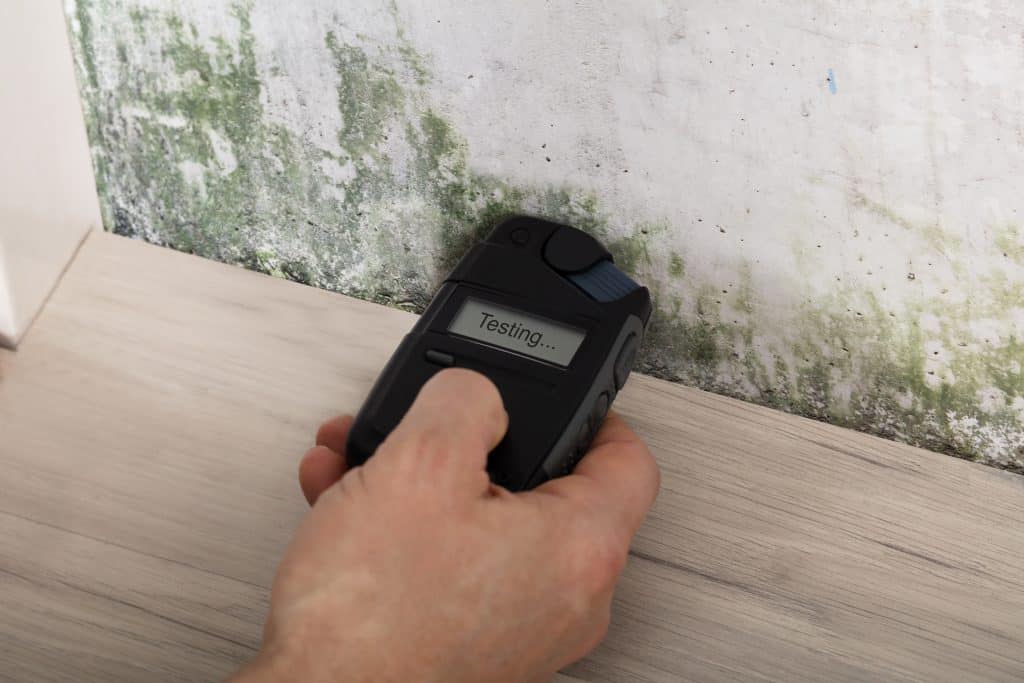
First, we come out for a free inspection. We’re looking at the visible mold, yes, but also using moisture meters and infrared cameras to find what’s hidden. You need to know the full scope before any work starts.
If testing makes sense, we send samples to an independent certified lab. You get a report that identifies the specific mold species and concentration levels. No scare tactics, just facts about what’s growing in your home.
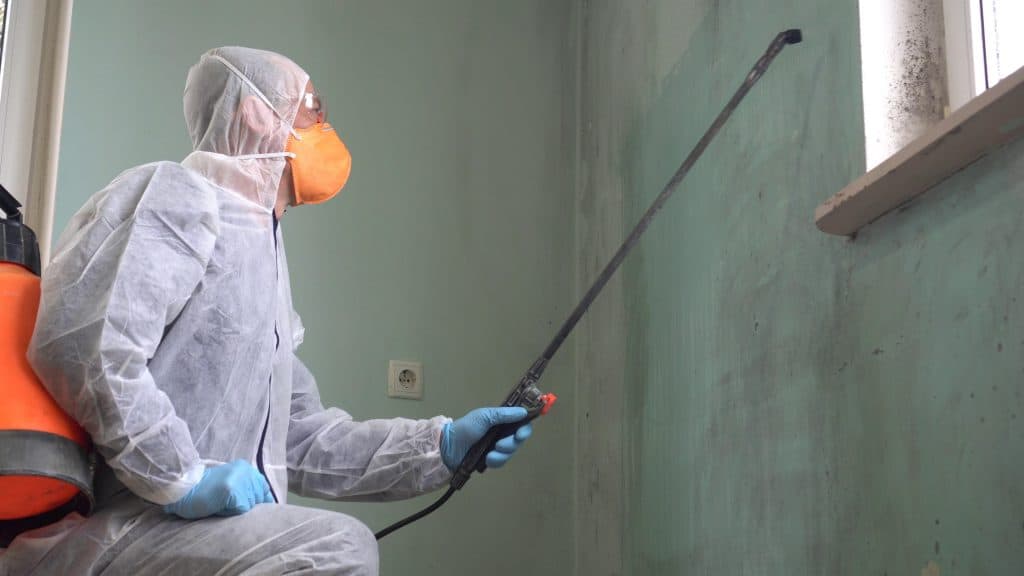
Once we know what we’re dealing with, we contain the area with physical barriers and negative air pressure. That keeps spores from spreading to clean areas while we work. Then we remove contaminated materials, clean surfaces with the right solutions, and dry everything completely.
After removal, we test the air again to confirm it’s clean. Then we help you fix the moisture problem that caused it in the first place, whether that’s a leak, condensation issue, or ventilation problem. You don’t want this happening again in six months.
Ready to get started?
You get a thorough inspection with advanced detection equipment, not just a visual walkthrough. Moisture mapping shows us where water is hiding in walls, floors, and ceilings.
Containment setup prevents cross-contamination to other parts of your home. We’re not just scrubbing visible mold and calling it done. We’re removing affected materials when necessary, treating surfaces properly, and running air scrubbers with HEPA filtration during the entire process.
In Lakeside and throughout Bucks County, we see a lot of basement mold from groundwater issues and bathroom mold from ventilation problems. Pennsylvania’s climate makes this worse. Nearly half of homes in this state show signs of mold growth, and Bucks County’s older housing stock is especially vulnerable.
You also get help with insurance claims if your mold is related to a covered water damage event. We document everything, take photos, and provide the paperwork your insurance company needs. And if you’re dealing with an emergency, we’re available 24/7 because mold doesn’t wait for business hours.
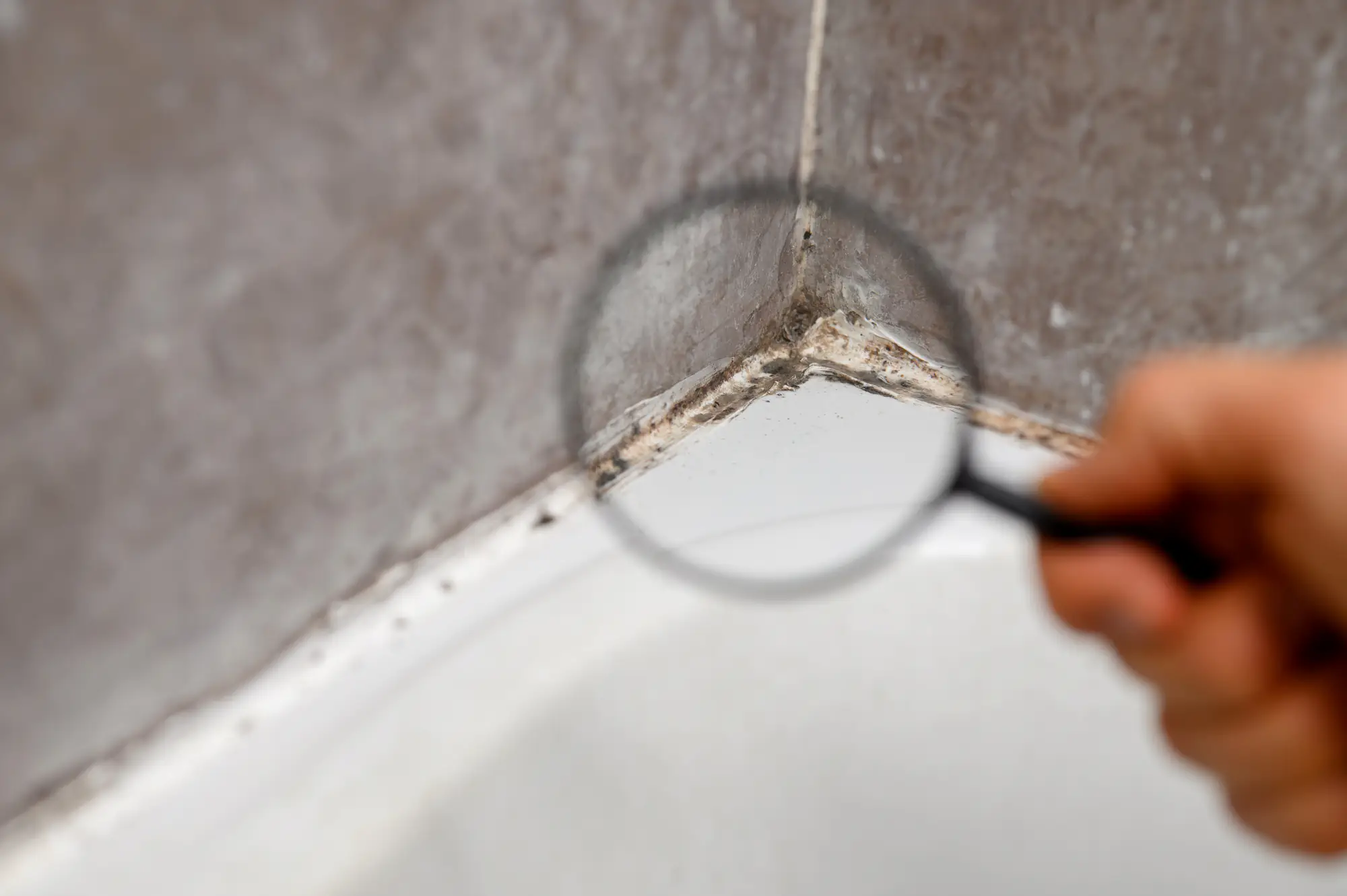
If you can see mold growth larger than about 10 square feet, you’re past the point of handling it yourself. That’s the EPA’s guideline, and it’s based on the fact that larger areas usually mean deeper contamination and higher spore counts in the air.
But size isn’t the only factor. If you’re seeing mold come back in the same spot after cleaning it, that means there’s a moisture source you haven’t fixed. If you smell a musty odor but can’t find visible growth, that often means mold is growing inside walls or under flooring.
Health symptoms matter too. If people in your home are experiencing unexplained respiratory issues, persistent coughing, or allergy symptoms that won’t go away, mold exposure could be the cause. About 6-10% of people are allergic to mold, and it contributes to millions of asthma cases.
Black mold specifically gets a lot of attention, but any mold growing indoors is a problem. The species matters less than the fact that it’s there and it’s releasing spores into your air. Professional removal means proper containment, complete removal, and fixing the root cause so you’re not doing this again next year.
Mold removal and mold remediation are often used interchangeably, but technically remediation is the more accurate term. Here’s why: you can’t remove every single mold spore from a building. Mold spores exist everywhere in outdoor and indoor air naturally.
Remediation means bringing mold levels back to normal, natural levels. It means removing the active growth, cleaning contaminated surfaces, and getting spore counts in your indoor air back to what they should be. That’s the realistic goal.
The process involves containment so spores don’t spread during cleanup, physical removal of contaminated materials that can’t be saved, treatment of surfaces that can be cleaned, and thorough drying of the entire area. Then we verify with air testing that levels are back to normal.
What you’re really paying for is expertise in doing this without making the problem worse. When you disturb mold without proper containment, you send millions of spores airborne. They land in your HVAC system, your furniture, your clothes. Professional mold cleaning services prevent that from happening and actually solve the problem instead of spreading it around your house.
A typical residential mold removal job takes anywhere from one to five days, depending on the size of the affected area and how much material needs to be removed. A small bathroom might be done in a day or two. A finished basement with mold behind drywall could take a week.
The timeline breaks down like this: inspection and testing happen first, usually within 24 hours of your call. If we send samples to a lab, results come back in 24-48 hours. Once we have a clear picture, we can start containment and removal, which is usually the longest phase.
Drying time matters too. Even after visible mold is gone, we need to make sure moisture levels in materials are back to normal. We use dehumidifiers and air movers to speed this up, but you can’t rush it. Materials need to be completely dry or mold will just grow back.
Some jobs require reconstruction after removal, like replacing drywall or insulation. We can handle that or coordinate with your contractor. Either way, you’re not left with a torn-up space and no plan to finish it. The goal is to get you back to normal as quickly as possible without cutting corners that lead to recurring problems.
It depends on what caused the mold. If mold resulted from a sudden, accidental water damage event that’s covered by your policy, like a burst pipe or storm damage, there’s a good chance your insurance will cover remediation. If mold developed slowly over time from a maintenance issue like a long-term leak you didn’t fix, probably not.
Most homeowners policies specifically exclude mold that results from neglect or lack of maintenance. They also often have coverage limits for mold, sometimes capping it at $10,000 or less even when it is covered. You need to read your specific policy or talk to your agent.
Here’s where it gets tricky: insurance companies will look for reasons to deny claims. If they can argue you knew about the water problem and didn’t address it promptly, they’ll try to avoid paying. That’s why documentation matters. Photos, dates, repair records, all of it.
We help with the insurance process by providing detailed documentation, moisture readings, photos, and clear explanations of what caused the mold and what’s needed to fix it. We’ve worked with most major insurance companies and know what they require. Even if insurance doesn’t cover everything, knowing your actual costs upfront helps you make informed decisions about how to move forward.
For very small areas, less than 10 square feet, and surface mold on non-porous materials, you can try DIY removal. But you need to understand the risks. The biggest one is spreading spores throughout your home when you disturb the mold without proper containment.
Most DIY attempts fail because people treat the symptom, not the cause. You can scrub mold off a wall, but if you don’t fix the moisture problem and dry out the wall cavity, it grows back. Often worse than before because now spores have spread to new areas.
There’s also the health risk. Disturbing mold releases spores into the air you’re breathing. If you’re sensitive to mold or have asthma, this can trigger serious reactions. And if you’re dealing with black mold or other potentially toxic species, exposure during cleanup can cause respiratory issues, skin irritation, and other health problems.
Professional mold removal means proper personal protective equipment, containment barriers, negative air pressure to prevent spore spread, HEPA filtration, and complete drying of affected areas. It means knowing which materials can be saved and which need to be removed. Most importantly, it means finding and fixing the moisture source so you’re not doing this every few months. The cost of doing it right once is usually less than the cost of doing it wrong multiple times.
Mold can start growing within 24 to 48 hours after materials get wet. In the right conditions, high humidity and warm temperatures, it can happen even faster. This is why water damage needs immediate attention, not next week when you have time to deal with it.
Here’s what happens: mold spores are already in your home, floating in the air. They’re everywhere, all the time. But they need moisture to grow. When materials like drywall, insulation, carpet, or wood get wet and stay wet, those spores land and start colonizing.
Within the first 72 hours, you have a window to dry everything out and prevent growth. After that, you’re likely dealing with active mold that needs removal, not just drying. The longer materials stay wet, the deeper the growth penetrates and the more extensive the damage becomes.
In Lakeside and throughout Bucks County, we see this a lot with basement flooding, roof leaks, and plumbing failures. Pennsylvania’s humidity doesn’t help. Even after the visible water is gone, materials can stay damp enough to support mold growth if they’re not properly dried. That’s why professional water damage response includes moisture meters, dehumidifiers, and air movers. You’re not just soaking up water, you’re getting materials back to dry conditions before mold takes hold.
Other Services we provide in Lakeside