
Hear from Our Customers
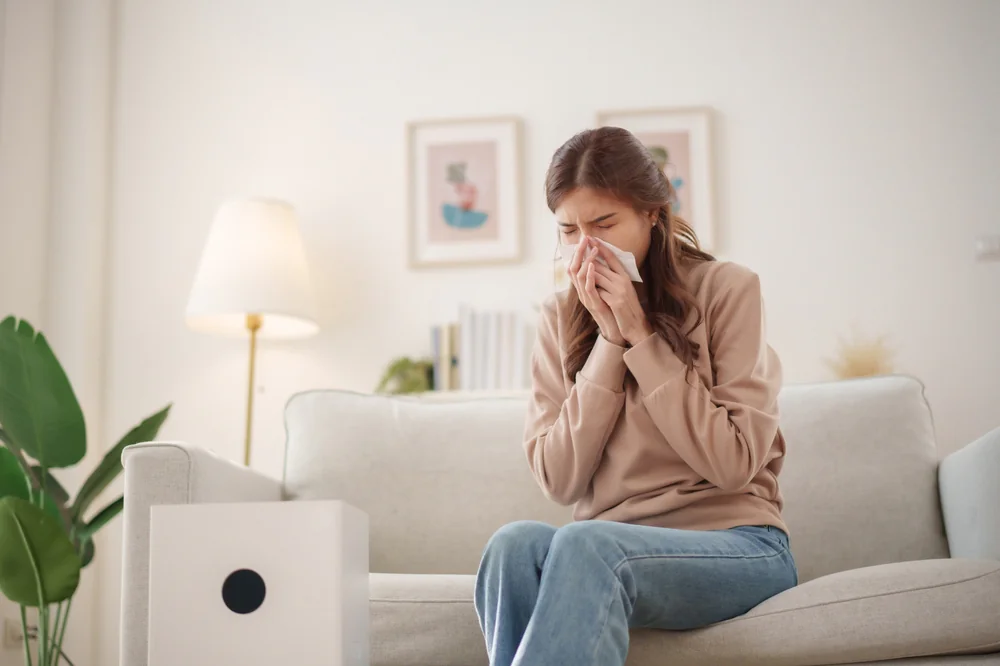
You’re not imagining it. Those headaches that disappear when you leave the house, the allergies that won’t quit, the musty smell you can’t track down—they’re real, and they’re often tied to what’s floating in your air.
A home air quality test gives you actual data. Not guesses. You’ll know if mold spores are elevated, if VOCs from cleaning products or building materials are accumulating, or if particulates are triggering respiratory issues. The American Lung Association found that indoor air can be 5 to 70 times more polluted than outdoor air, which matters when you’re spending 90% of your time inside.
Testing catches problems early, before they become expensive remediation projects. It protects your family’s health and your property value. And if you’re dealing with unexplained symptoms or past water damage, it’s the only way to know for sure what you’re up against.
We’ve been providing residential air quality testing in Bucks County for over 20 years. Bob has held PRO-LAB certification for mold testing throughout that entire time—a credential that requires rigorous quality control standards, proficiency testing, and ongoing analyst qualifications.
We don’t do remediation. That’s intentional. When your tester is also trying to sell you cleanup services, the conflict of interest is obvious. We test, we report, and we tell you what the numbers mean. What you do next is your call.
Johnsville homes face specific challenges—humid summers, temperature swings that cause condensation, proximity to water sources that increase ambient moisture. We’ve seen it all in this area, and we know what to look for.
First, we walk through your home and talk about what you’re experiencing—symptoms, odors, visible issues, past water events. This isn’t a sales pitch. It’s a consultation to figure out what kind of testing makes sense for your situation.
Then we collect samples. For a mold air test, we use spore trap sampling to capture what’s actually floating in your air. We might also use tape lifts or swabs for visible growth, moisture meters to check for hidden dampness, and thermal cameras to spot temperature anomalies that indicate moisture problems. If you’re concerned about VOCs or particulates, we can test for those too using calibrated equipment that’s checked daily for accuracy.
All samples go to an independent PRO-LAB certified laboratory. You get results in 2-3 business days with a full written interpretation—not just numbers, but what those numbers actually mean for your home. The report tells you if levels are elevated, what species are present, and what the next steps should be. No pressure, no upselling remediation you may not need.
Ready to get started?
A full indoor air quality test identifies the main components of indoor air pollution: carbon dioxide, carbon monoxide, volatile organic compounds, and particulates like dust and dander. For mold-specific concerns, we’re looking at spore counts, species identification, and moisture levels that support growth.
Bucks County received a failing grade for high ozone days according to the American Lung Association’s 2024 report, which makes indoor air quality even more critical here. You can’t control what’s happening outside, but you can control what’s happening inside your home.
Pennsylvania also has one of the worst radon problems in the country—40% of homes exceed EPA action guidelines. If radon testing hasn’t been done recently, it should be on your radar. It’s odorless, invisible, and the second leading cause of lung cancer.
Our standard mold inspection starts at $300-$350 and includes a complete visual check with moisture detection tools and two air samples. If you need more extensive testing—additional rooms, VOC analysis, ERMI testing—we’ll walk through what makes sense based on your specific situation and budget. You’re not paying for services you don’t need.
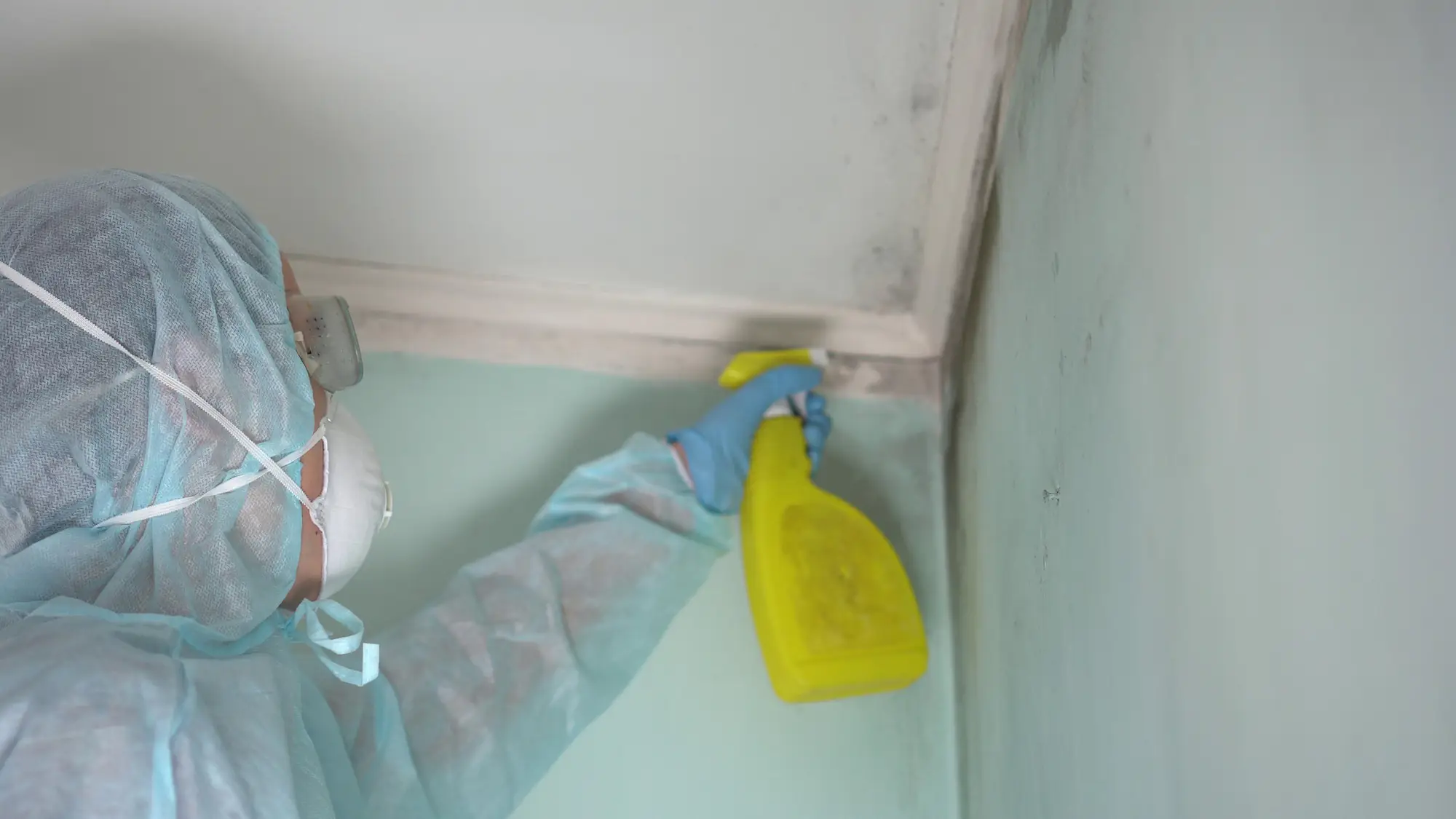
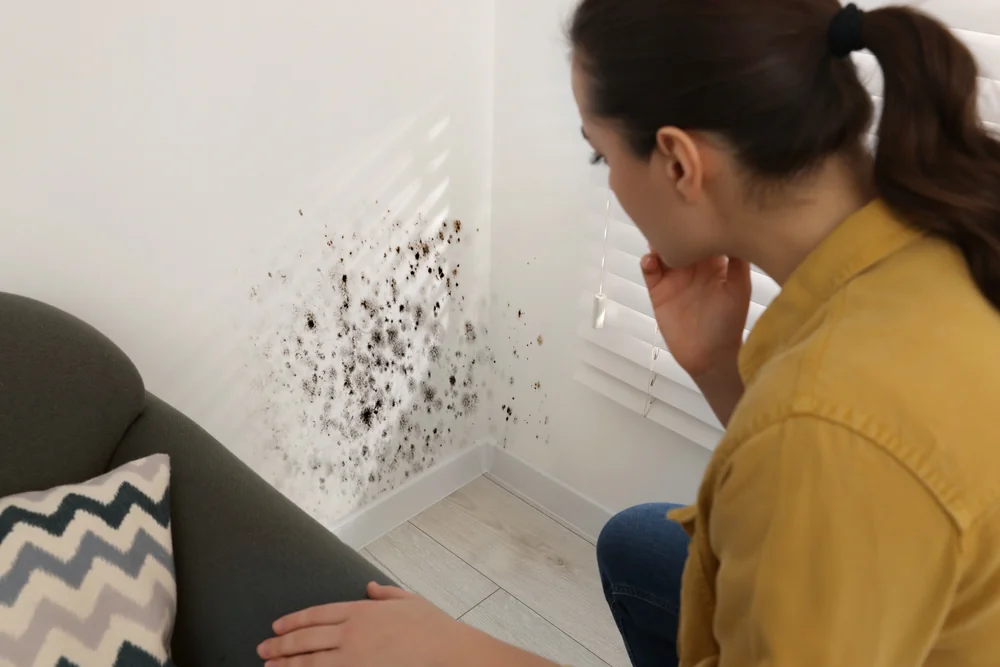
If you’re experiencing health symptoms that improve when you leave the house—allergies, headaches, respiratory irritation, fatigue—that’s a strong indicator. Persistent musty odors, especially in basements or near HVAC systems, are another red flag. Visible mold growth, even small spots, often means there’s more you can’t see.
Past water damage is a big one. Flooding, roof leaks, pipe bursts, chronic basement moisture—all of these create conditions for mold growth in hidden areas like wall cavities, under flooring, or in ductwork. Even if the water was cleaned up, mold can develop if moisture wasn’t fully addressed.
You might also want testing if you’re buying or selling a home, if you’ve had recent renovations that disturbed materials, or if you just want peace of mind. There’s no harm in testing. The harm comes from ignoring symptoms or assuming everything’s fine when it’s not.
DIY kits can tell you if mold is present, but they can’t tell you if levels are actually problematic. Mold spores exist in every home—it’s the concentration that matters. A DIY kit might show positive results and cause unnecessary panic, or miss elevated levels in areas you didn’t test.
Professional testing uses calibrated equipment and controlled sampling methods. We’re comparing your indoor levels to outdoor baseline levels and established thresholds. The samples go to a certified lab where trained analysts identify species and quantify concentrations. You get a report that explains what the numbers mean, not just a “positive” or “negative” result.
We also use tools like thermal cameras and moisture meters to find hidden problems DIY kits can’t detect. If there’s mold growing behind a wall or under flooring, a surface test won’t catch it. Professional testing gives you the full picture, not just a snapshot of one spot.
The on-site inspection usually takes 1-2 hours depending on the size of your home and the scope of testing. We’re not rushing through it. We’re checking moisture levels, looking for visible growth, talking through your concerns, and collecting samples from the right locations.
Once samples are collected, they go to the lab the same day or next business day. Results typically come back within 2-3 business days. You’ll receive a full written report with lab analysis, species identification if mold is found, spore counts, and a clear interpretation of what it all means.
If you’re dealing with an urgent situation—severe symptoms, active water intrusion, real estate transaction deadlines—let us know upfront. We can often expedite processing for time-sensitive cases. But in most situations, 2-3 days is standard and gives the lab time to do thorough analysis rather than rushing results.
Testing tells you what’s in your air and at what levels. The report will indicate if spore counts are elevated compared to outdoor levels and established guidelines. It identifies species, some of which are more concerning than others from a health standpoint.
What it doesn’t do is automatically mean you need expensive remediation. Sometimes elevated levels are due to poor ventilation or a small moisture issue that’s easy to fix. Sometimes it’s a bigger problem that requires professional cleanup. The report gives you the information to make that call, ideally with input from a remediation specialist if levels are high.
Because we don’t do remediation, we’re not incentivized to tell you the problem is worse than it is. We report what the lab finds. If levels are borderline, we’ll tell you that. If they’re significantly elevated, we’ll tell you that too. You can take the report to any remediation company you want, get multiple quotes, and make an informed decision.
Don’t do anything unusual. We need to test your home under normal living conditions to get accurate results. Don’t deep clean right before the test, don’t open all the windows, don’t run air purifiers you don’t normally use. We’re trying to capture what your air quality actually is on a typical day.
If you’ve been running a dehumidifier or air purifier regularly, keep doing that. If you haven’t, don’t start just for the test. The goal is to measure your real indoor environment, not a temporarily improved version of it.
Make sure we have access to areas of concern—basements, crawl spaces, attics, bathrooms, anywhere you’ve noticed odors or symptoms. If there are specific rooms where symptoms are worse, point those out. The more information you give us upfront, the more targeted and useful the testing will be.
A standard mold inspection with moisture detection and two air samples starts at $300-$350. That covers a visual assessment of the entire home, moisture readings in key areas, and lab analysis of air samples from two locations—usually one problem area and one control area.
If you need additional air samples, surface samples, VOC testing, or ERMI testing, costs go up from there. Most homeowners find that the standard package gives them enough information to know whether there’s a problem and how serious it is. We’ll talk through what makes sense for your situation before we start, so there are no surprises.
Compared to the cost of ignoring a mold problem—health issues, property damage, emergency remediation—testing is a small investment. It either gives you peace of mind that everything’s fine, or it catches a problem early when it’s cheaper and easier to fix. Either way, you’re making decisions based on facts instead of guessing.
Other Services we provide in Johnsville