
Hear from Our Customers
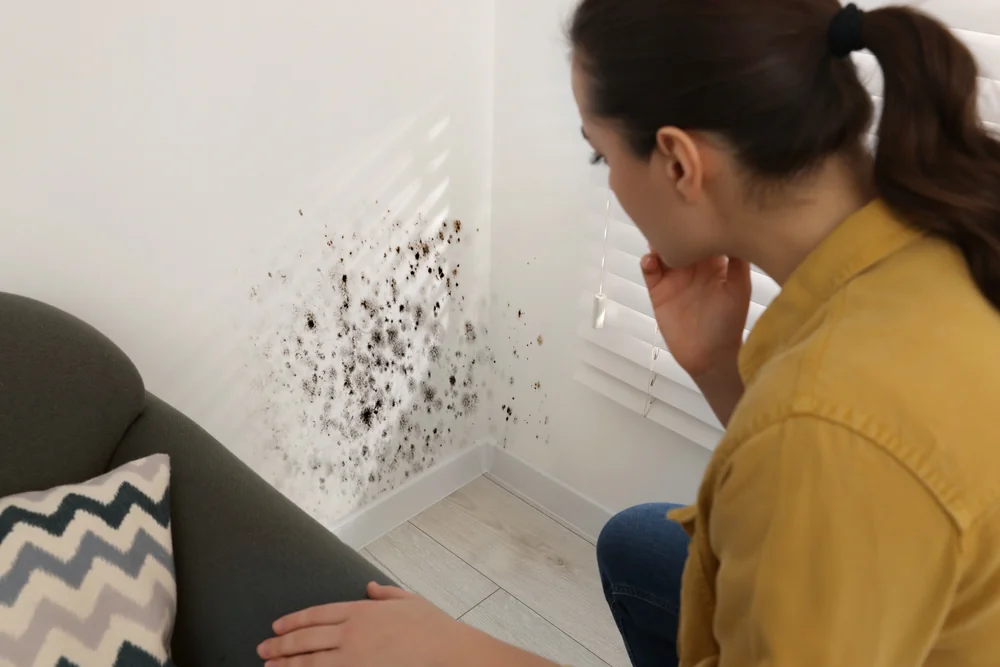
You’ve noticed the symptoms. Headaches that won’t quit. Kids with allergies that seem worse at home than anywhere else. A musty smell you can’t track down. Maybe you’ve even spotted mold, or maybe you haven’t—but something feels off.
Here’s what most people don’t realize: indoor air can be up to five times more polluted than outdoor air. That’s not a typo. Your home might be sealed up tight for energy efficiency, but that also means pollutants have nowhere to go. Mold spores, radon gas, VOCs from cleaning products or building materials, dust mites, pet dander—they all build up over time.
A home air quality test gives you real answers instead of guesswork. You’ll know exactly what’s in your air, where it’s coming from, and what needs to happen next. No more wondering if it’s all in your head. No more throwing money at air purifiers that don’t address the actual problem.
We’ve been handling air quality issues across Bucks County for years. We understand what humid Pennsylvania summers do to basements and crawl spaces. We know how Victorian-era homes in Ivyland—many on the National Register of Historic Places—weren’t built with modern ventilation in mind.
Older homes have charm, but they also have quirks. Poor drainage. Leaking roofs. Damp, unventilated rooms that create perfect conditions for mold. We’ve seen it all, and we know how to find problems other companies miss. When you call us, you’re getting someone who understands the local climate, the local housing stock, and what actually works in homes like yours.
First, we talk. You tell us what you’ve noticed—symptoms, smells, visible issues, whatever’s going on. That conversation guides where we look and what we test for.
Then we inspect your home. We’re not just taking air samples and leaving. We’re looking for moisture problems, checking your HVAC system, examining basements and crawl spaces, using thermal imaging cameras to spot hidden water intrusion. We’re finding the source, not just documenting the symptoms.
We collect air samples from multiple locations—problem areas and control areas—so we can compare and pinpoint where issues are concentrated. If we suspect mold, we take surface samples too. If your home is in Pennsylvania, radon testing is almost always a good idea since about 40% of homes here test above safe limits.
Samples go to an accredited lab. You get a detailed report that breaks down exactly what’s in your air, at what levels, and whether those levels are a problem. Then we walk you through what it means in plain language and what your options are for fixing it.
Ready to get started?
Mold spores are the big one. Even if you don’t see visible mold, spores can be circulating through your HVAC system. Long-term exposure increases asthma risk by 50%, and it hits kids and elderly family members hardest. We identify the type and concentration so you know if remediation is necessary.
Radon is the second-leading cause of lung cancer in the United States, and Pennsylvania has some of the highest radon levels in the country. It’s invisible, odorless, and comes from the natural breakdown of uranium in soil. Testing is the only way to know if you have a problem.
VOCs—volatile organic compounds—come from paint, cleaning products, building materials, even new furniture. They off-gas over time and can cause headaches, dizziness, and respiratory irritation. We measure levels and help you identify sources.
Allergens like dust mites, pet dander, and pollen get trapped indoors, especially in well-sealed homes. If someone in your house has allergies that never seem to improve, this is often why. Ivyland’s humid climate makes it worse—July is typically the wettest month, and high humidity creates ideal conditions for dust mites and mold growth.
Professional air quality testing typically runs between $300 and $1,200 depending on what you’re testing for and how many samples you need. A basic mold air test might be on the lower end. Comprehensive testing that includes mold, radon, VOCs, and allergens will cost more.
DIY kits are cheaper—usually $10 to $30—but they don’t give you the full picture. You’re collecting the sample yourself, which means there’s more room for error. You’re not getting a professional inspection that identifies the source of the problem. And you’re not getting expert interpretation of what the results actually mean for your specific situation.
We offer free inspections to assess your situation before you commit to testing. That way, you’re not paying for tests you don’t need, and you know upfront what the investment will be.
The inspection and sample collection usually take one to two hours depending on the size of your home and what we’re testing for. We’re thorough. We’re checking multiple rooms, looking for moisture sources, examining your HVAC system, and collecting samples from different areas.
Lab results typically come back within three to five business days for mold testing. Radon testing takes a bit longer—usually 48 to 72 hours of continuous monitoring, then a few days for lab analysis.
You’re not waiting weeks. You’ll have answers quickly, and we’ll schedule a follow-up call to go over results and discuss next steps as soon as they’re in.
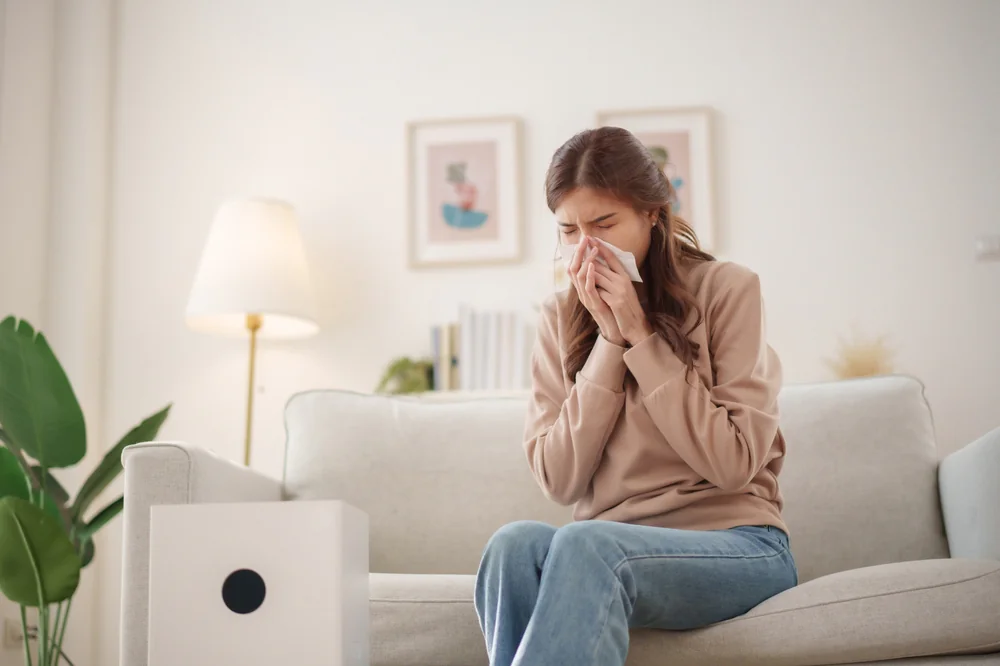
Persistent health symptoms that improve when you leave the house are the biggest red flag. Headaches, fatigue, dizziness, frequent colds, allergy symptoms that won’t quit—if multiple people in your home are experiencing these, your air quality is worth investigating.
Visible mold or a musty smell are obvious indicators, but mold often grows in hidden areas like behind walls, under flooring, or in your HVAC system. You might not see it, but you’ll smell it or feel the effects.
Water damage or flooding—even if it happened months ago—creates conditions for mold growth. Bucks County’s humid summers and heavy July rainfall mean basements and crawl spaces are especially vulnerable. If you’ve had any water intrusion, testing is a smart move.
If you’re buying or selling a home, air quality testing protects everyone involved. Buyers want to know what they’re getting into. Sellers want to address problems before they derail a sale.
You can buy DIY test kits, and they’re better than nothing. Radon test kits are widely available and fairly reliable if you follow instructions carefully. Mold test kits exist too, but they’re less useful because they don’t tell you much beyond “mold is present”—which is true in almost every home to some degree.
The problem with DIY testing is you’re missing the expertise. You might collect a sample, but you don’t know where to collect it for accurate results. You don’t know how to interpret what the lab report actually means. And you’re not getting an inspection that identifies the source of contamination.
Professional air quality testing isn’t just about the sample. It’s about understanding your home’s specific issues—where moisture is coming from, how your HVAC system is circulating air, what building materials or household products might be contributing to the problem. That’s what you’re paying for, and that’s what leads to an actual solution instead of just data.
Every three to five years is a good baseline for most homeowners, especially if anyone in your household deals with allergies or respiratory issues. Air quality changes over time as homes age, materials off-gas, and moisture problems develop.
You should test sooner if you’ve had water damage, flooding, or a leak—even a small one. Mold can start growing within 24 to 48 hours of water exposure, and it spreads fast if conditions are right.
Test after major renovations. New paint, flooring, cabinets, and furniture all release VOCs. If you’re experiencing headaches or irritation after updating your home, air quality testing will tell you if off-gassing is the culprit.
Test if you’re moving into a new home, especially an older one. Ivyland has some of the finest Victorian homes in Pennsylvania, but older construction often means aging infrastructure, poor ventilation, and hidden moisture problems. Knowing what you’re dealing with upfront saves you from bigger problems down the road.
First, don’t panic. High mold levels are fixable, but they do require professional remediation. You can’t just bleach it and call it done—that doesn’t address the source, and mold will come back.
We’ll walk you through the results and explain what type of mold was found, where the highest concentrations are, and what’s causing it. Usually, it’s a moisture problem—leaking pipes, poor drainage, high humidity, condensation in your HVAC system. Fixing the moisture issue is step one. Removing the mold is step two.
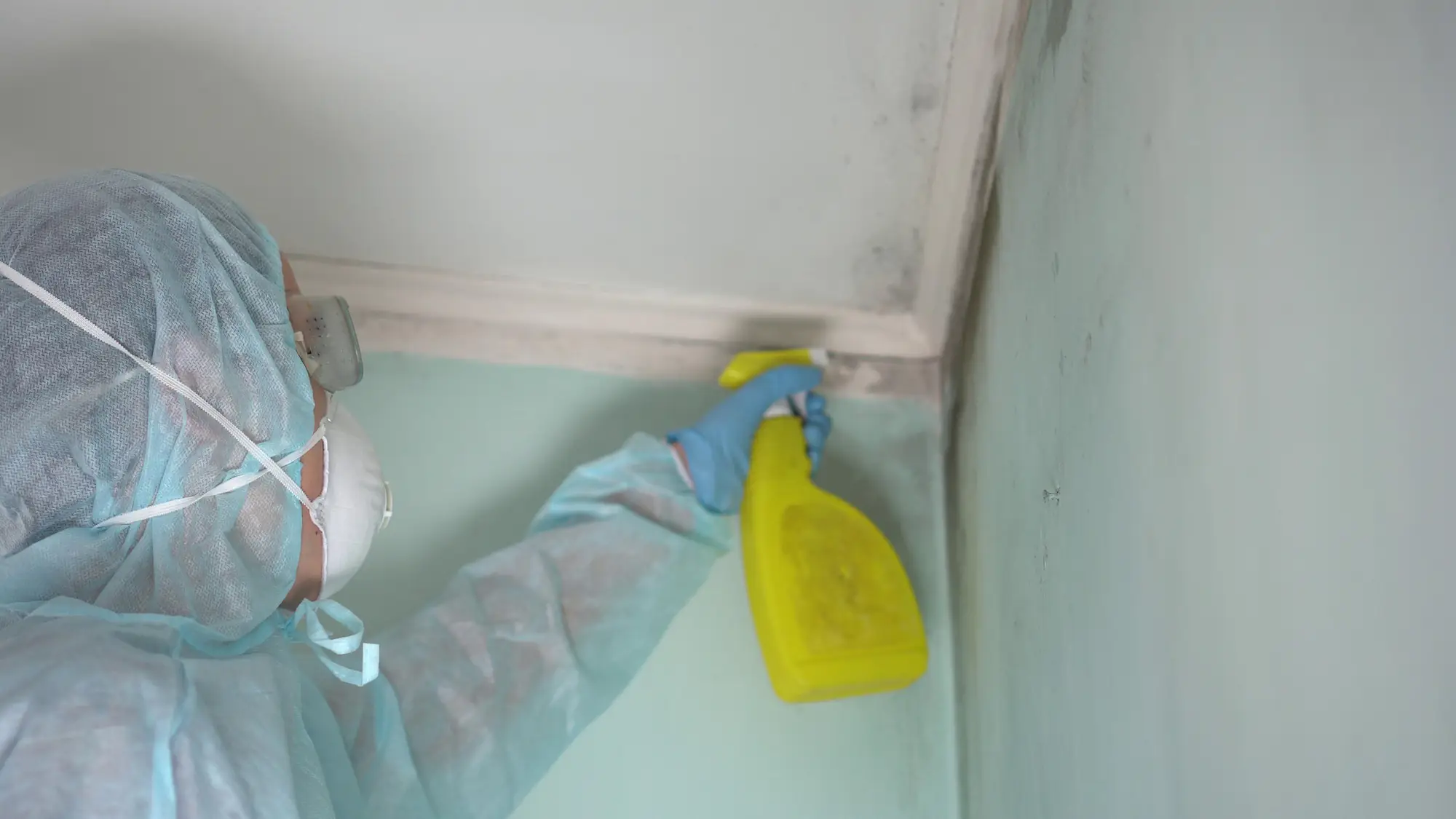
Our team handles the full remediation process. We contain the affected area so spores don’t spread during removal. We use HEPA filtration and proper disposal methods. We treat surfaces to prevent regrowth. And we verify the work with post-remediation testing to make sure your air is clean.
If you’re working with insurance, we’ll help with that too. We provide documentation, work with adjusters, and make the claims process as straightforward as possible. The goal is to get your home safe and your air clean without turning it into a months-long ordeal.
Other Services we provide in Ivyland