
Hear from Our Customers
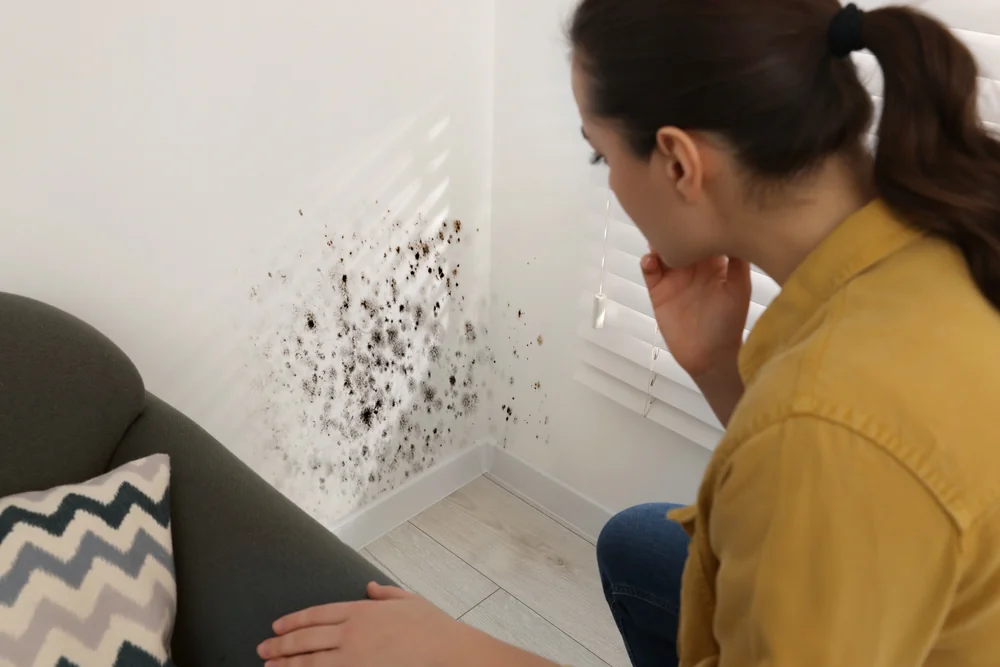
You can’t see mold spores. You can’t see VOCs from old paint or cleaning products. You can’t see dust mites or the allergens floating through your HVAC system every time it kicks on.
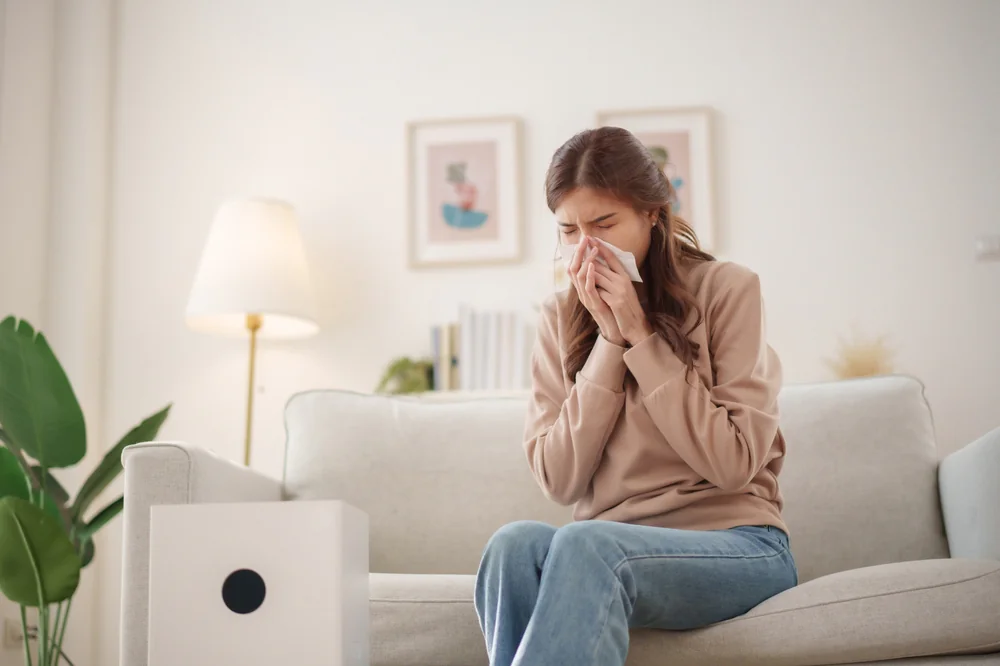
But you can feel them. The headaches that won’t quit. The allergies that flare up indoors more than outside. The stuffiness in certain rooms that never seems to go away.
A home air quality test tells you exactly what’s in your air and at what levels. Not a guess. Not a DIY kit that gives you a yes/no answer with no context. A lab-analyzed report that identifies the specific pollutants, mold species, and allergen concentrations affecting your home.
That’s when you can actually do something about it. You know what needs to be fixed, where it’s coming from, and whether it’s a ventilation issue, a moisture problem, or something hiding behind a wall. No more wondering if that musty smell in the basement is “just normal” or if your kid’s asthma is getting worse because of something you could have caught earlier.
We focus on one thing: helping homeowners in Indian Creek and throughout Bucks County understand and fix their indoor air quality problems. We’re not a franchise following a script. We’re local, we know how humid summers and aging home construction create the perfect conditions for mold and moisture issues, and we’ve seen what happens when problems go undetected.
Most homes in Indian Creek were built in the second half of the 20th century. That means older HVAC systems, settled foundations, and plenty of opportunities for water intrusion that homeowners don’t notice until it’s a bigger issue. We test homes here because we understand what to look for and where to look for it.
When you call us, you’re working with trained professionals who use EPA-certified testing methods and send samples to independent labs for analysis. You get real data, not a sales pitch.
We start with a free inspection. You walk us through the areas you’re concerned about—the basement that smells off, the bedroom where your daughter’s allergies get worse, the bathroom with the persistent moisture problem. We look for visible signs of mold, water damage, and ventilation issues, but we also check the places most people don’t think to look.
Then we collect air samples from multiple areas of your home. We’re testing for mold spores, allergens, VOCs, and other airborne pollutants. These samples go to an independent lab for analysis, not some in-house setup where we control the results.
Within a few days, you get a detailed report that breaks down exactly what’s in your air, what levels were detected, and how that compares to safe standards. We walk you through the results in plain language. If there’s a problem, we explain what’s causing it and what needs to happen next. If your air quality is fine, we tell you that too.
If remediation is needed, we handle that as well—but the testing process is separate. You’re not locked into anything. You get the information first, then you decide what makes sense for your home and your family.
Ready to get started?
Our residential air quality testing covers the pollutants that actually affect homes in Bucks County. We test for mold species—not just “mold detected,” but which types and whether they’re the kinds that cause health problems or structural damage. We test for allergens like dust mites and pet dander that trigger respiratory issues. We check for VOCs that come from building materials, furniture, and household products.
Bucks County’s humid continental climate makes moisture control a constant challenge, especially in older homes. Basements, crawl spaces, and poorly ventilated bathrooms are common problem areas. We focus on those spaces because that’s where issues start, but we also test living areas to see if contaminants are spreading through your HVAC system.
The lab analysis identifies specific species and concentration levels, which matters more than most people realize. Some mold types are relatively harmless. Others—like Stachybotrys, the black mold everyone worries about—require immediate attention. The report gives you the context to understand what you’re dealing with and how urgent the situation actually is.
You also get documentation that meets Pennsylvania Department of Health standards, which is helpful if you’re dealing with insurance claims, real estate transactions, or just want proof that your home is safe.
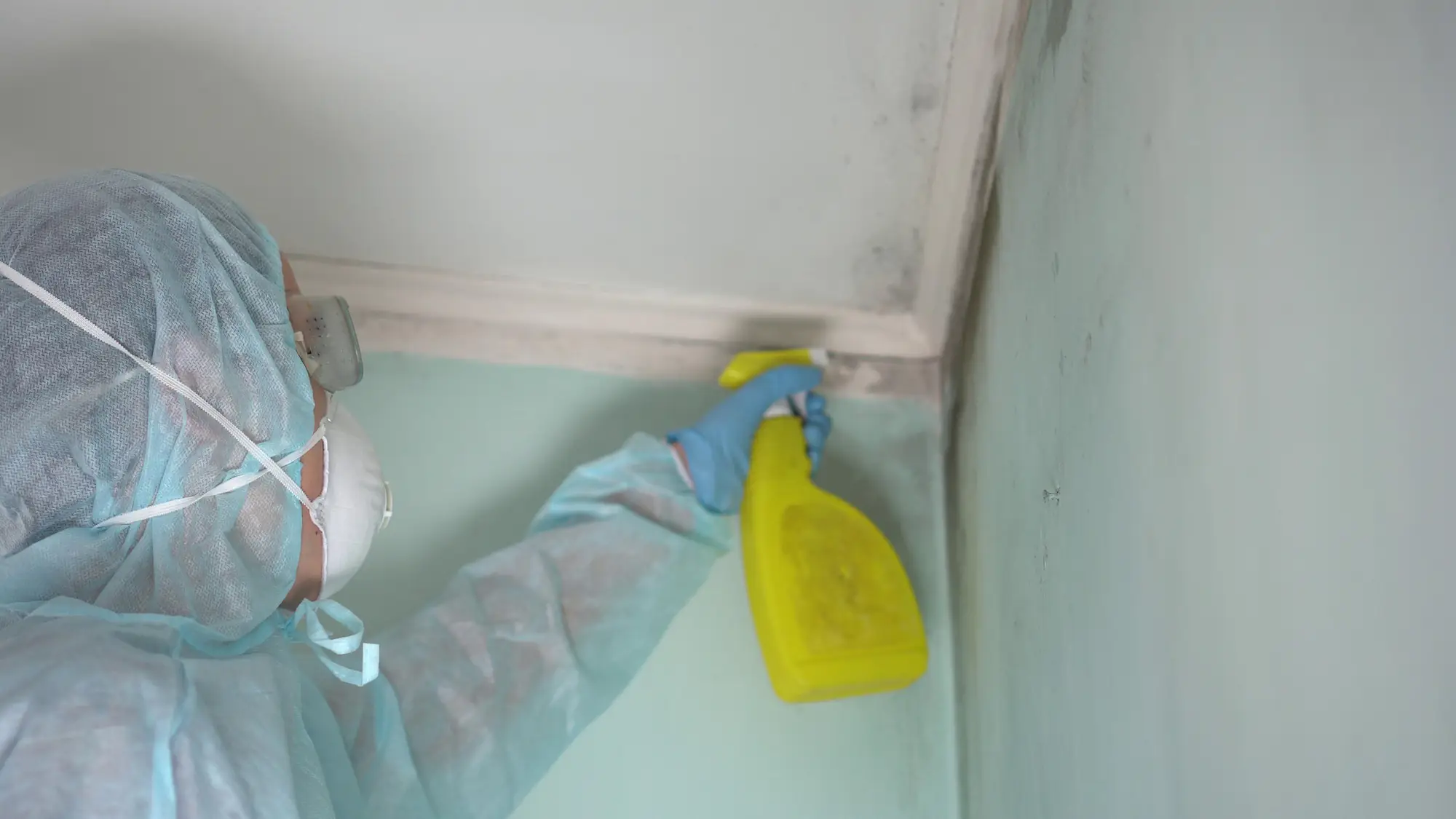
Most labs return results within three to five business days after we collect the samples. We send air samples to independent, certified labs that follow EPA testing protocols, and that process takes time to do correctly.
Once we receive the lab report, we review it and then schedule a time to walk you through the findings. We don’t just email you a PDF full of numbers and expect you to figure it out. We explain what was detected, what the concentration levels mean, and whether any action is needed.
If your situation is urgent—like you’re closing on a home sale or someone in your family is experiencing serious respiratory symptoms—we can request expedited processing. That usually cuts the turnaround time to 24 to 48 hours, though it comes with an additional lab fee.
DIY kits give you a yes or no answer: mold detected or not detected. They don’t tell you what type of mold, how much is present, or whether it’s actually a health risk. Most DIY tests also require you to mail the sample to a lab yourself, and the quality of the sample depends entirely on whether you collected it correctly.
Professional air quality testing uses calibrated equipment to collect samples from multiple locations in your home under controlled conditions. We know where to test, how long to run the air pump, and how to avoid contamination that skews results. The samples go to an EPA-certified lab that identifies specific species and measures concentration levels in spores per cubic meter.
That level of detail matters. If you have Cladosporium at low levels, that’s common and usually not a concern. If you have Stachybotrys or Aspergillus at elevated levels, that’s a different situation entirely. A DIY kit won’t tell you the difference, and you’ll either panic unnecessarily or miss a real problem.
Mold grows in places you can’t see: inside walls, under flooring, in HVAC ducts, behind appliances, and in crawl spaces. By the time you see visible mold, the problem has usually been developing for a while.
Air testing detects mold spores that are already circulating through your home, even if the source is hidden. If you’re experiencing unexplained allergy symptoms, respiratory issues, persistent musty odors, or you’ve had water damage in the past, testing tells you whether mold is present and where it might be coming from.
It’s also worth testing if you’re buying or selling a home in Indian Creek. Homes here were largely built between the 1950s and early 2000s, and many have had moisture issues at some point. A clean air quality test gives buyers confidence and protects sellers from future liability. It’s a lot cheaper than discovering a mold problem during a home inspection or after someone’s already moved in.
The cost depends on how many areas you want tested and what you’re testing for. A basic mold air test for a single room typically runs between $300 and $500, which includes sample collection and lab analysis. Testing multiple rooms or adding tests for VOCs, allergens, or specific pollutants increases the cost.
We offer free inspections, so we can assess your situation and give you a clear estimate before any testing happens. If we don’t think testing is necessary—maybe the issue is obviously a ventilation problem or there’s no indication of mold—we’ll tell you that too.
If testing reveals a problem and you move forward with remediation, we can often apply part of the testing cost toward the remediation work. And if you’re filing an insurance claim, the testing report provides the documentation most insurers require to process mold-related claims.
First, we explain what type of mold was detected, how much is present, and whether it poses a health risk or structural concern. Not all mold requires full remediation. Some types are common and harmless at low levels, and improving ventilation or fixing a minor moisture issue might be all that’s needed.
If remediation is necessary, we walk you through what that involves: containment of the affected area, removal of contaminated materials, treatment of surfaces, and steps to prevent future growth. We handle the entire process, from testing through remediation, so you’re not coordinating between multiple companies.
We also provide documentation that meets Pennsylvania health and safety standards, which is important for insurance claims and for proving the issue has been properly addressed if you’re selling your home. Once remediation is complete, we can do post-remediation testing to confirm that mold levels are back to normal and your home is safe.
Our standard air quality testing focuses on mold, allergens, and volatile organic compounds. Carbon monoxide and radon require different types of testing equipment because they’re gases that need continuous monitoring over a longer period.
If you’re concerned about carbon monoxide, we recommend installing CO detectors on every level of your home, especially near bedrooms and fuel-burning appliances. For radon, which is a concern in parts of Pennsylvania due to soil composition, you’ll need a radon-specific test that runs for at least 48 hours in the lowest livable area of your home.
We can refer you to certified radon testing professionals in Bucks County if that’s something you want to pursue. But if your main concern is mold, musty odors, or indoor allergens affecting your family’s health, our air quality testing will give you the answers you need.
Other Services we provide in Indian Creek