
Hear from Our Customers

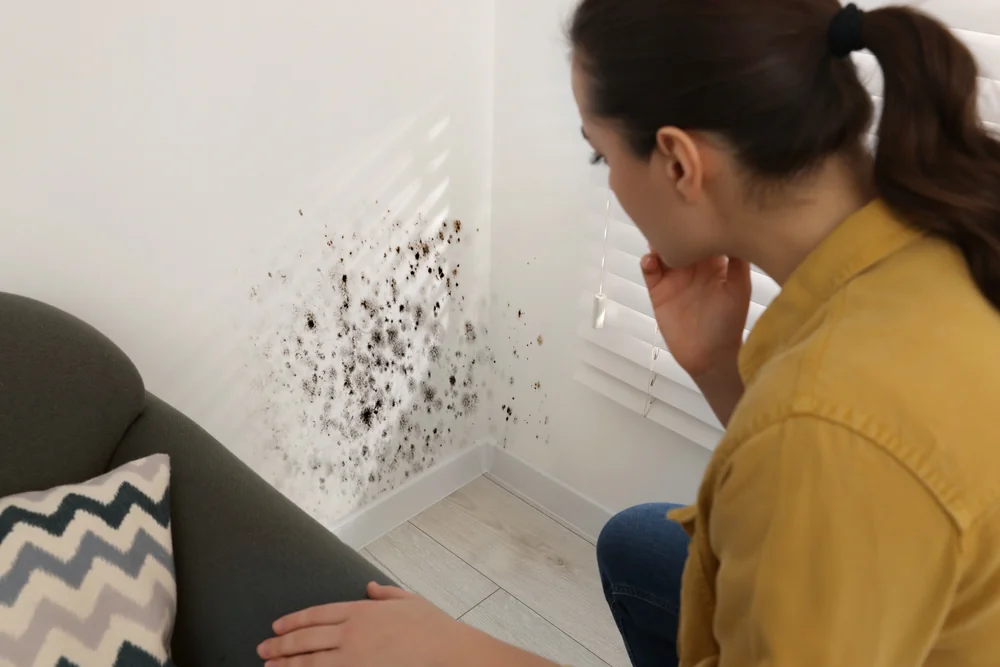
You can’t see most air quality problems. That’s the issue. Mold spores, allergens, and pollutants don’t announce themselves until someone’s coughing, wheezing, or dealing with respiratory issues that won’t quit.
A home air quality test gives you actual data. You’ll know if mold is growing somewhere you can’t see. You’ll know if your HVAC system is circulating contaminants. You’ll know if that musty smell in the basement is just old carpet or something that needs immediate attention.
Indoor air can contain two to five times more pollutants than outdoor air. That’s not a scare tactic—it’s documented by the EPA. Homes in Hinkletown, especially older ones built before the 1940s, often have moisture issues that create perfect conditions for mold growth. Basements leak. Attics trap humidity. Bathrooms don’t ventilate properly.
Testing tells you what’s actually happening. Then you can make informed decisions about remediation, prevention, or whether you need to do anything at all.
We’ve been handling mold inspection and air quality testing throughout Bucks County for years. We know the common problems in this area—leaky basements, poor ventilation in older homes, humidity issues that come with Pennsylvania weather.
Our technicians use EPA-approved testing methods and advanced equipment to analyze your indoor air. We’re certified mold remediation professionals, which means we understand what we’re looking at when test results come back. We don’t just hand you numbers—we explain what they mean and what your options are.
We also offer free initial inspections. You get a thorough assessment at no cost, and if testing makes sense for your situation, we’ll walk you through exactly what that involves and what you’ll learn from it.

We start with a visual inspection of your home. That means checking basements, attics, bathrooms, crawl spaces—anywhere moisture tends to accumulate or ventilation falls short. We’re looking for visible mold, water damage, condensation, and conditions that support mold growth.
Next comes the actual air quality testing. We use specialized equipment to collect air samples from different areas of your home. These samples get sent to a lab that analyzes them for mold spores, allergens, and other airborne contaminants. We also conduct surface testing if we spot areas that look suspicious.
The lab results typically come back within a few days. We review them with you in plain language—no jargon, no runaround. You’ll see exactly what pollutants or mold types were found, at what concentrations, and whether those levels are concerning. If remediation is needed, we’ll explain your options. If levels are normal, you’ll have documentation proving your air quality is fine.
Ready to get started?
Our residential air quality testing includes a comprehensive mold inspection of your entire home. We check damp, dark corners where mold hides—behind appliances, under sinks, in HVAC systems, around windows, and in any area with a history of water intrusion.
We use advanced detection technology to analyze air samples and identify specific pollutants. That includes mold spores, dust mites, pet dander, pollen, and volatile organic compounds. The testing follows EPA-approved protocols, and all analysis is done by certified labs.
You’ll receive a detailed report that documents findings and provides recommendations. If we find elevated mold levels or other air quality issues, we’ll outline next steps. If remediation is necessary, we handle that too—and we work directly with insurance companies to simplify the claims process.
Hinkletown homes face specific challenges. With 17.6% of homes built before the 1940s and the area’s humidity patterns, moisture problems are common. Older construction methods didn’t prioritize vapor barriers or modern ventilation. That’s why professional air quality testing makes sense here—it catches problems before they become expensive repairs.
You need testing if you smell mustiness but can’t locate the source, if someone in your home has unexplained respiratory symptoms that improve when they leave the house, or if you’ve had water damage and want to confirm remediation was successful.
Testing also makes sense if you’re buying or selling a home and want documentation of air quality. Some buyers request it during inspections, especially for older homes. And if you have visible mold in multiple areas, testing identifies what type you’re dealing with and how widespread the problem is.
The CDC doesn’t recommend testing in every situation. But when you need answers—when you suspect hidden mold, need proof for insurance, or want to verify your home is safe after remediation—a professional indoor air quality test gives you those answers.
Lab analysis identifies specific mold species, including common types like Aspergillus, Penicillium, Cladosporium, and Stachybotrys (often called black mold). The test measures spore concentrations and compares indoor levels to outdoor baseline levels.
Beyond mold, comprehensive air quality testing detects allergens like dust mites, pollen, and pet dander. It also identifies volatile organic compounds from cleaning products, building materials, or off-gassing furniture. Some tests measure particulate matter and other airborne contaminants that affect respiratory health.
Different testing methods serve different purposes. Air sampling captures what’s currently circulating through your home. Surface sampling tests specific areas where you see discoloration or suspect growth. We’ll recommend the right approach based on what you’re dealing with and what information you need.
The on-site portion takes about an hour, depending on your home’s size and how many areas we’re testing. We’ll collect air samples from multiple rooms, inspect visible areas for mold growth, and check moisture levels in walls and other surfaces.
Samples go to a certified lab for analysis. Results typically come back within three to five business days. Some labs offer rush processing if you need faster turnaround, though that usually costs extra.
Once we have results, we’ll schedule a follow-up to review findings with you. That conversation usually takes 30 minutes. We’ll explain what the numbers mean, whether any levels are concerning, and what your options are if remediation is needed. You’ll get a written report you can keep for your records or share with insurance companies or real estate agents.
DIY kits from hardware stores are cheap, but they’re not reliable. Most don’t tell you what type of mold you have or whether concentrations are actually dangerous. They just tell you mold is present—which is true in almost every home. Mold spores exist everywhere. The question is whether levels are elevated enough to cause problems.
Professional testing uses calibrated equipment and certified lab analysis. You get specific information about mold species, spore counts, and how your indoor air compares to outdoor air. That data is useful. It tells you if you have a problem that needs fixing or if levels are normal.
Professional testing also includes a thorough inspection by someone trained to spot moisture issues, hidden mold growth, and ventilation problems. We’re not just collecting samples—we’re evaluating your entire home and explaining what conditions are creating air quality issues. That’s worth paying for when you need accurate answers.
Yes. Insurance companies often require professional testing and documentation before they’ll approve mold remediation claims. They want proof that mold is present, what type it is, and how extensive the contamination is.
Our testing provides that documentation. The lab report shows specific mold species and concentration levels. The inspection report documents where mold is growing and what caused it—usually water damage from leaks, flooding, or humidity issues. That information supports your claim and helps justify remediation costs.
We work directly with insurance companies throughout Bucks County. We understand what documentation they need and how to present findings in a way that moves claims forward. If your policy covers mold damage, professional testing is usually the first step in getting approval for remediation work.
We’ll explain exactly what was found, where the problem areas are, and what’s causing the mold growth. Usually it’s a moisture issue—leaking pipes, poor ventilation, basement seepage, or roof leaks. Fixing the moisture source is always the first priority.
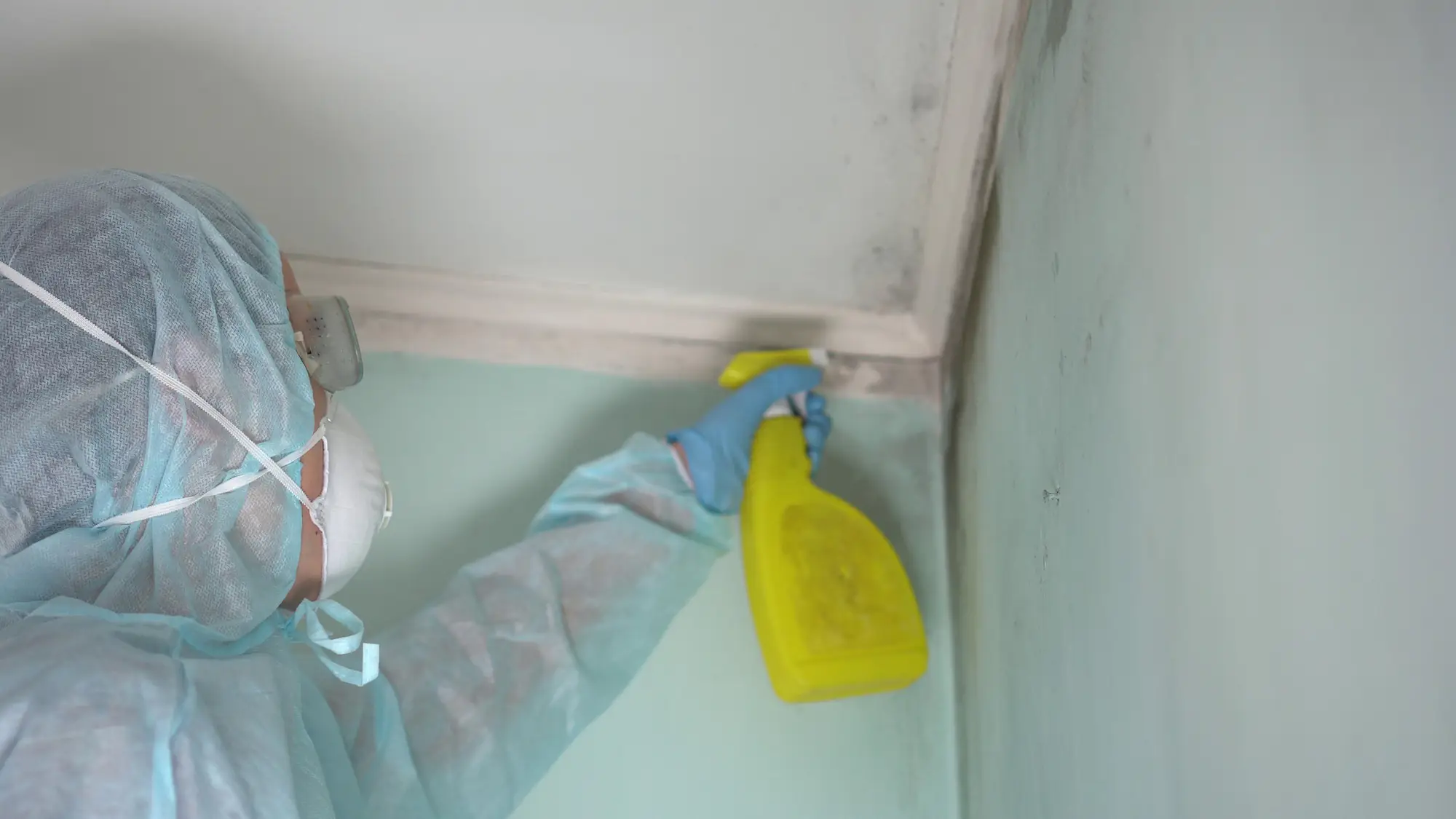
Then we’ll outline remediation options. Minor mold issues might only require cleaning and improving ventilation. Extensive contamination requires professional remediation—removing affected materials, treating surfaces, and using air filtration to remove spores. We handle all of that and follow Pennsylvania regulations for mold remediation.
After remediation, we conduct follow-up testing to confirm mold levels are back to normal. That gives you proof the problem is resolved. We also provide recommendations for preventing future mold growth—dehumidifiers, ventilation improvements, waterproofing, or maintenance steps that keep moisture under control.
Other Services we provide in Hinkletown