
Hear from Our Customers
You can’t see most air quality problems. That’s what makes them so frustrating when you’re dealing with unexplained allergies, persistent odors, or that nagging feeling something’s off in your home.
A home air quality test gives you actual data. Not guesses. We measure carbon dioxide, carbon monoxide, volatile organic compounds, particulates, and mold spores. You’ll know exactly what’s in your air and where it’s coming from.
That matters when your kids are coughing at night or your basement smells musty but you can’t find visible mold. It matters when you’re about to close on a house or you’ve just finished renovations. Indoor air pollution can be two to five times worse than outdoor air, especially in older Bucks County homes with poor ventilation and humid basements.
Testing gives you a starting point. Once you know what you’re dealing with, you can fix it the right way instead of throwing money at air purifiers and hoping for the best.
We’ve been handling mold and air quality issues across Bucks County for years. We’re not a national franchise that sends whoever’s available. We’re the team that shows up when Hartsville homeowners need answers about what’s making them sick.
We use the same equipment commercial inspectors rely on—moisture meters, infrared cameras, air sampling pumps, and lab-grade testing. But we explain results in plain language, not jargon meant to upsell you on services you don’t need.
Pennsylvania doesn’t regulate indoor mold. That means you’re on your own when it comes to protecting your family. We take that seriously because we live here too. Our job is to give you accurate information so you can make the right call for your home and your budget.
We start with a free inspection. You walk us through your concerns—where you’re noticing smells, where family members have symptoms, any water damage history. We’re listening for patterns that point to specific problems.
Then we test. Air sampling captures particulates and mold spores. Surface testing checks suspected mold growth. Moisture meters find hidden dampness in walls, floors, and ceilings. Infrared cameras show us temperature differences that indicate water intrusion or poor insulation.
We’re not just running equipment. We’re looking for the source. Mold in your air usually means mold growing somewhere. High VOC levels might trace back to new flooring or stored chemicals. Elevated CO2 could mean your HVAC system isn’t exchanging air properly.
You get a detailed report within a few days. It breaks down what we found, what the levels mean for your health, and what needs to happen next. If you need remediation, we’ll give you a clear estimate. If you don’t, we’ll tell you that too. Some problems have simple fixes—better ventilation, a dehumidifier, sealing a small leak.
The whole process usually takes a few hours onsite, depending on your home’s size and the scope of testing you need.
Ready to get started?
A residential air quality test covers the main culprits behind indoor air pollution. We test for mold spores because they’re everywhere in Hartsville’s humid climate, and they thrive in damp basements and poorly ventilated bathrooms. We measure VOCs—volatile organic compounds from paints, cleaners, furniture, and building materials that off-gas into your air.
Carbon monoxide testing checks for this odorless, dangerous gas that can leak from furnaces, water heaters, and attached garages. Carbon dioxide levels tell us if your home is getting enough fresh air exchange or if stale air is building up.
Particulate testing identifies dust, dander, pollen, and other airborne particles that aggravate allergies and asthma. We also check humidity levels because high moisture fuels mold growth and dust mites, while low humidity causes respiratory irritation.
In Hartsville and throughout Bucks County, older homes face specific challenges. Many have damp crawl spaces, aging HVAC systems, and limited ventilation. Newer construction can trap air too tightly without proper mechanical ventilation. Both scenarios create air quality problems, just different ones.
If you’re buying a home, a mold air test before closing can save you from inheriting someone else’s problem. If you’re selling, testing proves your home is healthy and can speed up the sale. If you’re just living here and something feels off, testing gives you peace of mind or a clear action plan.
Most homeowners pay between $400 and $800 for comprehensive indoor air quality testing, depending on your home’s size and what you’re testing for. A basic mold air test runs less than a full panel that includes VOCs, carbon monoxide, and particulates.
We offer free inspections to assess your situation first. That way you’re not paying for tests you don’t need. If you just had a small leak in one bathroom, you probably don’t need whole-house air sampling. If you’re dealing with mystery symptoms throughout your home, broader testing makes sense.
Some situations are urgent—visible mold growth, recent flooding, strong chemical smells. Others are preventive—pre-purchase inspections or post-remediation verification. We’ll recommend what’s appropriate for your specific situation and budget. The cost of testing is small compared to the cost of ignoring a problem that’s damaging your property or making your family sick.
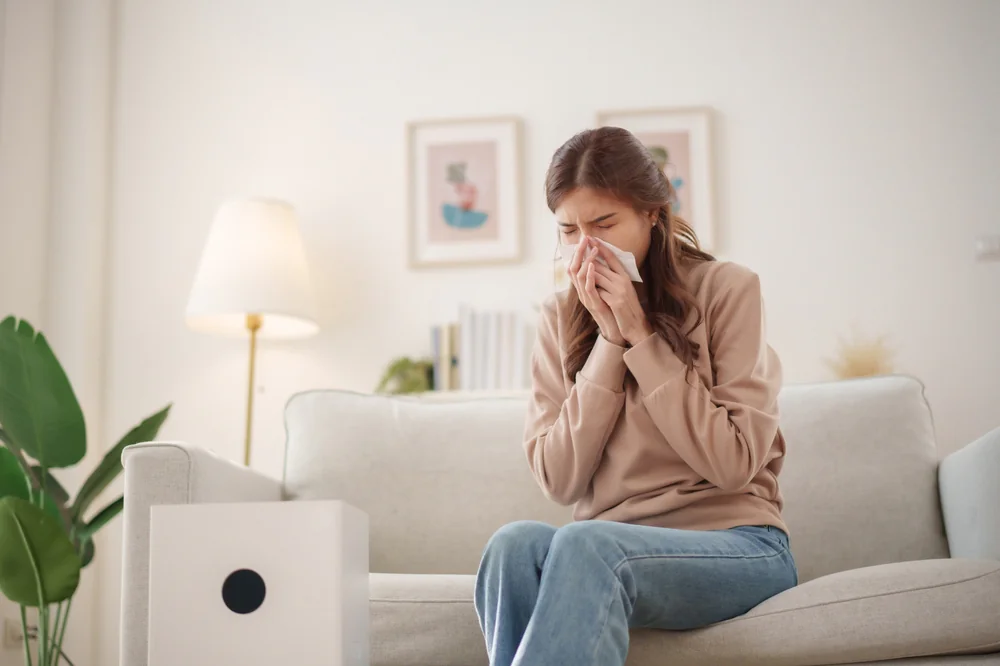
Persistent allergy symptoms that get worse indoors are the biggest red flag. If you’re congested, sneezing, or dealing with itchy eyes at home but feel better when you leave, your indoor air quality probably needs attention.
Musty odors, even without visible mold, usually mean mold is growing somewhere hidden—behind walls, under flooring, in your HVAC system. Unexplained headaches, fatigue, or respiratory issues that multiple family members experience point to air quality problems like high CO2, VOCs, or mold exposure.
You should also test after water damage, even if it was cleaned up quickly. Mold can start growing within 24-48 hours, and it often develops in places you can’t see. Before buying a home in Hartsville, testing protects you from inheriting expensive mold problems common in Bucks County’s older housing stock.
High humidity that won’t go away, condensation on windows, or a home that feels stuffy despite running your HVAC all suggest ventilation problems that affect air quality. If you’ve recently renovated, new materials can off-gas VOCs for months. Testing confirms whether levels are safe or if you need better ventilation while things cure.
The onsite portion typically takes two to four hours depending on your home’s size and the scope of testing. We’re not just setting up equipment and leaving. We’re doing a thorough visual inspection, taking multiple air samples from different areas, checking moisture levels, and using infrared cameras to find hidden problems.
Air samples need to run for a specific duration to capture an accurate picture of what’s in your air. We place sampling pumps in key areas—bedrooms, living spaces, basement, anywhere you’ve noticed issues. While those run, we’re inspecting the rest of your home for moisture intrusion, ventilation problems, and visible mold growth.
Lab results come back within three to five business days. You’ll get a detailed report that breaks down what we found and what it means. If we find elevated mold spore counts, we’ll identify the types and compare them to outdoor baseline levels. If VOCs are high, we’ll note potential sources.
We schedule a follow-up call to review results and answer your questions. If remediation is needed, we’ll provide a clear estimate and timeline. The whole process from initial inspection to having answers in hand usually takes about a week.
You can buy consumer-grade air quality monitors and DIY mold test kits, but they have serious limitations. Most home devices measure only a few parameters and aren’t calibrated to professional standards. They might tell you your air quality is “poor” without explaining why or what to do about it.
DIY mold tests often produce false positives because mold spores exist everywhere. What matters is the concentration and types of mold, which requires lab analysis and comparison to outdoor levels. Without that context, you’re just guessing whether your results are actually concerning.
Professional air quality testing uses calibrated equipment and accredited laboratories. We know where to sample, how long to sample, and how to interpret results in the context of your specific home and symptoms. We also find the source of problems, not just detect that they exist.
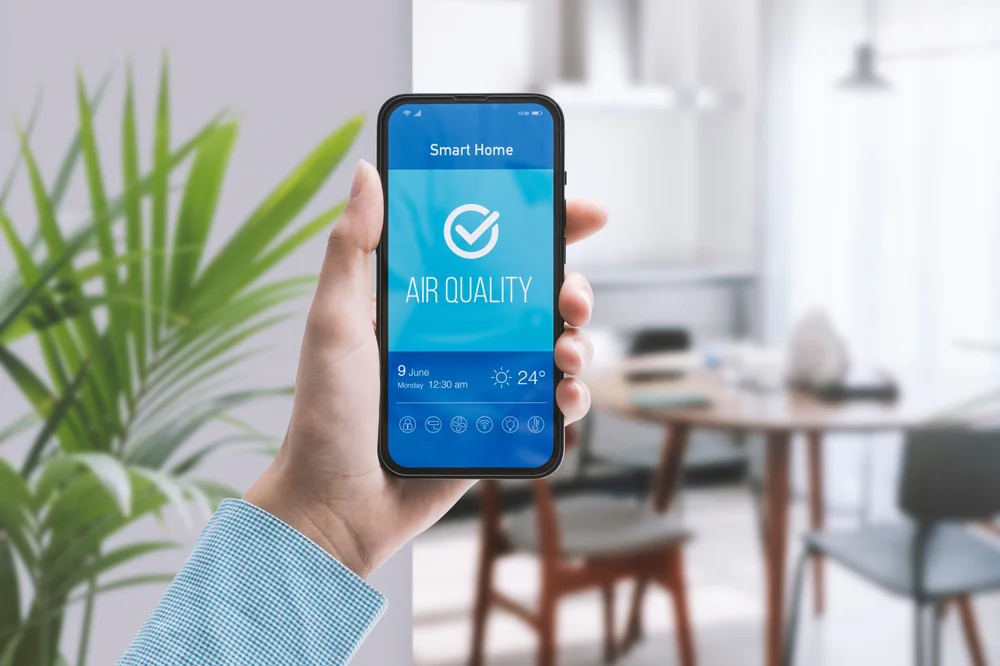
If you’re dealing with health symptoms, preparing for a real estate transaction, or concerned about mold after water damage, professional testing is worth the investment. You get accurate data and a clear action plan instead of spending money on solutions that might not address your actual problem. That said, if you want to monitor air quality over time after we’ve addressed issues, a quality home monitor can be useful for tracking trends.
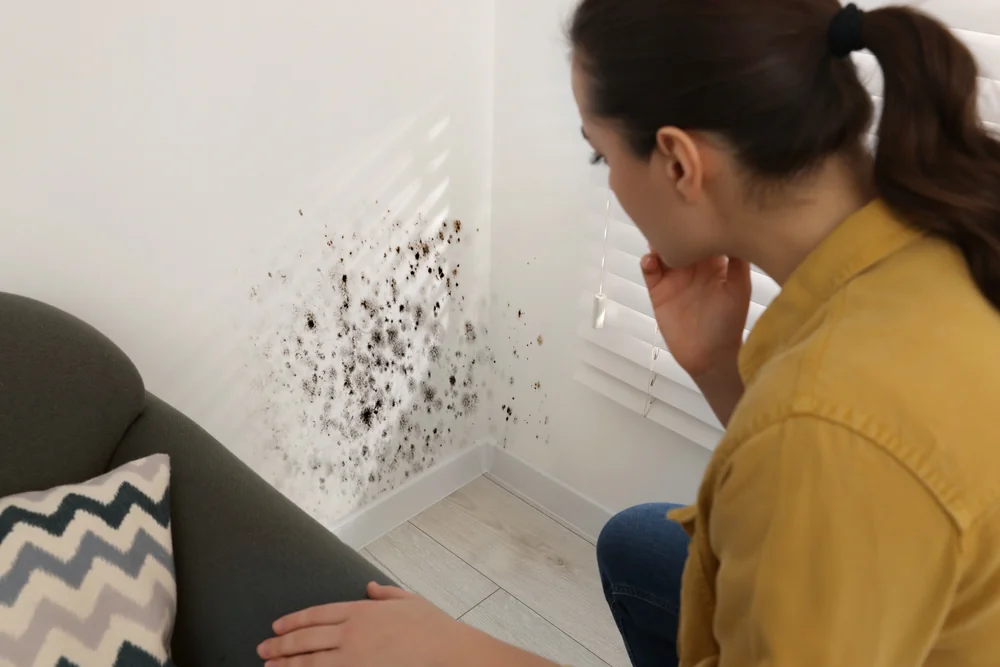
First, we identify what type of mold and how much. Not all mold is equally problematic. Some species are more allergenic or produce mycotoxins. Concentration matters too—a few spores are normal, but elevated levels indicate active growth somewhere in your home.
We locate the source using moisture meters and infrared cameras. Mold needs water, so we’re looking for leaks, condensation, high humidity, or past water damage that wasn’t properly dried. Finding and fixing the moisture source is critical. If you just remove visible mold without addressing why it’s growing, it’ll come back.
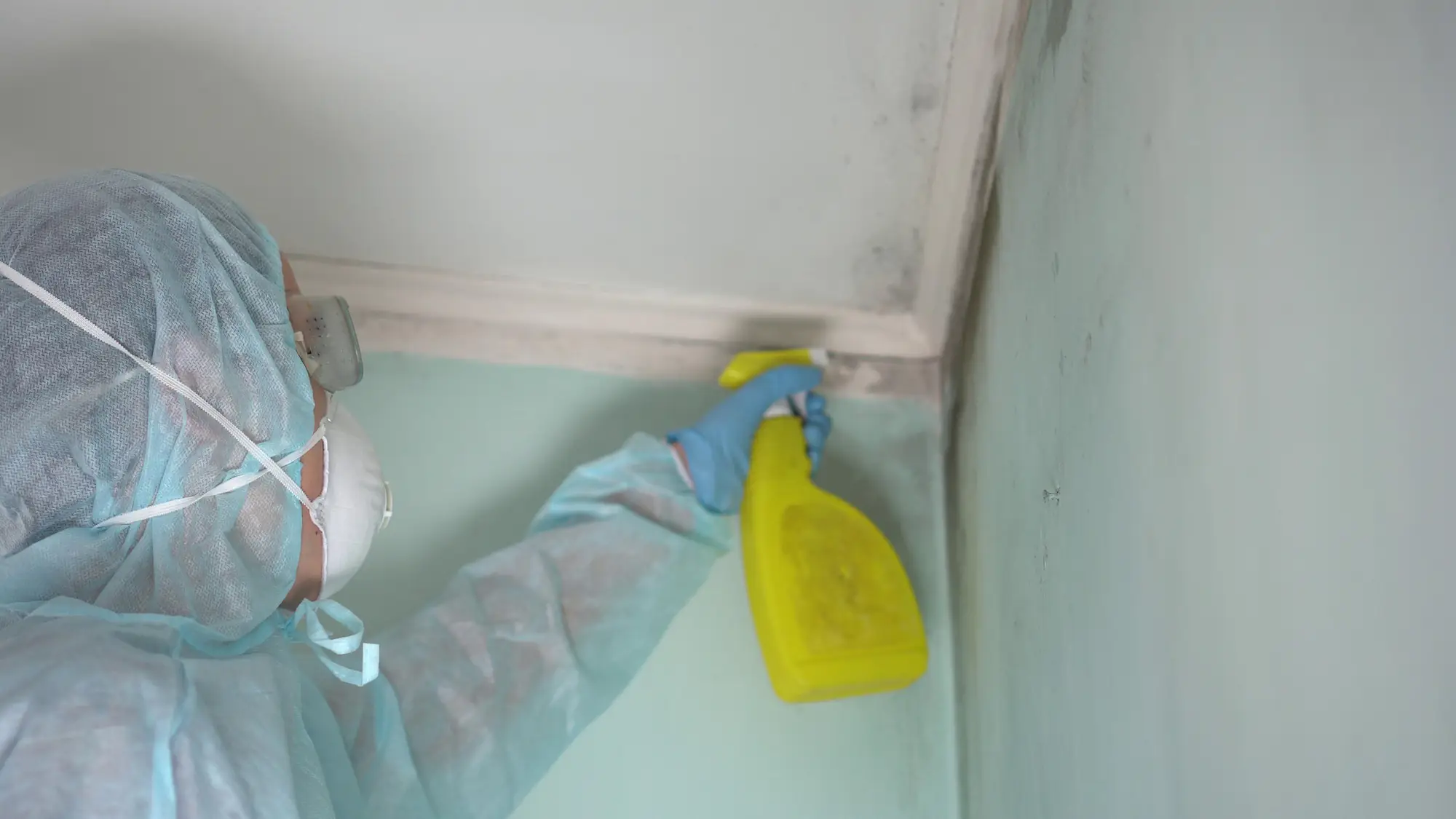
You’ll get a detailed estimate for mold remediation if it’s needed. We contain the affected area to prevent spores from spreading during removal. HEPA air scrubbers filter the air while we work. We remove contaminated materials that can’t be cleaned, treat surfaces with antimicrobial solutions, and verify with post-remediation testing that spore counts are back to normal levels.
We also fix the underlying problem—repairing leaks, improving ventilation, installing dehumidifiers, whatever’s necessary to keep mold from returning. Pennsylvania doesn’t regulate mold remediation, which means anyone can claim they do it. We follow industry standards because we want the problem actually solved, not temporarily masked. You’ll get documentation of our work that’s useful for insurance claims or if you’re selling your home.
It depends on what caused the mold. If it resulted from a sudden, accidental event—like a burst pipe or storm damage—your homeowners insurance will often cover testing and remediation. If it developed gradually from a maintenance issue like a slow leak or poor ventilation, most policies won’t cover it.
You’ll need to check your specific policy. Some exclude mold coverage entirely. Others include it up to a certain dollar limit. We’ve worked with insurance companies throughout Bucks County and can help document the damage for your claim.
We provide detailed reports with photos, moisture readings, and lab results that insurance adjusters need to process claims. If your claim is approved, we work directly with your insurance company to streamline the process. If it’s not covered, we give you transparent pricing so you know exactly what you’re paying for.
The key is addressing mold problems quickly. The longer you wait, the more damage occurs and the harder it becomes to argue it was a sudden event rather than neglect. If you’ve just discovered water damage or suspect mold growth, get it inspected right away. Even if insurance doesn’t cover everything, you’ll have documentation and a clear understanding of what needs to happen to protect your home and your family’s health.
Other Services we provide in Hartsville