
Hear from Our Customers

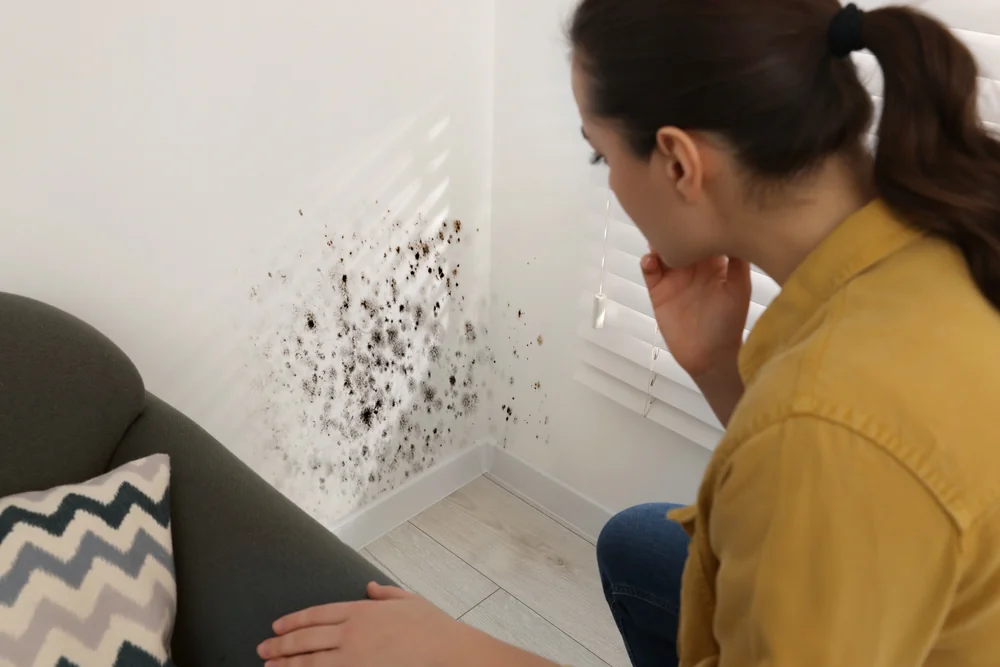
You can’t see mold spores. You can’t smell carbon monoxide. And you definitely can’t tell if your indoor air quality is two to five times more contaminated than the air outside—which the EPA says is common in most homes.
That’s the problem with air quality issues. By the time you notice symptoms like headaches, respiratory problems, or that musty smell, the issue has usually been building for months. And in Glen Ashton Farms, PA homes built around 1961, aging HVAC systems and moisture intrusion create perfect conditions for contamination you’ll never see coming.
A home air quality test changes that. You get lab-verified data on exactly what’s in your air—mold species, spore concentrations, allergens, and other pollutants. You know whether you’re dealing with a minor issue or something that needs immediate attention. And you get a clear path forward, with specific recommendations based on what the testing actually found.
No guessing. No waiting until someone gets sick. Just real information that lets you make the right call for your family and your home.
We’ve been serving Glen Ashton Farms, PA and the greater Bucks County area with professional air quality testing and mold remediation services that homeowners actually need. We’re not a national franchise reading from a script. We know the local climate—humid summers, cold winters, and the basement moisture issues that come with both.
We know the homes here. Most were built in the early 1960s with half-acre lots and 1,250 to 3,000 square feet of living space. That means aging foundations, older ventilation systems, and plenty of opportunities for moisture to settle where you can’t see it.
Our certified inspectors use thermal imaging, moisture meters, and EPA-approved testing protocols to find problems before they become expensive. We send samples to independent labs for analysis, give you transparent pricing before any work starts, and help you navigate insurance claims if needed. You’re not getting a sales pitch. You’re getting a clear assessment and honest recommendations.
We start with a free inspection of your home. Our certified team walks through with moisture meters and thermal imaging cameras to identify problem areas—basements, crawl spaces, attics, anywhere moisture tends to accumulate or ventilation falls short.
Next, we collect air samples from multiple locations throughout your home. We’re looking for mold spores, allergens, and other airborne contaminants that affect indoor air quality. If we spot visible moisture damage or suspect hidden mold, we’ll also take surface samples from those areas.
All samples go to an independent, certified laboratory for analysis. You’re not relying on our opinion—you’re getting scientific data on mold species, spore counts, and contamination levels. Lab results typically come back within 3 to 7 business days.
Once we have your results, we sit down and walk you through what we found. If there’s an issue, we explain what it means for your health and your home, and we give you a detailed remediation plan with transparent pricing. If your air quality is fine, we tell you that too. No upselling. No scare tactics. Just clear information so you can decide what makes sense for your situation.

Ready to get started?
Every residential air quality testing service includes a comprehensive inspection using advanced detection equipment—thermal cameras, moisture meters, and infrared technology that identifies problems you can’t see with the naked eye. We check basements, HVAC systems, attics, and any areas where moisture or poor ventilation create contamination risks.
You get multiple air samples collected from different rooms and levels of your home, plus surface samples if we identify visible moisture damage or suspect mold growth. All samples are analyzed by EPA-certified laboratories, and you receive a detailed report that breaks down exactly what’s in your air, which mold species are present (if any), and what concentration levels mean for your health.
Glen Ashton Farms, PA homes face specific challenges. Pennsylvania’s humid climate ranks among the worst in the country for indoor air quality—seven counties received failing grades for particle pollution, and 40% of homes show radon levels above EPA guidelines. Add in aging home infrastructure and Bucks County’s moisture-heavy environment, and you’re looking at conditions where mold and allergens thrive.
Our testing catches these issues early. Early detection can save you thousands in remediation costs and prevent the 20 to 37% drop in home value that comes with undisclosed mold contamination. We also provide direct insurance claims support to help you maximize coverage and simplify the process if your policy applies.
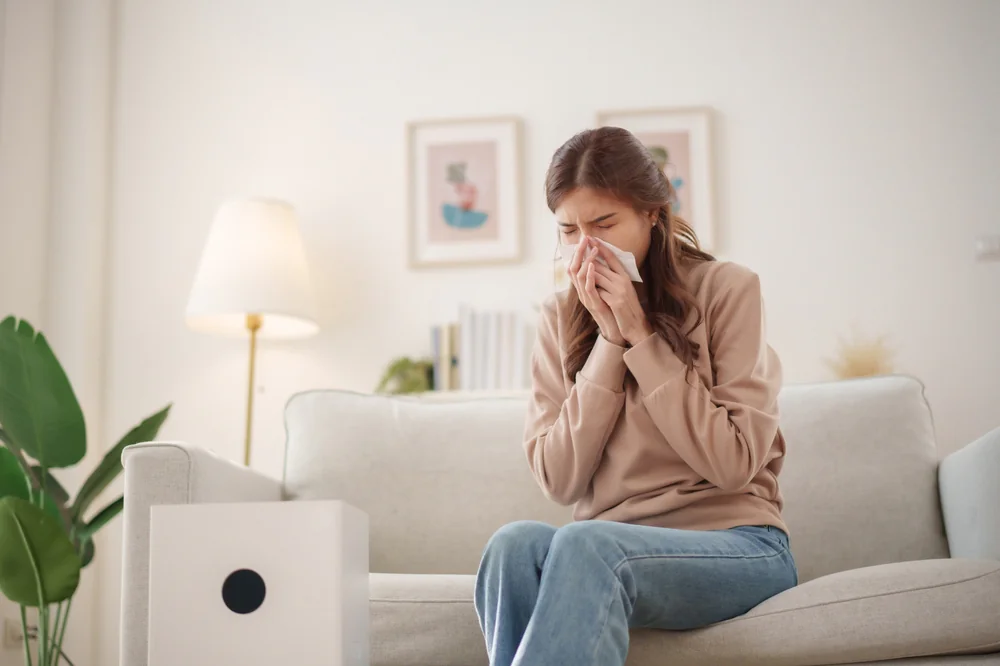
You should consider a mold air test if you’re noticing any respiratory symptoms that get worse indoors—sneezing, coughing, itchy eyes, or sinus congestion that clears up when you leave the house. Those are often the first signs of mold or allergen contamination.
Other red flags include musty odors, visible water damage or staining on walls and ceilings, condensation on windows, or any history of leaks or flooding. Even if you’ve had the leak fixed, mold can continue growing behind walls or under flooring where you can’t see it.
Homes in Glen Ashton Farms, PA are especially vulnerable because most were built in the early 1960s. Older foundations, aging HVAC systems, and decades of settling create cracks and gaps where moisture gets in. Pennsylvania’s humid summers make it worse—basements and poorly ventilated spaces become breeding grounds for mold, even without an obvious water event. If your home fits that profile and you’re experiencing any symptoms or signs, testing gives you a clear answer instead of guessing.
A visual inspection looks for obvious signs of mold growth, water damage, and moisture problems you can see. It’s useful, but it only tells you what’s happening on surfaces. Mold growing inside walls, under flooring, or in your HVAC system won’t show up in a visual inspection.
Air testing measures what’s actually floating around in the air you breathe. We collect samples from multiple rooms and send them to a certified lab, which identifies mold species and measures spore concentrations. That tells you whether you have an active mold problem, how severe it is, and whether it’s affecting your indoor air quality.
In most cases, you want both. The visual inspection identifies moisture sources and visible contamination. The air testing tells you whether mold spores are circulating through your home—even if you can’t see where they’re coming from. For homes in Glen Ashton Farms, PA with older construction and hidden moisture issues, air testing is often the only way to catch problems before they spread or start affecting your family’s health.
The actual testing appointment usually takes one to two hours, depending on the size of your home and how many areas we’re sampling. We’ll walk through your property, collect air samples from different rooms, and take surface samples if we spot any visible moisture damage or suspect contamination.
Once we collect the samples, they go to an independent, EPA-certified laboratory for analysis. Lab results typically come back within three to seven business days. You’ll receive a detailed report that breaks down exactly what was found—mold species, spore counts, contamination levels, and whether those levels pose health risks.
After we review your results, we’ll schedule a follow-up consultation to walk you through what everything means. If remediation is needed, we’ll provide a clear action plan with transparent pricing and timelines. If your air quality is fine, we’ll tell you that too. The whole process from testing to results usually wraps up within a week, so you’re not left waiting and wondering what’s going on in your home.
It depends on your policy and what caused the contamination. Most homeowners insurance policies cover mold testing and remediation if the mold resulted from a covered event—like a burst pipe, roof leak, or storm damage. If the mold developed gradually due to poor maintenance, high humidity, or long-term moisture issues, your policy probably won’t cover it.
The key is proving that the contamination came from a sudden, accidental event. That’s where documentation matters. If you’ve had recent water damage, filed a claim, or have records of repairs, your chances of coverage go up significantly.
We help with that process. We work directly with insurance companies to provide the documentation and lab results they need to process your claim. We’ll walk you through what your policy likely covers, help you file accurately, and communicate with adjusters on your behalf. Even if your insurance doesn’t cover the testing itself, it may cover the remediation—and having professional test results strengthens your claim either way.
You can, but the results are usually too vague to be useful. Most DIY kits only tell you whether mold is present—which isn’t helpful, because some level of mold exists in nearly every home. What matters is the type of mold, the concentration, and whether it’s at levels that pose health risks or indicate an active problem.
DIY kits also don’t account for proper sampling techniques. Where you place the test, how long you run it, and environmental conditions during testing all affect accuracy. If you don’t know what you’re doing, you’ll either get a false negative that misses a real problem or a false positive that causes unnecessary panic.
Professional air quality testing uses calibrated equipment and follows EPA-approved protocols. We collect samples from multiple locations, control for variables, and send everything to certified labs that identify specific mold species and measure spore concentrations. You get data you can actually use—not just a yes-or-no answer that leaves you guessing. For homes in Glen Ashton Farms, PA where aging infrastructure and moisture issues are common, that level of accuracy matters. You need to know exactly what you’re dealing with so you can make the right decision.
First, don’t panic. Finding mold doesn’t automatically mean your home is unsafe or that you’re looking at tens of thousands in repairs. It depends entirely on the type of mold, the concentration levels, and where it’s located.
Once we get your lab results back, we’ll walk you through exactly what was found. If the mold species is relatively harmless and spore counts are low, you might only need improved ventilation or a dehumidifier. If we’re dealing with toxic mold or high concentrations, we’ll recommend professional remediation to remove the contamination and fix the moisture source that’s feeding it.
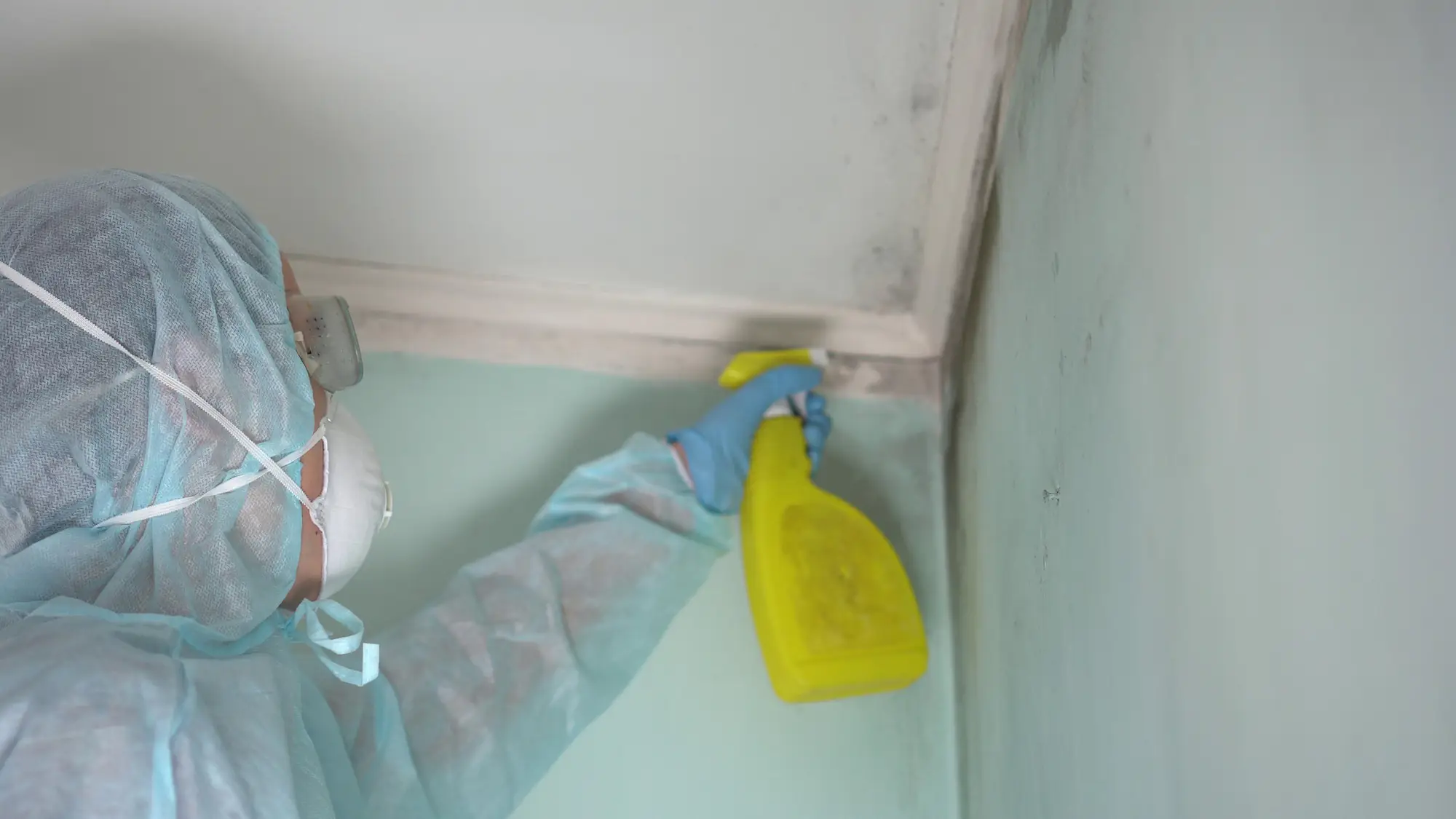
Our remediation process follows industry-approved protocols. We contain the affected area to prevent spores from spreading, remove contaminated materials safely, treat surfaces with antimicrobial solutions, and address the underlying moisture problem—whether that’s a leak, poor drainage, or ventilation issues. We also provide a clear, upfront estimate before any work starts, and we help you navigate insurance claims if your policy covers it. The goal is to get your home safe and keep it that way, without dragging out the process or hitting you with surprise costs.
Other Services we provide in Glen Ashton Farms