
Hear from Our Customers

You’ve noticed the symptoms. Coughing that won’t quit. Congestion that lingers. Maybe your kids are dealing with more headaches or your allergies suddenly got worse after moving into your Girard Estate rowhome.
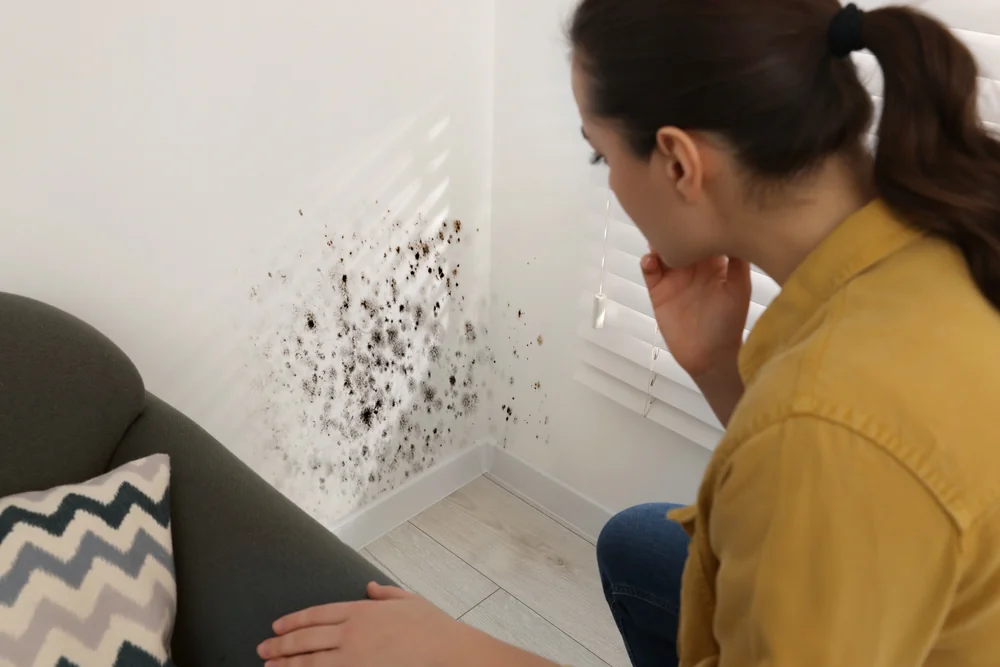
You can’t see mold spores, but that doesn’t mean they’re not there. Visible mold is often just the surface problem. What matters is whether spores have spread to other rooms, whether they’re circulating through your HVAC system, and what species you’re actually dealing with.
A home air quality test gives you lab-certified data. You’ll know what’s in your air, at what concentration, and whether it’s higher than outdoor levels. That’s the difference between guessing and knowing. Between reacting to symptoms and actually solving the problem.
If you’re buying or selling, dealing with insurance, or just trying to figure out why everyone in your house feels off, professional air quality testing is where you start.
We’ve completed over 2,000 mold inspections across the Philadelphia region. We’re certified through InterNACHI as mold inspectors, and we’ve spent more than two decades in construction, so we understand how buildings work—especially older ones.
Girard Estate homes were built between 1906 and 1916. That means plaster walls, brick basements, shared walls with neighbors, and ventilation systems that weren’t designed for modern humidity levels. We know these homes because we’ve been inside hundreds of them.
We keep testing separate from remediation. That means you’re paying for accuracy, not a sales pitch. Our job is to tell you what’s actually happening in your air, send samples to an independent lab, and give you a report you can trust.

We start with a complete visual assessment of your home. That includes checking basements, attics, crawlspaces, bathrooms, and any areas where moisture tends to collect. We’re looking for visible mold, water stains, condensation patterns, and ventilation issues.
Next, we take moisture readings throughout your home using digital moisture meters and thermal imaging. Infrared cameras let us see temperature differences behind walls and under floors—places where moisture hides and mold grows without you knowing.
Then we collect air samples. We compare indoor air to outdoor air to establish a baseline. If your indoor mold spore count is higher than what’s outside, that tells us you’ve got an indoor source. We also take surface samples if we find visible growth, so the lab can identify the exact species.
Samples go to a nationally recognized lab that specializes in mold analysis. Results typically come back within three to five business days. You’ll receive a full report that includes lab results, photographs from the inspection, moisture readings, and a clear explanation of what we found. No jargon. No upselling. Just the facts about what’s in your air and what it means for your home.

Ready to get started?
Your mold air test includes everything you need to make an informed decision. Visual inspection of your entire home. Moisture mapping with thermal imaging and digital meters. Professional air sampling that compares indoor to outdoor levels. Surface sampling if we find visible growth. And full laboratory analysis from an independent, certified lab.
The lab identifies specific mold species, measures concentration levels, and determines whether your indoor air quality is compromised. You’re not getting a pass/fail. You’re getting data that shows exactly what’s present, where it’s coming from, and how it compares to safe levels.
In Girard Estate, humidity is a year-round issue. Summers regularly hit 60% humidity or higher. Your basement stays damp because these rowhomes weren’t built with modern drainage or ventilation. Attics trap heat and moisture during summer, then condensation forms when temperatures drop. Shared walls mean moisture from your neighbor’s home can affect yours.
We document everything with photographs and detailed notes. If you’re filing an insurance claim, you’ll have the documentation they require. If you’re buying or selling, you’ll have third-party verification. If you just want to know your family is safe, you’ll have lab-certified proof of what’s in your air.
Most residential air quality testing in Girard Estate runs between $400 and $500 for a typical rowhome. That includes the visual inspection, moisture readings, air sampling, lab analysis, and a full written report.
You’re paying for certified equipment, independent lab testing, and an inspector who knows how to read the results. DIY kits you buy online might cost $50, but they sit on your counter and only test one spot. They can’t find hidden mold behind walls, they don’t compare indoor to outdoor levels, and they don’t give you the documentation insurance companies or real estate agents actually accept.
We give you upfront pricing before we start any work. No surprises. No hidden fees. You’ll know exactly what you’re getting and what it costs before we step inside your home.
A visual inspection only tells you what’s visible. Air testing tells you what’s in the air you’re breathing, even if you can’t see it.
Mold grows behind walls, under flooring, inside HVAC ducts, and in crawlspaces you never access. You might have a small patch of visible mold in your bathroom, but air testing reveals whether spores have spread to your bedrooms, living room, or basement. It measures concentration levels and compares them to outdoor air, so you know if you actually have an indoor problem or if what you’re seeing is normal environmental mold.
Air testing also identifies specific species. Some molds are relatively harmless. Others produce mycotoxins that cause serious health problems. A visual inspection can’t tell you which one you’re dealing with. Lab analysis can. If you’re experiencing unexplained health symptoms, dealing with insurance, or preparing for a real estate transaction, air testing gives you the documentation and clarity a visual inspection alone can’t provide.
Lab results typically come back within three to five business days. The actual testing appointment usually takes one to two hours depending on the size of your home and how many samples we need to collect.
We send samples to an independent lab that specializes in mold analysis. They’re looking at spore counts, identifying species, and comparing concentration levels. That level of detail takes time, but it’s what makes the results accurate and defensible.
Once results come in, we put together a comprehensive report that includes the lab findings, photographs from your inspection, moisture readings, and a clear explanation of what everything means. We walk you through the report so you understand what was found, where it’s coming from, and what your options are. You’re not just getting a piece of paper. You’re getting an expert interpretation of the data and a clear path forward.
Yes. Insurance companies require documentation from a certified lab before they’ll process mold-related claims. They don’t pay out based on photos or your word alone. They want proof that mold is present, what species it is, and what concentration levels you’re dealing with.
Our reports include everything insurers ask for: lab-certified results, detailed photographs, moisture readings, and documentation of the source. We’ve worked with insurance companies across Philadelphia for over 15 years, so we know what they require and how to present findings in a way that supports your claim.
Testing also establishes a timeline. If you’ve had water damage from a covered event like a burst pipe or roof leak, air testing shows whether mold developed as a result. That documentation can be the difference between a claim that gets approved and one that gets denied. We can work directly with your insurance adjuster if needed, and we’ll provide any follow-up documentation they request.
Homes built between 1906 and 1916 weren’t designed for the way we live now. They have plaster walls that trap moisture, brick basements that stay damp, and ventilation systems that can’t keep up with modern humidity levels.
Shared walls mean you’re not just dealing with moisture from your own home. If your neighbor has a leak or poor ventilation, that affects your air too. Older rowhomes also have less effective drainage and window seals, which means water finds its way inside more easily. When warm, humid summer air hits cool basement walls or attic surfaces, condensation forms. That’s where mold starts.
Philadelphia’s climate makes it worse. Humidity regularly exceeds 60% in summer. The city’s greenery soaks up rain, then releases moisture back into the air when temperatures rise. Older homes weren’t built to handle that. They trap humidity in ways modern homes don’t. That’s why indoor air quality testing is especially important in neighborhoods like Girard Estate. You’re not just testing for mold. You’re testing to see if your home’s age and construction are creating conditions that affect your health.
You get a clear report that tells you what species were found, where they’re concentrated, and what levels we’re seeing compared to outdoor air. From there, you decide what to do next.
Not all mold requires full remediation. Sometimes the issue is a ventilation problem or a small leak that’s easy to fix. Other times, you’re dealing with hidden growth that needs professional removal. The report gives you enough information to make that call, and we’ll explain your options without pushing you toward services you don’t need.
If remediation is necessary, you’ll have documentation that shows exactly what needs to be addressed. That’s useful whether you’re hiring a remediation company, negotiating with a seller, or filing an insurance claim. And because we keep testing separate from remediation, you’re getting unbiased results. We’re not finding problems to sell you more work. We’re telling you what’s actually there so you can move forward with confidence.
Other Services we provide in Girard Estate