

Hear from Our Customers
Your home stops smelling like mildew. Your kids stop coughing at night. You stop wondering if that dark spot in the corner is coming back.
Real mold removal means dealing with the moisture problem, not just the visible growth. If water’s still getting in through your basement walls or condensation’s building up in your attic, you’ll see mold again in a few weeks. We don’t do surface fixes.
You’ll breathe easier—literally. Mold spores trigger asthma, allergies, and respiratory issues, especially in kids under six. Once the source is handled and the contaminated materials are removed properly, your indoor air quality improves. That’s the outcome that matters.
Girard Estate has some of the oldest rowhomes in South Philadelphia. Most were built before 1940, with brick basements, plaster walls, and ventilation systems that weren’t designed for today’s humidity levels.
We’ve worked in enough of these homes to know where mold hides—behind shared walls, under old flooring, in crawl spaces that haven’t been touched in decades. We also know how to handle remediation without damaging historic materials or creating bigger problems down the line.
We serve Bucks County, Montgomery County, and the greater Philadelphia area. Our technicians are trained in EPA-approved mold remediation methods, and we follow Pennsylvania’s regulations for safe removal and disposal.

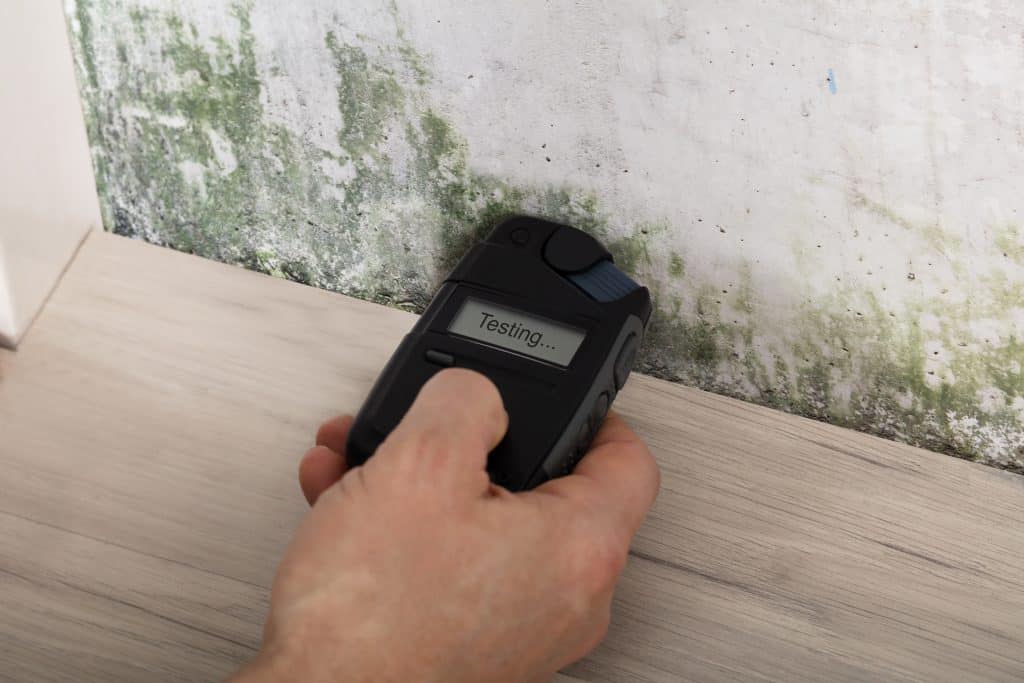
First, we inspect the entire property—not just where you see mold. We check basements, attics, HVAC systems, and wall cavities. We use moisture meters and thermal imaging to find hidden water sources.
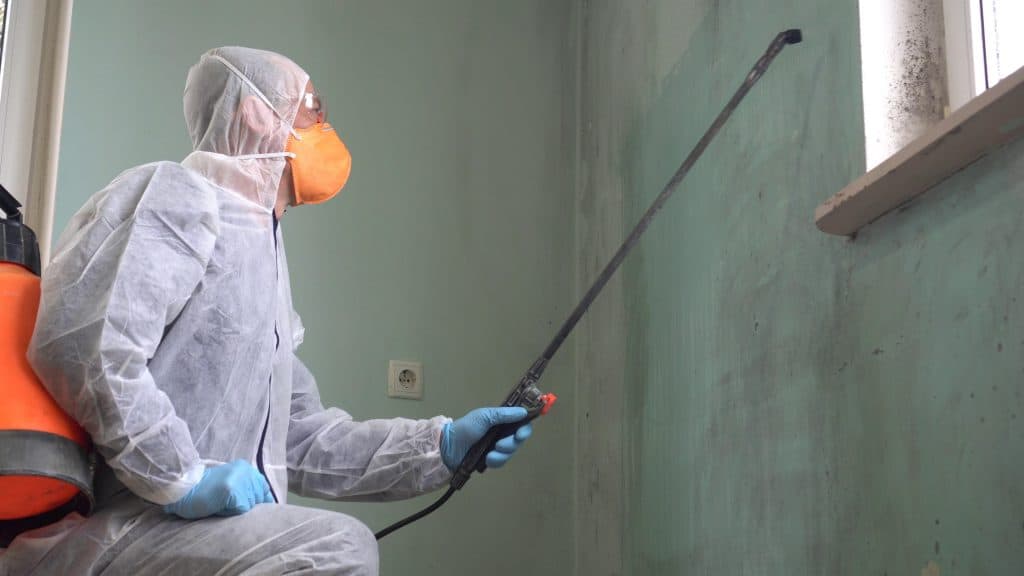
Next, we contain the affected area to prevent spores from spreading during removal. We set up negative air pressure and HEPA filtration. Then we remove contaminated materials—drywall, insulation, flooring, whatever can’t be salvaged.
After removal, we treat surfaces with antimicrobial solutions and dry everything thoroughly. We don’t leave until moisture levels are back to normal. Then we help you fix the underlying issue—whether that’s a leaking pipe, poor drainage, or a ventilation problem. If you need reconstruction after removal, we handle that too.
Ready to get started?
You get a free inspection to start. We identify the type of mold, measure the extent of contamination, and pinpoint the moisture source. You’ll know what you’re dealing with before any work begins.
Girard Estate’s humid summers and frequent rain create constant moisture exposure. Add in aging brick basements and poor attic ventilation, and you’ve got ideal conditions for mold growth. We see it most often in basements where groundwater seeps through foundation walls, and in bathrooms where old plumbing leaks behind walls.
Our mold removal includes containment, safe removal of affected materials, HEPA air filtration, antimicrobial treatment, and complete drying. We document everything for insurance claims if needed. And we work with you to address the root cause—whether that means fixing drainage issues, improving ventilation, or repairing leaks. You’re not just paying for cleanup. You’re paying to solve the problem.
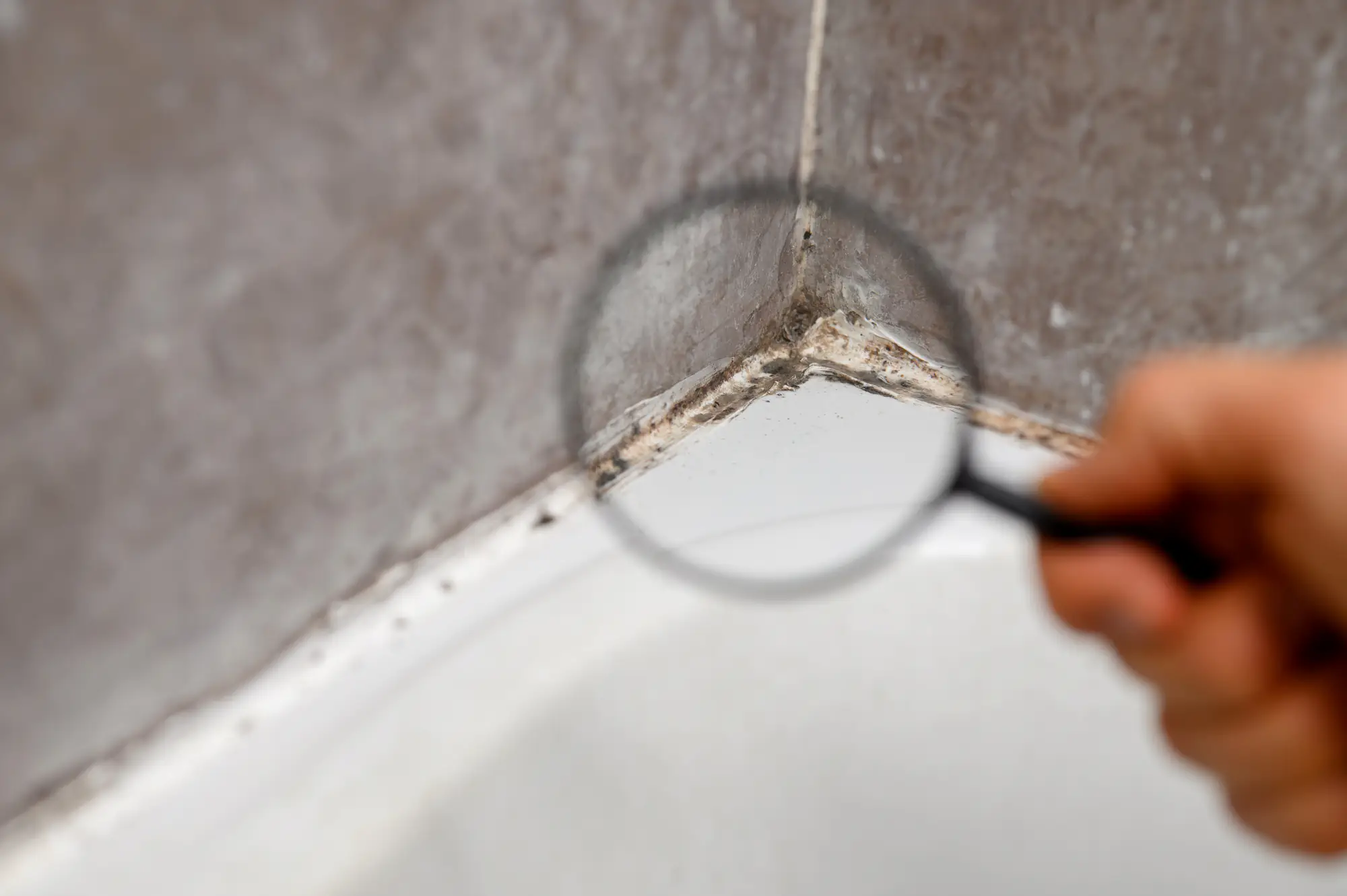
You’ll usually smell it before you see it—a musty, damp odor that doesn’t go away. You might notice dark spots on walls, ceilings, or around windows. Paint might be peeling or bubbling for no clear reason.
Health symptoms are another sign. If you or your kids are dealing with persistent coughing, sneezing, or respiratory issues that get worse at home, mold could be the cause. Allergies that flare up indoors are a red flag.
In older Girard Estate homes, check your basement first. Look for water stains on walls, efflorescence (white powdery residue on brick), or damp spots that never fully dry. Check behind furniture that’s against exterior walls, under sinks, and in corners where air doesn’t circulate well. If you’re not sure, we’ll come out and do a free inspection.
Bleach kills surface mold, but it doesn’t solve the problem. Mold grows because there’s moisture. If you’re not fixing the water source, you’re just buying yourself a few weeks before it comes back.
Bleach also doesn’t penetrate porous materials like drywall, wood, or plaster. It cleans the surface while the roots keep growing underneath. In historic homes with plaster walls, bleach can actually trap moisture and make the problem worse.
There’s also a safety issue. Disturbing mold releases spores into the air. Without proper containment and filtration, you’re spreading contamination to other parts of your home. If the affected area is larger than 10 square feet, or if you’re dealing with black mold, you need professional mold removal. We have the equipment to do it safely.
Most jobs take two to five days, depending on the size of the contaminated area and what’s causing the moisture. A small bathroom with a leaky pipe might be done in two days. A finished basement with water seeping through foundation walls could take a week.
The inspection happens first—usually within 24 hours of your call. Once we know what we’re dealing with, we’ll give you a timeline before we start. Containment and removal usually take one to three days. Drying and treatment take another day or two.
If reconstruction is needed after mold removal—like replacing drywall or flooring—that adds time. But we handle it all, so you’re not coordinating between multiple contractors. In Girard Estate, where most homes share walls with neighbors, we’re careful about noise and access. We work efficiently without dragging the process out.
It depends on what caused the mold. If it’s from a sudden, accidental event—like a burst pipe or a roof leak during a storm—most policies will cover it. If it’s from long-term neglect or maintenance issues, they probably won’t.
Insurance companies want to see that you acted quickly once you discovered the problem. Waiting months to address mold can hurt your claim. They’ll also want documentation—photos, moisture readings, a scope of work from a licensed mold removal company.
We work with insurance companies regularly. We’ll document everything, provide detailed estimates, and communicate directly with your adjuster if needed. We know what they’re looking for. Even if your claim gets denied, we’ll work with you on pricing. But it’s worth filing—you might be surprised what gets approved, especially if the damage is tied to a covered event.
They mean the same thing in practice, but “remediation” is the industry term for doing it right. It means you’re not just removing visible mold—you’re addressing the conditions that allowed it to grow in the first place.
Mold removal without remediation is like bailing water out of a sinking boat without plugging the hole. You might get rid of what you can see, but if moisture is still present, mold will return. Remediation includes identifying and fixing the moisture source, whether that’s a plumbing leak, poor ventilation, or water intrusion through your foundation.
Professional mold remediation also means following EPA guidelines for containment, air filtration, safe disposal, and post-removal verification. In Pennsylvania, there are specific regulations for how mold must be handled, especially in occupied homes. We follow those standards. It’s not just about scrubbing mold off a wall—it’s about making sure it doesn’t come back.
Most of these homes were built in the 1930s or earlier, long before modern moisture barriers and ventilation systems existed. Brick basements absorb groundwater. Plaster walls trap humidity. Rowhomes share walls, which limits airflow and creates pockets where moisture accumulates.
Philadelphia’s climate doesn’t help. Humid summers, frequent rain, and proximity to the Delaware River mean there’s almost always moisture in the air. Add in aging plumbing, old windows that leak, and HVAC systems that weren’t designed for these homes, and you’ve got a recipe for mold growth.
Basements are the biggest problem. Many Girard Estate basements have dirt floors or old concrete that’s cracked and porous. Water seeps through foundation walls, especially after heavy rain. Without proper drainage or a sump pump, that water has nowhere to go. It sits, evaporates, and creates the damp conditions mold needs to thrive. That’s why so many calls we get start with “there’s mold in my basement.”
Other Services we provide in Girard Estate