

Hear from Our Customers
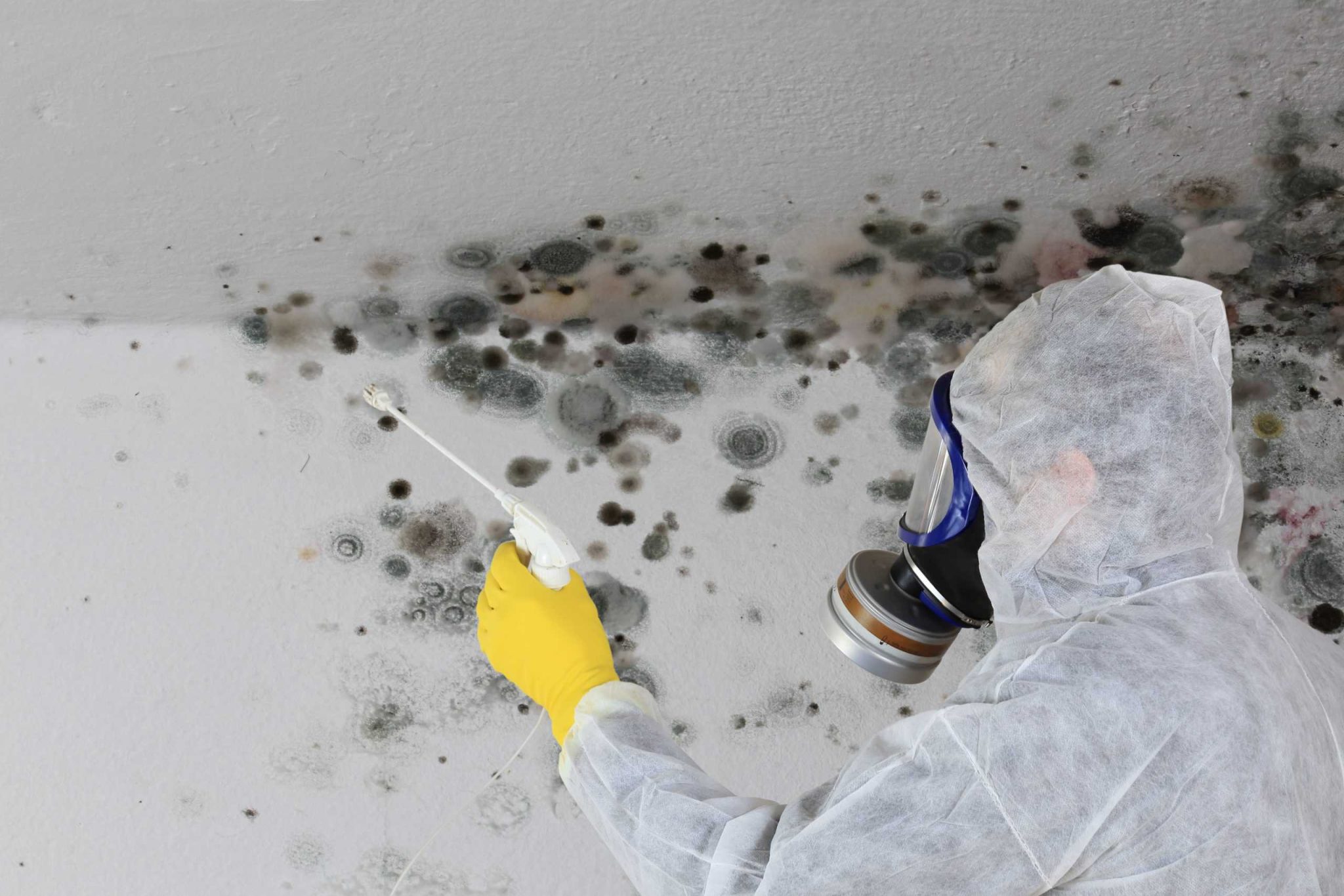
Most homeowners in Northampton Township have spent real time and money maintaining what’s visible the lawn, the kitchen, the roof. What’s inside the ductwork rarely gets a second thought, and that’s exactly where the problem tends to live. When mold gets into your HVAC system, it doesn’t stay put. Every time your heat or air kicks on, whatever’s growing in those ducts moves through the whole house.
Northampton Township gets hit with close to 49 inches of rain per year well above the national average. The Little Neshaminy Creek runs to the northwest and the Neshaminy Creek runs along the north and east edges of the township, creating real moisture pressure on basements and crawl spaces on a regular basis. Those are the same spaces where your air handler and duct connections typically live. When water gets in, mold follows fast sometimes within 48 hours and it doesn’t announce itself.
About a third of homes in Northampton Township heat with fuel oil, which often means older forced-air systems that haven’t seen a professional cleaning in years, maybe longer. If your home was built in the 1980s or 1990s which describes a large portion of the township’s housing stock the ductwork is now old enough that what’s accumulated inside it deserves a real look. A clean system means cleaner air, fewer allergy triggers, and one less thing working against you every time you’re home.
We’ve been working in Bucks County for over 15 years. We’re based in Bensalem about 10 to 12 miles south of Northampton Township via Route 532 which means when you call, you’re not waiting on a crew driving in from the Lehigh Valley or the Poconos. This is our home territory.
What sets us apart from a standard duct cleaning company is that mold remediation is the core of what we do. Certified inspectors, lab-tested samples, containment before cleaning these aren’t add-ons, they’re the baseline. After the job is done, we test the affected areas to confirm the mold is actually gone. Not assumed gone. Confirmed.
For Northampton Township homeowners especially those near the Churchville or Holland communities where creek-adjacent moisture exposure is a real factor that level of verification matters. You’re not just taking someone’s word for it.
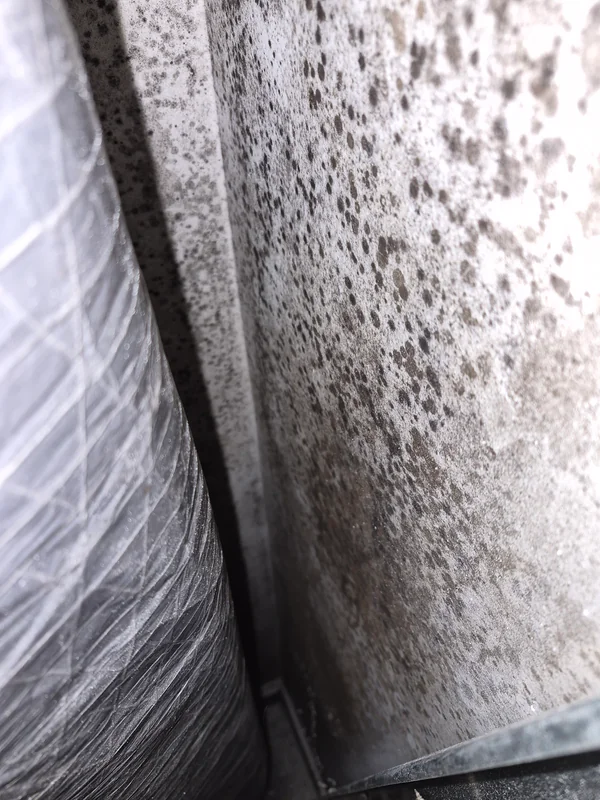
It starts with a free inspection. Before anything is quoted or scheduled, we come out to assess what’s actually going on inside your system. In Northampton Township, that often means checking for moisture-related contamination especially in homes near the Neshaminy Creek corridor or in older subdivisions where the ductwork has been in place for decades. You get upfront pricing before any work begins. No surprises after the fact.
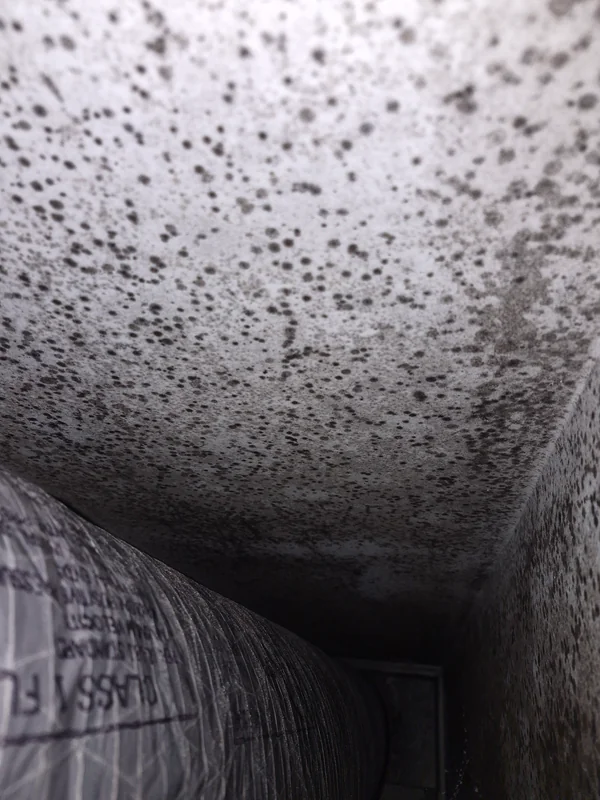
If mold is present, containment comes first. This is where working with a mold remediation specialist makes a real difference. A general duct cleaner who disturbs mold without proper containment can spread spores to rooms that weren’t affected. We use certified remediation protocols the kind that treat your HVAC system as part of a larger mold problem, not just a cleaning task. The mechanical cleaning follows: both supply and return ducts, not just the registers you can see from the floor.
From there, air duct sanitizing can be applied an antimicrobial treatment that addresses biological residue that mechanical cleaning alone doesn’t eliminate. This step matters most in homes where mold has already been confirmed. Once the work is complete, we test the treated areas to verify the results. You’ll know the job was done right because there’s documentation to back it up, not just a handshake and an invoice.
Ready to get started?
Air duct cleaning is the core of what we offer, but it’s not the only thing worth addressing while we’re already looking at your home’s ventilation system. Dryer vent cleaning is something a lot of Northampton Township homeowners put off until there’s a problem and by then, the risk has already been sitting there for a while. The NFPA reports nearly 16,000 dryer-related house fires per year nationally, with the leading cause being a vent that was never cleaned. In a township where a significant portion of homes were built 30 to 40 years ago, original dryer duct runs are often long, sometimes kinked, and well overdue for a professional cleaning.
Air duct sanitizing is also available as a follow-up to mechanical cleaning, particularly relevant for homes in Northampton Township that have dealt with basement moisture from the Neshaminy Creek watershed. Sanitizing applies an EPA-registered antimicrobial treatment to duct surfaces after debris has been removed it’s the step that addresses what you can’t see or vacuum out.
We work directly with insurance companies on mold-related claims, which can be relevant when the source of duct contamination is a documented water event. Flexible financing is available for situations where the scope of work is larger than expected. We build the scope around what your home actually needs after the inspection, not a preset menu.
The most common sign is a musty smell that appears specifically when your heating or cooling system kicks on and then fades once the air stops moving. That pattern points to something inside the ductwork or air handler, not just a damp corner of the basement. You might also notice that allergy or respiratory symptoms are worse at home than they are outside, or that certain rooms feel stuffier than others despite the system running normally.
In Northampton Township, the creek corridors along the Neshaminy and Little Neshaminy create real moisture pressure on home foundations, especially after heavy rain events. If your basement or crawl space has taken on water even once and your air handler is located in that space, there’s a reasonable chance the ductwork has been exposed to conditions where mold can establish. A free inspection from a certified mold specialist is the most direct way to find out what’s actually there, without guessing.
The honest answer is: it depends on what’s in your ducts. The EPA has a nuanced position on this routine cleaning in the absence of a specific problem has unclear benefits. But when mold is confirmed, when there’s been pest activity, or when the system has accumulated significant biological debris, the EPA explicitly recommends professional cleaning. That’s a different situation than a perfectly functional system someone is trying to upsell you on.
For a lot of Northampton Township homeowners particularly those in homes built between the 1980s and early 2000s, or those with fuel oil heating systems that haven’t been serviced in years the question isn’t whether cleaning is worthwhile in theory. It’s whether the specific conditions inside their system justify it. A free inspection answers that question without committing you to anything. If the ducts are clean, you’ll be told that. If they’re not, you’ll see the evidence.
Cleaning and sanitizing are two separate steps that address two separate problems. Mechanical cleaning removes the physical debris dust, lint, biological matter, and anything else that’s accumulated in the ductwork over time. It uses equipment that creates negative air pressure to pull debris out of the system rather than pushing it further in. This is the foundation of the service.
Sanitizing comes after cleaning and applies an EPA-registered antimicrobial treatment to the interior surfaces of the ducts. This matters most in situations where mold has been present, because mold can leave behind biological residue on duct walls even after the visible growth has been removed. In Northampton Township homes that have dealt with moisture intrusion from the Neshaminy Creek watershed or from seasonal groundwater pressure, sanitizing is often the step that completes the job rather than just pausing it. Doing one without the other in a mold-affected system leaves the work unfinished.
For most homes, a thorough professional air duct cleaning takes somewhere between four and six hours. That timeframe covers both the supply and return ducts not just the registers you can see at floor level, but the full run of ductwork through the system. If sanitizing is added, or if mold remediation work is part of the scope, the timeline extends accordingly.
In Northampton Township, where a substantial portion of the housing stock consists of larger single-family homes built during the 1980s and 1990s suburban expansion, the duct systems tend to be more extensive than a smaller or newer home. Larger square footage, more floors, and longer duct runs all affect the time needed to do the job properly. A company that quotes you a one-hour job on a 2,500-square-foot colonial is not cleaning your ducts they’re running through the motions. A real cleaning takes the time it takes, and the result is documented before the crew leaves.
Yes, and this is one of the more important things to understand about mold in an HVAC system. When mold establishes inside ductwork, every heating and cooling cycle distributes spores through the supply vents into every room the system serves. A localized mold problem in one section of ductwork can become a whole-house air quality issue without any visible growth appearing on walls or ceilings.
This is also why it matters who does the cleaning. A technician who isn’t trained in mold containment can disturb a mold colony during cleaning and spread spores to areas of the duct system that weren’t previously affected. We use certified remediation protocols containment before cleaning, verification after because the goal is to eliminate the problem, not relocate it. For Northampton Township homeowners who’ve already had mold remediated somewhere else in the house, having the HVAC system inspected is a logical next step that often gets skipped, and shouldn’t be.
Dryer vent cleaning is easy to put off because the consequences aren’t visible until something goes wrong. But the NFPA’s data is straightforward dryer fires account for roughly 16,000 home structural fires per year nationally, and the leading cause is a vent that was never cleaned. Lint accumulates in the duct run between the dryer and the exterior exhaust point, and over time it becomes a fire hazard that builds quietly behind the wall.
In Northampton Township, where a large share of homes were built in the 1980s and 1990s, many dryer vent runs were installed when the homes were new and haven’t been professionally cleaned since. Older installations sometimes have longer duct runs or configurations that accumulate lint faster than a straight, short run would. Combining dryer vent cleaning with air duct cleaning during the same visit is efficient we’re already there, the inspection has already covered the system, and you address both risks in one appointment rather than scheduling two separate calls.
Other Services we provide in Northampton