You notice a musty smell in the basement that won’t go away. Or maybe you’re buying a home and want to know what’s really happening behind those walls before you sign. Perhaps family members keep dealing with allergy symptoms that seem worse at home.
A professional house mold inspection gives you answers instead of guesswork. It’s not just someone walking through with a flashlight. The right inspection combines visual expertise with technology that detects what you can’t see, identifies moisture sources feeding mold growth, and gives you a clear picture of what’s actually happening in your home.
Here’s what a thorough inspection actually includes and why each part matters.
Understanding the Complete House Mold Inspection Process
A complete home mold inspection starts with conversation, not equipment. We ask about your concerns, any water damage history, health symptoms in the household, and areas where you’ve noticed problems. This context shapes where we’ll focus and what tools we’ll use.
From there, the process becomes systematic. Visual examination covers every accessible area of your home, from basement to attic. Moisture detection tools identify hidden water problems. Air quality testing measures spore levels. Surface sampling confirms what’s growing where.
The whole process typically takes two to six hours depending on your home’s size and complexity. You’re not paying for speed. You’re paying for thoroughness that catches problems before they spread.
Visual Assessment and Moisture Detection Methods
The visual inspection covers more ground than most homeowners realize. We examine basements, crawl spaces, attics, bathrooms, kitchens, HVAC systems, and anywhere moisture tends to collect. We’re looking for visible mold growth, water stains, discoloration, peeling paint, warped materials, and condensation patterns.
But visual checks only tell part of the story. That’s where moisture detection technology makes the difference.
Thermal imaging cameras read temperature variations across surfaces. Wet areas appear cooler than surrounding materials because moisture affects how surfaces hold and release heat. This technology spots hidden water damage behind walls, under floors, and in ceilings without cutting into anything. It’s particularly valuable in Bucks County homes where heavy rainfall and humid summers create conditions for moisture to hide in unexpected places.
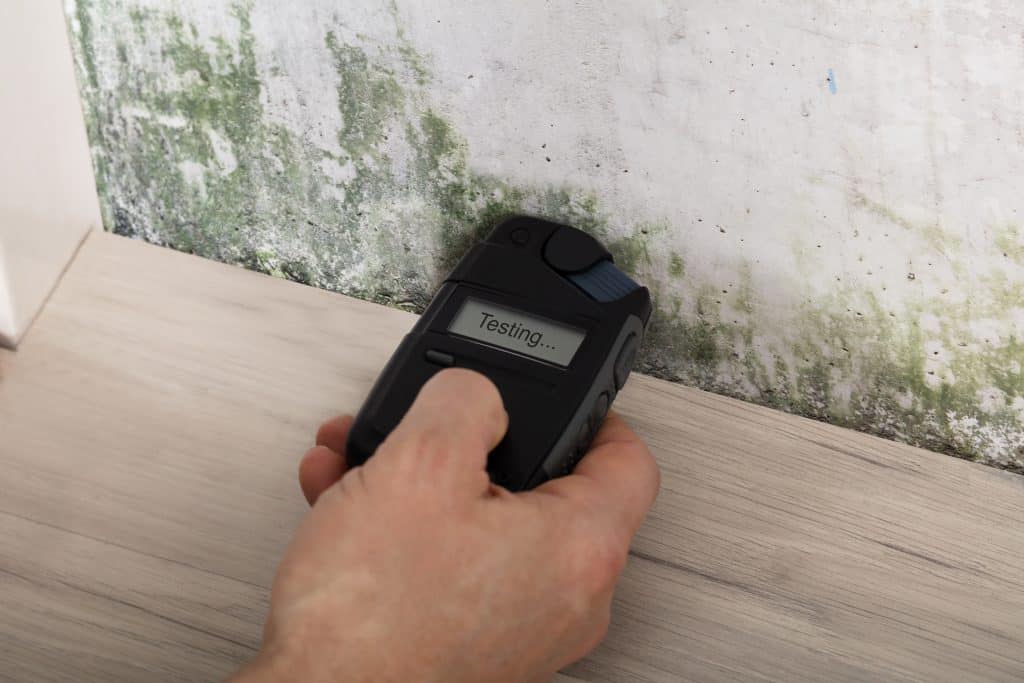
Moisture meters provide concrete readings of water content in building materials. Wood, drywall, and insulation all have optimal moisture levels. When readings exceed normal ranges, you’ve found conditions where mold thrives even if you don’t see growth yet.
Infrared cameras also reveal insulation gaps, ventilation problems, and thermal bridges where condensation forms. These aren’t just comfort issues. They’re future mold risks that a good inspection identifies before they become remediation projects.
The combination of visual expertise and detection technology catches problems at different stages. Fresh water damage. Active mold growth. Conditions that will cause mold if left alone. Each requires different responses, and knowing which you’re dealing with prevents both panic and neglect.
Air Quality Testing and Laboratory Analysis
Air sampling measures mold spore concentration in your home’s air compared to outdoor baseline levels. Every home contains some mold spores because they’re naturally present everywhere. The question is whether your indoor levels indicate active growth or just normal background presence.
We collect air samples from different rooms, particularly areas where you’ve noticed problems or spend significant time. These samples go to certified laboratories for analysis. Results identify specific mold types present and measure spore counts against typical outdoor readings.
Elevated indoor spore levels signal active mold growth somewhere in your home, even when you can’t see it. Different mold species also indicate different moisture conditions and potential health concerns.
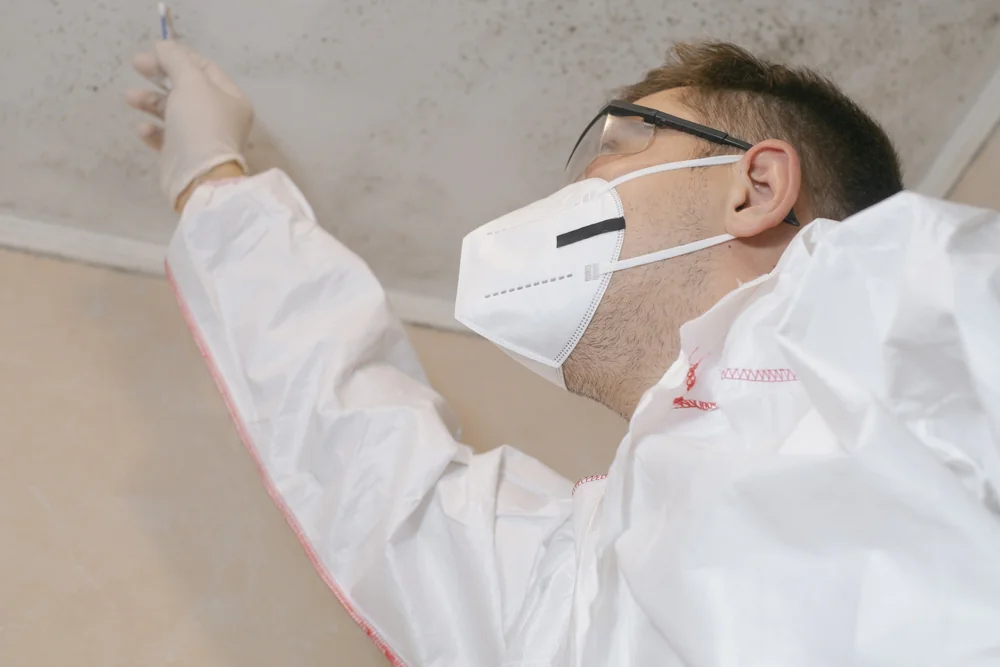
Surface sampling confirms what’s growing on specific materials. When we find visible growth or suspicious discoloration, we take tape lift samples or swabs. Lab analysis identifies the exact mold species and helps determine appropriate remediation methods.
Some situations call for bulk sampling, where small pieces of affected material go to the lab. This is particularly useful for determining whether building materials need replacement or can be cleaned and treated.
Laboratory results typically arrive within 24 to 48 hours. The report doesn’t just list what was found. It explains what the findings mean, compares your results to normal ranges, and identifies any potentially harmful species that require immediate attention.
Understanding your lab results matters because not all mold problems demand the same response. Small amounts of common mold species in a bathroom might need better ventilation and cleaning. Extensive growth of water-damage-indicator species behind walls requires professional remediation and moisture control repairs.
The inspection report ties everything together with photos documenting problem areas, moisture readings from different locations, air quality results, surface sample findings, and specific recommendations for next steps. This documentation serves multiple purposes beyond just knowing what’s wrong. It supports insurance claims, provides leverage in real estate negotiations, and creates a baseline for verifying that remediation actually solved the problem.
What Professional Mold Assessments Cover Beyond Basic Inspection
A household mold inspection identifies whether you have mold and where it’s located. A mold assessment goes deeper, answering why you have mold, how severe the contamination is, what species are present, and exactly what needs to happen to fix it properly.
The assessment process includes everything in a standard inspection plus comprehensive testing, detailed species identification, severity classification, and a formal remediation protocol. Think of inspection as diagnosis and assessment as the complete treatment plan.
We examine your home’s systems to understand how moisture moves through your property. We evaluate HVAC performance, ventilation adequacy, drainage patterns, and building envelope integrity. Mold is the symptom. These factors are often the disease.
Crawl Space Mold Inspection Procedures
Crawl spaces present unique challenges that require specialized inspection approaches. These areas combine everything mold loves: darkness, poor ventilation, ground moisture, and organic materials like wood joists and insulation.
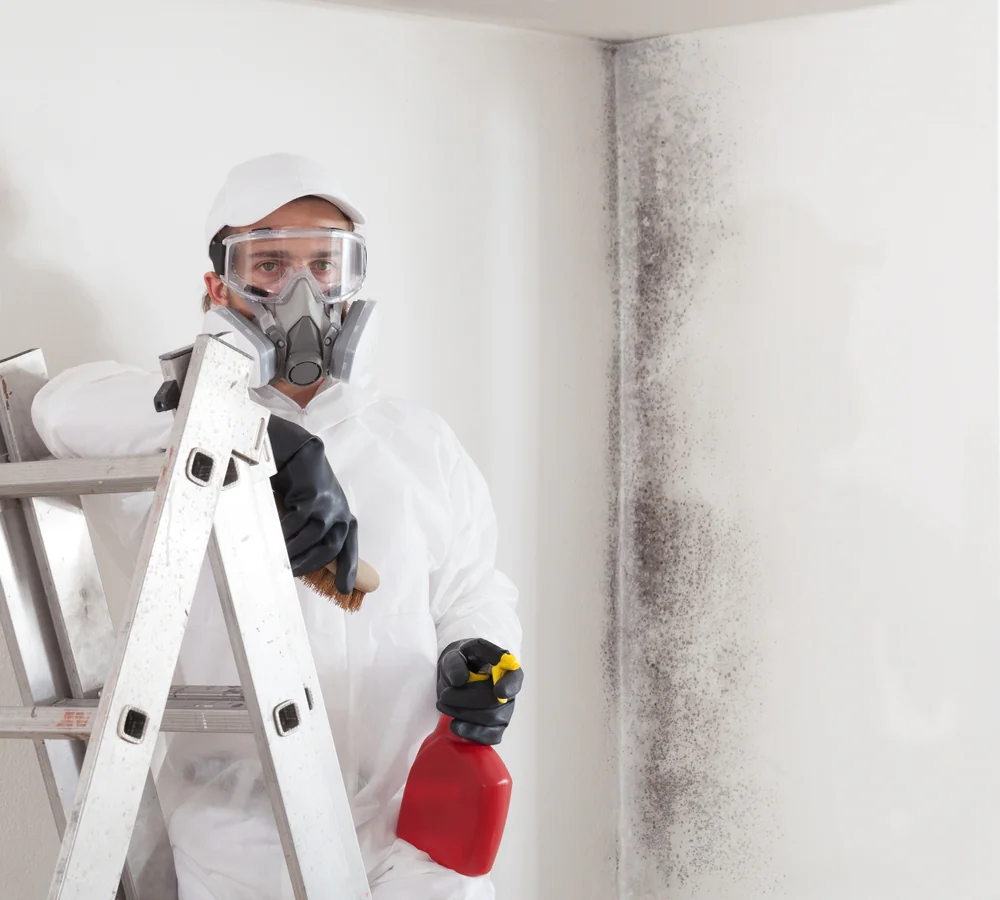
A thorough crawl space mold inspection starts with access evaluation. Many crawl spaces are tight, uncomfortable, and potentially hazardous to enter without proper training and equipment. We use protective gear and know how to navigate these spaces safely while conducting comprehensive examinations.
Visual inspection in crawl spaces focuses on floor joists, beams, subfloor materials, insulation, vapor barriers, foundation walls, and HVAC ductwork that runs through the space. We look for visible mold growth, wood rot, moisture staining, efflorescence on concrete, and condensation on pipes or ducts.
Moisture assessment is critical in crawl spaces because ground vapor and poor drainage create ongoing moisture issues. We check humidity levels with hygrometers, test wood moisture content with pin meters, and use thermal imaging to identify wet insulation or hidden leaks.
Crawl space conditions in Bucks County often reflect our area’s moisture-retaining soil and seasonal groundwater shifts. Levittown homes particularly deal with soil that holds water, creating persistent humidity problems in crawl spaces even during dry weather.
Ventilation evaluation determines whether air is moving properly through the space. Older homes often have passive vents that may be blocked or insufficient. Newer homes might have encapsulated crawl spaces with controlled humidity. Both approaches work when properly implemented, but both fail when moisture sources overwhelm the system.
The inspection identifies not just existing mold but conditions that will cause future growth. Standing water, poor vapor barriers, inadequate ventilation, plumbing leaks, and HVAC condensation all get documented with specific recommendations for correction.
When You Need Professional Inspection vs DIY Detection
Knowing when to call professionals versus handling things yourself saves both money and headaches. The distinction comes down to visibility, extent, and risk.
If you can see mold covering more than about 10 square feet, skip the inspection and move straight to professional remediation. You already know you have a problem. Testing won’t change that reality. The EPA recommends professional help for any mold contamination exceeding this size because proper removal requires containment, specialized equipment, and safety protocols most homeowners don’t have.
Small visible mold on hard surfaces in bathrooms or around windows might be DIY-cleanable if you address the moisture source. Scrubbing with appropriate cleaners and improving ventilation often handles minor surface growth. But if it keeps coming back, you’re treating symptoms while missing the underlying moisture problem that needs professional diagnosis.
Call for professional inspection when you smell musty odors but can’t locate the source. That smell indicates active mold growth somewhere, and finding it requires detection equipment and expertise you probably don’t have. Mold hiding behind walls, under flooring, or in HVAC systems won’t respond to surface cleaning because you can’t reach it without knowing where to look.
Water damage from flooding, roof leaks, or plumbing failures warrants professional inspection even if you don’t see mold yet. Mold can begin growing within 24 to 48 hours after materials get wet. The question isn’t whether mold will grow but where it’s growing and how extensively. Professional moisture detection finds these areas before visible growth appears.
Health symptoms that improve when you leave home suggest mold exposure even without visible signs. Unexplained respiratory issues, persistent allergies, headaches, or skin irritation affecting household members indicate air quality problems that require professional testing to identify and locate.
Home purchases or sales benefit from professional inspection regardless of visible signs. Buyers gain negotiating leverage and avoid inheriting hidden problems. Sellers demonstrate transparency and can address issues before they derail transactions. The few hundred dollars for inspection often saves thousands in surprises or negotiations.
Previous mold problems that were remediated should get follow-up inspections to confirm the work was complete and moisture sources were properly corrected. Mold that returns after remediation means the underlying problem wasn’t fixed, and you need professional assessment to identify what was missed.
DIY mold test kits from hardware stores provide limited value. They’ll tell you mold spores are present, which is true in every home on earth. They won’t tell you if your levels are concerning, what species you’re dealing with, or where the growth is occurring. Professional testing answers the questions that actually matter for making decisions.
Making Informed Decisions About Your Home’s Air Quality
Understanding what a complete house mold inspection includes helps you know what you’re paying for and why it matters. Visual assessment finds obvious problems. Moisture detection catches hidden issues. Air quality testing measures what you’re breathing. Laboratory analysis identifies what’s growing and how concerning it is.
The right inspection doesn’t just find mold. It identifies why you have mold, what needs to change to prevent it from returning, and gives you documentation that supports insurance claims or real estate decisions.
In Bucks County’s climate with heavy rainfall and humid summers, moisture problems aren’t rare. They’re predictable. Professional inspection catches these issues before they become expensive remediation projects or ongoing health concerns.
If you’re dealing with musty odors, past water damage, unexplained health symptoms, or simply want peace of mind about your home’s air quality, we provide comprehensive inspections using advanced technology and local expertise. The process is thorough, the results are clear, and you’ll know exactly what you’re dealing with instead of wondering what might be hiding behind your walls.