You spotted mold. Maybe it’s a dark patch in the basement corner, maybe it’s that musty smell that won’t go away, or maybe your kid’s allergies suddenly got worse. Whatever tipped you off, you’re here because you need to know what happens next.
The mold remediation process can feel like a black box—expensive, disruptive, and confusing. But it doesn’t have to be. When you understand what’s actually involved, you can make better decisions, ask the right questions, and know whether you’re getting real solutions or just a temporary cover-up. Let’s walk through what professional mold remediation actually looks like, step by step.
What Is Mold Remediation and Why It’s Different from Mold Removal
Here’s where most people get tripped up: mold removal and mold remediation aren’t the same thing. Mold removal is exactly what it sounds like—scrubbing away the visible stuff. It’s surface-level. Mold remediation goes deeper.
Remediation means identifying why the mold showed up in the first place, eliminating it safely, and fixing the conditions that let it grow. It’s the difference between mopping up water and fixing the leak. One buys you time. The other actually solves the problem.
In Bucks County, where humid summers and damp basements create perfect conditions for mold, surface cleaning rarely cuts it. The mold comes back because the moisture source is still there. Professional mold remediation addresses both the symptom and the cause.
How Mold Remediation Protects Your Health and Property Value
Mold isn’t just ugly. It’s a legitimate health risk, especially for kids, older adults, and anyone with asthma or allergies. Research shows that mold contributes to 4.6 million asthma cases in the U.S. every year. Removing it can reduce asthma symptoms by 25 to 45 percent. That’s not a small number.
Beyond health, mold tanks property value. Homes with mold issues can lose 20 to 37 percent of their value, and about half of potential buyers walk away the moment they hear the word “mold”—even if it’s been remediated. That’s why tackling it the right way matters. A proper remediation process doesn’t just clear the air. It protects your biggest investment.
The process also prevents structural damage. Mold feeds on organic materials like drywall, wood, and insulation. Left unchecked, it weakens your home from the inside out. Addressing it early saves you from expensive repairs down the line. And in a market like Bucks County, where older homes are common, that kind of prevention is worth its weight.
You’re not overreacting by taking mold seriously. You’re being smart. The remediation process is designed to restore your home to a safe, livable condition—and keep it that way.
Why Bucks County Homes Are Especially Vulnerable To Mold Growth
If you live in Bucks County, you already know the drill. Humid summers. Damp winters. Basements that seem to collect moisture no matter what you do. It’s not your imagination—this area is a hotspot for mold.
Older homes, which make up a big chunk of Bucks County’s housing stock, weren’t built with modern moisture barriers and ventilation systems. Couple that with unpredictable storms and aging plumbing, and you’ve got a recipe for mold growth. Basements are particularly vulnerable. They’re below grade, prone to leaks, and often lack proper airflow. That’s why so many local homeowners deal with recurring mold issues.
Mold needs three things to thrive: moisture, warmth, and organic material. Bucks County delivers all three. Your drywall, wood framing, and insulation provide the food. The climate provides the moisture. And unless your home is a freezer, warmth is a given.
That’s why professional mold remediation in this region isn’t just about removing mold—it’s about understanding the local conditions that caused it. We know to check for basement seepage, roof leaks, poor ventilation, and plumbing issues that are common here. We don’t just treat the mold. We treat the environment that created it.
If you’ve tried DIY solutions and the mold keeps coming back, it’s probably because the moisture source was never addressed. In Bucks County, that’s the norm, not the exception. The remediation process is designed to break that cycle for good.
The Mold Remediation Process: What Actually Happens
So what does the remediation process look like from start to finish? It’s not as simple as spraying bleach and calling it a day. Professional mold remediation follows a systematic approach designed to eliminate mold safely and prevent it from returning.
The process typically includes inspection, containment, air filtration, removal of contaminated materials, cleaning, drying, and restoration. Each step serves a specific purpose. Skip one, and you’re likely to see mold again within months. Let’s break down what happens at each stage and why it matters.
Inspection, Testing, and Identifying the Moisture Source
Everything starts with an inspection. A qualified technician walks through your home looking for visible mold, water stains, and signs of moisture damage. But we’re also looking for what you can’t see—hidden mold behind walls, under flooring, or in HVAC systems.
Tools like moisture meters and thermal imaging cameras help locate problem areas that aren’t obvious to the naked eye. These aren’t optional extras. They’re essential for understanding the full scope of the issue. Mold loves to hide, and if you don’t find it all, you’re just setting yourself up for round two.
Testing may also be part of the process, especially if the type of mold isn’t clear or if there’s a health concern. Air quality testing measures the concentration of mold spores in your home and compares it to outdoor levels. Surface samples can identify specific mold species, which helps determine the right remediation approach. Not all mold is the same, and some types—like black mold—require more aggressive treatment.
But here’s the most important part of the inspection: identifying the moisture source. Mold doesn’t grow without water. Whether it’s a leaky pipe, a roof issue, basement seepage, or just high humidity, something is feeding the mold. Until that source is fixed, remediation is pointless. The mold will just come back.
A good inspection doesn’t just tell you where the mold is. It tells you why it’s there. That’s what separates a real solution from a temporary fix. In Bucks County, common culprits include basement moisture, poor ventilation, and aging plumbing. Knowing which one you’re dealing with shapes the entire remediation plan.
Containment, Removal, and Cleaning: How Mold Is Safely Eliminated
Once the inspection is done and the moisture source is addressed, the real work begins. Containment is the first step. Mold spreads through spores, which are microscopic and easily airborne. Disturbing mold without containment is like shaking a dandelion indoors—you’re just spreading the problem.
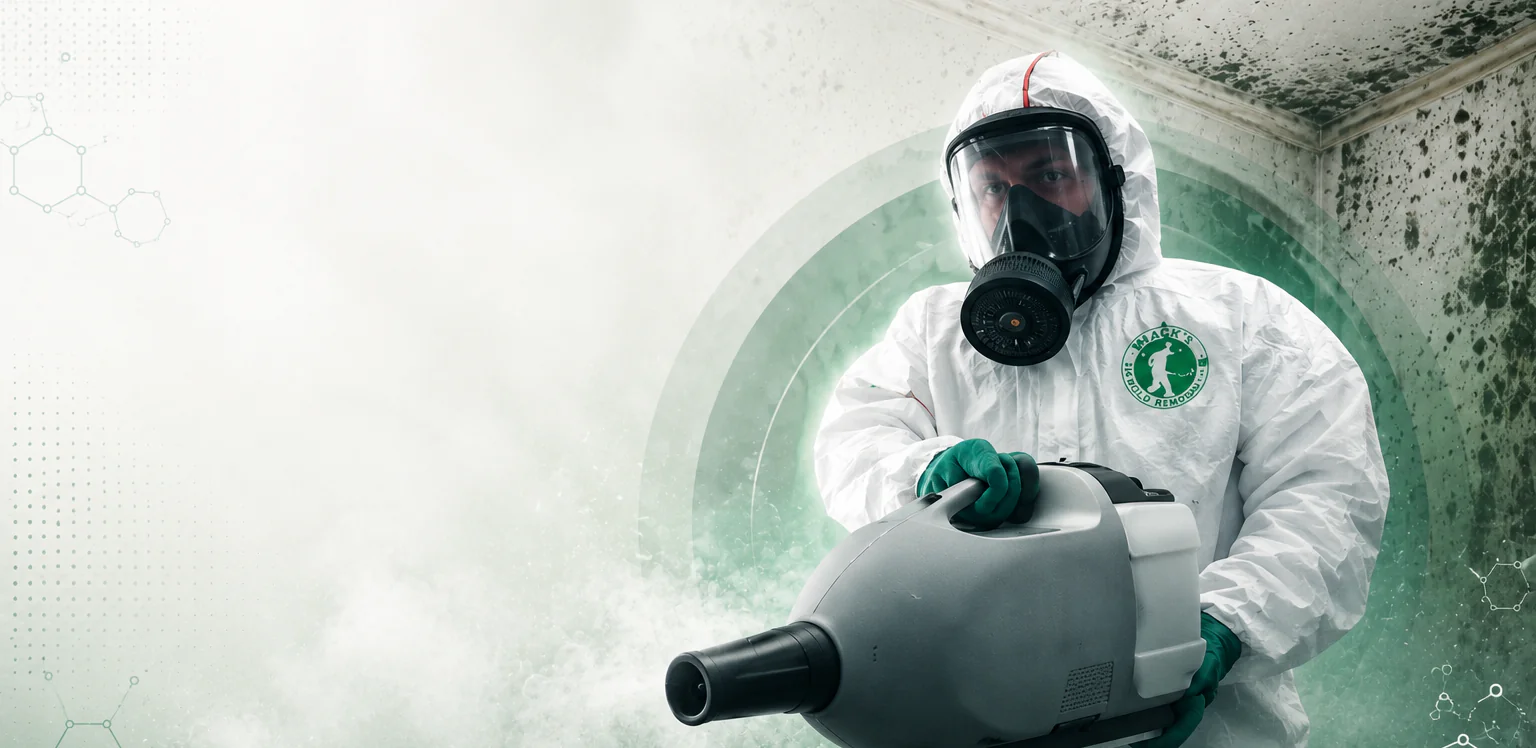
Our technicians seal off the affected area using plastic sheeting and tape. We also set up negative air pressure using machines equipped with HEPA filters. These machines pull air out of the containment area and filter it before releasing it outside. This keeps spores from drifting into other parts of your home during the removal process.
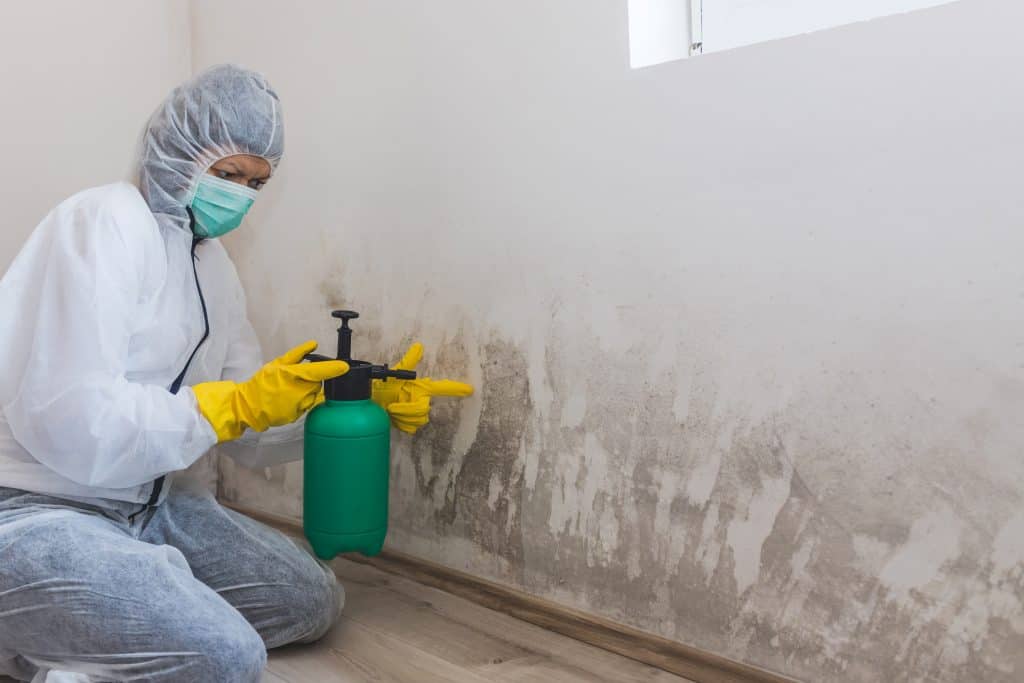
Next comes removal. Porous materials like drywall, insulation, and carpet that are heavily contaminated usually can’t be saved. They absorb mold too deeply to clean effectively, so they’re removed and disposed of in sealed bags. Non-porous surfaces like metal, glass, and hard plastics can typically be cleaned using antimicrobial solutions and HEPA vacuums.
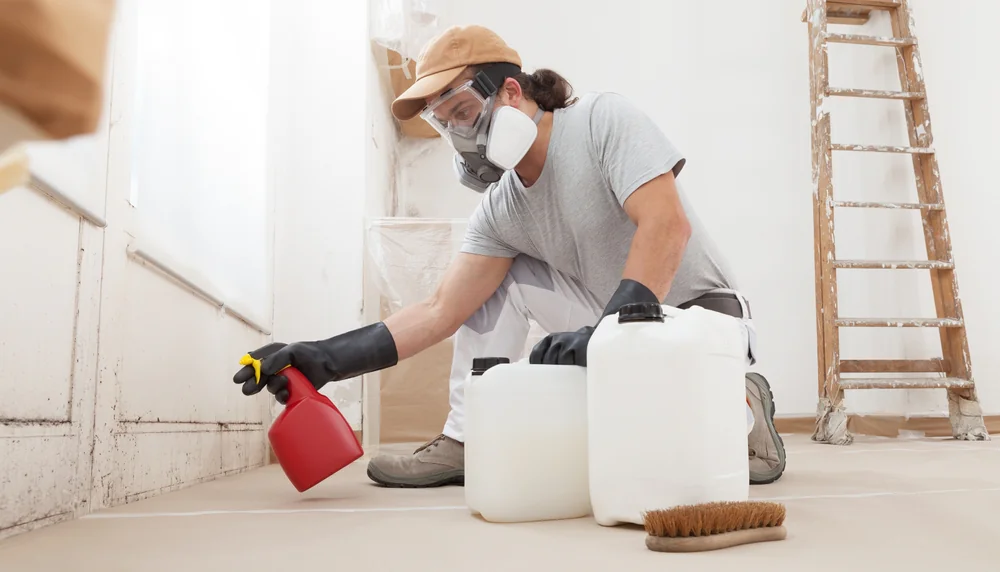
The cleaning process is meticulous. Every surface in the containment area gets wiped down, vacuumed, and treated. Even after visible mold is gone, spores can linger on surfaces, so thoroughness matters. HEPA vacuums are used because regular vacuums just blow spores back into the air.
Drying is the final piece. Even after mold is removed, the area needs to be completely dry before restoration begins. Dehumidifiers and air movers are used to bring moisture levels down to normal. If the area isn’t dry, mold can start growing again within 24 to 48 hours. That’s how fast it moves.
This entire process—containment, removal, cleaning, and drying—can take anywhere from a few days to a few weeks depending on the size and severity of the infestation. It’s not glamorous work, but it’s the only way to truly eliminate mold and restore healthy indoor air quality in your Bucks County home.
What to Expect After Mold Remediation Is Complete
Once the mold is gone and the area is dry, the final step is restoration. This means replacing any materials that were removed—drywall, insulation, flooring, whatever was necessary. The goal is to return your home to its pre-mold condition, both structurally and aesthetically.
We also perform post-remediation testing to confirm that mold levels are back to normal. This isn’t always required, but it provides assurance and documentation, especially if you’re selling your home or dealing with an insurance claim.
The most important thing to remember is that mold remediation isn’t just about getting rid of what you see. It’s about creating an environment where mold can’t come back. That means controlling moisture, improving ventilation, and staying on top of leaks and water damage. We’ll give you clear guidance on how to prevent future issues.
If you’re dealing with mold in Bucks County and need help understanding your options, we offer free inspections and upfront pricing. We focus on finding the source, not just treating the symptoms, so you can move forward with confidence.