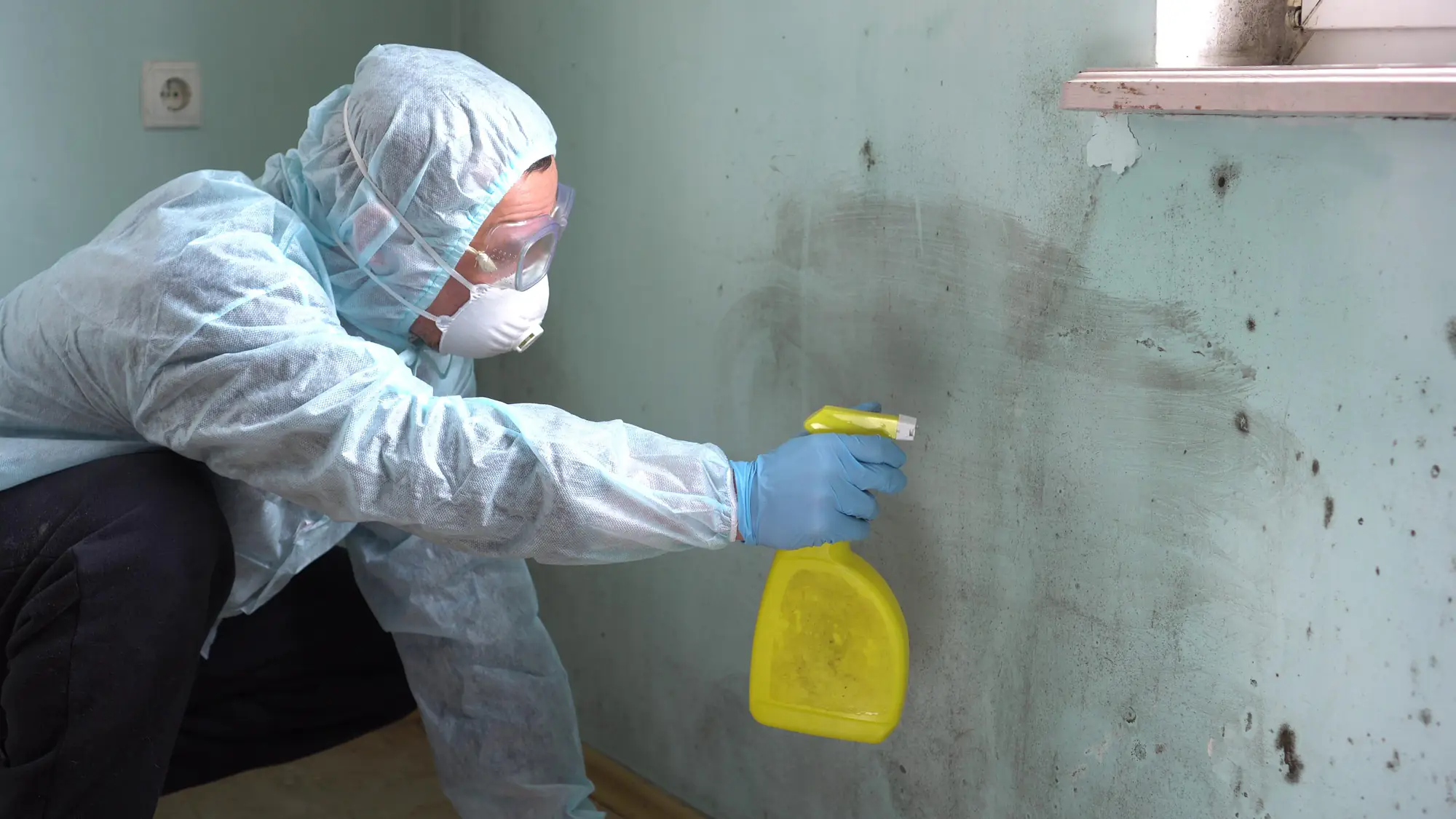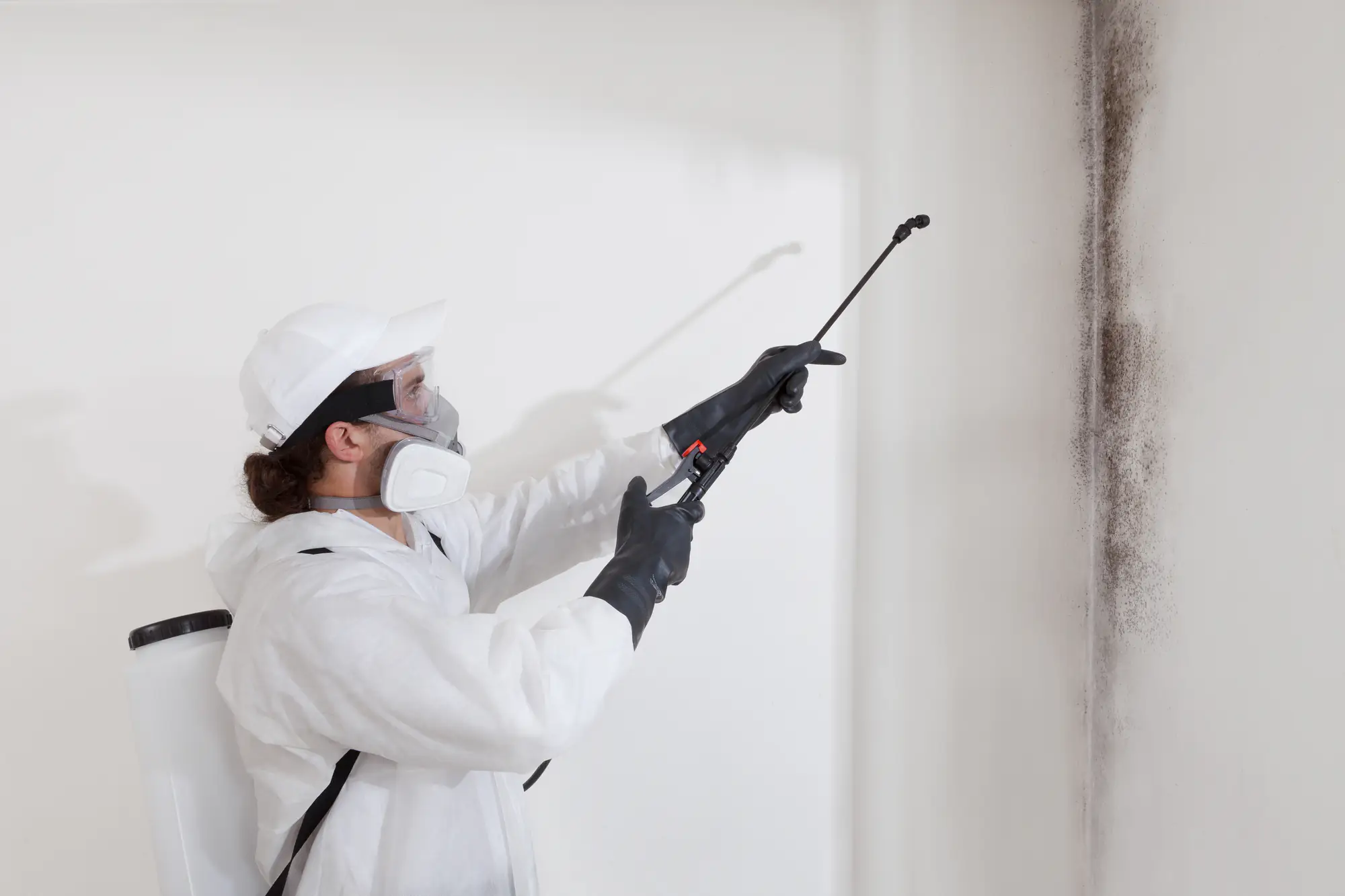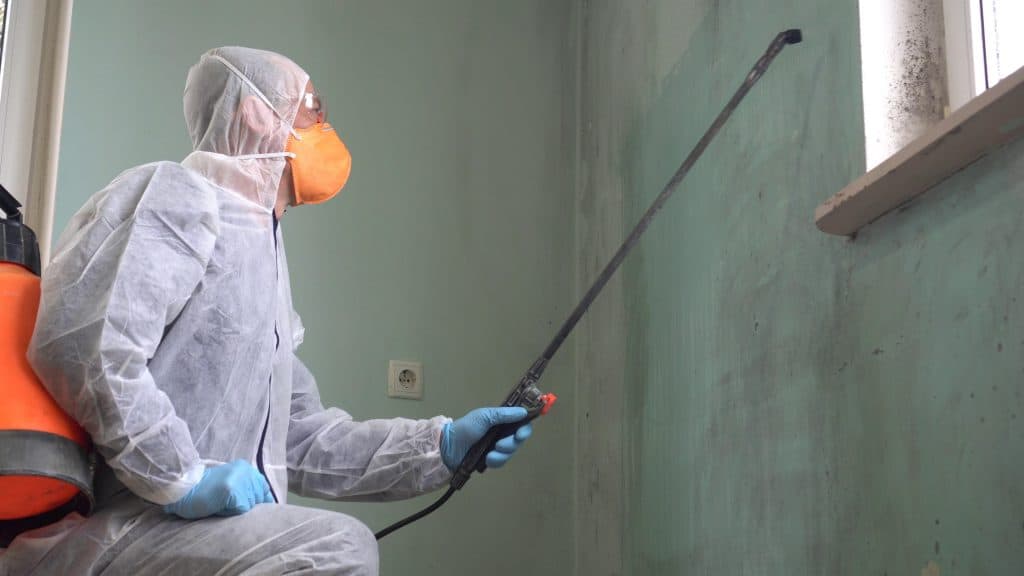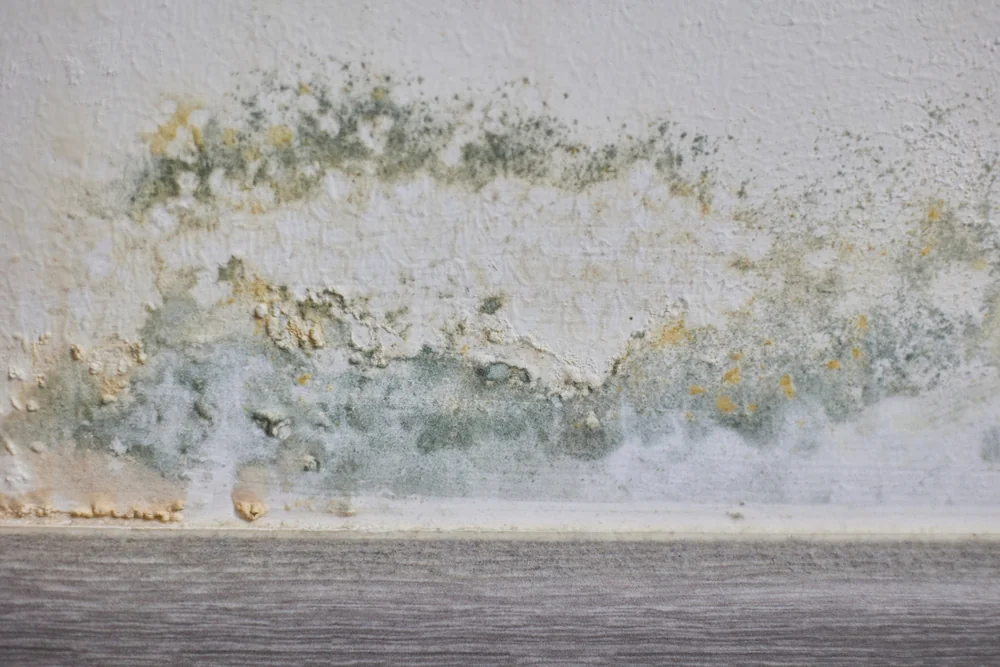
You’re tired all the time. Your head hurts more days than not. That cough you’ve had for weeks won’t go away, and your doctor can’t figure out why. Here’s what most people don’t consider: the problem might not be you—it might be your home. Mold exposure symptoms often get dismissed as seasonal allergies, stress, or just getting older. But if you feel worse when you’re home and better when you leave, that’s not a coincidence. The air you’re breathing indoors could be making you sick. This guide walks you through the real symptoms of mold exposure, the health effects you need to watch for, and when it’s time to stop wondering and start testing. Let’s start with what mold exposure actually looks like.
Symptoms of Mold Exposure: What Your Body Is Trying to Tell You
Mold exposure doesn’t announce itself. There’s no alarm that goes off when spores start circulating through your home. Instead, your body becomes the warning system—and the signals it sends are easy to misread.
The most common symptoms start in your respiratory system. Stuffy nose. Persistent cough. Throat irritation that never quite clears up. You might wake up congested every morning or notice you’re clearing your throat constantly throughout the day.
These aren’t dramatic symptoms, which is exactly why people ignore them for months. Your eyes might burn or water for no apparent reason. Your skin could develop rashes or hives that don’t respond to typical treatments. Some people experience wheezing or shortness of breath, especially if they already have asthma. The tricky part? All of these symptoms look like a dozen other things—allergies, a cold that won’t quit, or just living in a house with poor air quality.
Symptoms of Black Mold Exposure vs. Regular Mold Allergies
Here’s where it gets confusing. People hear “black mold” and assume it’s automatically more dangerous than other types. The reality is more nuanced.
Black mold—specifically Stachybotrys chartarum—can produce mycotoxins under certain conditions. But here’s what matters more than the color: your individual sensitivity and the level of exposure. Someone with asthma might have a severe reaction to any mold type. Another person might tolerate higher levels without obvious symptoms.
Regular mold allergies typically cause hay fever-type symptoms. Sneezing. Runny nose. Itchy eyes. These are annoying but manageable for most people. They’re your immune system reacting to mold spores the same way it would react to pollen.
Toxic mold symptoms go deeper. We’re talking about chronic fatigue that doesn’t improve with rest. Brain fog that makes it hard to focus or remember things. Persistent headaches or migraines. Mood changes—anxiety, irritability, or depression that seems to come out of nowhere. Digestive issues that your doctor can’t explain.
The distinction matters because it changes how you respond. Mild allergy symptoms might improve with over-the-counter medication and better ventilation. Toxic mold exposure requires professional removal and addressing the moisture source feeding the growth.
Pay attention to patterns. Do your symptoms improve when you leave your house for a few days? Do multiple people in your household experience similar issues? Do you feel worse in certain rooms? These patterns tell you more than any single symptom.
One more thing: the CDC is clear that there’s no proven link between black mold and severe conditions like memory loss or bleeding in the lungs. But that doesn’t mean your symptoms aren’t real or that mold isn’t the cause. It just means the science is still catching up to what people experience.
Breathing in Mold: What Happens to Your Respiratory System
Your lungs weren’t designed to filter mold spores all day. When you’re breathing in mold regularly, your respiratory system goes into overdrive trying to protect itself.
Mold spores are tiny—small enough to bypass your nose and throat and settle deep into your lungs. Once there, they irritate the airways. Your body responds with inflammation. That inflammation is what causes the coughing, wheezing, and chest tightness people experience.
For people with asthma, this is especially problematic. Mold exposure can trigger asthma attacks or make existing asthma harder to control. You might find yourself using your inhaler more often or waking up at night struggling to breathe. If your asthma has gotten worse for no clear reason, mold is worth investigating.
Even if you don’t have asthma, chronic mold exposure can lead to respiratory infections. Your sinuses stay inflamed and congested, creating the perfect environment for bacteria to take hold. You end up with sinus infections that won’t clear up or bronchitis that keeps coming back.
Here’s what most people don’t realize: it’s not just the live mold spores causing problems. Dead mold fragments and mycotoxins can also trigger respiratory symptoms. That’s why simply killing mold with bleach doesn’t solve the problem. The irritants are still there, still circulating through your air, still making you sick.
The effects of breathing mold accumulate over time. A few days of exposure might just cause minor irritation. Weeks or months of exposure can lead to chronic respiratory issues that persist even after the mold is removed. Your lungs need time to heal, and they can’t do that while you’re still breathing contaminated air.
If you’re experiencing persistent respiratory symptoms—especially if they’re worse at home—don’t wait for them to resolve on their own. Your body is telling you something is wrong with your indoor air quality.
10 Warning Signs of Mold Toxicity You Shouldn’t Ignore
Mold toxicity looks different from person to person, but certain warning signs show up consistently. These aren’t subtle hints—they’re your body’s way of saying it can’t handle the toxic load anymore. Recognizing these 10 warning signs of mold toxicity early can prevent long-term health consequences.
Chronic fatigue tops the list. We’re not talking about being tired after a long day. This is exhaustion that doesn’t improve with sleep. You wake up tired. You drag through the day. Rest doesn’t help because your body is constantly fighting inflammation caused by mycotoxin exposure.
Brain fog is another major red flag. Difficulty concentrating. Memory lapses. Trouble finding words or following conversations. People describe it as feeling like they’re thinking through a haze. This happens because mycotoxins can cross the blood-brain barrier and interfere with cognitive function.
Indoor Mold Allergy Symptoms vs. Systemic Mold Toxicity
Understanding the difference between mold allergies and mold toxicity helps you know how urgently you need to act.
Mold allergies are an immune system response. Your body identifies mold spores as a threat and releases histamine to fight them off. That’s what causes the sneezing, watery eyes, and nasal congestion. These symptoms are uncomfortable but typically not dangerous for most people. Antihistamines can provide temporary relief.
Mold toxicity is a different beast entirely. This happens when mycotoxins—toxic compounds produced by certain mold species—build up in your body over time. Your immune system doesn’t just react to them. They actually interfere with your body’s normal functions.
Systemic symptoms are the giveaway. We’re talking about issues that affect multiple body systems at once. Respiratory problems combined with digestive issues. Fatigue paired with joint pain. Skin rashes alongside neurological symptoms. When mold exposure affects your whole system, you’re dealing with toxicity, not just allergies.
The timeline differs too. Allergic reactions typically happen quickly after exposure. You walk into a moldy basement and start sneezing within minutes. Mold toxicity develops gradually. Symptoms build over weeks or months as toxins accumulate in your tissues.
Here’s what makes mold toxicity particularly frustrating: conventional medicine often misses it. Your doctor runs standard tests, everything comes back normal, and you’re told it’s stress or anxiety. Meanwhile, you know something is genuinely wrong. This happens because most doctors aren’t trained to recognize mold illness. The symptoms are too varied and too similar to other conditions.
The location of your symptoms also provides clues. Mold allergies primarily affect your upper respiratory tract—nose, throat, sinuses. Mold toxicity can affect anywhere. Your gut. Your joints. Your brain. Your skin. If your symptoms seem random or disconnected, that’s actually a pattern worth paying attention to.
One more distinction: mold allergies improve fairly quickly once you remove yourself from exposure. Leave the moldy environment for a few hours, and your symptoms ease. Mold toxicity lingers. Even after you’re away from the source, it can take weeks or months for your body to detoxify and symptoms to fully resolve.
Side Effects of Black Mold: Neurological and Cognitive Symptoms
The neurological effects of mold exposure are some of the most unsettling—and most commonly dismissed by doctors who don’t understand mold illness.
Brain fog isn’t just forgetfulness. It’s a genuine cognitive impairment. You might struggle to complete tasks that used to be easy. Reading a book becomes difficult because you can’t retain what you just read. Conversations are harder to follow. You lose your train of thought mid-sentence.
Headaches and migraines are common with mold exposure. Some people experience severe, debilitating headaches. Others deal with a constant low-grade ache that never fully goes away. The headaches might worsen in certain rooms of your house—wherever mold concentrations are highest.
Mood changes often catch people off guard. Anxiety that seems to come from nowhere. Depression that doesn’t match your circumstances. Irritability that strains your relationships. These aren’t character flaws or mental health issues you need to “work through.” They’re neurological responses to mycotoxin exposure affecting your brain chemistry.
Some people develop sensitivity to light and sound. Normal lighting feels too bright. Regular conversation volumes seem loud. This heightened sensitivity makes everyday environments uncomfortable and adds to the overall feeling that something is seriously wrong.
Dizziness and balance issues can occur with mold exposure. You might feel lightheaded when standing up or notice you’re clumsier than usual. Some people describe it as feeling slightly drunk or off-balance even though they haven’t had anything to drink.
The scariest part about neurological symptoms is how they affect your quality of life. You can push through a stuffy nose or a cough. You can’t push through not being able to think clearly or remember things. When mold exposure affects your brain function, it impacts every aspect of your daily life—your work, your relationships, your ability to take care of yourself.
These symptoms don’t mean you’re imagining things or that it’s “all in your head.” Your brain is an organ just like your lungs or your skin. When it’s exposed to toxins, it reacts. The inflammation and oxidative stress caused by mycotoxins genuinely impair cognitive function.
Black Mold Health Effects: When to Seek Professional Help
Knowing when to call a professional versus when to wait and see can be the difference between a quick fix and months of illness.
If you’re experiencing respiratory distress—severe wheezing, chest pain, difficulty breathing—that’s a medical emergency. Get to a doctor immediately. Don’t wait to see if it improves.
For less severe but persistent symptoms, here’s the rule: if symptoms last more than a few weeks and don’t respond to typical treatments, it’s time to investigate mold. A cough that won’t quit despite antibiotics and cough medicine. Sinus congestion that doesn’t improve with allergy medication. Fatigue that doesn’t get better with rest.
Symptoms of Exposure to Mold in Bucks County Homes
Bucks County’s climate creates specific mold challenges that homeowners need to understand.
The area gets about 49 inches of rain annually—well above the national average. That extra moisture, combined with humid summers, creates ideal conditions for mold growth year-round. But problems peak during certain times.
Heavy spring rains saturate the ground, leading to basement seepage and foundation moisture. Humid summer months create condensation issues in HVAC systems and poorly ventilated spaces. Fall leaves and debris clog gutters, causing water to overflow and seep into walls.
Older homes in areas like Levittown, Doylestown, and Newtown face additional challenges. Aging foundations develop cracks that let moisture in. Original HVAC systems struggle to control humidity. Crawl spaces that were never properly sealed become breeding grounds for mold.
The soil composition in parts of Bucks County retains moisture longer than in other areas. Levittown is particularly known for this issue. Water doesn’t drain away quickly after rain, keeping foundations damp and creating ongoing moisture problems.
Seasonal groundwater shifts affect homes in Newtown and surrounding areas. The water table rises and falls throughout the year, sometimes pushing moisture up through basement floors or foundation walls. Homeowners might not see visible water, but the dampness is enough to support mold growth.
What this means for your health: if you live in Bucks County and you’re experiencing mold exposure symptoms, there’s a good chance your home has moisture issues even if you can’t see obvious water damage. The climate here doesn’t give homes a chance to fully dry out between weather events.
Common symptom patterns in local homes include worse symptoms during humid months, improvement when you run dehumidifiers, and issues concentrated in basements or first-floor rooms. If multiple family members experience similar symptoms that seem tied to being home, mold is a likely culprit.
Mold and Air Quality Testing: Understanding Your Options
Once you suspect mold is causing your symptoms, testing helps confirm it and identify what you’re dealing with.
Air quality testing for mold measures spore concentrations in your indoor air. A professional collects air samples from different areas of your home and sends them to a lab for analysis. The lab identifies mold types and counts spore levels, then compares them to outdoor baseline samples.
This tells you whether your indoor mold levels are elevated and which species are present. That information guides the remediation strategy and helps you understand the potential health risks.
Professional Mold Testing Cost and What You Get
Understanding mold testing costs helps you budget and know what to expect from the process.
Professional mold inspection typically costs between $300 and $670 for most homes in Bucks County. Homes under 4,000 square feet usually fall on the lower end of that range. Larger properties or those requiring extensive testing can cost up to $1,000 or more.
What’s included in that cost matters more than the price itself. A thorough inspection should include visual assessment of your entire property, moisture mapping to identify water sources, thermal imaging to detect hidden moisture, air quality samples from multiple locations, and surface samples from suspected mold growth areas.
Some companies offer free inspections if you hire them for remediation. That can save you money upfront, but make sure you’re comfortable with their remediation quote before committing. Getting an independent inspection first gives you unbiased information about what actually needs to be done.
Mold testing—the lab analysis of samples—typically costs $250 to $500 depending on how many samples are collected and what level of analysis you need. Basic testing identifies mold types and spore counts. More advanced testing can identify specific species and mycotoxin levels.
Here’s what you shouldn’t waste money on: DIY mold test kits from hardware stores. They’re not reliable enough to base decisions on. They might tell you mold is present—which you probably already know—but they won’t tell you what type, how much, or where it’s coming from. You’ll end up needing professional testing anyway.
ERMI testing is another option you might hear about. It uses DNA analysis of dust samples to identify mold species. The EPA developed it for research purposes and specifically states it’s not recommended for routine home use. It can provide historical information about mold exposure, but it doesn’t tell you about current air quality or guide remediation decisions effectively.
For most Bucks County homeowners, standard air quality testing combined with a thorough visual inspection provides the information you need. We can identify moisture sources, locate mold growth, and recommend next steps based on what we find.
House Mold Inspection: What Happens During the Process
Knowing what to expect from a mold inspection helps you prepare and get the most value from the service.
We start with a conversation about your symptoms and concerns. When did you first notice problems? Are symptoms worse in certain areas? Have you had any water damage or leaks? This background helps us know where to focus our investigation.
Next comes the visual inspection. We examine your entire property, including areas you might not think to check. Attics. Crawl spaces. Behind appliances. Inside HVAC systems. Wall cavities in bathrooms and kitchens. Anywhere moisture could accumulate.
Air Quality Test for Mold: How Sampling Works
Air sampling gives you objective data about what you’re breathing every day.
We use specialized equipment to collect air samples. A pump draws air through a collection device that captures mold spores. We typically take samples from multiple locations—areas where you spend the most time, areas where you’ve noticed musty odors, and an outdoor sample for comparison.
The outdoor sample is crucial. It establishes a baseline. All outdoor air contains some mold spores. If your indoor levels are similar to outdoor levels, that’s normal. If indoor levels are significantly higher, or if you have mold species indoors that aren’t present outdoors, that indicates a problem.
Surface samples might also be collected using tape lifts or swabs. If there’s visible growth or discoloration, we take a sample to identify what’s growing. This confirms whether it’s actually mold and what type.
Moisture mapping uses meters and thermal imaging to find hidden water sources. Mold needs moisture to grow. Finding where moisture is coming from is essential for effective remediation. We check moisture levels in walls, floors, and ceilings, looking for patterns that indicate leaks or condensation issues.
All samples go to an independent lab for analysis. Results typically come back within a few business days. The lab report identifies mold species present, provides spore counts, and may include information about potential health effects of the species found.
We provide a detailed written report explaining the findings, identifying moisture sources, and recommending mold remediation steps. This report becomes your roadmap for fixing the problem.
Dangers of Black Mold: Separating Fact from Fear
There’s a lot of misinformation about black mold. Understanding the real dangers helps you respond appropriately without unnecessary panic.
Black mold—specifically Stachybotrys chartarum—can produce mycotoxins under certain conditions. Those mycotoxins can cause health problems with prolonged exposure. That part is true.
What’s not true: black mold doesn’t cause instant severe illness in most people. It’s not going to kill you from walking through a room where it’s growing. The dramatic stories you read online are outliers, not the norm.
The real danger of black mold is the same as the danger of any mold: chronic exposure leads to chronic health problems. Respiratory issues that don’t resolve. Inflammation that becomes systemic. Quality of life that gradually declines as symptoms accumulate.
Mold Under House in Crawl Space: A Hidden Health Threat
Crawl space mold is particularly problematic because it’s out of sight and often ignored until symptoms become severe.
Crawl spaces create perfect conditions for mold growth. They’re dark, damp, and poorly ventilated. Many homes in Bucks County have crawl spaces that were never properly sealed or waterproofed. Moisture from the ground evaporates up into the space. Poor drainage around the foundation allows water to seep in. Humidity levels stay high year-round.
Here’s why crawl space mold affects your health even though you never go down there: air from your crawl space circulates into your living areas. It’s called the stack effect. Air naturally flows upward through your home. Whatever is in your crawl space air—including mold spores and mycotoxins—ends up in the air you breathe upstairs.
Symptoms of crawl space mold exposure often seem mysterious because you can’t see the source. You might notice musty odors that seem to come from nowhere. Respiratory symptoms that are worse on the first floor. Allergies that flare up at home but not elsewhere.
Fungal growth in crawl space areas isn’t always visible from a quick peek through the access door. Mold can be growing on floor joists, insulation, or ductwork that runs through the space. Professional inspection with proper lighting and moisture meters is often necessary to identify the full extent of the problem.
Moisture control solutions for crawl spaces include proper vapor barriers, drainage systems, dehumidification, and sealing foundation vents. Simply removing visible mold without addressing moisture sources guarantees it will come back.
ERMI Testing for Mold: Is It Right for Your Situation
ERMI testing gets mentioned frequently in mold discussions, but understanding what it actually does helps you decide if it’s worth the cost.
ERMI stands for Environmental Relative Moldiness Index. The EPA developed it as a research tool to study mold exposure in children’s environments. It uses DNA analysis to identify 36 specific mold species in dust samples collected from your home.
The test provides a score that indicates relative moldiness compared to a national database. Higher scores suggest greater mold contamination. Lower scores suggest cleaner environments.
Air Quality Testing for Mold vs. ERMI: Which Test to Choose
The key difference between ERMI and standard air quality testing is what they measure and when they’re useful.
ERMI analyzes settled dust. It tells you what mold species have been present in your home over time. Dust acts as a historical record, collecting spores from weeks or months of exposure. This can be valuable if you’re trying to determine whether a home has had water damage in the past—useful during real estate transactions or when investigating long-term health issues.
Air quality testing measures current airborne mold levels. It tells you what you’re breathing right now. This is more useful for assessing current exposure and guiding remediation efforts.
Here’s the limitation of ERMI: the EPA explicitly states it’s a research tool not recommended for routine home use. It wasn’t validated for making decisions about remediation or health care. The score doesn’t directly correlate with your actual exposure or health risk because it measures dust, not air.
ERMI also assumes a standard distribution of outdoor mold species across the country, which isn’t accurate. Outdoor mold varies dramatically by region and season. In Bucks County, your outdoor mold profile is different from homes in Arizona or Florida. This geographic variability can skew ERMI scores.
For most situations, standard air quality testing provides more actionable information. It tells you what’s in your air now, which species are elevated, and whether remediation is working. It’s also less expensive than ERMI in most cases.
ERMI might be worth considering if you’re buying a home and want to know about historical water damage, if you’re documenting mold exposure for legal or medical purposes, or if you’ve already done air testing and want additional information. But it shouldn’t be your first or only test.
Companies That Check for Mold in House: Choosing the Right Inspector
Not all mold inspectors are created equal. Knowing what to look for helps you hire someone who will actually solve your problem.
Look for inspectors with specific mold certifications, not just general home inspection credentials. Certifications from organizations like the IICRC demonstrate specialized training in mold assessment and remediation standards.
Ask about their inspection process. It should include visual assessment, moisture mapping, and air quality testing at minimum. Be wary of inspectors who want to skip testing and jump straight to remediation quotes.
Independent Mold Testing vs. Remediation Company Inspections
There’s ongoing debate about whether you should use an independent inspector or get a free inspection from a remediation company.
Independent mold testing means hiring someone who only does inspections and testing—they don’t perform remediation. The advantage is objectivity. They have no financial incentive to find more mold than actually exists or recommend unnecessary work.
Remediation companies often offer free inspections if you hire them for the cleanup. This saves you the upfront inspection cost. The potential downside is conflict of interest. They make money from remediation, so there’s incentive to recommend more extensive work.
Here’s the practical reality: reputable remediation companies in Bucks County provide honest assessments because their reputation depends on it. We know homeowners will get second opinions if quotes seem inflated. But if you’re dealing with a large mold problem or expect insurance to cover costs, independent testing provides documentation that’s harder to dispute.
For most situations, getting a free inspection from a well-reviewed local company is reasonable. Just make sure their findings make sense. If they’re recommending extensive remediation but you don’t see visible mold or have obvious moisture issues, get a second opinion.
Look for companies that provide detailed written reports, not just verbal estimates. The report should explain what we found, where we found it, why it’s a problem, and what needs to be done. Vague explanations or pressure to start work immediately are red flags.
Free Mold Testing and Assessment: What’s Actually Free
“Free mold testing” sounds appealing, but understanding what’s included helps set realistic expectations.
Free mold assessments typically include visual inspection and moisture evaluation. We come to your home, look for visible mold growth, check for moisture issues, and provide a verbal or written assessment of what we find.
What’s usually not free: laboratory analysis of samples. Air quality testing. Surface sample testing. ERMI or other specialized testing. These require lab fees that someone has to pay.
Many companies offer free inspections as a way to earn your business for remediation. That’s a legitimate business model. You’re not being scammed. You’re just trading the inspection fee for the commitment to hire us if mold is found.
Free Mold and Mildew Inspections: Getting Value Without Cost
Free inspections can provide valuable information if you know how to evaluate what you’re getting.
Understand the scope. A free visual inspection helps identify obvious problems and moisture sources. It won’t include lab testing of samples, but it should give you a clear picture of whether you have a mold issue worth addressing.
Ask what happens next. If we find mold, what’s the process for getting a remediation quote? Will we provide a written report of findings? How long before you receive the quote?
Don’t feel pressured to commit immediately. A free inspection doesn’t obligate you to hire that company for remediation. Get the information, review our recommendations, and compare with other options if the scope of work seems extensive.
Look for transparency about what’s free and what costs extra. Reputable companies clearly explain that the inspection is free but lab testing, if needed, would incur additional fees. We should provide pricing for testing upfront if you want to proceed with it.
Evaluate our findings critically. Do we show you the mold we found? Do our moisture readings make sense given your home’s history? Are we explaining what we’re finding or just telling you there’s a problem?
Use free inspections strategically. If you’re unsure whether you have a mold problem, a free inspection can confirm whether further investigation is warranted. If you already know you have mold and need remediation, a free inspection from a remediation company makes sense.
Moisture Control Solutions: Preventing Mold Before It Starts
The best way to avoid mold exposure symptoms is preventing mold growth in the first place.
Control humidity throughout your home. Keep indoor humidity between 30% and 50%. Use dehumidifiers in basements and other damp areas. Run bathroom exhaust fans during showers and for at least 30 minutes after.
Fix water problems immediately. A small leak today becomes a mold problem in 48 hours. Don’t wait to repair leaking pipes, roof damage, or foundation cracks. The longer water issues persist, the more likely mold will establish itself.
Improve ventilation in problem areas. Bathrooms without windows need exhaust fans. Attics need proper ventilation to prevent condensation. Crawl spaces benefit from ventilation or encapsulation depending on the situation.
Mold Under Crawl Space: Prevention Strategies for Bucks County Homes
Preventing mold under your house requires understanding how moisture gets into crawl spaces and addressing those pathways.
Ground moisture is the primary source. Bare earth in crawl spaces allows moisture to evaporate directly into the air. Installing a proper vapor barrier—thick plastic sheeting that covers the entire crawl space floor—blocks this moisture before it becomes a problem.
Drainage around your foundation determines whether water flows away from your home or pools against it. Clean gutters regularly. Extend downspouts at least six feet from the foundation. Grade soil so it slopes away from the house. These simple steps prevent water from seeping into crawl spaces.
Foundation vents were once considered necessary for crawl space ventilation. Current building science suggests sealing vents and conditioning the crawl space as part of your home’s envelope is more effective in humid climates like Bucks County. This prevents humid outdoor air from entering and condensing on cooler surfaces.
Dehumidification might be necessary even with proper vapor barriers and sealed vents. A crawl space dehumidifier maintains humidity levels below the threshold where mold can grow. This is especially important in areas with high water tables or poor drainage.
Insulation placement matters. Insulating crawl space walls rather than the floor above keeps the space warmer and reduces condensation. Insulating between floor joists can trap moisture and create ideal conditions for mold growth on the insulation itself.
Regular inspection catches problems before they become serious. Check your crawl space at least twice a year. Look for standing water, moisture on surfaces, musty odors, or visible mold growth. Catching issues early means simpler, less expensive fixes.
Hire Mold Inspector: Questions to Ask Before You Commit
Asking the right questions helps you hire a mold inspector who will provide accurate information and honest recommendations.
What certifications do you hold? Look for IICRC certification or equivalent mold-specific credentials. General home inspection certification isn’t enough for complex mold assessments.
What does your inspection include? Make sure you understand exactly what’s covered. Visual inspection? Moisture mapping? Air samples? How many samples? What areas will be tested?
How long have you been inspecting for mold in Bucks County? Local experience matters. Inspectors familiar with the area understand the specific moisture and mold challenges common in local homes.
Mold Inspection and Testing Cost: What Affects the Price
Several factors influence how much you’ll pay for mold inspection and testing in Bucks County.
Home size is the biggest factor. Larger homes require more time to inspect and more samples to adequately assess air quality. A 1,500 square foot home might take two hours to inspect. A 4,000 square foot home could take four to six hours.
Accessibility affects cost too. If your crawl space is difficult to access, or if suspected mold is behind finished walls, we need more time and potentially specialized equipment to evaluate the situation properly.
Number of samples collected impacts the final price. Each air sample or surface sample sent to the lab incurs a fee. A basic inspection might include two or three samples. More comprehensive testing could involve six or eight samples from different areas.
Type of testing matters. Standard spore trap analysis is less expensive than DNA-based testing like ERMI. Most situations don’t require the most expensive testing options. We recommend testing appropriate to your situation, not automatically push the most costly options.
Geographic location within Bucks County can affect pricing slightly. We might charge more for homes in more remote areas due to travel time. But within the main population centers, pricing is fairly consistent.
The inspector’s qualifications and experience also factor in. More experienced inspectors with advanced certifications typically charge more than newer inspectors. That higher cost often comes with more thorough inspections and more accurate assessments.
Taking Action on Mold Exposure Symptoms in Your Bucks County Home
Your symptoms are real. The fatigue, the brain fog, the respiratory issues that won’t quit—they’re not in your head, and you’re not imagining things. Mold exposure causes genuine health problems that affect your quality of life every single day.
The good news is that mold problems are solvable. Once you identify the source, address the moisture issues, and remove the contamination, your body can heal. Symptoms that have plagued you for months can improve within weeks of proper remediation.
Don’t wait for symptoms to get worse or for visible mold to appear. If you’re experiencing persistent health issues that improve when you leave your home, that’s enough reason to get a professional assessment. The climate challenges in Bucks County mean your home is constantly battling moisture—and moisture always leads to mold if it’s not controlled.
We understand what local homeowners face. Our team knows where mold hides in Bucks County homes and how to eliminate it permanently. If you’re ready to stop wondering and start breathing easier, reach out for a free inspection. Your health is worth it.