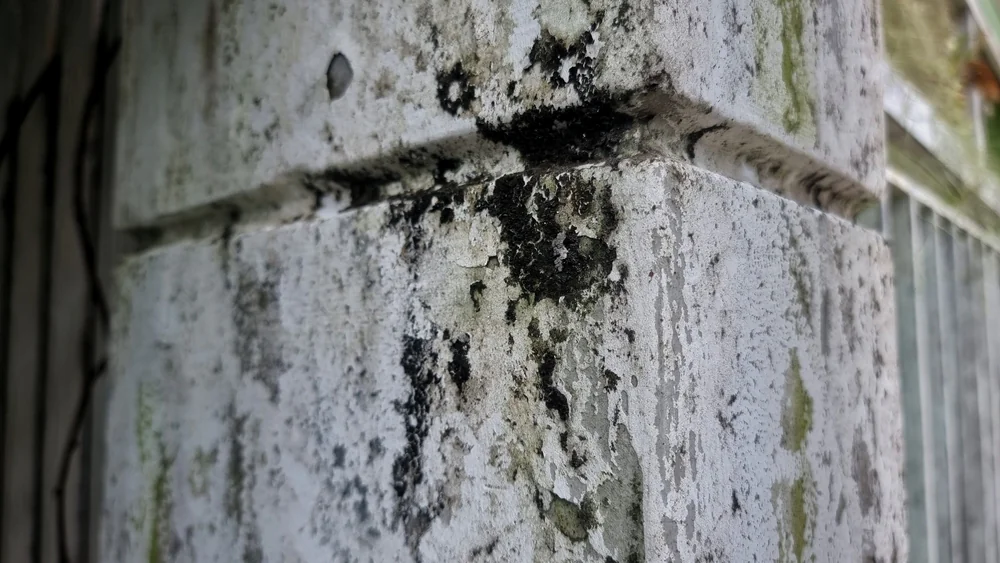
You’ve tried everything. Changed the air filters, deep-cleaned the house, even switched laundry detergent. But someone in your family still wakes up congested, fights off headaches, or can’t shake that persistent cough. The doctor shrugs and calls it allergies. Your gut says it’s something else.
Here’s what most people don’t realize: mold doesn’t need to be visible to make you sick. In Bucks County’s humid climate, mold can thrive behind drywall, under carpets, and inside HVAC systems for months before you ever see a single spot. And by then, you’ve been breathing it in every single day. Let’s talk about what’s really happening in homes like yours and what you need to know to protect your family.
What Mold Does to Your Body
Mold isn’t just unsightly. It’s a living organism that releases microscopic spores into your air. When you breathe them in, your immune system treats them like invaders. For some people, that means mild irritation. For others, it means real health problems that don’t go away until the mold does.
The tricky part is that mold symptoms look like a dozen other things. Stuffy nose, scratchy throat, watery eyes, persistent cough. Sound familiar? Most people assume it’s seasonal allergies or a cold that won’t quit. They don’t connect it to their home until someone mentions that they feel better when they’re away for a few days. That’s often the first real clue.
And it’s not just about allergies. Prolonged exposure to indoor mold can trigger asthma attacks in people who already have asthma, or even contribute to developing respiratory issues in people who never had them before. Kids, elderly family members, and anyone with a compromised immune system face even higher risks.
Why Bucks County Homes Are Especially Vulnerable to Mold Growth
Let’s be honest about our climate. Bucks County gets hot, humid summers and damp conditions that create the perfect environment for mold. Regardless of if you’re in Doylestown, Newtown, or Warminster, it’s not a flaw in your home’s construction. It’s just geography.
Mold needs three things to grow: moisture, warmth, and something organic to feed on. Your home provides all three. Humid summer air seeps into basements and crawl spaces. Condensation forms around windows and pipes. A minor roof leak you don’t even know about drips into your attic insulation. Suddenly, you’ve got the ideal conditions for mold to set up shop.
Basements are particularly vulnerable here. Many older homes in Bucks County have stone foundations or less-than-perfect waterproofing. Even newer homes can develop moisture issues if gutters overflow, grading slopes toward the foundation, or sump pumps fail during heavy rain. The moisture gets trapped, and mold follows.
But here’s what catches most homeowners off guard: mold doesn’t stay where it starts. Those microscopic spores become airborne. Your HVAC system pulls them in and circulates them throughout every room in your house. So even if the mold is growing in your basement, you’re breathing it in your bedroom.
The worst part? By the time you smell that musty odor or spot visible growth, the problem has usually been developing for weeks or even months. Mold can double in size in as little as 24 to 48 hours when conditions are right. What starts as a small patch behind your washing machine can spread across an entire wall before you realize there’s an issue.
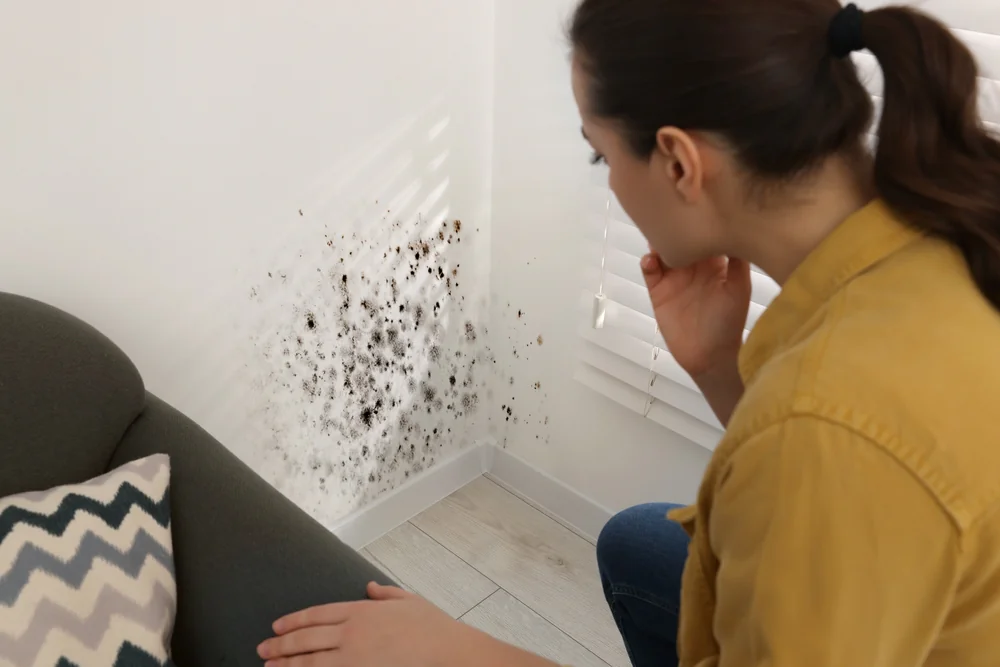
And it’s not always in obvious places. Mold hides behind wallpaper, under vinyl flooring, inside wall cavities around plumbing, and on the backside of drywall. You might never see it until you’re renovating or until it breaks through to the surface. That’s why so many Bucks County residents are shocked when a professional inspection reveals extensive growth in areas they walk past every single day.
The Health Symptoms Most People Miss Until It’s Too Late
Here’s the frustrating reality: mold symptoms are maddeningly nonspecific. They mimic so many other conditions that even doctors sometimes miss the connection. You might be treating the symptoms for months without ever addressing the actual cause.
The most common signs are respiratory. Persistent nasal congestion that never quite clears up. A cough that lingers long after your cold is gone. Wheezing or shortness of breath that seems worse at home than anywhere else. Itchy, watery eyes that you blame on pollen. Frequent sinus infections that keep coming back no matter how many rounds of antibiotics you take.
Then there are the less obvious symptoms. Chronic fatigue that makes you feel like you’re dragging through every day. Headaches that don’t respond to usual remedies. Difficulty concentrating or that foggy feeling that makes it hard to focus. Skin rashes or irritation that appear without explanation. Some people even experience mood changes, increased anxiety, or depression that they can’t quite pin down to any life event.
The key pattern to watch for is this: do your symptoms improve when you leave your house for extended periods? If you feel better at work, on vacation, or even just after spending a day out, that’s a red flag. Your body is telling you that something in your home environment is affecting you.
Children and elderly family members often show symptoms first or more severely. Kids might have more frequent asthma attacks, constant runny noses, or recurring ear infections. Older adults might experience increased respiratory issues or feel more fatigued than usual. If multiple people in your household are experiencing unexplained health problems, mold exposure should be on your radar.
Here’s what makes this even more complicated: not everyone in your home will react the same way. One person might be severely affected while another notices nothing at all. That doesn’t mean the mold isn’t there or isn’t a problem. It just means people have different sensitivities. Roughly 10 percent of the population is severely allergic to mold, but even people without mold allergies can experience irritation and health effects from prolonged exposure.
The real danger is dismissing these symptoms as minor annoyances. Mold exposure isn’t just about feeling uncomfortable. Prolonged exposure can lead to serious respiratory issues, including the development or worsening of asthma. In rare cases, people with severely compromised immune systems can develop fungal infections in their lungs. The longer you’re exposed, the more your body’s inflammatory response ramps up, potentially causing long-term health effects.
And here’s something most people don’t know: even dead mold can cause problems. The spores and fragments don’t need to be alive to trigger allergic reactions and respiratory irritation. So even if moisture issues have been resolved and the mold has stopped actively growing, you still need proper remediation to remove it completely.
How Professional Mold Inspection and Testing Works
You can’t always see mold, and you definitely can’t identify what type it is just by looking. That’s where professional mold inspection comes in. It’s not about creating panic or upselling services. It’s about getting accurate information so you can make informed decisions about your home and health.
A proper mold inspection starts with a thorough visual examination. A trained inspector checks all the usual suspects: bathrooms, basements, attics, crawl spaces, around windows, near plumbing fixtures. But we also look in places most homeowners never think to check. Behind appliances. Inside HVAC systems. Under sinks and around water heaters. Anywhere moisture could accumulate.
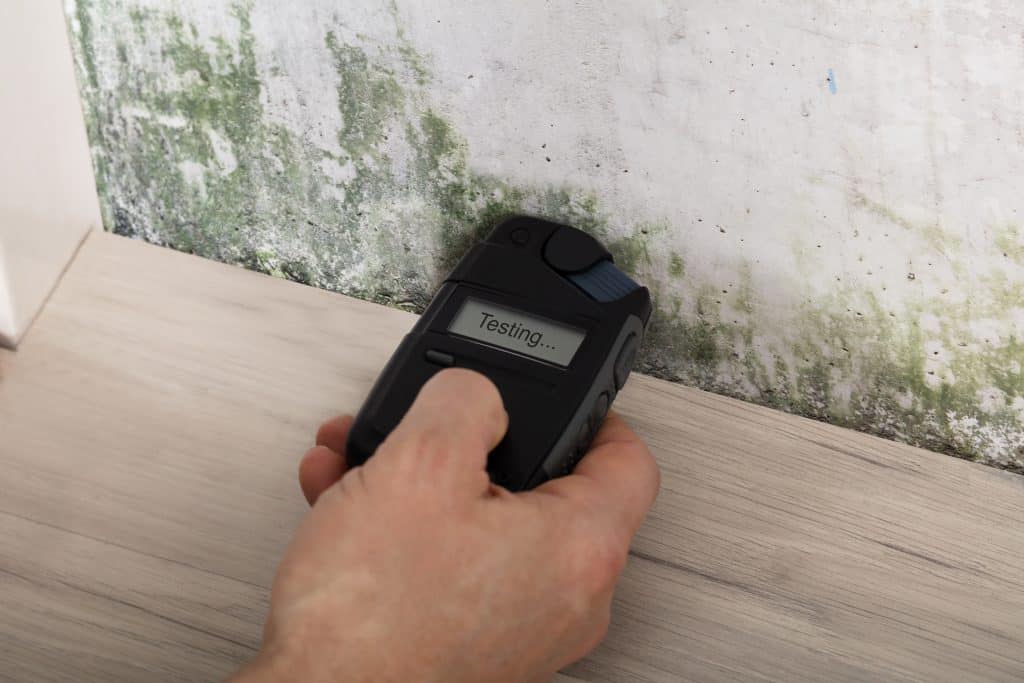
We also use specialized tools. Moisture meters detect dampness inside walls without tearing anything apart. Thermal imaging cameras spot temperature differences that indicate water intrusion or poor insulation that’s causing condensation. These tools help identify problems before they become visible disasters.
When Air Quality Testing Makes Sense for Your Home
Not every mold situation requires air quality testing, but it’s incredibly valuable in specific circumstances. If you smell mold but can’t locate the source, air testing can confirm whether spore levels in your home are elevated and help narrow down where the problem might be hiding.
Air quality testing involves collecting air samples from inside your home and comparing them to outdoor air samples. The lab analyzes both the concentration and types of mold spores present. Indoor air should generally have lower mold spore counts than outdoor air. If your indoor levels are higher, or if you’re seeing types of mold that shouldn’t be growing indoors, that’s a clear indication of a problem.
This testing is especially useful after remediation work is complete. Post-remediation testing confirms that the cleanup was successful and that spore levels have returned to normal. It gives you documentation and assurance that the problem has been resolved, not just covered up.
Here’s what air quality testing won’t do: it won’t tell you exactly where the mold is growing. It confirms presence and concentration, but you still need a visual inspection to locate the actual source. Think of it as one tool in a comprehensive assessment, not a standalone solution.
Some homeowners worry about the cost of testing, but consider what you’re getting. Professional mold testing typically runs a few hundred dollars, which is a fraction of what you’d spend on remediation or ongoing medical bills from mold-related health issues. It’s information that helps you make smart decisions rather than guessing.
One important note: despite what you might see at hardware stores, those DIY mold test kits are notoriously unreliable. They’ll almost always show that mold is present because, frankly, mold spores are everywhere. What matters is the concentration and type, which requires professional lab analysis to interpret accurately. A DIY kit can’t tell you whether what you’re finding is normal background levels or a legitimate problem that needs attention.
The bottom line is this: if you’re experiencing symptoms, if you’ve had water damage, or if you just have that nagging feeling something isn’t right with your indoor air, professional testing takes the guesswork out of the equation. You get real data that tells you whether you have a problem and how serious it is.
What Mold Remediation Involves and Why DIY Usually Backfires
Let’s address the elephant in the room: yes, you can scrub small patches of surface mold yourself if we’re talking about a tiny area on a bathroom tile. But anything beyond that, and you’re likely making the problem worse, not better.
Here’s why DIY mold removal usually backfires. When you disturb mold, you release thousands of spores into the air. Without proper containment, those spores spread to other areas of your home. You might eliminate the visible mold, but you’ve just contaminated spaces that were previously fine. Plus, if you’re not addressing the moisture source, the mold will just grow back.
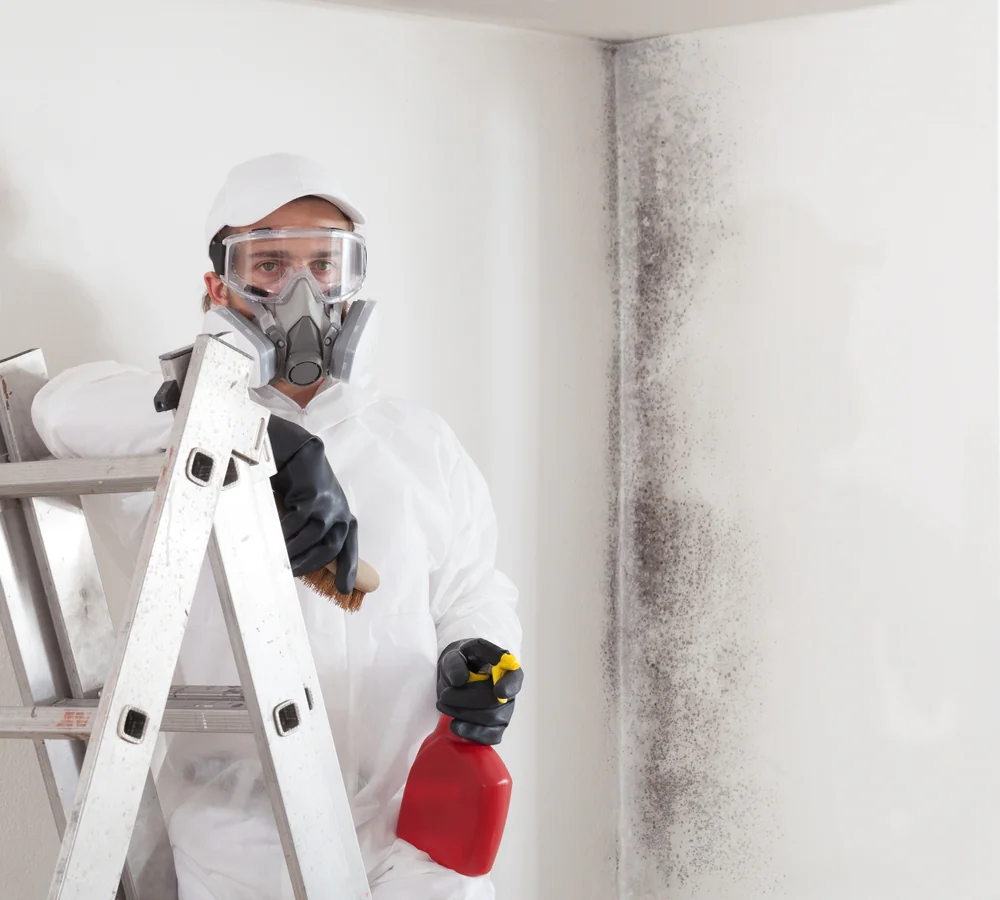
Professional mold remediation follows a specific process designed to remove mold safely and prevent it from returning. First, we contain the affected area using plastic sheeting and negative air pressure systems. This prevents spores from spreading during the cleanup. Then we remove contaminated materials that can’t be salvaged, like drywall or insulation that’s been heavily affected.
For surfaces that can be cleaned, we use HEPA vacuums and antimicrobial treatments that actually kill mold rather than just wiping it away. We also use air scrubbers with HEPA filters to capture airborne spores during the process. Once the visible mold is gone, we address the underlying moisture issue, whether that’s fixing a leak, improving ventilation, or installing dehumidification equipment.
The final step is verification. We do post-remediation testing to confirm that spore levels have returned to normal and that the remediation was successful. This isn’t just about checking a box. It’s about making sure the problem is actually solved.
Cost is obviously a concern. Mold remediation in Bucks County typically ranges from around $1,200 to $3,700 for most residential projects, though extensive problems can cost more. That might sound like a lot, but consider the alternative. Ignoring mold leads to structural damage that’s far more expensive to repair. It leads to ongoing health issues that rack up medical bills. And if you’re trying to sell your home, undisclosed mold problems can tank your sale or even lead to legal issues down the road.
Many homeowners are surprised to learn that their insurance might cover mold remediation, especially if it resulted from a covered event like a burst pipe. It’s worth checking your policy and working with a remediation company that can help navigate insurance claims. We also offer financing options to make the cost more manageable.
The key is acting quickly. Mold doesn’t get better on its own. The longer you wait, the more it spreads, the more damage it causes, and the more expensive remediation becomes. If you’re seeing visible growth, smelling musty odors, or experiencing health symptoms that might be mold-related, getting a professional assessment is the smart move.
Taking Control of Your Indoor Air Quality and Health
Mold in your home isn’t something you should ignore or try to handle with a bottle of bleach and wishful thinking. It’s a legitimate health concern that deserves professional attention, especially in Bucks County’s humid climate where conditions favor mold growth.
The good news is that mold problems are solvable. With proper inspection, testing, and remediation, you can eliminate existing mold and prevent it from coming back. You can stop wondering why your family keeps getting sick and start breathing easier in your own home.
If you’re dealing with visible mold, persistent musty odors, unexplained health symptoms, or you’ve had recent water damage, don’t wait. Mold spreads quickly, and the sooner you address it, the less damage it causes and the lower your remediation costs will be. We understand the specific challenges Bucks County homeowners face and offer free inspections, EPA-approved methods, and transparent pricing to help you protect your family and your home.