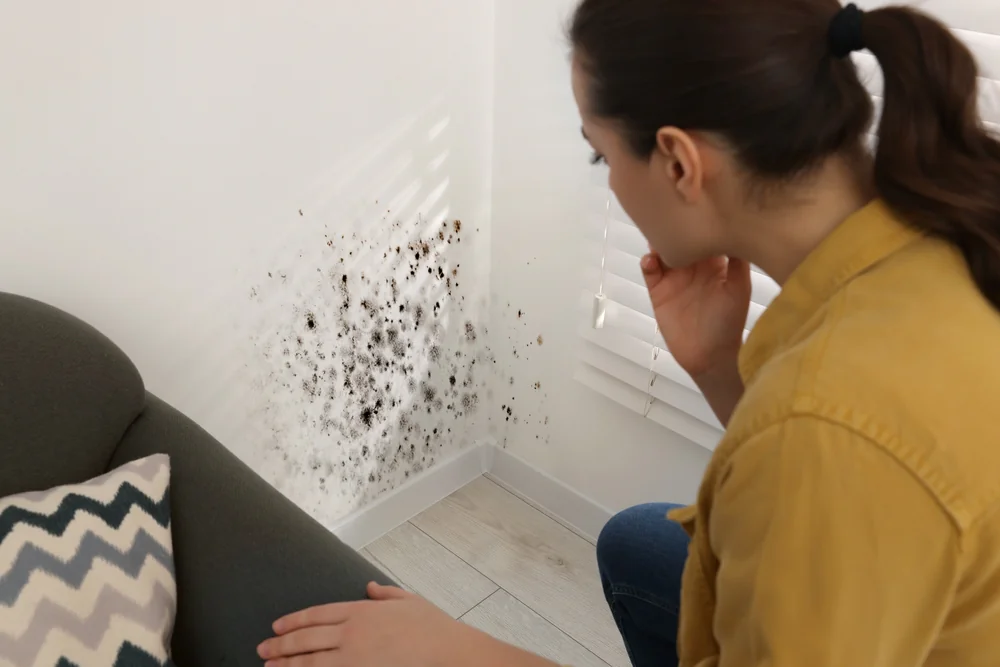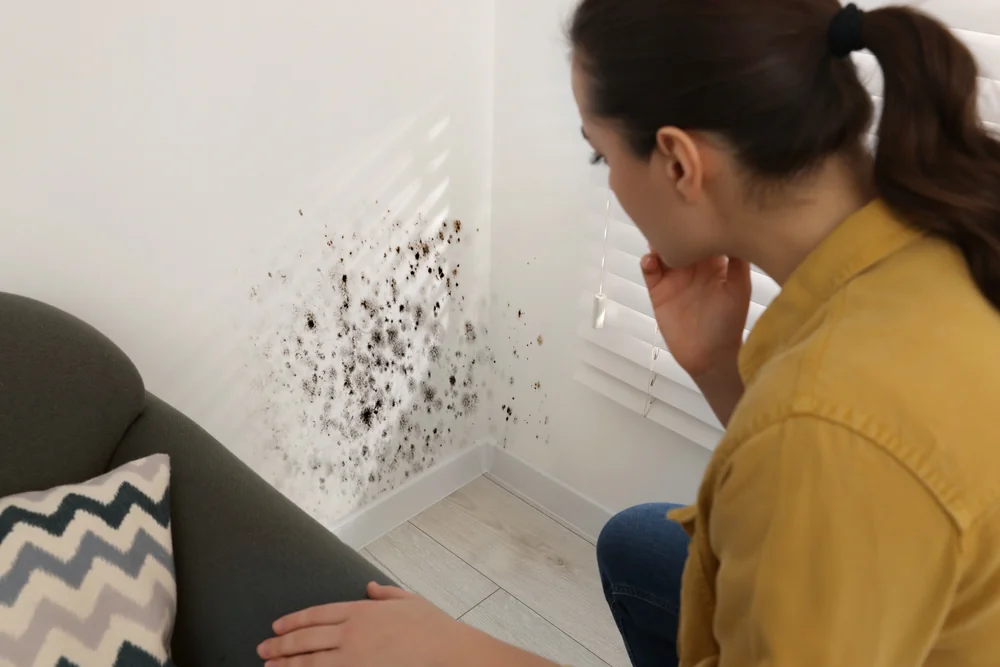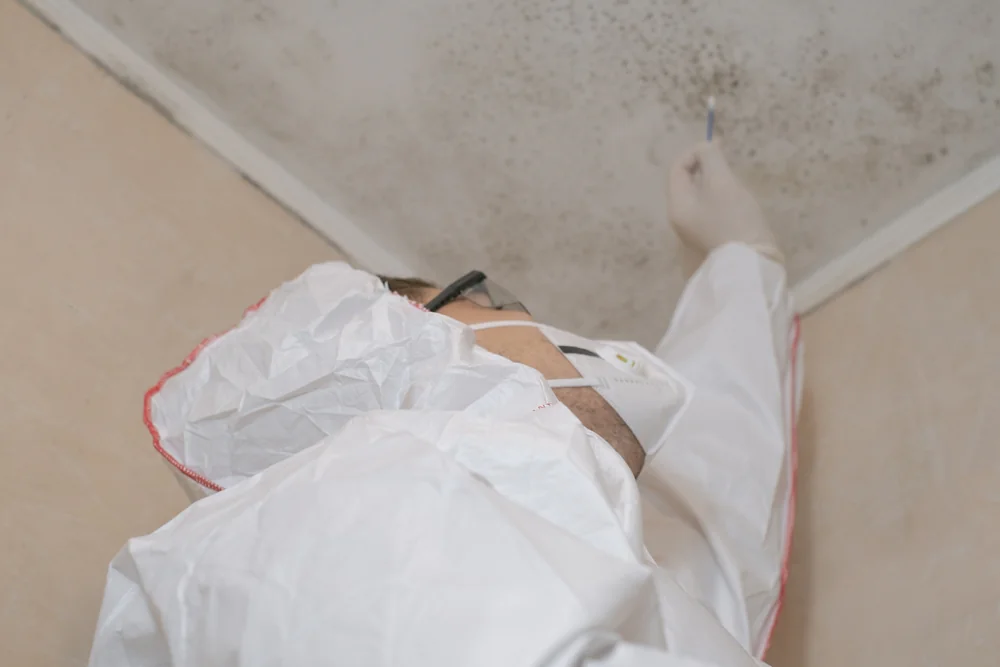
You spot mold in your basement. Maybe it’s a patch near the water heater, or discoloration creeping along the bathroom grout. Your first instinct? Grab some bleach and handle it yourself.
That instinct makes sense. Why pay someone when you can fix it in an afternoon, right?
Here’s the thing: mold doesn’t work that way. What looks like a simple cleanup job often masks a much bigger problem. And the methods most people use—bleach, scrubbing, hoping for the best—can actually make things worse by sending spores into the air and throughout your home.
This isn’t about scaring you. It’s about helping you understand when DIY makes sense, when it doesn’t, and what actually happens during professional mold remediation. Let’s start with the basics.
What Makes Mold Removal Different from Regular Cleaning
Mold isn’t dirt. You can’t just wipe it away and call it done.
When mold grows, it sends out microscopic spores—think of them as seeds. These spores float through the air, land on damp surfaces, and start new colonies. By the time you see visible mold, those spores have likely already spread to places you can’t see: behind drywall, under flooring, inside air ducts.
The moment you disturb mold—by scrubbing, peeling, or even just touching it—you release more spores into the air. Without proper containment, those spores travel to other rooms and settle into new spots. You’ve just turned a localized problem into a whole-house issue.
Why Bleach Doesn’t Actually Kill Mold
Here’s one of the biggest misconceptions about mold removal: that bleach kills it.
It doesn’t. Not really.
Bleach can discolor mold on non-porous surfaces like tile or glass, making it look like the problem is gone. But it doesn’t penetrate porous materials like drywall, wood, or grout. The mold’s roots—called hyphae—stay alive beneath the surface. Within days or weeks, you’ll see growth again.
Even worse, using bleach and water on porous materials can actually help mold grow faster. You’re adding moisture to a surface that already has a mold problem. The chlorine evaporates, the water soaks in, and the mold comes back stronger.
Professional mold remediation doesn’t rely on bleach. It focuses on physically removing contaminated materials, addressing the moisture source, and using proper antimicrobial treatments that actually work. The goal isn’t to make mold invisible—it’s to eliminate it and prevent it from returning.
This is especially important in Bucks County, where humid summers and older homes with moisture issues create perfect conditions for mold. If you don’t fix the underlying problem, you’re just buying yourself a few weeks before it reappears.
The Hidden Mold You’re Not Seeing
That visible patch on your wall? It’s usually just the beginning.
Mold grows in colonies. What you see on the surface is often just 10-20% of the actual growth. The rest is hidden behind walls, under carpet padding, inside insulation, or along the backside of drywall. By the time mold becomes visible, it’s often been growing for weeks or months.
This is where DIY efforts fall short. You can clean what you see, but you have no way of knowing what’s lurking in the wall cavity or under the subfloor. You might feel like you’ve solved the problem, but the real issue is still there, quietly spreading.
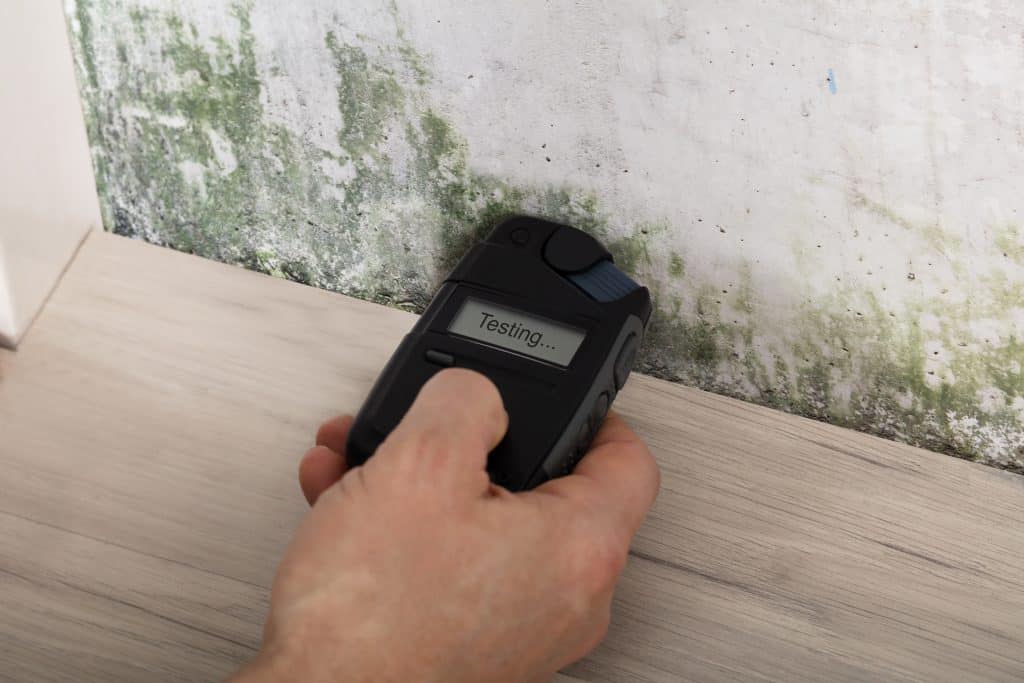
Professional mold inspection uses tools you don’t have at home: moisture meters that detect dampness inside walls, thermal imaging cameras that reveal temperature differences indicating hidden water, and air quality testing that measures spore concentrations throughout your home. These tools don’t just find mold—they find the moisture source feeding it.
In Bucks County homes, this often means discovering issues that homeowners didn’t even know existed. A slow leak behind a bathroom vanity. Condensation in a crawl space. Poor ventilation in an attic. These problems don’t announce themselves until mold shows up. And by then, the damage is usually more extensive than it appears.
Cleaning visible mold without addressing hidden growth is like pulling weeds without removing the roots. It might look better for a while, but it’s coming back.
When DIY Mold Removal Makes Sense (And When It Doesn’t)
Not all mold situations require professional help. Small, surface-level growth on non-porous materials can often be handled safely on your own—if you know what you’re doing and take proper precautions.
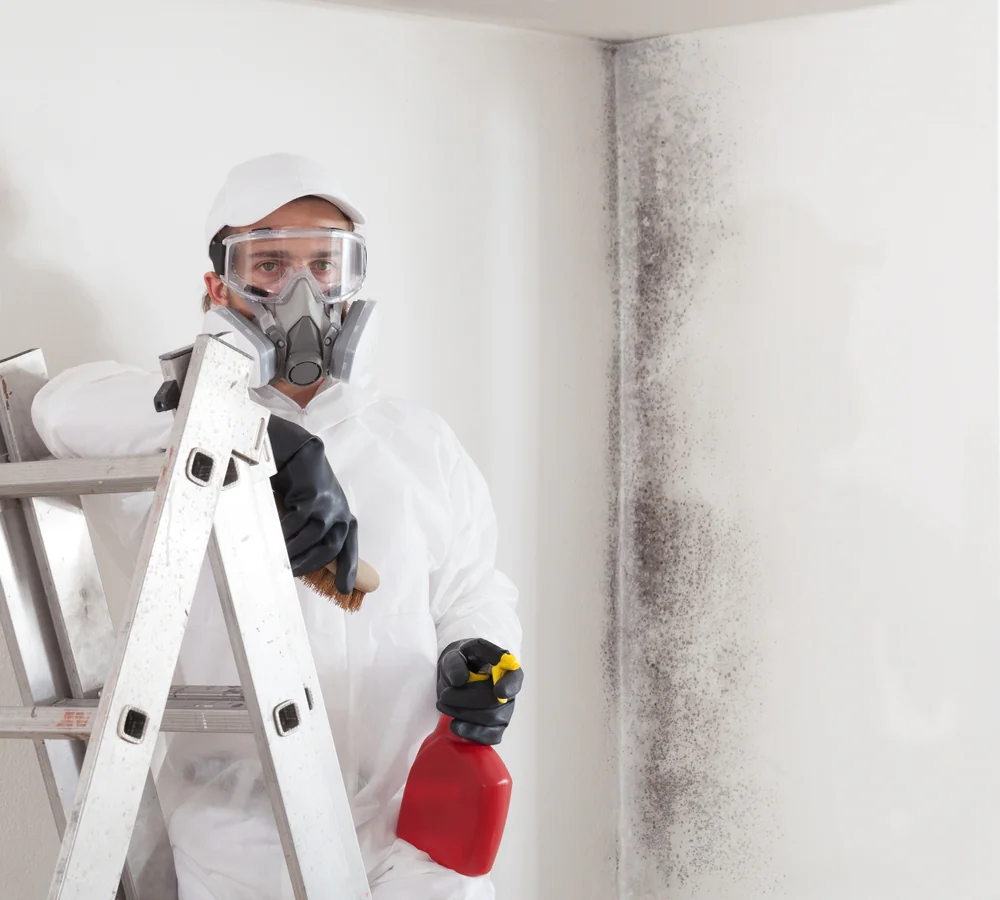
The EPA provides a clear guideline: if the affected area is less than 10 square feet (roughly a 3-foot by 3-foot section), and it’s on a hard, non-porous surface like tile or glass, DIY might be appropriate. You’ll still need an N-95 respirator, gloves, eye protection, and proper ventilation. You’ll still need to contain the area and dispose of materials carefully. But it’s manageable.
Once you cross that 10-square-foot threshold, everything changes. The risk of spreading spores increases dramatically. The likelihood of hidden growth behind surfaces goes up. And the health risks—both during cleanup and from incomplete removal—become significant enough that professional help isn’t just recommended, it’s necessary.
The Real Risks of DIY Mold Removal
Here’s what happens when mold removal goes wrong.
First, there’s the health risk. Disturbing mold releases millions of spores into the air. Without proper respiratory protection—and most people don’t have the right equipment—you’re breathing those spores in. For people with asthma, allergies, or compromised immune systems, this can trigger immediate reactions: coughing, wheezing, eye irritation, skin rashes. Research shows that as many as 21% of asthma cases may be linked to mold exposure.
Second, there’s the contamination risk. When you don’t contain the work area properly, spores travel through your HVAC system and settle in rooms that didn’t have mold before. You’ve just spread the problem instead of solving it. This is one of the most common mistakes homeowners make—and one of the most expensive to fix later.
Third, there’s the incomplete removal risk. You clean what you can see, but you don’t address what’s behind the drywall or under the flooring. The moisture source is still there. The hidden mold is still growing. Within weeks, you’re back where you started—except now you’ve wasted time, money, and effort on a solution that didn’t work.
Finally, there’s the insurance risk. Many insurance policies require professional documentation for mold claims. If you attempt DIY removal and the problem worsens, your insurer may deny coverage, arguing that improper cleanup made the situation worse. Professional remediation provides the documentation and guarantees that protect both your health and your investment.
In Bucks County, where older homes and humid conditions create ongoing moisture challenges, cutting corners on mold removal often means paying twice—once for the DIY attempt, and again for the professional cleanup that should have happened from the start.
What Professional Mold Remediation Actually Involves
Professional mold remediation isn’t just “better cleaning.” It’s a systematic process designed to remove mold completely, address the cause, and prevent recurrence.
It starts with a thorough mold inspection—not just of the visible mold, but of your entire property. Technicians check wall cavities, crawl spaces, attics, and areas around plumbing where mold hides. They use moisture meters to find dampness you can’t see and thermal imaging to identify temperature differences that indicate water problems. Air quality testing reveals spore concentrations in different rooms. This inspection reveals the full scope of the issue, not just the part you noticed.
Next comes containment. Before any mold is disturbed, the work area is sealed off with plastic sheeting and negative air pressure systems. This prevents spores from spreading to other parts of your home. HVAC systems are shut down. Doorways are sealed. Air scrubbers with HEPA filters run continuously to capture airborne spores.
Then comes removal. Contaminated materials—drywall, insulation, carpet, anything porous that can’t be fully cleaned—are carefully removed and disposed of according to EPA guidelines. Hard surfaces are cleaned with professional-grade antimicrobial treatments. The goal isn’t to make mold look gone; it’s to physically eliminate it.
Finally, and most importantly, the moisture source is addressed. This is what separates professional remediation from DIY attempts. Without fixing the leak, improving the ventilation, or controlling the humidity, mold will return. Professionals identify why the mold grew in the first place and help you fix that underlying problem.
Most residential mold removal projects in Bucks County take between one and five days, depending on the extent of the damage. Average costs typically range from $1,200 to $3,400, with most homeowners paying around $2,200. That might sound like a lot compared to a $30 bottle of bleach, but it’s a fraction of what you’ll pay if DIY fails and the problem spreads.
Making the Right Choice for Your Bucks County Home
Mold removal isn’t about choosing the cheapest option. It’s about choosing the option that actually works.
If you’re dealing with a small patch on a hard surface, and you’re confident about containing the area and protecting yourself, DIY might be fine. But the moment you’re unsure—about the size, the location, the cause, or your ability to handle it safely—it’s time to call in professionals.
The cost of getting it wrong is too high. Spreading spores throughout your home. Exposing your family to health risks. Watching mold return because the moisture source wasn’t fixed. Paying thousands more to fix problems that could have been prevented.
We understand the specific challenges Bucks County homeowners face: leaky basements, humid summers, older homes with hidden moisture issues. We provide free inspections, upfront pricing, mold testing, air quality testing, and complete remediation solutions that address the root cause—not just the symptoms. Because when it comes to mold, doing it right the first time is always cheaper than doing it twice.