That 1920s colonial on the tree-lined street in Doylestown just dropped in price. Original hardwood, working fireplace, the kind of character you can’t replicate in new construction. You can already picture your furniture in the living room. But here’s what most buyers don’t think about until it’s too late—those same features that make older Bucks County homes so appealing also create perfect conditions for mold. Stone foundations that breathe moisture. Basements that have been damp since Eisenhower was president. Crawl spaces no one’s looked at in decades. A pre-purchase mold inspection isn’t about ruining your excitement. It’s about making sure you know exactly what you’re buying before the deal is done and your options disappear.
What Makes Older Homes in Bucks County Vulnerable to Mold
Bucks County has some of the most beautiful older homes in Pennsylvania. Colonials from the 1800s. Stone farmhouses with two-foot-thick walls. Properties where you can still see hand-hewn beams in the basement.
That history comes with complications. Homes built 50, 75, 100 years ago weren’t designed with modern moisture control. They have stone foundations that let groundwater seep through. Crawl spaces with dirt floors. Attics with minimal ventilation. Basements that stay damp because that’s just what old basements do in this part of Pennsylvania.
Bucks County’s climate doesn’t help. Humid summers. Heavy spring rains. Homes that were built to breathe don’t always breathe in the right direction, and moisture gets trapped in places you’d never think to check. That’s where mold mitigation becomes critical—before there’s a problem, not after.
Why Standard Home Inspections Miss Hidden Mold Problems
Most buyers assume their home inspection covers mold. It doesn’t. Not the way you think.
A standard home inspection focuses on structure, systems, and safety. Your inspector checks the roof, foundation, electrical panel, plumbing, HVAC. If they happen to see visible mold, they’ll note it. But they’re not required to test for it. They’re not trained to find mold growing behind walls or under floors. And they’re definitely not using thermal imaging or moisture meters to detect hidden water intrusion.
That’s not a failure on their part. It’s just not what they’re hired to do. Mold inspection and mold testing are separate specialties that require different tools, different training, and a different scope of work.
So if you rely only on the general home inspection, you’re hoping the inspector happens to spot something obvious. You might get lucky. Or you might close on the house, move in, and discover three months later that there’s black mold in the basement. By then, it’s your problem. Your insurance won’t cover it because it’s considered pre-existing. And the seller is long gone.
A certified mold inspection fills that gap. The inspector examines the entire property with a focus on the places mold loves—basements, crawl spaces, attics, around plumbing, near windows and doors, inside HVAC systems. They use moisture meters to measure moisture levels in walls and floors. Thermal imaging cameras detect temperature differences that indicate hidden leaks or water damage.
When they find suspicious areas, they take air samples and surface samples. Those samples go to a lab for analysis, which tells you exactly what type of mold is present and how much of it you’re dealing with. Some mold is relatively benign. Other types, like Stachybotrys chartarum—black mold—are toxic and require immediate professional mold remediation.
The process takes a few hours. Results come back in a few days. That timeline fits cleanly into most real estate transactions, especially if you include a mold inspection contingency in your purchase agreement. It’s a small window of time that can save you from a massive financial and health problem down the road.
The Financial Reality of Skipping a Mold Inspection Before Buying
A professional mold inspection in Bucks County, PA costs between $300 and $650. When you’re already paying for a home inspection, appraisal, attorney fees, and everything else that comes with buying a house, it’s tempting to skip it.
Here’s why that’s a mistake. Untreated mold can reduce a home’s value by 20% to 37%. On a $350,000 house, that’s $70,000 to $129,500 in lost equity. Even after professional mold removal, homes often sell at a 3% stigma discount, which is another $10,500 on that same property.
Then there’s the remediation cost. A small mold problem—surface mold in a bathroom or around a window—might cost $500 to $1,500 to fix. But if mold has spread into the basement, the HVAC system, or behind multiple walls, you’re looking at $5,000 to $20,000 or more. That doesn’t include fixing the moisture problem that caused the mold in the first place.
Compare that to spending $300 to $650 on a pre-purchase mold inspection. If the inspection finds mold, you have leverage. You can ask the seller to handle mold remediation before closing. You can negotiate a lower purchase price that reflects the cost of fixing the problem. Or you can walk away from the deal if the mold issue is too severe.
Without the inspection, you own the problem the second you close. The seller has no obligation to help. Your homeowner’s insurance probably won’t cover it. And you’re stuck with a repair bill you didn’t budget for and a home that’s worth less than you paid.
There’s also the health side, which doesn’t show up on a balance sheet but matters just as much. Mold exposure causes respiratory problems, chronic allergies, sinus infections, headaches, and fatigue. For people with asthma or weakened immune systems, it can be dangerous. Kids and elderly family members are especially vulnerable. Air quality testing as part of the mold inspection process gives you a clear picture of what you and your family would be breathing every day.
You can’t put a price on your family’s health. But you can prevent the problem by knowing what you’re buying before you sign.
Understanding the Difference Between Mold Mitigation and Mold Remediation
Most people use these terms like they mean the same thing. They don’t. And if you’re buying an older home in Bucks County, PA, understanding the difference could save you thousands.
Mold mitigation is prevention. It’s the proactive work you do to control moisture and eliminate the conditions that let mold grow. Fixing leaks. Improving ventilation. Running dehumidifiers in damp basements. Sealing cracks in foundations. Making sure water drains away from the house instead of pooling against it. Mitigation keeps mold from becoming a problem in the first place.
Mold remediation is treatment. It’s what happens when mold is already growing and needs to be removed. Remediation involves containment, removal of contaminated materials, antimicrobial cleaning, air filtration, and fixing the moisture source so the mold doesn’t come back.
Both matter. Mitigation happens before there’s a problem, or after remediation to prevent recurrence. Remediation happens when you already have active mold growth that requires professional intervention.
What Professional Mold Remediation Involves
If your pre-purchase mold inspection finds active mold growth, or if you’re a seller dealing with a mold problem before listing, here’s what professional mold remediation looks like in practice.
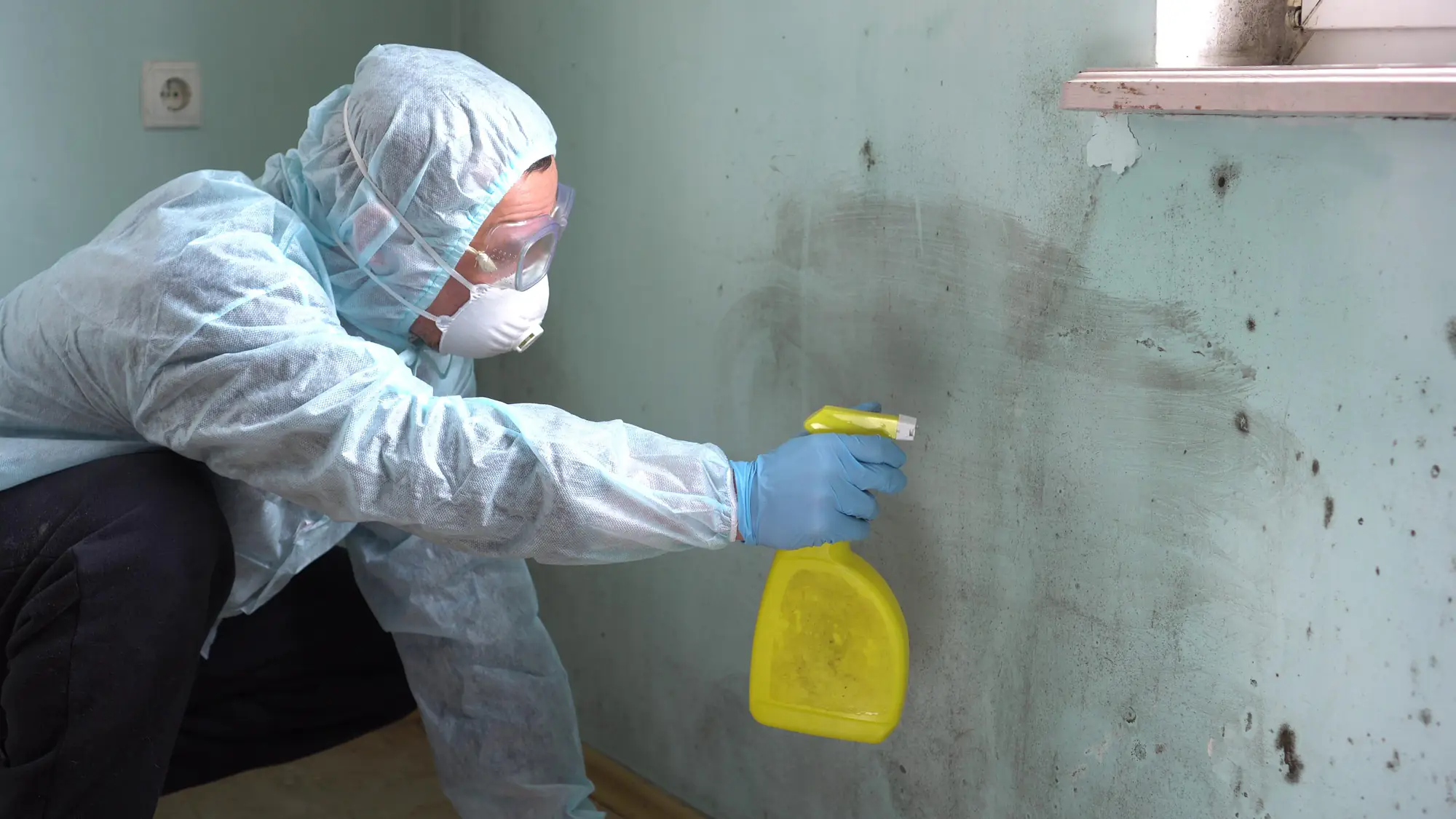
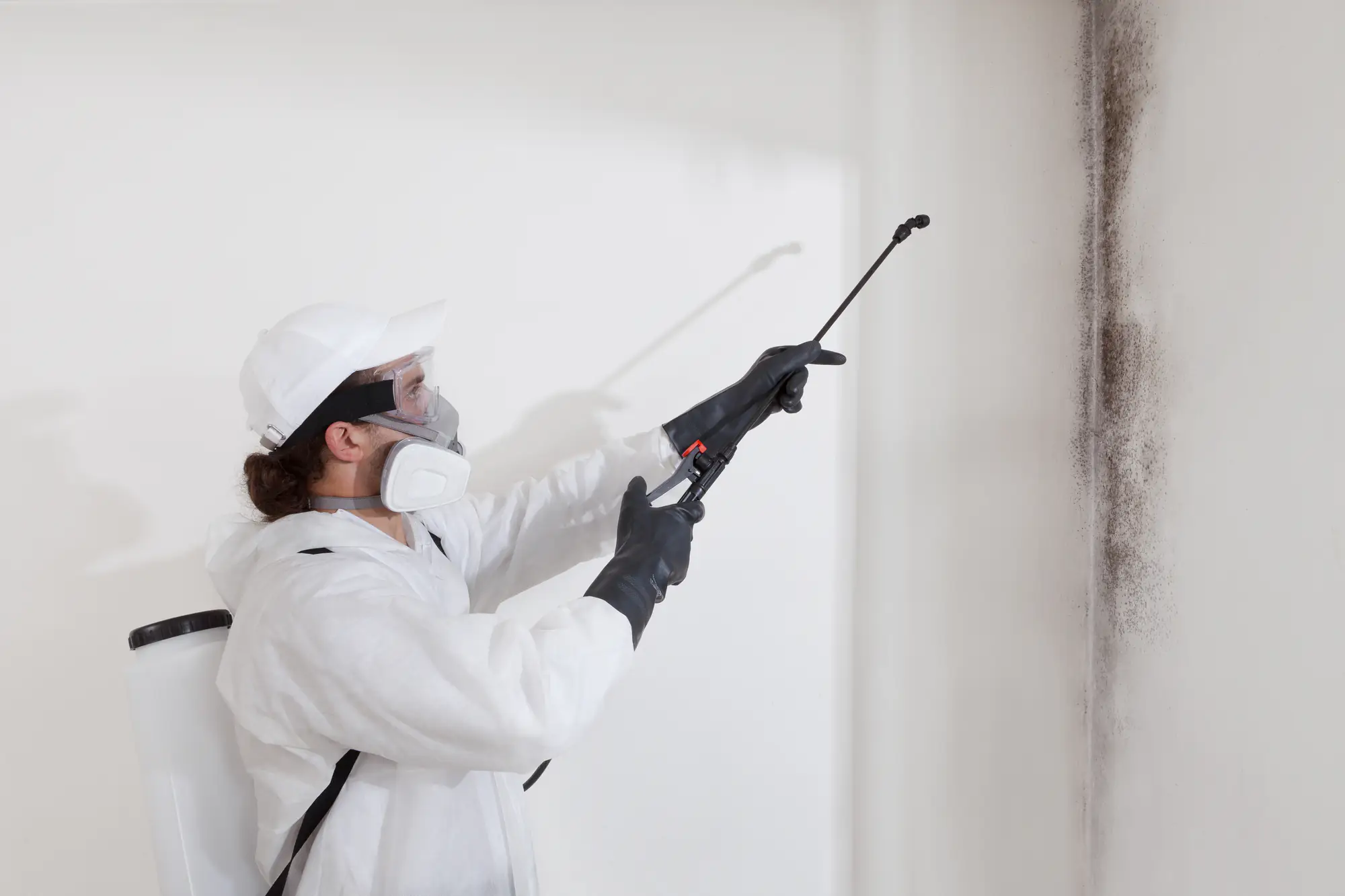
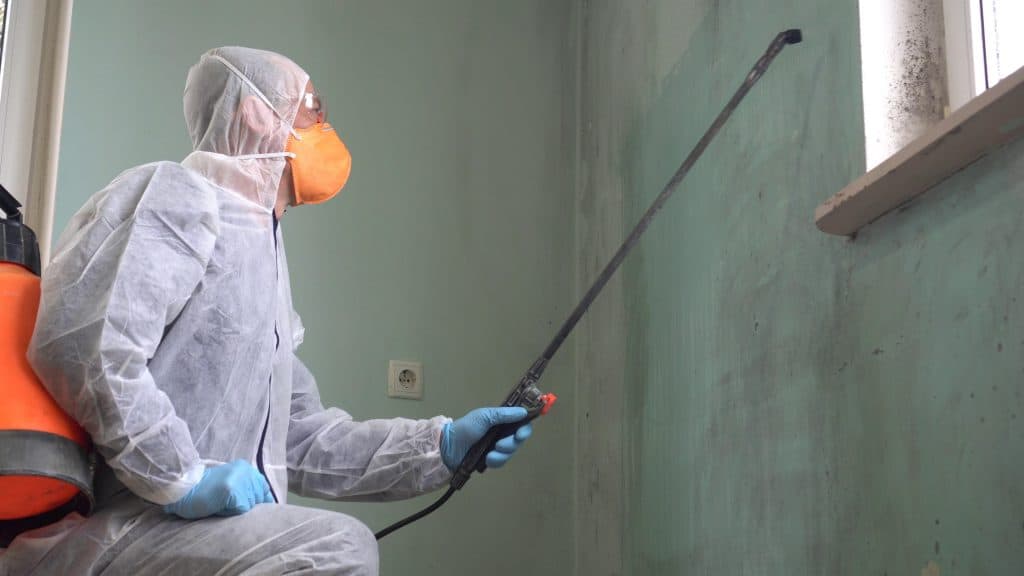
First, we contain the affected area. We seal it off with heavy plastic sheeting and set up negative air pressure systems. This prevents mold spores from spreading to clean parts of the house during the removal process. It’s critical because disturbing mold releases thousands of spores into the air, and those spores can settle elsewhere and start new colonies.
Next comes removal of contaminated materials. If mold has grown into drywall, insulation, carpet, or wood, those materials usually can’t be saved. They have to be carefully removed and disposed of according to Pennsylvania regulations. Non-porous surfaces like tile, glass, or metal can often be cleaned and treated instead of replaced.
Then the cleaning phase begins. We use HEPA vacuums to capture microscopic mold spores. We apply antimicrobial treatments to kill remaining mold and prevent regrowth. We run commercial-grade air scrubbers with HEPA filters to clean the air in the affected area and surrounding spaces.
The final step—and the most important one—is addressing the moisture source. This separates professional mold remediation from a surface-level cleanup that won’t last. If you don’t fix the leaky pipe, improve the basement ventilation, or solve the drainage problem that caused the mold, it’s going to come back. We identify the root cause and either fix it ourselves or give you a detailed plan for addressing it.
After all work is complete, we conduct post-remediation air quality testing to confirm that mold levels are back to normal and the indoor environment is safe. Most residential mold removal projects in Bucks County take three to five days from start to finish. Larger or more complex jobs can take a week or longer.
Cost varies based on the size of the affected area, the type of mold, and the extent of structural damage. Most projects fall between $1,200 and $3,400. Smaller jobs might cost $500 to $1,500. Extensive problems requiring wall removal, floor replacement, or HVAC system cleaning can reach $5,000 to $10,000 or more.
How to Negotiate After Your Mold Inspection Finds Problems
Finding mold during your pre-purchase inspection doesn’t kill the deal. It changes the terms. How you handle it depends on how bad the problem is and how motivated both parties are to close.
If the mold inspection reveals minor surface mold—maybe in a bathroom, around a window, or in a small section of the basement—you can ask the seller to remediate it before closing. Most sellers will agree if the cost is under $2,000 and the timeline fits the closing schedule. Get documentation that the work was done by a licensed professional and that post-remediation testing confirmed the problem is resolved.
If the mold problem is more significant, you have options. You can ask the seller to handle the full mold remediation process and provide proof that it was done correctly. You can negotiate a credit at closing that covers the estimated remediation cost, then handle it yourself after you own the property. Or you can ask for a reduction in the purchase price that reflects both the remediation cost and the impact on the home’s value.
Some buyers prefer to manage remediation themselves because it gives them control. They choose the contractor, oversee the work, and make sure it’s done to their standards. The tradeoff is that you’re dealing with the problem after you move in, and there’s always a risk that the actual cost ends up higher than the estimate.
If the mold problem is severe—widespread growth, toxic mold species, structural damage, or evidence that the issue has been ongoing and poorly maintained—you might decide to walk away. That’s exactly what inspection contingencies are for. They give you an exit if the inspection reveals conditions that make the property unacceptable.
Pennsylvania law requires sellers to disclose known mold issues. If your mold inspection finds significant mold that wasn’t disclosed, that’s a red flag. Either the seller genuinely didn’t know about it, which raises questions about how well the property has been maintained, or they knew and chose not to disclose it, which is a legal problem that could give you additional leverage or grounds to terminate the contract.
The inspection gives you information and power. Use both. Don’t let the excitement of buying your dream home push you into accepting a problem that’s going to cost you thousands and potentially harm your family’s health.
Making Smart Decisions Before You Close on an Older Home
Buying a home is the single biggest financial commitment most people make in their lifetime. When that home is 50, 75, or 100 years old, when it has the kind of character and craftsmanship you can’t find in new construction, it’s easy to overlook the practical concerns that don’t show up in the listing photos or the Sunday open house.
Mold doesn’t care about original hardwood floors or hand-carved mantels. It grows where moisture meets organic materials, and older homes in Bucks County, PA have both in abundance. A pre-purchase mold inspection gives you the information you need to make an informed decision. It protects your investment, gives you real negotiating leverage, and ensures you’re not moving your family into a home with hidden health hazards lurking in the basement or behind the walls.
The mold inspection process is straightforward. The cost is reasonable compared to the potential problems it can reveal. And the timeline fits cleanly into most real estate transactions. What you get in return is peace of mind and the confidence that you know exactly what you’re buying—and what you’re not.
If you’re considering an older home in Bucks County, PA, make the mold inspection part of your due diligence. We offer free inspections and work with homebuyers throughout the area to identify mold issues before they become expensive problems. Reach out before you close, and make sure your dream home doesn’t come with problems you never saw coming.