

Hear from Our Customers
Here’s the problem with most mold inspections: the company testing your home is the same one selling you the fix. That’s a conflict of interest you can’t ignore.
When you work with us for mold testing in Spruce Hill, you’re getting independent analysis. We send samples to a certified third-party lab. They tell us what’s actually in your air—the species, the concentration levels, whether it’s a health risk or just normal background spores.
You get a clear report. You understand what you’re dealing with. And if remediation is needed, you can get quotes from anyone—not just us.
That’s how residential mold testing should work. No upselling. No exaggerating problems that don’t exist. Just accurate information so you can make the right call for your home and your family.
We’ve been serving homeowners across Bucks, Montgomery, Delaware, Chester, and Philadelphia County for years. We understand what makes this area a hotspot for mold growth.
Philadelphia ranks 85th on the list of moldiest cities in the U.S. The humid summers, frequent rain, and aging housing stock in neighborhoods like Spruce Hill create perfect conditions for mold. Older homes often have outdated ventilation, poor drainage, and basements that stay damp year-round.
We’ve seen it all. And we know that most homeowners don’t need a dramatic overhaul—they need honest answers and a clear path forward. That’s what our mold check professionals deliver every time.
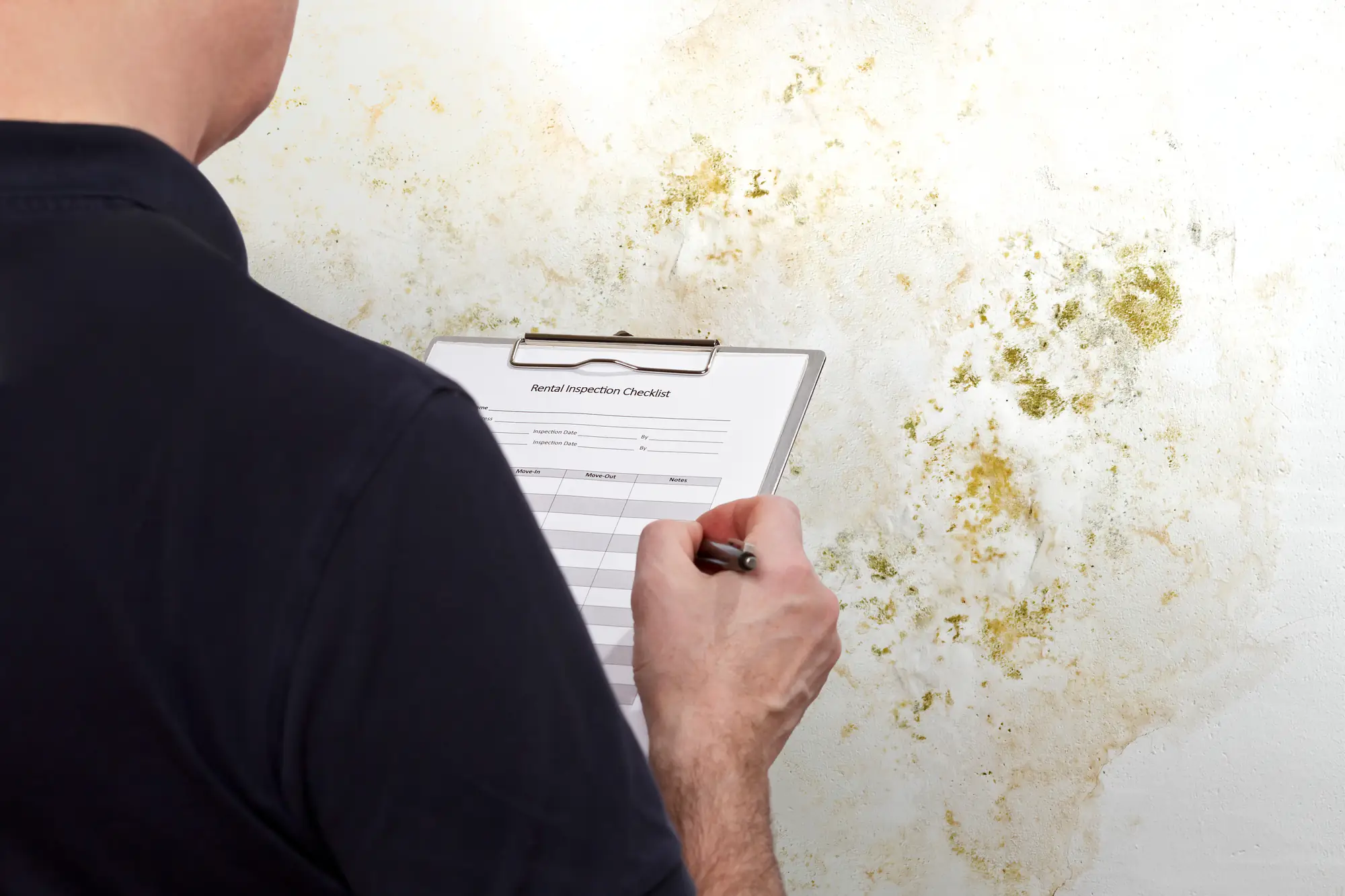
First, we talk. You tell us what you’ve noticed—musty smells, visible spots, health symptoms, water damage history. That conversation shapes where we look and what we test.
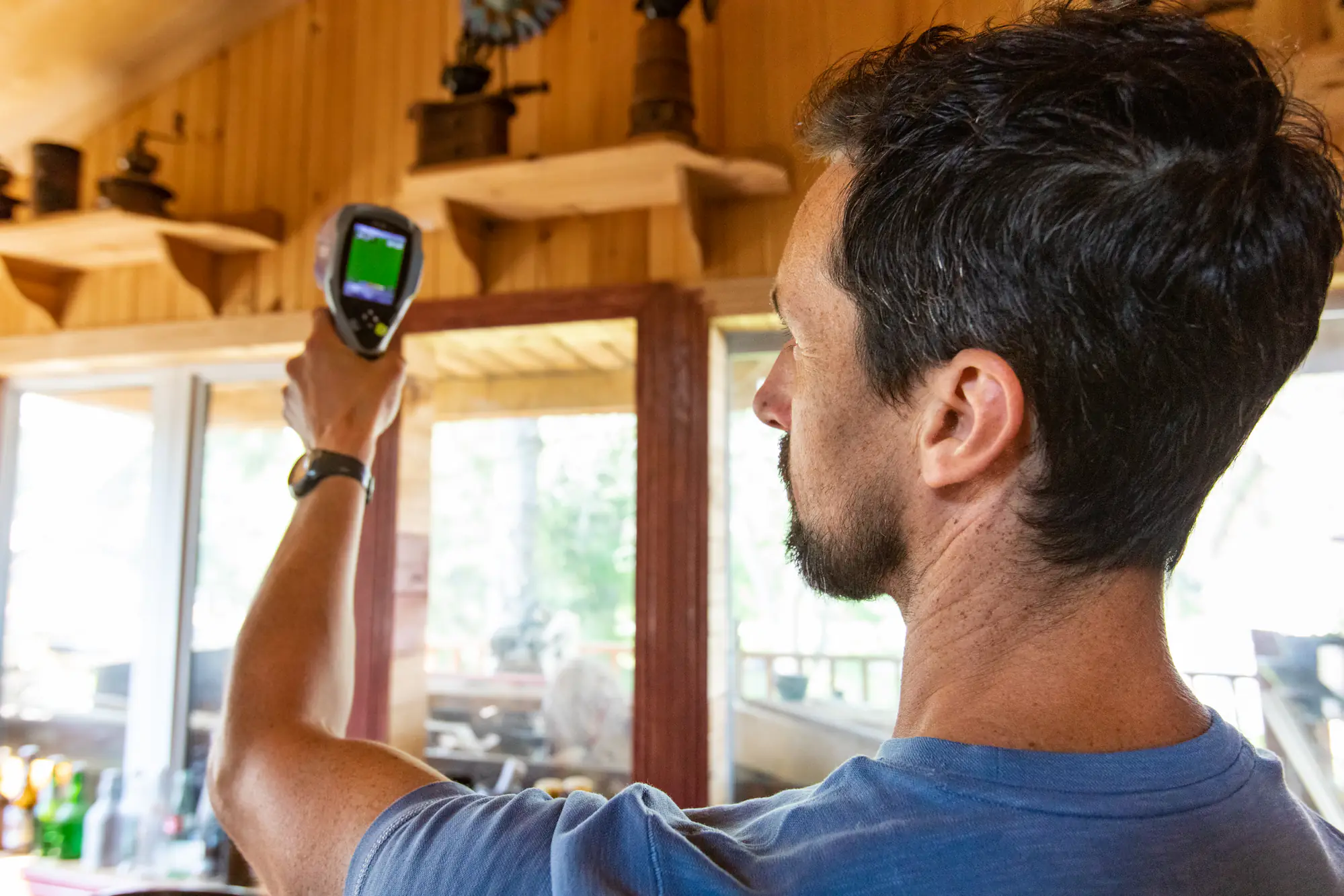
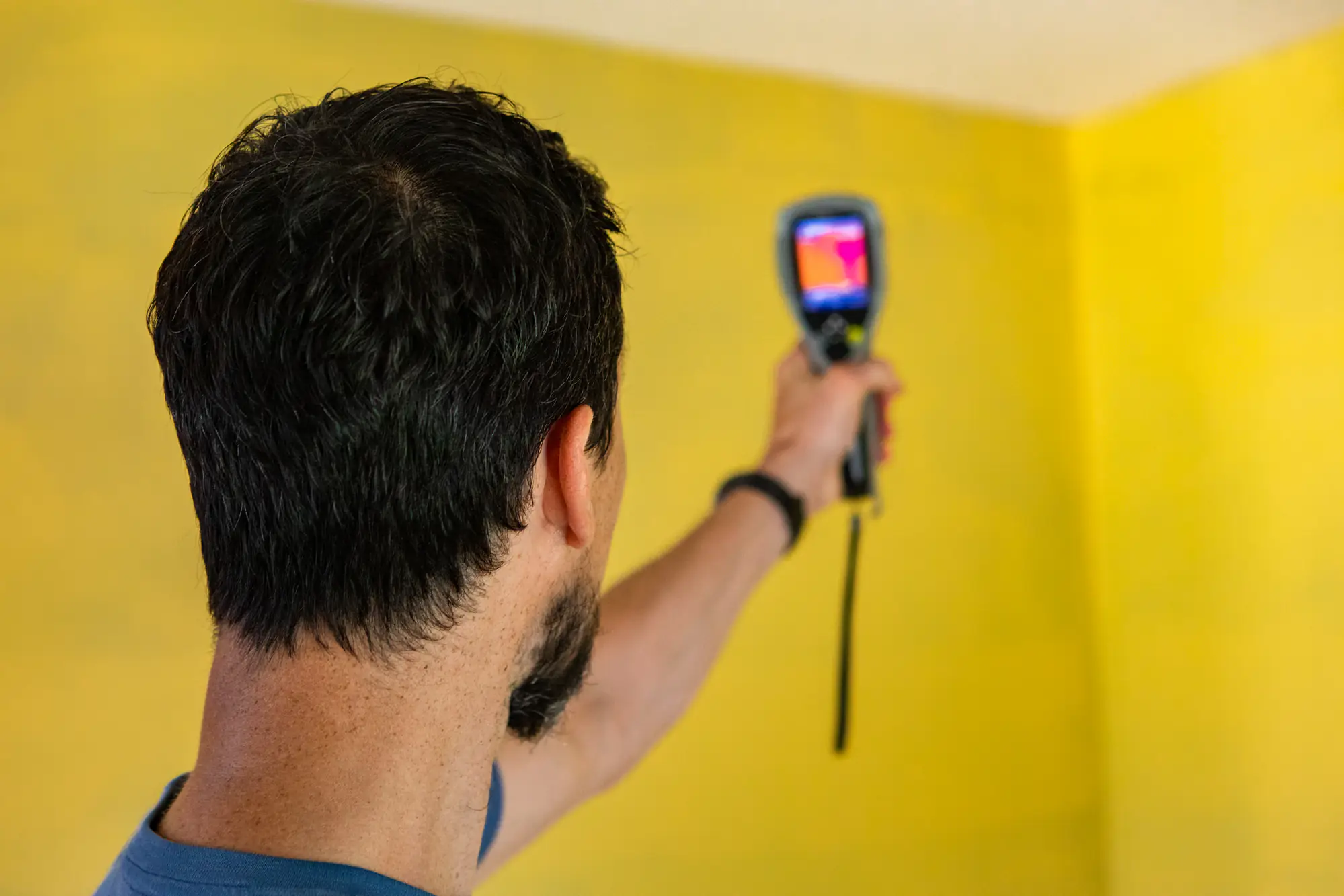
Then we inspect your property. We’re checking the obvious places and the hidden ones: behind walls, under sinks, in crawl spaces, around HVAC systems. We use moisture meters to find problem areas you can’t see.
Next, we collect samples. Air samples capture what’s floating around in your home. Surface samples test visible growth or suspicious areas. Every sample gets labeled, logged, and sent to an independent lab for analysis.
Within a few days, you get a detailed report. It breaks down what mold species were found, at what levels, and whether those levels are concerning. We walk you through the results in plain language—no jargon, no scare tactics.
If there’s a problem, we explain your options. If the levels are normal, we tell you that too. You’re not pressured into anything. You just get the truth about your indoor air quality.
Ready to get started?
A real black mold test involves lab work. Visual inspections can miss hidden growth, and they can’t tell you what species you’re dealing with or whether the concentration is dangerous.
Our service includes air quality testing, surface sampling where needed, moisture mapping, and full laboratory analysis. You get a written report that documents everything—useful for insurance claims, real estate transactions, or just your own peace of mind.
In Spruce Hill and the greater Philadelphia area, this matters more than you might think. Mold remediation costs here average between $1,200 and $3,400. But unnecessary remediation costs just as much as necessary remediation. Testing first means you’re not spending money on a problem that doesn’t exist—or ignoring one that does.
Philadelphia’s humid climate and older homes make mold a recurring issue. Basements flood. Roofs leak. HVAC systems create condensation. If you’re buying a home, selling one, or just noticing something off about your indoor air, professional mold testing gives you the information you need to act smart.
Professional mold testing in the Philadelphia area typically runs between $200 and $800, depending on the size of your home and how many samples are needed. That might sound like a lot upfront, but compare it to the alternative.
If you skip testing and just assume you have a mold problem, you could spend $1,200 to $3,400 on remediation you don’t actually need. Or worse, you could ignore a real problem that gets more expensive to fix over time.
Testing gives you a baseline. You know what you’re dealing with, and you can make decisions based on facts instead of guesses. For most homes, we’re talking about air samples from a few key areas and maybe a surface test or two. You get lab results, a clear report, and a realistic sense of what—if anything—needs to happen next.
You can, but here’s what you need to know: those kits will almost always come back positive. Mold spores exist everywhere. They’re in the air right now, in every home, all the time. A DIY kit will detect them, but it won’t tell you if the levels are normal or dangerous.
Professional mold testing measures concentration and identifies species. Some molds are harmless. Others, like black mold, are serious health risks. A DIY kit can’t make that distinction.
We also know where to test. Mold hides in places you wouldn’t think to check—inside walls, under flooring, in ductwork. Our equipment detects moisture and airflow issues that lead us to the real problem areas. If you’re trying to make an informed decision about your home, a $20 kit isn’t going to give you the full picture.
The inspection itself usually takes one to two hours, depending on the size of your home and how many areas we’re testing. We’re thorough, but we’re not going to waste your time.
Once we collect the samples, they go to a certified lab. Lab analysis typically takes 24 to 48 hours. After that, we review the results and put together a report that actually makes sense—not a bunch of technical terms you need a science degree to understand.
From start to finish, most clients have their full report within three to five days. If you’re on a tight timeline—say, you’re in the middle of a real estate transaction—let us know. We can often expedite the process. The goal is to get you answers fast so you can move forward with confidence.
First, don’t panic. Positive results don’t automatically mean your home is unsafe or that you need to gut the place. It means we found elevated levels of mold spores, and now we need to figure out why and what to do about it.
The report will show you what species were detected and at what concentration. Some molds are more concerning than others. We’ll walk you through what the numbers mean and whether the levels are high enough to warrant action.
If remediation is needed, you have options. You can hire us, or you can get quotes from other companies. We’re not going to pressure you either way. The testing is independent, and the results are yours to use however you see fit. What matters is that you have accurate information and a clear understanding of the next steps—whether that’s fixing a leak, improving ventilation, or bringing in a remediation team.
Yes, and here’s why: mold grows in places you can’t see. Behind drywall. Under flooring. Inside HVAC ducts. You might not see it, but you could be breathing it.
If you’re noticing musty odors, experiencing unexplained health symptoms like coughing or headaches, or if you’ve had any water damage in the past year, testing makes sense. Even if the leak was fixed, mold could still be growing in hidden areas where moisture got trapped.
This is especially true in older Philadelphia-area homes like the ones in Spruce Hill. Poor ventilation, outdated plumbing, and aging infrastructure create conditions where mold thrives. You don’t need visible growth to have a problem. Air quality testing picks up what your eyes can’t, and it gives you peace of mind—or a heads-up that something needs attention before it gets worse.
Pennsylvania doesn’t legally require mold testing for real estate transactions, but that doesn’t mean you should skip it. Mold can kill a deal or become a major negotiation point if it’s discovered during a buyer’s inspection.
If you’re selling, getting a mold test done proactively shows transparency. It gives buyers confidence and removes a common red flag before it becomes a problem. If you’re buying, testing protects you from inheriting someone else’s hidden issue—especially in older homes where mold is more common.
Mold problems can reduce a home’s value by 10% to 30% or more. In the Philadelphia market, that’s significant. Testing costs a few hundred dollars. The information it provides can save you thousands in renegotiations, repairs, or post-sale surprises. Whether you’re buying or selling, it’s one of the smartest moves you can make to protect your investment.
Other Services we provide in Spruce Hill