
Hear from Our Customers
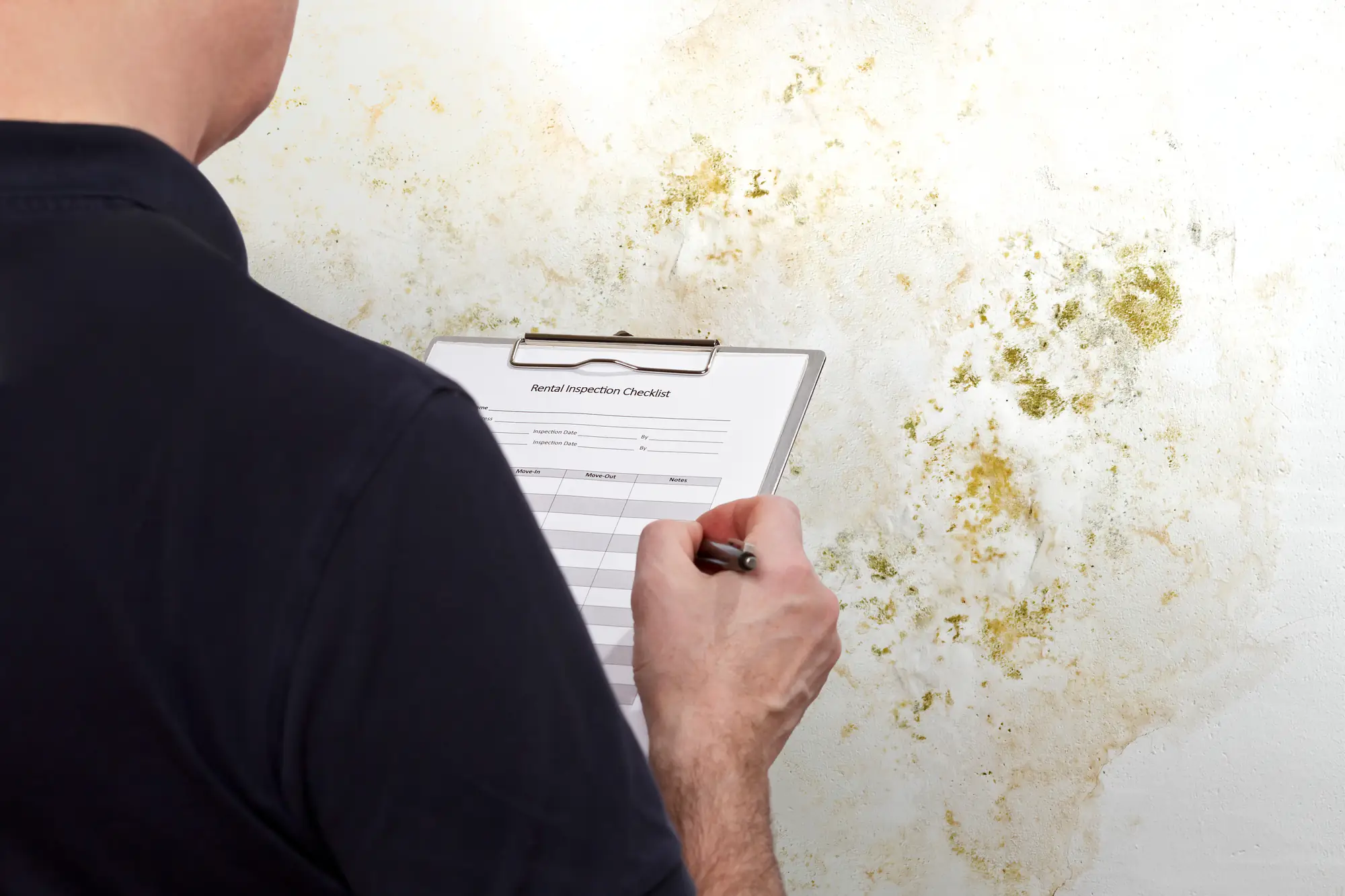
You can’t fix what you can’t see. That’s the frustrating part about mold—it grows in crawl spaces, behind walls, under floors, and inside HVAC systems where most homeowners never look.
A professional mold inspection gives you the full picture. Not just the visible stuff, but the hidden growth that’s affecting your air quality, triggering allergies, and quietly damaging your property value.
Our inspections use thermal imaging and moisture meters to detect problem areas before they turn into expensive repairs. You’ll get a clear report that shows what’s happening, where it’s happening, and what needs to happen next. No guessing. No surprises later.
If your home smells musty, if someone in your family is coughing more than usual, or if you’ve had any water issues in the past year—you need to know what’s actually going on. Nearly 47% of homes have visible mold or that telltale odor, and in Bucks County’s humid climate, the number is likely higher.
We’ve been serving Spruce Hill and the surrounding Bucks County area for years. We’ve inspected hundreds of homes in this region, and we understand the specific mold challenges that come with older construction, humid summers, and homes built before modern ventilation standards.
We’re not a national franchise reading from a script. We’re local professionals who’ve seen how mold behaves in basements with stone foundations, in rowhouses with shared walls, and in attics with poor airflow.
Our team is certified, our methods follow EPA guidelines, and our inspections are thorough. When we finish, you’ll know exactly what’s in your home and what it’s going to take to fix it. We don’t upsell services you don’t need, and we don’t downplay problems that require attention.
The inspection starts with a conversation. We ask about any water damage, leaks, flooding, or musty odors you’ve noticed. We want to know where your concerns are so we can focus on those areas first.
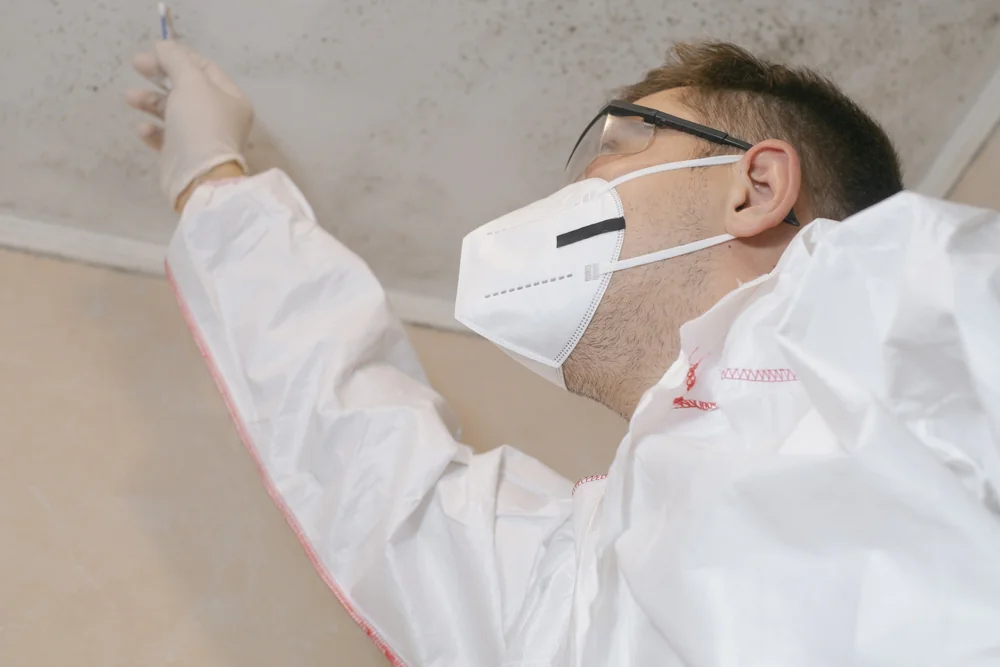
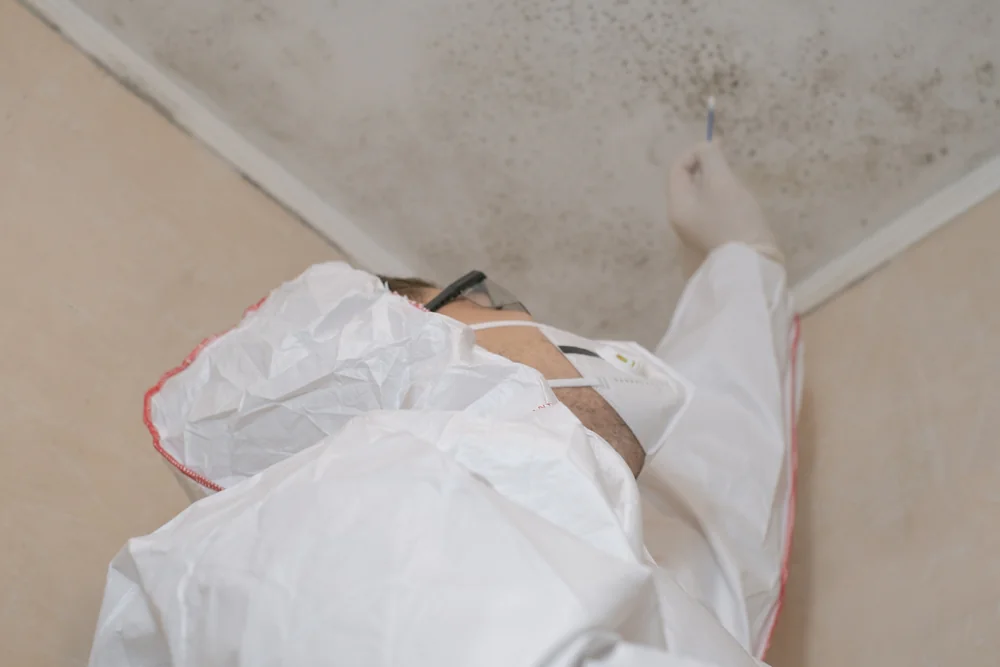
Then we do a visual assessment of your entire property—basement to attic. We’re looking for visible mold, water stains, discoloration, and any signs of moisture intrusion. We check behind appliances, under sinks, around windows, in crawl spaces, and anywhere else moisture tends to accumulate.
Next, we use specialized equipment. Thermal imaging cameras detect temperature differences that indicate hidden moisture. Moisture meters measure the water content in walls, floors, and ceilings. High moisture levels mean mold is either already growing or about to start.
If we find mold, we can take samples to identify the type. Black mold gets the most attention, but any mold growth in your home is a problem that needs to be addressed. The inspection report breaks down what we found, where we found it, and what the next steps should be.
The whole process usually takes a couple of hours, depending on the size of your home and the extent of the issues. You’ll leave with a clear understanding of what’s happening and what needs to happen next.

Ready to get started?
Every inspection includes a full property assessment—inside and out. We examine basements, bathrooms, kitchens, attics, crawl spaces, and any area where moisture could be a problem. In Spruce Hill and Bucks County, that often means paying extra attention to older basements with stone or brick foundations that weren’t built with modern waterproofing.
We use thermal imaging to find hidden moisture behind walls and ceilings. We use moisture meters to measure water content in building materials. We inspect HVAC systems, which can spread mold spores throughout your home if ducts are contaminated.
If visible mold is present, we document it with photos and notes. If the situation calls for it, we can collect samples for lab testing to identify the specific mold species. That’s especially important if someone in your home has respiratory issues or if you’re dealing with a potential insurance claim.
You’ll receive a detailed report that outlines our findings, identifies moisture sources, and recommends next steps. If mold removal is needed, we’ll explain what that involves and provide an upfront estimate. If the issue is minor and you can handle it yourself, we’ll tell you that too.
We also help with insurance claims. Mold remediation can cost anywhere from $500 to $6,000 or more, depending on the severity. If your mold problem is related to a covered event like a burst pipe or storm damage, we’ll work with your insurance company to document everything properly.

If you smell something musty, that’s your first clue. Mold has a distinct earthy odor that doesn’t go away with regular cleaning. It usually means mold is growing somewhere you can’t see.
Other signs include visible discoloration on walls or ceilings, water stains, peeling paint, or warping in floors or baseboards. If anyone in your home is experiencing unexplained allergy symptoms—coughing, sneezing, itchy eyes, or breathing issues—that could also point to mold.
You should definitely get an inspection if you’ve had any water damage in the past year. That includes flooding, leaky pipes, roof leaks, or even a backed-up washing machine. Mold can start growing within 48 hours of water exposure, and it often takes hold in places you’d never think to check.
Homes in Bucks County are especially vulnerable because of the humid climate and older housing stock. Many local homes were built decades ago with poor ventilation, which creates perfect conditions for mold growth. If your home fits that description and you’re noticing any of the signs above, an inspection is worth it.
A mold inspection is a visual and technical assessment of your property. We look for visible mold, signs of moisture, and conditions that support mold growth. We use tools like thermal cameras and moisture meters to find hidden problems. The goal is to identify where mold is growing and why.
Mold testing goes a step further. It involves collecting samples—either from the air or from surfaces—and sending them to a lab for analysis. The lab identifies the specific type of mold and measures the concentration of spores in your home.
Most homeowners don’t need testing unless they’re dealing with health issues, preparing for a real estate transaction, or filing an insurance claim. The inspection alone usually tells us everything we need to know to move forward with a solution.
That said, if you want testing for peace of mind or documentation purposes, we can do that. It adds time and cost to the process, but it gives you detailed information about what’s in your home. Some people find that helpful, especially if they’re concerned about black mold or if someone in the household has asthma or other respiratory conditions.
Most inspections take between one and three hours, depending on the size of your home and how much area we need to cover. A small single-family home with no major issues might take an hour. A larger property with a basement, attic, and crawl space could take closer to three.
We don’t rush through it. Mold hides in places that are easy to miss, so we take the time to check everywhere—under sinks, behind appliances, in corners of the basement, around windows, and inside HVAC systems.
If we find something that requires sampling or more detailed investigation, that adds a bit more time. But we’ll let you know upfront if that’s the case.
After the inspection, we’ll walk through our findings with you on-site. Then we’ll put together a written report that you can review in detail. That report usually takes a day or two to finalize, depending on whether lab testing is involved.
You can check for visible mold on your own, and you should. Look in bathrooms, basements, attics, and anywhere you’ve had water issues. If you see discoloration, smell something off, or notice peeling paint, those are red flags.
But a DIY check only covers what you can see. Mold grows inside walls, under flooring, in air ducts, and behind insulation. You won’t find that without the right equipment and training.
A professional inspection uses thermal imaging to detect hidden moisture and moisture meters to measure water content in building materials. Those tools show us where mold is likely growing even if it’s not visible yet. We also know what to look for based on years of experience with local homes.
If you’re buying or selling a home, dealing with health symptoms, or filing an insurance claim, a professional inspection is necessary. It provides documentation that protects you legally and financially. If you’re just curious or doing routine maintenance, a visual check might be enough—but if you find anything concerning, call someone who knows what they’re doing.
We offer free inspections for homeowners in Spruce Hill and throughout Bucks County. That includes the visual assessment, moisture detection, and a consultation about what we find.
If you want lab testing to identify specific mold types, that’s an additional cost. Testing typically runs a few hundred dollars depending on how many samples are needed. Most people don’t need it unless they’re dealing with a health issue or insurance claim.
If the inspection reveals mold that needs to be removed, we’ll provide an upfront estimate for remediation. Costs vary widely depending on the extent of the problem. Small, contained areas might cost $500 to $1,500 to address. Larger infestations that require tearing out drywall, treating HVAC systems, or addressing structural moisture issues can run several thousand dollars.
The key is catching it early. The longer mold grows, the more damage it does and the more expensive it becomes to fix. An inspection costs you nothing and could save you thousands down the road.
First, we’ll show you exactly where it is and explain what’s causing it. Mold doesn’t grow without moisture, so there’s always an underlying issue—a leak, condensation, poor ventilation, or water intrusion from outside.
We’ll document everything with photos and notes. Then we’ll put together a report that outlines the extent of the problem, identifies the moisture source, and recommends a remediation plan.
If the mold is minor and contained to a small area, we might suggest simple fixes you can handle yourself. If it’s more extensive, we’ll walk you through what professional mold removal involves—containment, removal of affected materials, treatment, and steps to prevent it from coming back.
We’ll also give you an estimate for the work. If insurance might cover it, we’ll help you document everything properly for your claim. Then it’s up to you whether you want to move forward with us or get other quotes. Either way, you’ll know exactly what’s in your home and what it’s going to take to fix it.
Other Services we provide in Spruce Hill