
Hear from Our Customers
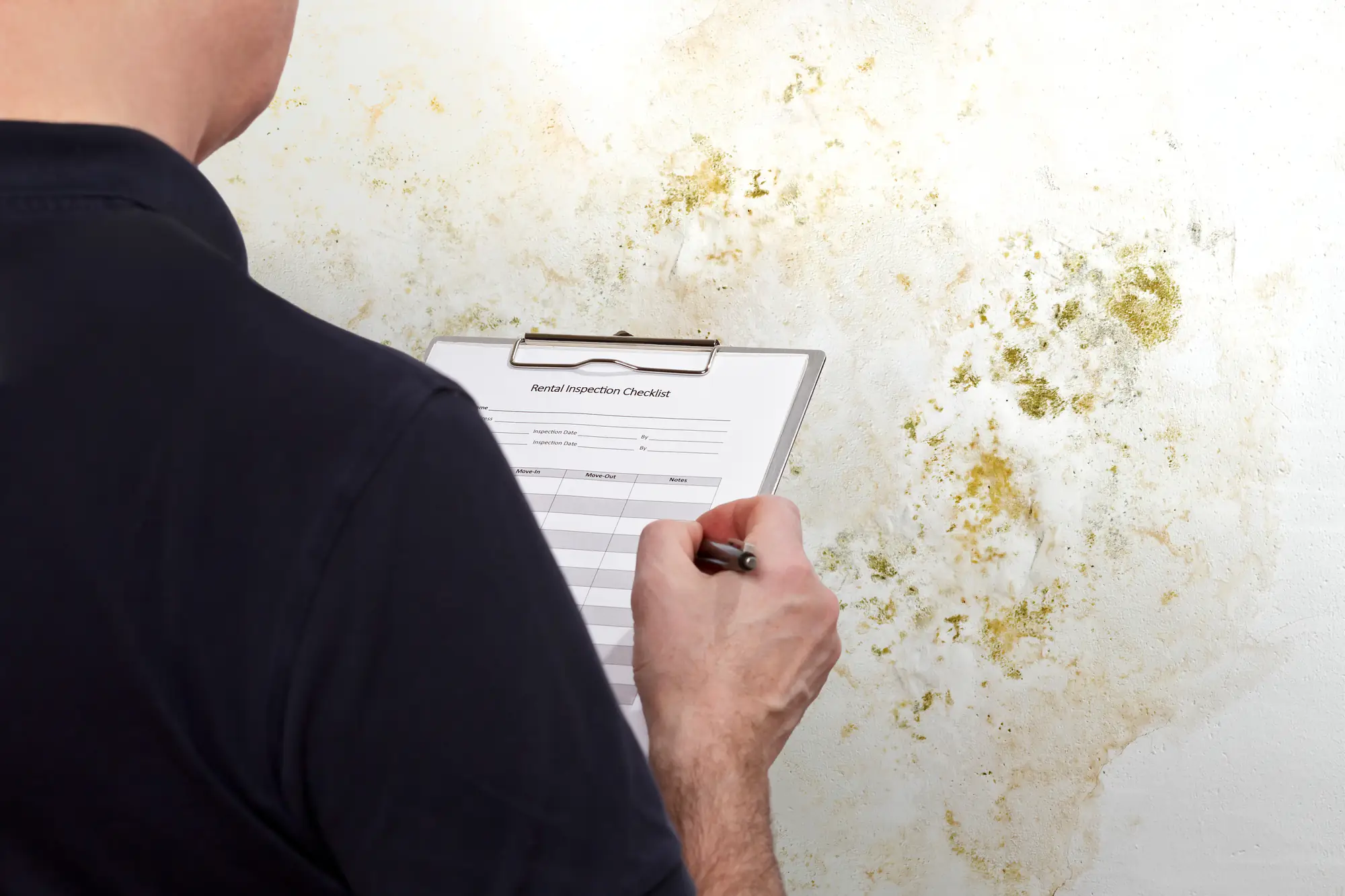
You can’t fix what you can’t see. And mold doesn’t announce itself until it’s already a problem.
A professional mold inspection gives you the full picture. Where it’s growing, what type it is, how far it’s spread, and what needs to happen next. No guessing. No waiting until someone in your house starts coughing or you smell something off.
Society Hill’s older homes and humid summers create perfect conditions for mold to take hold—especially in basements, crawl spaces, and behind walls where moisture lingers. We use advanced detection equipment to find mold you’d never see on your own. Thermal imaging picks up moisture patterns. Air quality testing identifies spore levels. Surface sampling confirms what’s actually growing.
You get documentation you can use. Clear answers about what’s happening in your home. And a plan that makes sense for your situation and budget.
We’ve spent years helping homeowners across Bucks, Montgomery, Delaware, Chester, and Philadelphia Counties deal with mold the right way. We’re not new to this, and we’re not learning on your property.
Our inspectors are certified, trained, and equipped with the kind of technology that actually finds problems—not just the obvious stuff anyone could spot. We understand how Philadelphia’s climate, aging housing stock, and seasonal humidity create mold issues that most people don’t see coming.
We’ve worked in enough Society Hill homes to know what to look for. Brick foundations that hold moisture. Unfinished basements that never quite dry out. AC systems that create condensation in all the wrong places. You’re not getting a generic checklist. You’re getting an inspection that accounts for how homes in this area actually behave.
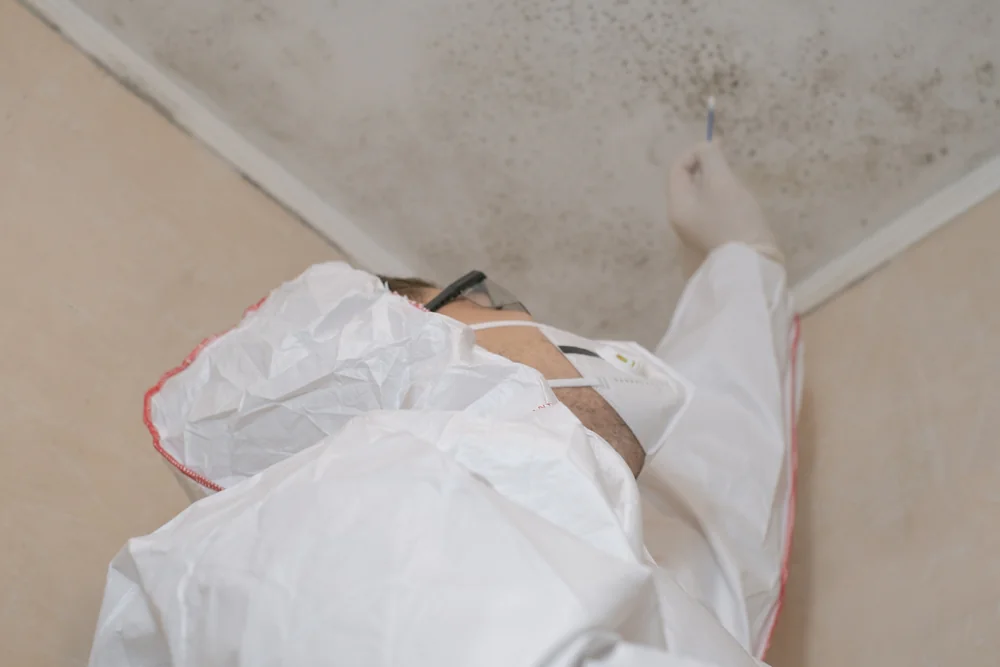
First, we show up and actually listen. You tell us what you’ve noticed—musty smells, water damage, health symptoms, or just a gut feeling something’s wrong. That guides where we look first.
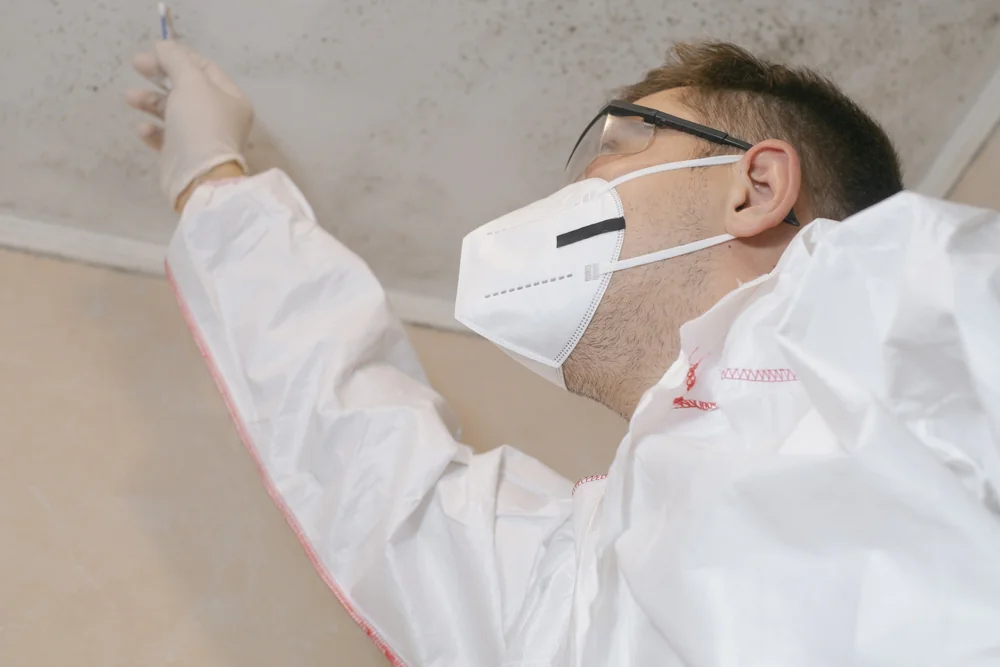
Then we inspect the entire property. Not just the obvious spots. We check basements, crawl spaces, attics, HVAC systems, behind appliances, around windows, and anywhere moisture could be hiding. We use thermal imaging to detect temperature differences that signal moisture problems. We test air quality to measure spore levels. If we find visible growth, we take samples to identify exactly what type of mold you’re dealing with.
You get a full report. Photos, lab results if needed, moisture readings, and a clear explanation of what we found. If there’s mold, we’ll tell you how serious it is and what it’ll take to fix it. If there’s not, you’ll have documentation proving your home is clean—useful for peace of mind, insurance, or resale.
The whole process typically takes a few hours, depending on your property size. We’re thorough, but we’re not going to waste your time. And if you need remediation, we’ll walk you through next steps without the pressure.

Ready to get started?
Our mold inspection covers everything that matters. Visual assessment of your entire property, including areas most people never check. Moisture mapping using thermal imaging to find hidden water intrusion. Air quality testing to measure mold spore concentration in your indoor environment. Surface sampling when we find visible growth or suspect hidden contamination.
In Society Hill, we pay special attention to the issues older homes face. Brick and stone foundations are beautiful, but they’re also porous—they pull moisture from the ground and hold it. Basements in this area rarely have modern waterproofing. And when summer humidity in the Philadelphia region hits 62% or higher, mold spores find every damp surface they can.
We also inspect your HVAC system. Running AC while you’re away might keep your home cool, but if humidity isn’t controlled, you’re creating the exact environment mold loves. We check ductwork, drip pans, and ventilation to make sure your system isn’t spreading spores throughout your house.
You’ll receive a detailed report with photos, findings, and recommendations. If remediation is needed, we’ll give you a clear scope of work and a fair price. If your home is clean, you’ll have proof. Either way, you’ll know exactly where you stand.
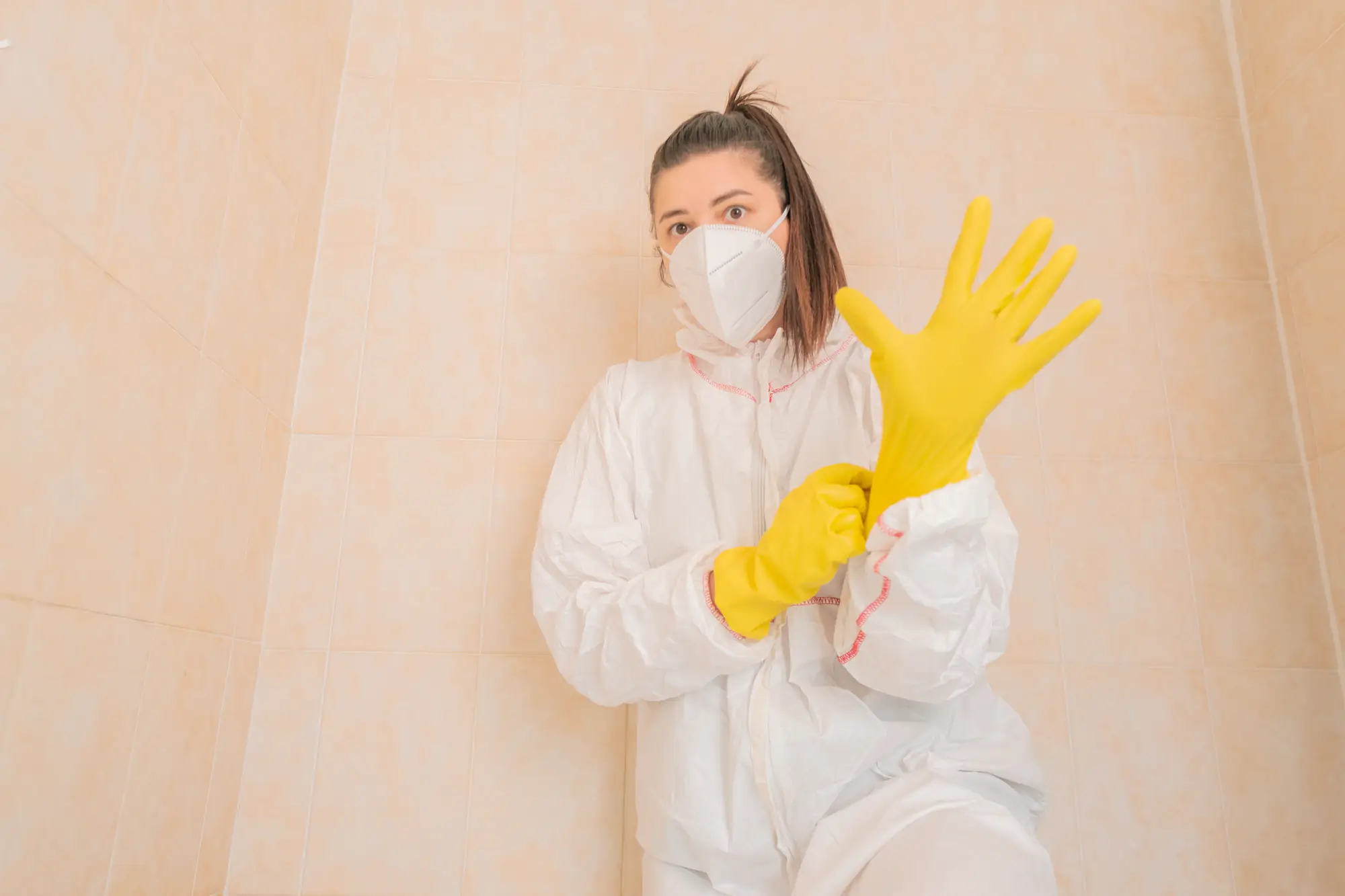
If you’ve had any water damage—leaks, floods, burst pipes—you should get an inspection. Mold can start growing within 48 to 72 hours after water exposure, and it doesn’t need much moisture to thrive.
You should also call if you’re noticing signs: musty odors that won’t go away, visible discoloration on walls or ceilings, condensation on windows, or health symptoms like persistent coughing, throat irritation, or worsening allergies. These are red flags that mold might be present, even if you can’t see it.
Buying or selling a home? An inspection protects both parties. Nearly half of residential buildings show visible mold or detectable odor, and home values can drop 20% to 37% if mold is discovered later. It’s smarter to know upfront than to deal with surprises during closing.
A mold inspection is the full assessment—we visually examine your property, check for moisture problems, and identify areas where mold is likely growing. We use tools like thermal imaging and moisture meters to find hidden issues.
Mold testing is more specific. It involves collecting air samples or surface samples and sending them to a lab to identify the exact type and concentration of mold present. Testing is useful when we find growth but need to confirm what species it is, or when someone in your home is experiencing health issues and you need documentation.
Most inspections include some level of testing, especially if we find visible mold or elevated moisture levels. We’ll recommend testing when it adds value—not just because we can. The goal is to give you the information you actually need to make decisions, not to rack up extra charges.
For most homes, expect two to four hours. Larger properties or homes with multiple problem areas might take longer, but we’ll give you a time estimate when we schedule.
We’re not rushing through your property. We’re checking every area where mold typically hides—basements, attics, crawl spaces, bathrooms, kitchens, HVAC systems, and anywhere we see signs of water damage or poor ventilation. If we’re doing air quality testing or surface sampling, that adds time because samples need to be collected carefully.
You’ll get a preliminary overview on-site—what we found, what concerns us, and what looks fine. The full written report with photos and lab results (if applicable) usually comes within a few days. If there’s an urgent issue, we’ll make sure you know immediately so you can act fast.
You can, but it probably won’t tell you much. DIY mold test kits can detect the presence of mold spores, but here’s the thing—mold spores are everywhere. They’re in the air right now, indoors and out. A positive result doesn’t tell you if you have a problem or just normal background levels.
What matters is the concentration, the type of mold, and where it’s growing. That requires professional equipment and lab analysis. DIY kits also can’t find hidden mold behind walls, under floors, or in your HVAC system—the places where mold does the most damage.
If you’re trying to save money, we get it. But a $30 kit that gives you vague results isn’t useful. A professional inspection gives you real answers and a plan. We offer free initial inspections, so you’re not risking much by having someone who knows what they’re doing take a look first.
First, we’ll show you exactly what we found and explain how serious it is. Not all mold situations are emergencies, and we’re not going to exaggerate to scare you into spending more money.
If it’s a small area—less than 10 square feet—and it’s surface-level, you might be able to handle cleanup yourself with the right precautions. We’ll tell you how. If it’s larger, hidden, or involves black mold or toxic species, professional remediation is the safer choice.
We’ll give you a detailed scope of work and a quote for remediation if you want us to handle it. No pressure. Some clients want to get multiple bids, and that’s fine. You’ll have our report and documentation to share with other companies or your insurance provider. Our job is to give you the information and options—what you do next is your call.
It depends on what caused the mold. If mold resulted from a sudden, covered event—like a burst pipe or storm damage—most policies will cover remediation. But if it’s from long-term neglect, poor maintenance, or ongoing moisture problems, they’ll likely deny the claim.
That’s why documentation matters. Our inspection report includes photos, moisture readings, and details about what caused the mold growth. That gives you the evidence you need to file a claim if the damage qualifies.
Some policies have mold coverage caps, often around $10,000, so it’s worth checking your policy limits before assuming everything’s covered. And even if insurance won’t pay, catching mold early keeps costs down. A small remediation job costs a fraction of what you’d pay if mold spreads throughout your home and damages structural materials. We’ll work with your budget and help you prioritize what needs to happen first.
Other Services we provide in Society Hill