
Hear from Our Customers
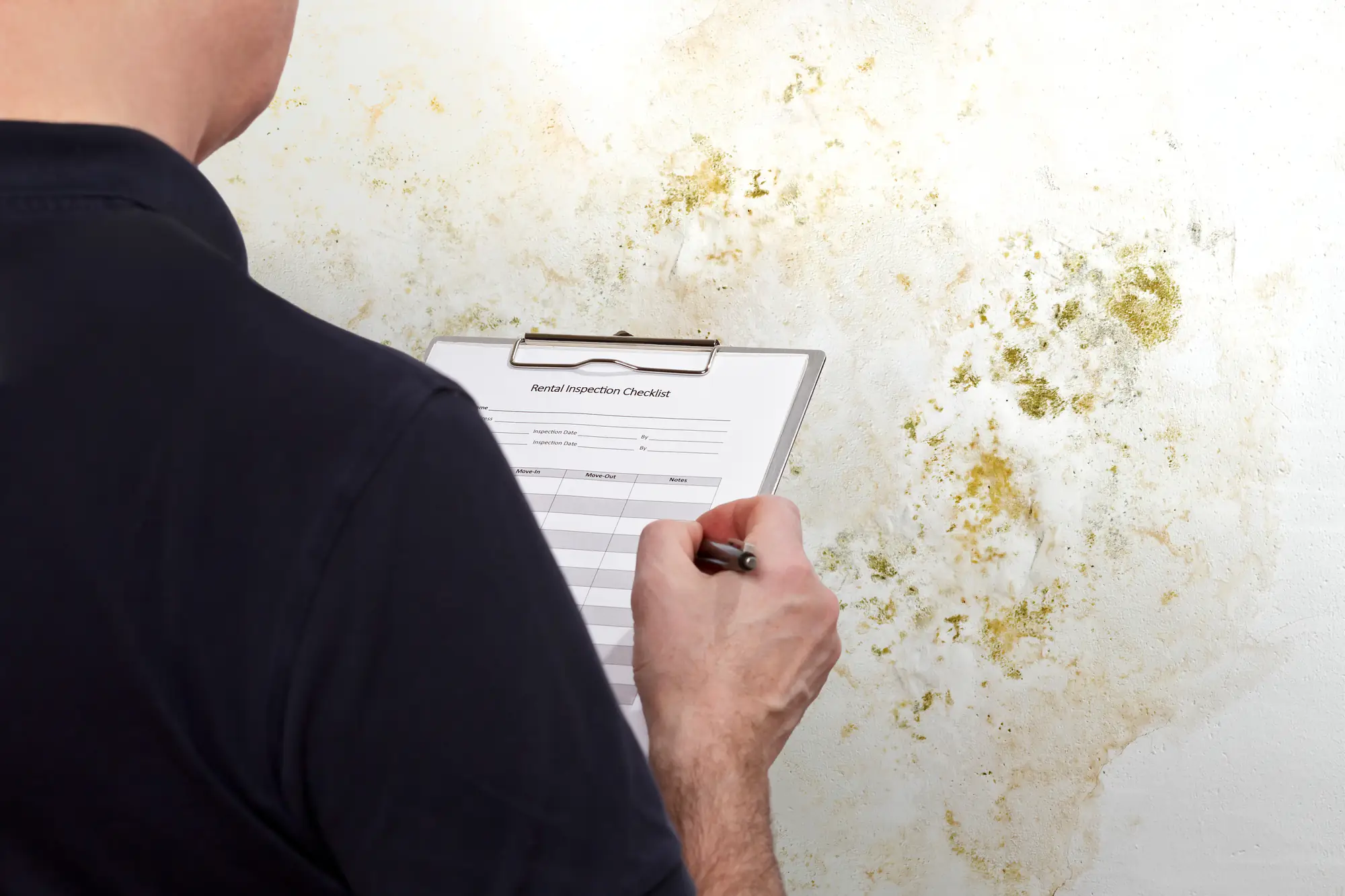
You’re not paying for someone to walk around with a flashlight. A real mold inspection means moisture mapping with thermal imaging, air and surface sampling, and third-party lab analysis that tells you exactly what type of mold you’re dealing with and where it’s coming from.
Most homeowners in Packer Park call us after noticing a musty smell, dealing with unexplained allergies, or preparing to buy or sell a home. The inspection gives you documentation you can use for insurance claims, real estate negotiations, or just peace of mind that your family isn’t breathing in something harmful.
If there’s mold, you’ll know what it is, how much of it there is, and what caused it. If there isn’t, you’ll have proof. Either way, you’re not left wondering.
We’ve been serving South Philadelphia and the surrounding counties for over 15 years. We’re InterNACHI certified, and our inspectors come from construction backgrounds—so we know how homes are built, where water gets in, and what older rowhomes in Packer Park are prone to.
We’ve completed over 2,000 inspections across Bucks, Montgomery, Delaware, Chester, and Philadelphia Counties. We don’t do remediation during the inspection process, which means our findings stay unbiased. You get honest results, not a sales pitch.
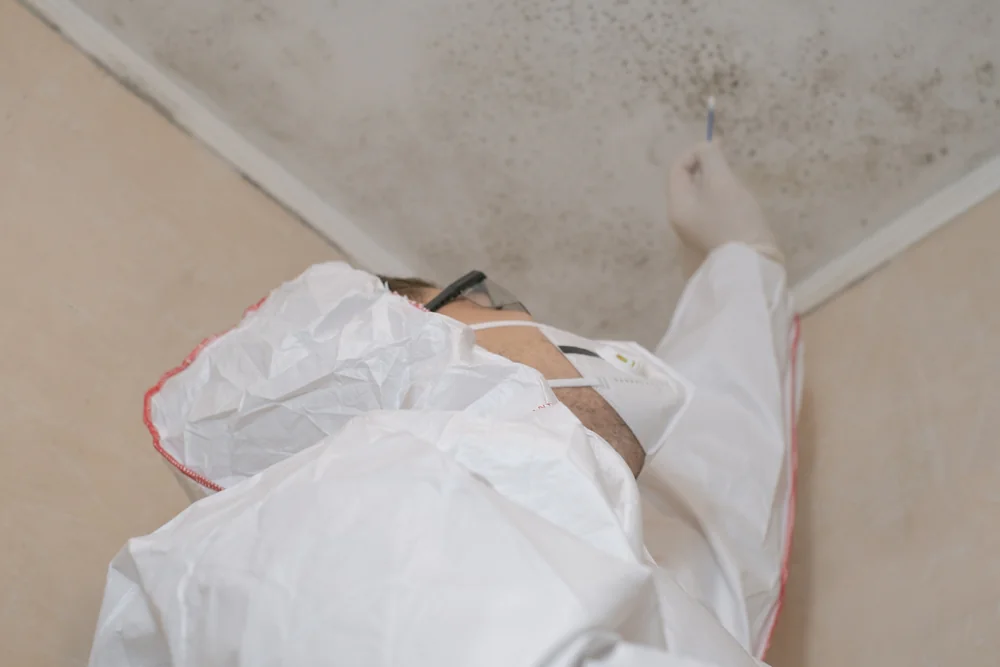
First, we walk through your home and talk about what you’ve noticed—smells, stains, health symptoms, water damage. Then we do a full visual inspection of the interior and exterior, looking for active mold growth, moisture intrusion, and conditions that support mold.
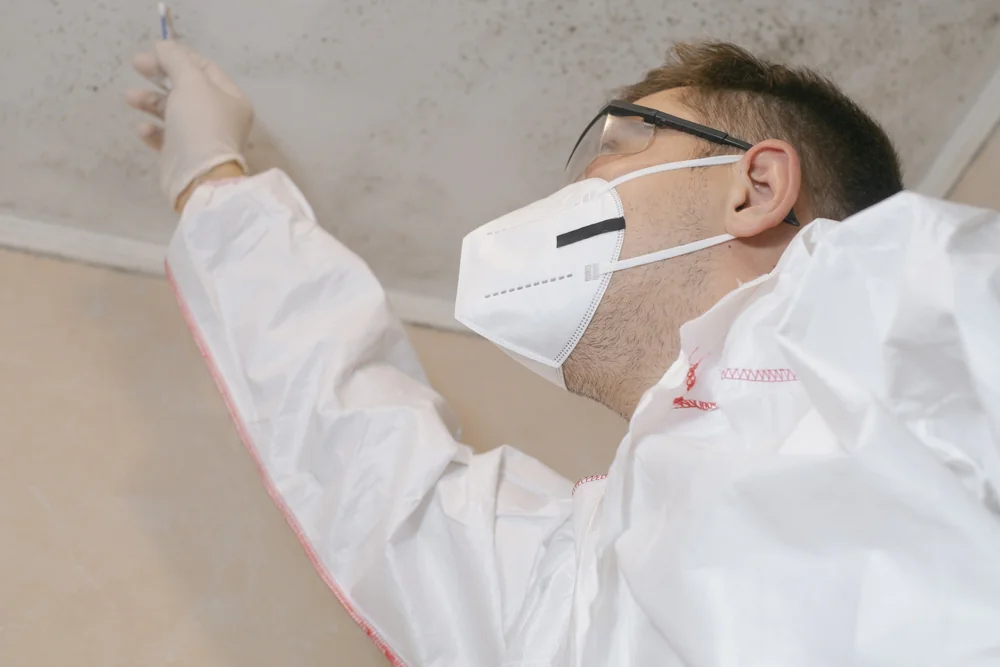
We use moisture meters and thermal imaging to track where water is hiding. That’s critical in attached rowhomes where moisture can move between walls or come up through shared foundations. If we find visible mold or high moisture levels, we take air samples and surface samples.
Those samples go to an accredited third-party lab. You get a full report that breaks down what was found, where it was found, and what the spore counts mean. We also explain what likely caused it and what needs to happen next—whether that’s remediation, a plumber, or just better ventilation.

Ready to get started?
Every mold inspection includes a visual assessment, moisture mapping, digital documentation, and sampling if needed. Air sampling tells us what’s floating around that you can’t see. Surface sampling tells us what’s growing on walls, floors, or HVAC systems. Both get analyzed by a certified lab.
In Packer Park, we see a lot of moisture issues tied to aging infrastructure, poor drainage around row homes, and outdated ventilation. Philadelphia’s humid climate doesn’t help. Homes built between the 1940s and 1960s weren’t designed with mold prevention in mind, and that shows up during inspections.
You’ll also get advice on how to prevent mold from coming back. That might mean fixing a gutter, sealing a basement wall, or running a dehumidifier. We’re not here to upsell you—we’re here to give you the information you need to make a smart decision about your property.
Most residential mold inspections in the Philadelphia area run between $300 and $600, depending on the size of your home and how much testing is needed. For a typical Packer Park rowhome, you’re usually looking at $400 to $500.
That includes the on-site inspection, moisture detection, sampling, lab analysis, and a written report. If your home is larger, has multiple levels, or requires more extensive testing, the price adjusts accordingly. We give you a clear quote up front based on your specific situation—no surprises after the fact.
Some insurance policies cover mold inspection if the mold resulted from a covered event like a burst pipe or roof leak. It’s worth checking with your provider before scheduling.
A mold inspection is the full process—visual assessment, moisture mapping, identifying problem areas, and determining whether testing is necessary. Mold testing refers specifically to collecting air or surface samples and sending them to a lab for analysis.
Not every inspection requires testing. If there’s visible mold and the source is obvious, testing might not add much value. But if you’re dealing with health symptoms and no visible growth, or if you need documentation for a real estate transaction or insurance claim, testing gives you the scientific proof you need.
We recommend testing when the situation is unclear, when you’re buying or selling a home, or when someone in the household has respiratory issues that could be mold-related. It’s about getting the right level of information for your specific situation.
Mold grows wherever there’s moisture and organic material. Sometimes that’s visible—on a bathroom ceiling, around a window, or on a basement wall. Other times it’s hidden behind drywall, under flooring, inside HVAC ducts, or between the layers of an attached rowhome wall.
That’s why a visual inspection isn’t enough. We use thermal imaging and moisture meters to find areas where conditions are right for mold growth, even if you can’t see it yet. Mold doesn’t need much time—colonies can establish within 24 to 48 hours after water exposure.
In older Packer Park homes, we often find hidden mold near old plumbing, in crawl spaces, or around improperly sealed foundations. If something smells off or your allergies are acting up indoors, there’s a good chance mold is growing somewhere you haven’t looked.
The on-site portion usually takes one to two hours, depending on the size of your home and what we find. We’re not rushing through it—we’re checking every area where moisture or mold could be hiding.
After the inspection, samples go to the lab. You’ll typically get results back within three to five business days. Once we have the lab report, we walk you through the findings and explain what they mean in plain terms.
If you’re in the middle of a real estate transaction and need faster results, let us know. We can often expedite lab processing for time-sensitive situations. The goal is to give you accurate information on a timeline that works for your situation.
If we find mold, the report will tell you what type it is, where it’s located, and how much of it is present based on spore counts. From there, you’ll need to address the source of moisture first—whether that’s a leak, condensation, or poor ventilation.
Depending on the extent of the problem, you might need professional mold remediation, or it might be something you can handle with proper cleaning and moisture control. We’ll explain what the situation calls for based on what the lab results show.
Because we don’t perform remediation, our recommendations stay objective. We’re not trying to sell you a removal job—we’re giving you the facts so you can decide how to move forward. If remediation is needed, you can hire whoever you trust. If it’s minor, we’ll tell you that too.
If you’re buying an older home in Packer Park—especially a rowhome built before 1970—a mold inspection is a smart move. These homes often have outdated drainage, shared walls, and ventilation systems that weren’t designed to handle Philadelphia’s humidity.
A pre-purchase mold inspection gives you leverage during negotiations if mold or moisture issues are found. It also protects you from inheriting a problem that could cost thousands to fix after closing. Sellers in Pennsylvania are required to disclose known mold issues, but not every seller knows what’s behind their walls.
Even if the home looks clean, an inspection with moisture mapping and air testing can catch early-stage problems before they become expensive. It’s a few hundred dollars now versus potential structural damage, health issues, and lost property value down the road.
Other Services we provide in Packer Park