
Hear from Our Customers
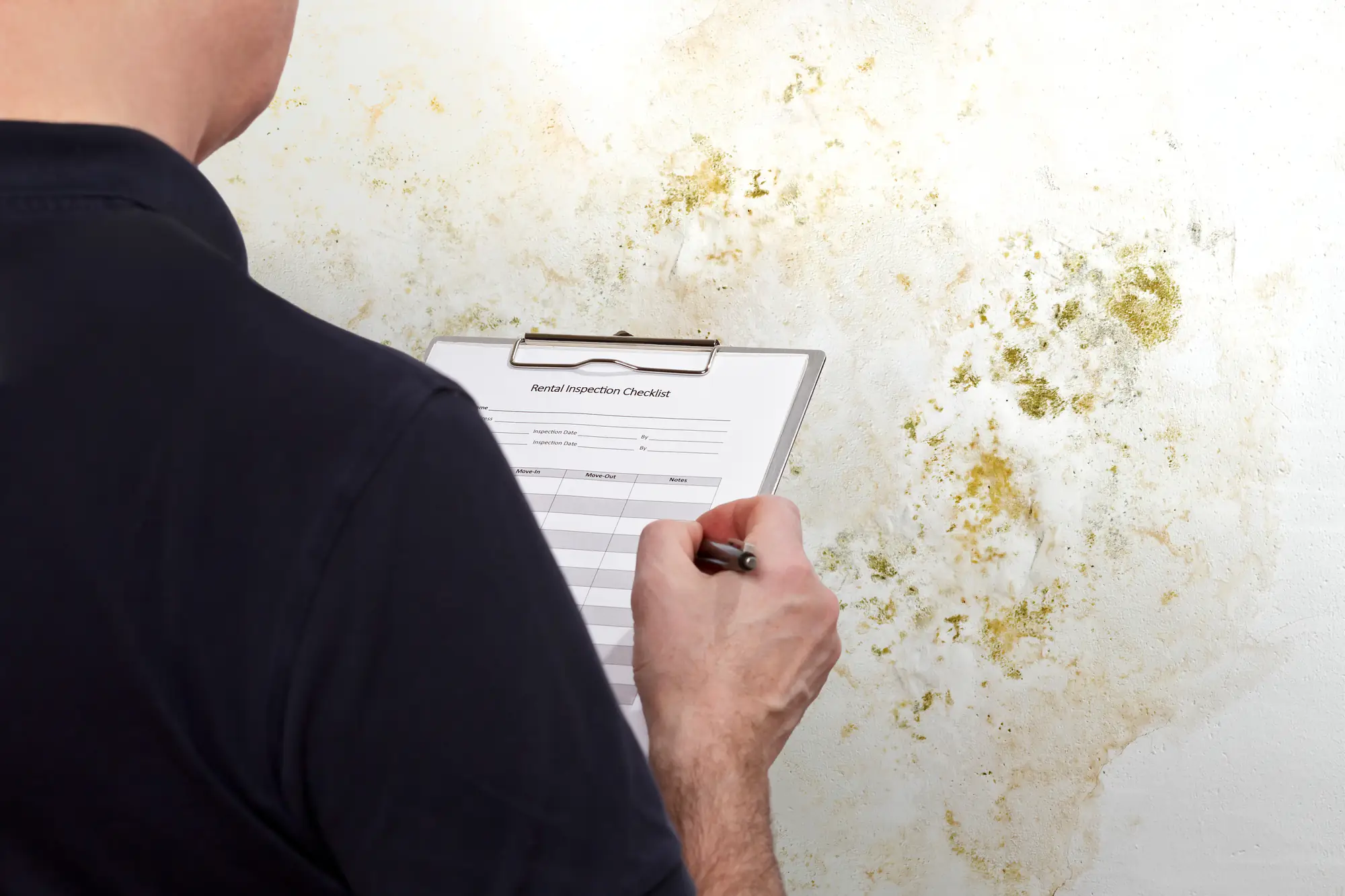
You can’t fix a mold problem if you don’t know where it is or what species you’re dealing with. That’s where most homeowners get stuck—they see a spot, smell something musty, or feel symptoms but have no idea if it’s serious or where it’s actually coming from.
A real mold inspection gives you facts. We use moisture meters and infrared cameras to find mold hiding behind walls, under floors, and in places you’d never think to check. Then we collect air samples with calibrated equipment and send them to an accredited lab for analysis.
You get a report that tells you which mold species are present, how much is there, and where the moisture source is. That’s the difference between guessing and knowing—and it’s the only way to make smart decisions about your home, your health, and your money.
We’ve been serving the Philadelphia area for years with one focus: unbiased mold testing. We’re InterNACHI certified with over 2,000 inspections completed, and we’ve spent over 27 years in the Delaware Valley understanding how this climate affects your home.
We don’t do remediation. That means we’re not trying to sell you a cleanup job. We just test, report, and tell you what’s there.
Mayfair’s older rowhouses, shared walls, and humid summers create perfect conditions for mold. We know the construction styles here, the common problem areas, and what Pennsylvania law requires for disclosure and documentation. You’re not getting a generic inspection—you’re getting someone who knows this area and what to look for.
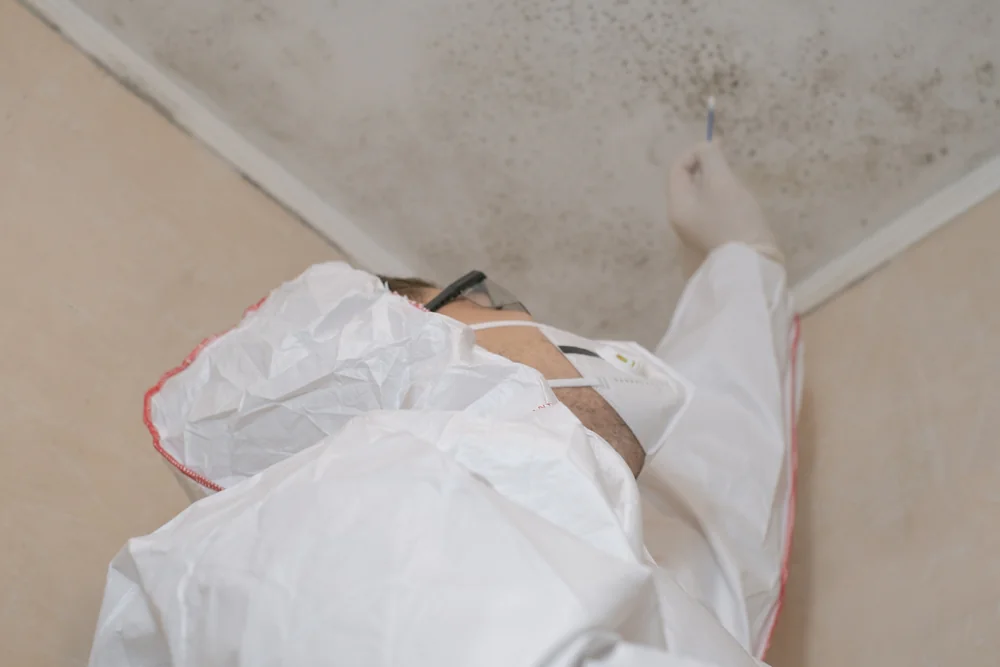
First, we walk through your home and talk about what you’ve noticed—symptoms, smells, visible spots, or just concerns. Then we start the actual detection work.
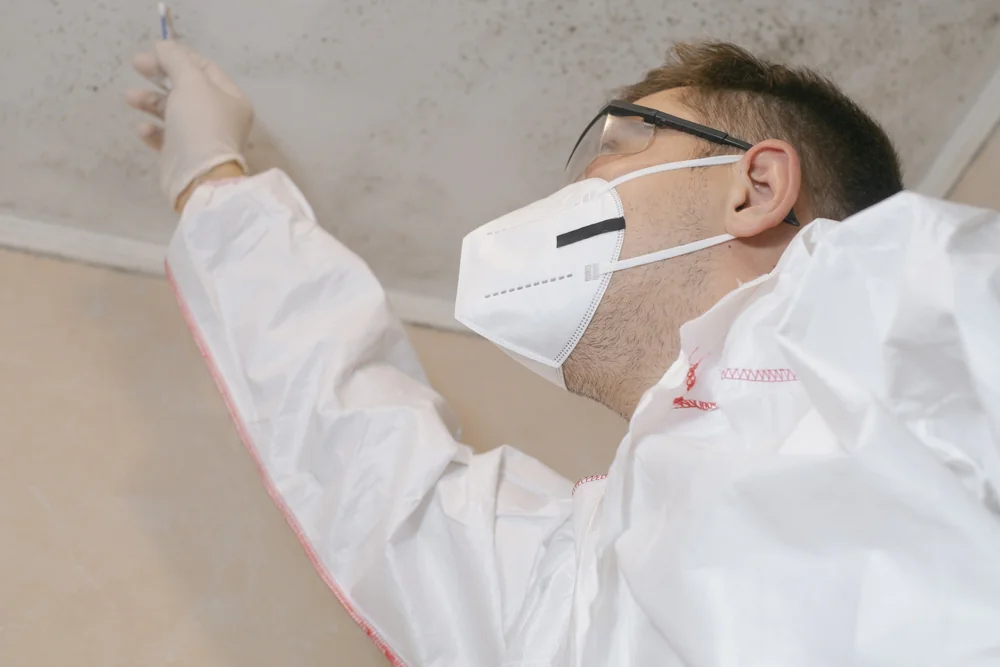
We use moisture meters to check walls, ceilings, and floors for hidden water issues. Infrared cameras let us see temperature differences that indicate moisture behind surfaces. If we find problem areas or you’re experiencing symptoms without visible mold, we collect air samples using calibrated air pumps.
Those samples go to an independent microbiology lab. You get results that show which mold species are present, the concentration levels, and whether they’re considered harmful. We also identify the moisture source—because mold doesn’t grow without water.
Then we give you a detailed report with photos, lab results, and clear recommendations. No upselling. No scare tactics. Just the information you need to move forward, whether that’s for a real estate transaction, an insurance claim, or your own peace of mind.

Ready to get started?
You get a full visual assessment of your property, professional-grade moisture detection, and air quality sampling when needed. We’re looking for active mold growth, water damage, and the conditions that let mold thrive.
In Mayfair and the surrounding Philadelphia neighborhoods, we see recurring issues: basement moisture from aging foundations, poor ventilation in older rowhouses, and roof leaks that go unnoticed until mold spreads. Humidity here regularly exceeds 60% in summer—right in the range where mold loves to grow.
Our inspections are designed for this climate and these building types. We check the usual suspects—basements, attics, bathrooms—but also the hidden areas specific to older construction. Plaster walls, shared party walls, and brick basements all trap moisture differently than modern homes.
You also get documentation that meets Pennsylvania Department of Health standards. That matters for real estate transactions, insurance claims, and legal situations. A clean report can be a selling point. A problem found early can save you from a 20-37% drop in home value down the line.
If you’re smelling something musty, seeing visible growth, or experiencing symptoms like headaches and respiratory issues that get worse at home, you probably need testing. Same goes if you’ve had water damage, a leak, or flooding—even if it was months ago.
Mold can grow inside walls, under floors, and in places you can’t see. If you’re buying a home in Mayfair or anywhere in the Philadelphia area, especially an older property, an inspection protects your investment. Sellers benefit too—a clean report removes doubt for buyers.
You also need an inspection if you’re dealing with insurance claims or real estate disclosures. Pennsylvania law requires documentation in certain situations, and a certified inspection gives you the proof you need.
Inspection is testing and reporting. Remediation is cleanup and removal. They’re two different services, and you want them done by different companies.
When the same company offers a “free mold inspection” and also does the removal work, there’s a conflict of interest. They have a reason to find problems—or make them sound worse than they are. An independent inspector has no incentive to upsell you.
We only inspect. We find out what’s there, identify the species, measure the levels, and tell you what’s causing it. Then you can hire whoever you want for remediation. That’s how you get honest results and make informed decisions about your home.
The on-site inspection usually takes one to two hours depending on your home’s size and what we find. We’re thorough—checking moisture levels, using infrared cameras, and collecting air samples if needed.
Lab results typically come back within a few days. Once we have them, we compile everything into a detailed report with photos, findings, and recommendations. You’ll know exactly which mold species are present, where they’re located, and what concentration levels the lab detected.
If you’re on a tight timeline for a real estate transaction or insurance claim, let us know. We can often accommodate faster turnarounds when needed, and we’ll walk you through the results so you understand what you’re looking at.
Yes. Finding mold is only half the job—identifying the moisture source is the other half. Mold doesn’t grow without water, so if you have mold, you have a moisture problem somewhere.
We use moisture meters and infrared technology to track down leaks, condensation issues, poor ventilation, or water intrusion. In Mayfair’s older homes, common culprits include basement seepage, roof leaks, plumbing issues, and inadequate airflow in bathrooms or kitchens.
Our report doesn’t just tell you where the mold is. It tells you why it’s there and what needs to be fixed so it doesn’t come back. That’s critical—because if you remove mold without fixing the source, you’re just buying time until it grows again.
Black mold—usually Stachybotrys chartarum—can produce toxins that cause respiratory issues, headaches, fatigue, and allergic reactions. It’s not something you want in your home, especially if you have kids, elderly family members, or anyone with asthma.
That said, not all black-colored mold is toxic, and not all dangerous mold is black. The only way to know what you’re dealing with is lab testing. Visual identification isn’t enough.
What matters is the species, the concentration, and your exposure level. Our lab analysis gives you those answers. Then you can make decisions based on facts, not fear. Some mold situations are serious and need immediate attention. Others are manageable with proper cleanup and moisture control.
If you’re buying an older home in Mayfair or anywhere in the Philadelphia area, a mold inspection is smart protection. Many homes here were built before modern moisture barriers and ventilation standards existed. Shared walls, plaster construction, and aging basements all create risk.
A pre-purchase inspection reveals hidden problems before you close. If mold is found, you can negotiate repairs, ask for a price reduction, or walk away if it’s severe. Without an inspection, you’re buying blind—and mold issues can knock 20-37% off a home’s value.
Even if the home inspection didn’t flag mold, that doesn’t mean it’s not there. Standard home inspectors aren’t mold specialists and don’t use the same detection equipment or lab testing. A certified mold inspection gives you the full picture and protects what’s likely your biggest investment.
Other Services we provide in Mayfair