
Hear from Our Customers
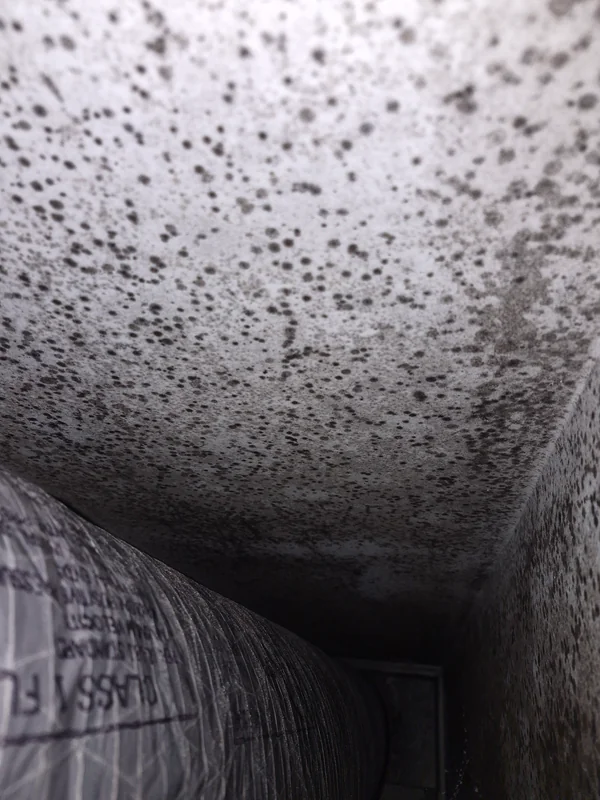
When your HVAC system runs through a Mayfair rowhome, it’s working through compact ductwork that winds through basement cavities and interior walls spaces that stay dark, stay damp, and rarely get looked at. If your basement has ever had moisture issues, there’s a real chance that problem didn’t stay in the basement. It traveled into the air handler, settled into the ductwork, and has been circulating through every room in your home ever since.
This isn’t a theoretical concern. ValueGuard, which inspects homes throughout Mayfair, specifically flags damp basements and past moisture as the primary mold trigger in this neighborhood’s older housing stock. When mold gets into the ducts of a rowhome, the HVAC system becomes the delivery mechanism. Every time it kicks on, it pushes whatever is growing in those ducts into your living room, your kids’ bedrooms, and every other space in the house simultaneously.
Getting your air ducts professionally cleaned and doing it with a company that actually understands mold means that cycle stops. You stop breathing whatever has been accumulating in 70-year-old ductwork. Your system runs cleaner. And you have documentation proving the job was done right, not just a handshake and an invoice.
We’re based in Bensalem right up Frankford Avenue from Mayfair. That’s not a coincidence. This part of the Delaware Valley, from the rowhome blocks of Northeast Philadelphia down through Bucks County, shares the same aging housing stock, the same humid summers, and the same basement moisture problems that make mold in HVAC systems so common in Mayfair and the surrounding area.
With over 15 years of experience, we’ve built a reputation on being straightforward: free inspections, upfront pricing, and a process that doesn’t end until the mold is actually gone. Customers consistently mention that Jeff, the owner, responds personally same day, next day and that the price quoted is the price paid. No surprises.
We also work directly with insurance companies when a claim is involved, which takes a significant burden off homeowners who are already dealing with enough. If you’re a landlord with rental units in Mayfair, Philadelphia’s housing code requires habitable HVAC systems and we can help you document compliance.

It starts with a free inspection. Before any work begins, a certified inspector walks through your home, assesses the HVAC system, and takes a real look at what’s going on inside the ductwork. In a Mayfair rowhome, that typically means paying close attention to the basement-level equipment the furnace, the air handler, the lower duct runs because that’s where moisture accumulates first and where biological growth tends to start.
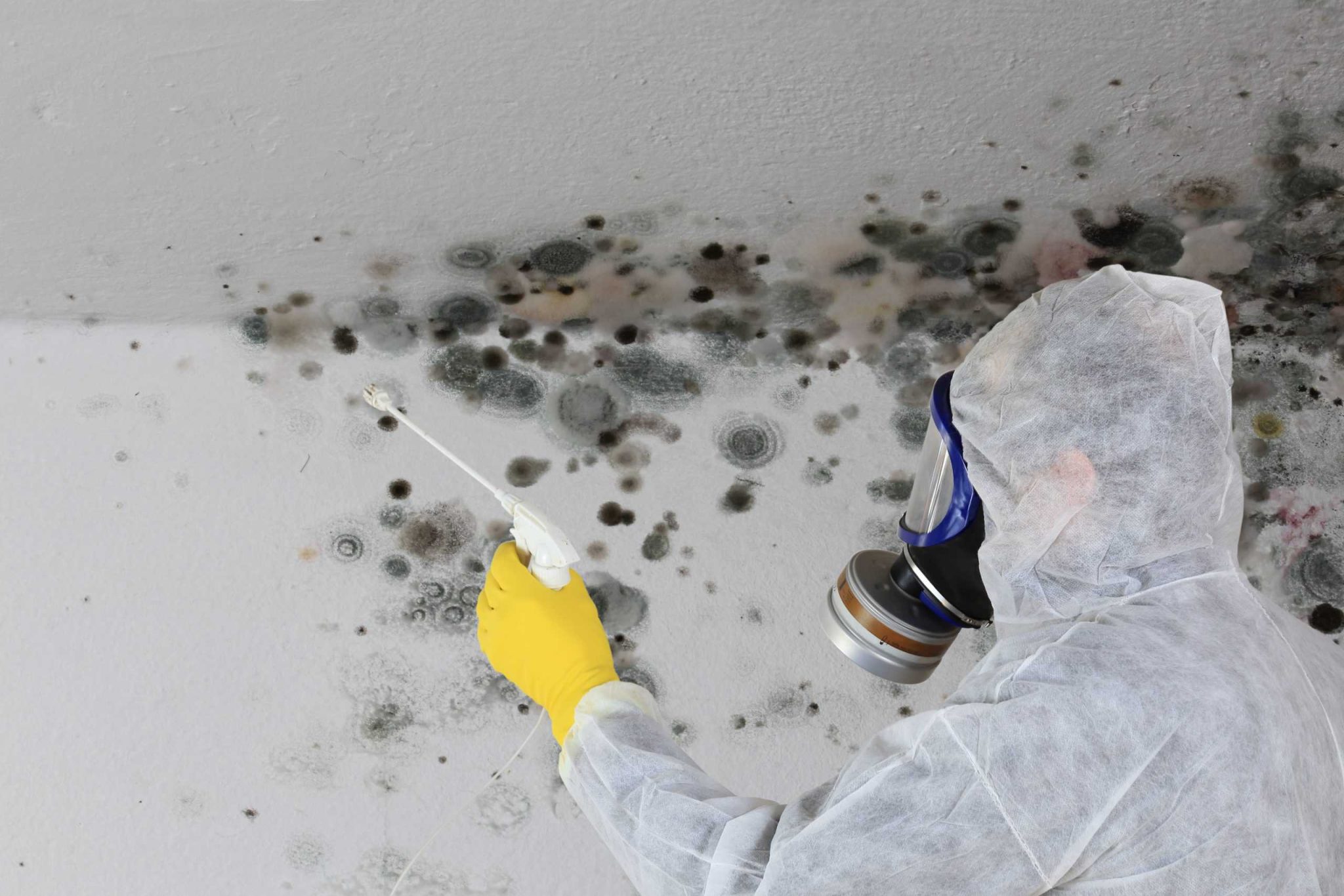
If mold is confirmed, the process moves into containment. This is where working with a mold remediation specialist matters. A general duct cleaner with a vacuum and a brush doesn’t use containment protocols. Disturbing mold in a rowhome’s compact ductwork without containment spreads spores through the entire home. We use proper containment before any cleaning begins, so the work eliminates the problem rather than redistributing it.
Once the system is cleaned, we test the affected areas to verify the mold is actually gone. You get documentation not just a promise. For Mayfair homes with dryer vents that run long horizontal paths through attached walls before reaching an exterior exit, we also handle dryer vent cleaning as part of the same visit. Longer vent runs mean more lint buildup and more fire risk and in a dense rowhome block, that matters for more than just your unit.

Ready to get started?
Air duct cleaning and air duct sanitizing are not the same thing, and in a home with confirmed or suspected mold, you need both. Cleaning removes the physical debris the dust, the lint, the biological buildup that has accumulated in the ductwork over decades. Sanitizing applies antimicrobial treatment to the interior surfaces after cleaning, which addresses the contamination that mechanical cleaning alone can’t fully eliminate. For a Mayfair rowhome built in the 1930s or 1940s, where the ductwork has potentially never been touched, both steps are usually warranted.
Dryer vent cleaning is a separate but equally important service, and it’s one that Mayfair’s housing configuration makes more urgent than most people realize. Because rowhomes are attached on both sides, the dryer vent often has to travel a longer route through the structure before it can exit to the outside. That extended run is exactly where lint accumulates and blockages form. The NFPA reports that failure to clean dryer vents is the leading cause of dryer fires roughly 15,970 per year nationally. In a dense block of attached Mayfair rowhomes, the risk isn’t contained to one unit.
We also offer indoor air quality testing and post-remediation cleanup for situations where mold in the ductwork is part of a larger problem. Financing is available, so the cost doesn’t have to be a barrier to getting the job done. Because we work directly with insurance companies, if the moisture damage that caused the mold is covered under your policy, we can help navigate that process from the start.
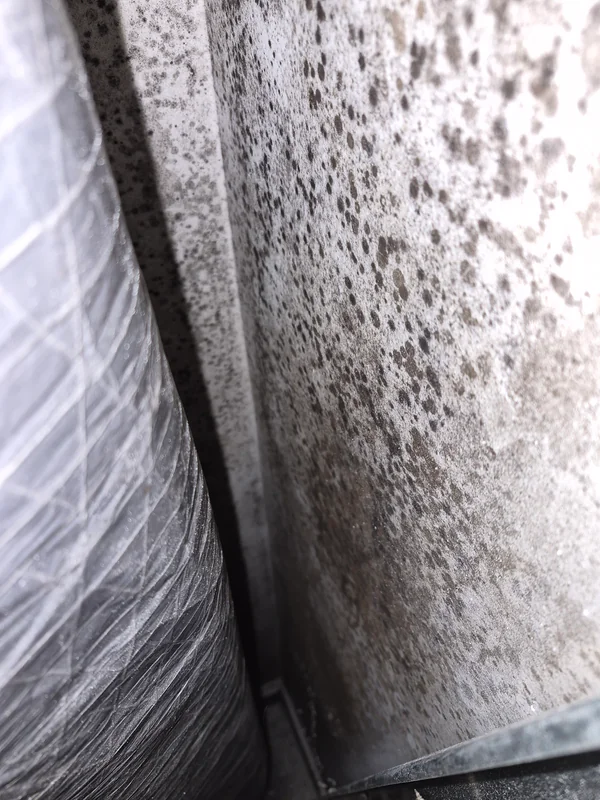
The most common sign is a musty smell that appears specifically when the HVAC system kicks on not a general basement smell, but one that moves through the vents and into the living areas of the home. You might also notice that allergy or respiratory symptoms seem worse indoors than outside, or that they’ve gradually gotten worse over time without an obvious explanation.
In Mayfair’s older rowhomes, the ductwork runs through basement cavities and interior wall spaces that you can’t visually inspect yourself. By the time you see discoloration near a register or vent cover, the problem inside the system is usually already significant. The only reliable way to know what’s actually in there is a professional inspection and we offer that at no charge. You’ll know what you’re dealing with before any money changes hands.
This is a fair question, and the honest answer is: it depends on what’s in your ducts. The EPA’s position is nuanced routine cleaning in a home with no specific problems has unclear benefits. But when there’s confirmed mold, a pest infestation, or significant debris blocking airflow, the EPA explicitly recommends cleaning. That’s a different situation than a company trying to upsell you on something you don’t need.
For Mayfair homeowners with older rowhomes, the scenario where cleaning is genuinely warranted is more common than in newer suburban construction. Decades-old ductwork running through damp basement spaces, combined with Philadelphia’s humid summers, creates real conditions for biological growth. If you’ve had any moisture issues in the basement even minor ones a professional inspection will tell you whether you’re in the “clean it” category or the “you’re fine” category. Either answer is useful.
You need a specialist, and this distinction matters more than most people realize. A general duct cleaning technician with standard equipment can remove dust and debris, but they are not trained in mold containment protocols. When mold is present in the ductwork of a Mayfair rowhome where the system runs through compact, interconnected spaces disturbing it without containment pushes spores through the entire home. You end up with a cleaner-looking duct and a worse mold problem.
A certified mold remediation company like ours approaches the job differently. Containment comes first, before any cleaning equipment touches the contaminated sections. Then the cleaning happens. Then post-cleaning testing confirms the mold is actually gone. That last step verification is something most competitors skip entirely. In a home where the ductwork is hidden inside walls and basement cavities you can’t inspect yourself, documentation of results is the only real proof the job worked.
For most homes, a thorough professional air duct cleaning takes between four and six hours. That’s the industry standard for a job done correctly both supply and return ducts cleaned, not just the visible registers. If a company quotes you a job that will be done in 45 minutes, that’s a sign the work isn’t being done properly.
In a Mayfair rowhome, the compact vertical layout of the ductwork can actually make access more involved than in a sprawling single-story suburban home. The technician needs to reach duct sections running through basement cavities and interior walls, which takes time to do carefully. If mold is found and containment is required, that adds time as well but it’s time that protects your home from a worse outcome. We’ll give you a clear timeline upfront so you know what to expect before the job starts.
Cleaning and sanitizing are two separate steps that address two different aspects of the problem. Cleaning is the mechanical process using equipment to remove the physical buildup inside the ductwork: dust, debris, lint, and biological matter. Sanitizing comes after, and it involves applying an antimicrobial treatment to the interior surfaces of the ducts to address contamination that mechanical cleaning alone doesn’t fully eliminate.
When mold is involved, you generally need both. Cleaning removes what you can see and physically extract. Sanitizing treats the surfaces where mold spores may still be present after cleaning. For a Mayfair rowhome with ductwork that has been sitting in a humid basement environment for 60 or 70 years, skipping the sanitizing step after cleaning means you’ve addressed the visible problem but left the conditions for regrowth largely intact. We assess what’s actually needed during the inspection and won’t push services that aren’t warranted.
Dryer vent cleaning is recommended at least once a year for most households, and more frequently if you’re doing heavy laundry loads or have a longer-than-average vent run. In Mayfair specifically, the attached rowhome layout means your dryer vent likely travels a longer horizontal path through the structure before it can exit to the outside unlike a detached suburban home where the vent might exit through a nearby exterior wall in just a few feet. That extended run is where lint accumulates fastest and where blockages form.
The stakes are real. The NFPA reports roughly 15,970 dryer-related house fires per year nationally, with failure to clean the vent listed as the leading cause. In a dense block of attached Mayfair rowhomes, a dryer fire doesn’t stay contained to one unit the way it might in a detached home. Beyond fire risk, a clogged dryer vent also makes your dryer work harder and run longer, which shortens the life of the machine. It’s one of those maintenance items that feels optional until it isn’t.
Other Services we provide in Mayfair