
Hear from Our Customers
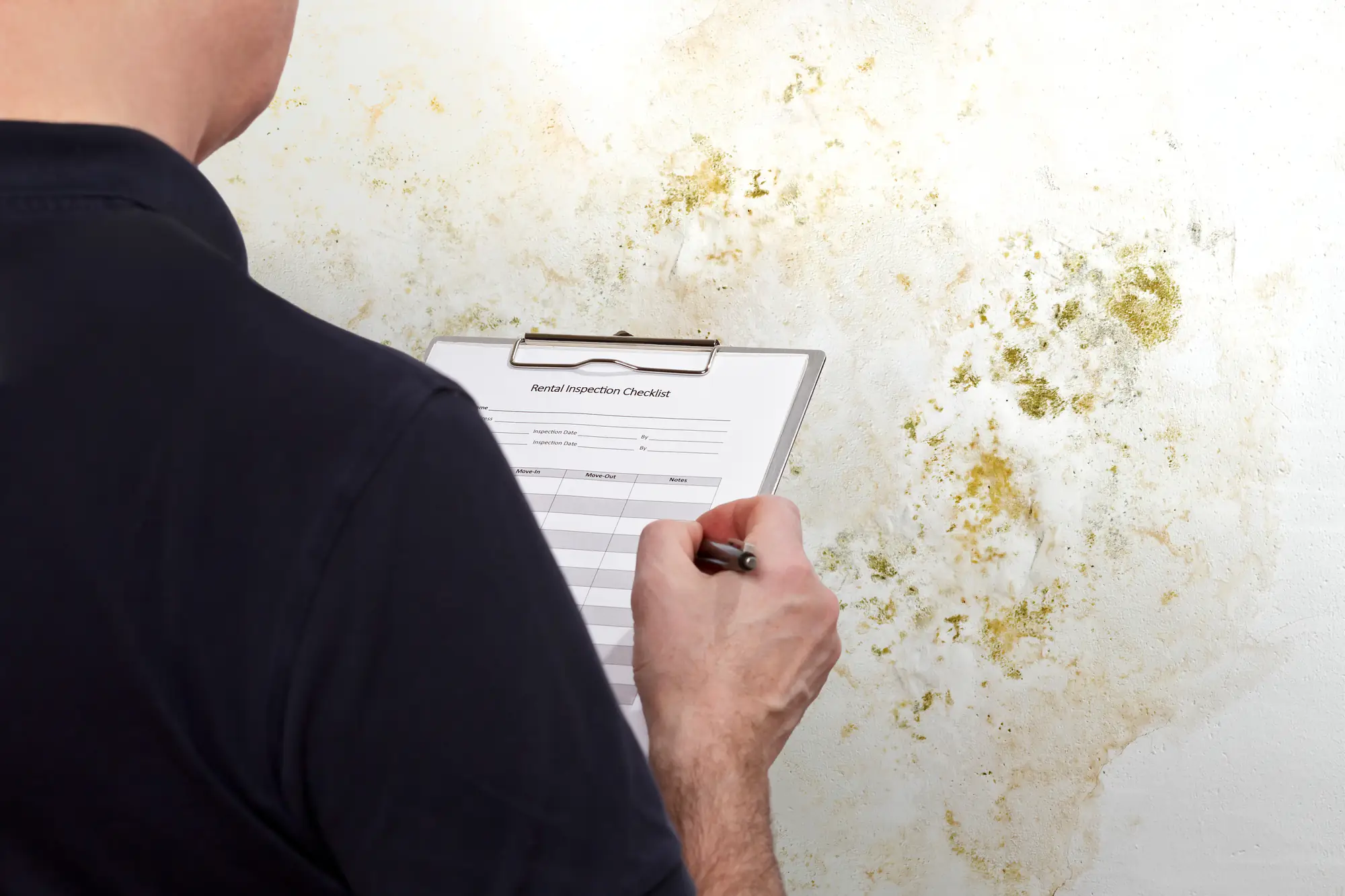
You can’t fix what you can’t see. That’s the problem with mold in East Falls homes—it hides behind walls, under floors, in crawl spaces you never check. By the time you smell it or see discoloration, it’s already established.
A real mold inspection doesn’t just look at the obvious spots. It measures moisture levels in materials you wouldn’t think to check. It tests your indoor air quality to see what you’re actually breathing. It identifies the type of mold, where it’s growing, and what’s feeding it.
You walk away with a detailed report that tells you what’s happening, where it’s happening, and what it means for your health and your property. No guessing. No waiting until the problem gets worse. Just clear information so you can make the right call.
We’ve been handling mold problems across Bucks, Montgomery, Delaware, Chester, and Philadelphia County for years. We know what East Falls properties deal with—older brick foundations, unfinished basements, humidity that lingers after summer storms. These aren’t just talking points. They’re the conditions that create mold.
Our team uses state-of-the-art detection equipment and follows a process that’s been refined through hundreds of inspections. We’re certified, we’re local, and we don’t oversell you on services you don’t need.
When you call us, you’re getting someone who’s seen your exact situation before and knows how to handle it.
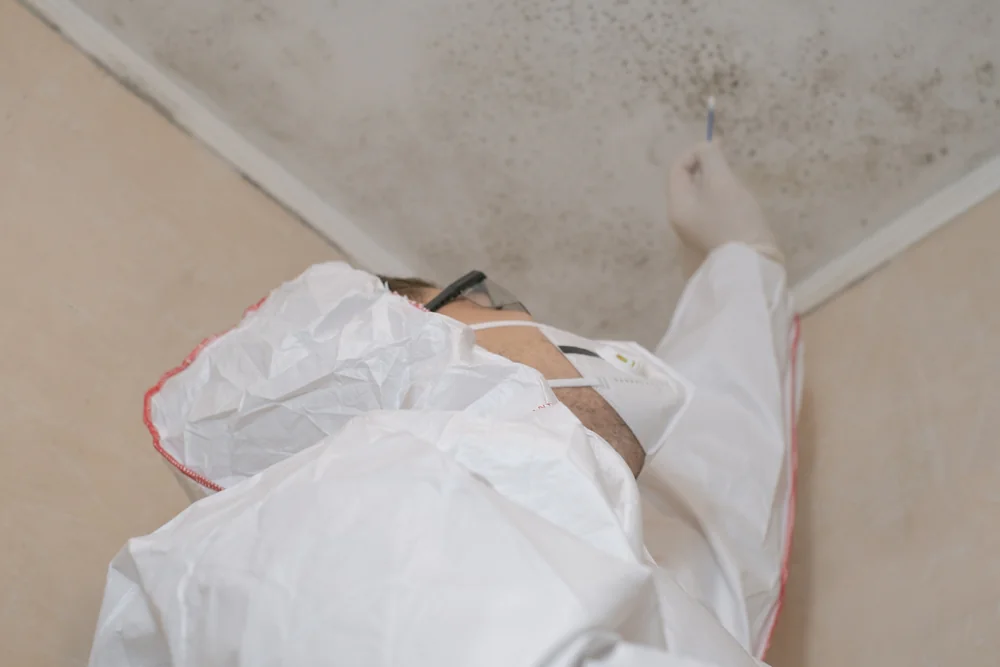
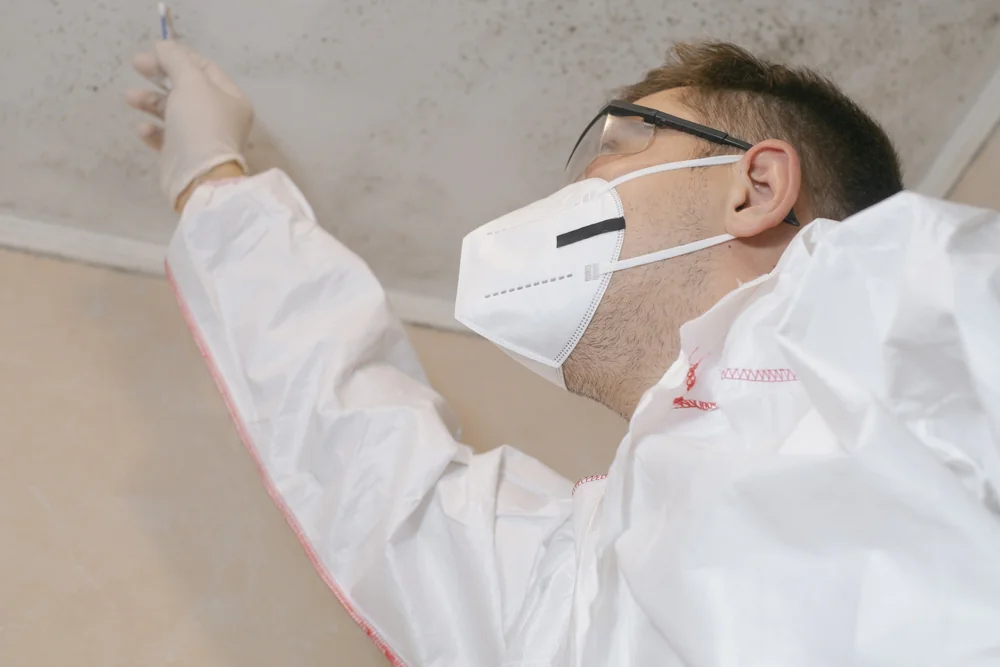
We start with a visual assessment of your property—every room, every corner, every area where moisture could be hiding. We’re looking for water stains, discoloration, condensation patterns, and any signs of previous leaks or flooding.
Next, we use moisture meters and thermal imaging to detect water you can’t see. Mold needs moisture to grow, so finding wet materials tells us where problems are starting or already established. We check behind appliances, inside walls, around windows, and in basements or crawl spaces.
Then we test your air quality. We take samples from different areas of your home and send them to a lab for analysis. This tells us what types of mold spores are present and at what concentration. It’s the most accurate way to understand what you’re breathing.
After the inspection, you get a full report. It includes photos, moisture readings, lab results, and our recommendations. If remediation is needed, we explain what that looks like. If it’s a minor issue you can handle yourself, we’ll tell you that too. You’re not locked into anything—you’re just informed.

Ready to get started?
Every mold inspection we do in East Falls includes a comprehensive visual assessment, moisture mapping with professional-grade meters, thermal imaging to detect hidden water intrusion, and indoor air quality testing with lab analysis. You’re not paying for a quick walk-through. You’re getting a full diagnostic.
East Falls has a mix of historic homes and newer construction, and both come with their own mold risks. Older homes often have brick foundations and poor ventilation in basements. Newer homes can have issues with improperly installed vapor barriers or HVAC systems that don’t manage humidity well. We adjust our inspection based on what your property needs.
We also check common problem areas specific to this region—around old cast iron plumbing, near window AC units that drip condensation, in attics with poor insulation, and in basements that flood during heavy rain. Pennsylvania’s humid summers and temperature swings create perfect conditions for mold, especially if your home has had any water damage in the last year.
After we’re done, you’ll know exactly where mold is growing, what type it is, and what’s causing it. That’s the information you need to make a smart decision about what comes next.
Most home mold inspections in East Falls take between one and three hours, depending on the size of your property and how many areas need close attention. A small rowhome with a finished basement might take an hour. A larger single-family home with multiple floors, an attic, and a crawl space could take closer to three.
We don’t rush it. If we find moisture or visible mold in one area, we’re going to check surrounding spaces to see how far it’s spread. That’s the point—you’re paying for thoroughness, not speed.
Air quality testing adds time because we need to collect samples from multiple rooms and sometimes from outside as a baseline. Those samples go to a lab, and results usually come back within a few days. You’ll get a full report once we have everything analyzed.
A mold inspection is the full assessment—visual check, moisture readings, thermal imaging, and air quality testing. Mold testing specifically refers to collecting samples (air, surface, or bulk) and sending them to a lab to identify mold types and spore counts.
You can do testing without a full inspection, but that’s usually not helpful. Knowing you have mold spores in the air doesn’t tell you where they’re coming from or what’s causing them. The inspection finds the source. The testing confirms what type of mold it is and how much of it is present.
We recommend doing both together. The inspection gives you the big picture. The lab testing gives you the specifics. If you’re dealing with health symptoms, planning to buy or sell a home, or just want to know exactly what you’re dealing with, testing is worth it.
You can check for visible mold yourself—look for discoloration, smell for musty odors, feel for dampness. But that only catches what’s obvious. Most mold problems in East Falls homes are hidden behind walls, under flooring, or in areas you don’t access regularly.
Professional mold detection uses equipment you don’t have—moisture meters that measure water content inside materials, thermal cameras that show temperature differences caused by wet insulation or leaks, and air sampling pumps that collect spores for lab analysis. These tools find problems before they become visible.
If you’re buying a home, dealing with health issues, or you’ve had water damage in the past year, a professional inspection is the smarter move. It costs a few hundred dollars upfront but can save you thousands in remediation costs if you catch mold early. DIY checks are fine for maintenance, but they’re not a substitute for a real assessment.
Most mold inspections in East Falls run between $300 and $600, depending on the size of your home and whether you’re including air quality testing. A basic visual inspection with moisture readings is on the lower end. Adding lab testing for air samples or surface samples increases the cost.
Larger homes, properties with multiple problem areas, or inspections that require crawl space or attic access can run higher. If you’ve had recent water damage or flooding, expect the inspection to take longer and cost more because there’s more area to assess.
Some companies offer free inspections, but they’re usually tied to remediation services—they’re hoping to sell you the cleanup. We charge for inspections because it keeps the process honest. You get an unbiased report, and you’re free to handle remediation however you want. That’s worth paying for.
If we find mold, you’ll get a detailed report that shows where it’s located, what type it is (based on lab results), and what’s causing it to grow. The report also includes our recommendations for remediation—what needs to be removed, what needs to dry out, and what repairs are necessary to prevent it from coming back.
You’re not required to use us for remediation. Some homeowners handle small mold issues themselves if it’s under 10 square feet and not caused by contaminated water. Larger problems, black mold, or mold caused by sewage or flooding should be handled by professionals with proper containment and safety equipment.
If remediation is needed, we’ll walk you through what that process looks like, how long it takes, and what it costs. We’ll also explain what happens if you don’t address it—mold doesn’t stop growing on its own, and it can damage your property and your health the longer it sits. You’ll have all the information you need to make the right call.
Not always. Small amounts of mold on a bathroom tile or a windowsill aren’t unusual, especially in humid climates like Pennsylvania. You can usually clean surface mold with the right products and better ventilation. That’s not a crisis.
The serious problems happen when mold is growing inside walls, under flooring, or in HVAC systems where it spreads spores throughout your home. That’s when it affects your indoor air quality and becomes a health risk. It’s also when it starts damaging building materials—drywall, insulation, wood framing—which leads to expensive repairs.
A mold inspection tells you which situation you’re dealing with. If it’s minor and contained, we’ll tell you. If it’s widespread or caused by an ongoing moisture issue, we’ll tell you that too. The goal is to give you an accurate picture so you’re not overreacting to something small or ignoring something that’s going to get worse.
Other Services we provide in East Falls