
Hear from Our Customers
You wake up with headaches. Your allergies flare up the moment you walk through the door. Someone in your family can’t shake a cough that’s been lingering for weeks.
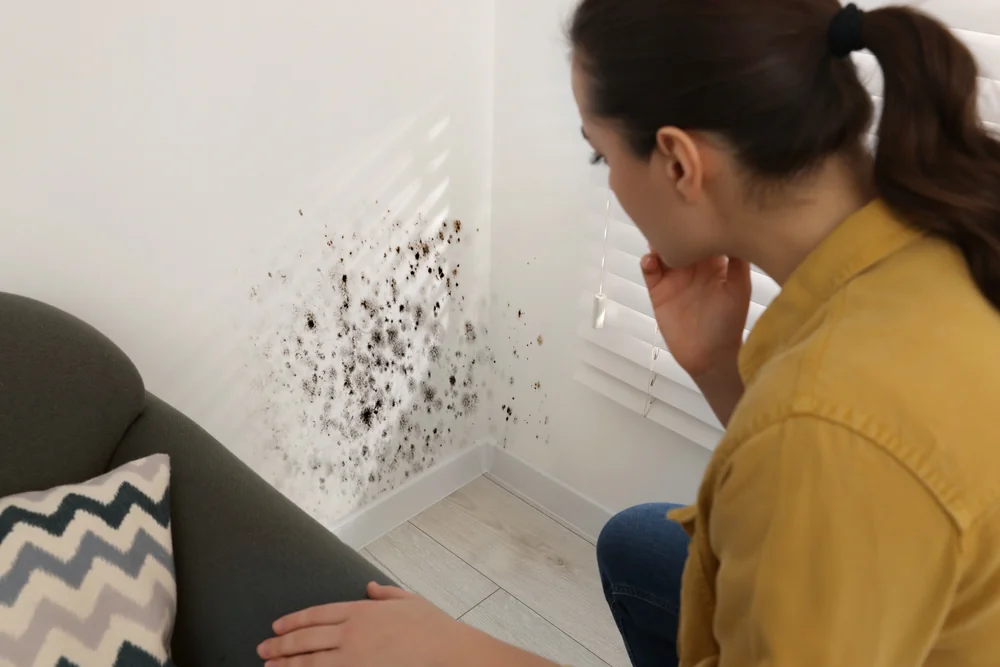
It’s not in your head. Philadelphia’s humidity sits at 67% on average, and Port Richmond’s older rowhomes trap moisture like a sponge. That creates the perfect environment for mold, dust mites, and airborne pollutants that standard home inspections completely miss.
A home air quality test shows you exactly what’s in your air. We use moisture meters and infrared cameras to find hidden problems, then send air samples to a lab for analysis. You get a detailed report that identifies mold spores, allergens, and contaminants, plus clear recommendations on what to do next.
No more wondering if that musty smell is serious. No more treating symptoms without knowing the cause. You’ll know what’s wrong, where it’s coming from, and how to fix it.
We’ve been protecting homes across Bucks County and Philadelphia for years. We don’t do general contracting or handyman work. We focus exclusively on indoor air quality and mold issues because that’s what Port Richmond homeowners actually need help with.
Port Richmond’s rowhome architecture creates unique challenges. Shared walls mean moisture problems spread between units. Basements in older homes stay damp year-round. And Philadelphia’s summers are getting stickier—the city now sees several ultra-humid days every year where it used to see one.
We understand how Pennsylvania’s climate affects your home. We know where to look, what to test for, and how to explain results in plain language. You’re not getting a sales pitch. You’re getting answers.

First, we walk through your home and listen. You tell us about symptoms, smells, or problem areas. We look for visible signs of moisture, mold, or ventilation issues.
Then we use infrared cameras to detect temperature differences in walls and ceilings that indicate hidden moisture. Moisture meters measure exact levels in building materials. These tools find problems you can’t see during a regular inspection.
Next, we collect air samples from different rooms using professional-grade equipment. We also take surface samples if we spot visible mold or suspect contamination. All samples go to an independent lab for analysis.
You get a detailed report within a few days. It lists exactly what pollutants, allergens, or mold spores were found, where they’re concentrated, and what levels mean for your health. We explain the results in a follow-up call and recommend specific next steps—whether that’s improving ventilation, controlling humidity, or scheduling mold remediation.
Ready to get started?
You get a full inspection using moisture meters and infrared cameras to identify problem areas. We collect air samples from multiple rooms to check for mold spores, allergens, and airborne contaminants. Surface samples are taken if we find visible mold or suspect hidden growth.
All samples are analyzed by an independent laboratory. You’re not relying on our opinion—you’re getting objective data from certified lab technicians who specialize in indoor air quality.
Your report breaks down exactly what was found, where concentrations are highest, and what it means for your health. We don’t just hand you numbers. We explain whether levels are normal, elevated, or dangerous, and what’s causing the problem.
Port Richmond homes face specific challenges. Philadelphia’s humidity regularly exceeds 70% during summer months, and the city gained 2.5 degrees in summer dew point since 1950. That means more moisture, more mold growth, and more indoor air quality issues than previous generations dealt with. Your test accounts for these local conditions and provides recommendations that actually work in this climate.
You need a test if you’re experiencing unexplained health symptoms at home—headaches, fatigue, respiratory issues, or allergies that improve when you leave the house. That’s the clearest sign that something in your indoor air is affecting you.
You also need a test if you smell musty odors, see visible mold, or recently had water damage. Even if the leak was fixed, moisture can linger inside walls and create mold growth you can’t see. Standard home inspections don’t catch this.
Port Richmond’s older rowhomes are especially vulnerable. Shared walls, unfinished basements, and brick foundations allow moisture to accumulate. If your home was built before 1950, or if you’ve noticed condensation on windows during humid months, a mold air test can identify problems before they become expensive remediation projects.
A mold inspection is a visual assessment. We look for visible mold, check common problem areas, and use moisture meters to find hidden dampness. It’s useful, but it only catches what we can see or access.
Air quality testing goes deeper. We collect air samples and send them to a lab that identifies the exact types and concentrations of mold spores, allergens, and pollutants in your home. This catches airborne contaminants that aren’t visible and helps pinpoint sources of poor indoor air quality.
Most homeowners benefit from both. The inspection finds obvious problems and moisture sources. The air test confirms whether mold spores are circulating through your HVAC system or concentrated in specific rooms. Together, they give you the complete picture of what’s affecting your air and where it’s coming from.
The on-site portion takes one to two hours depending on your home’s size. We walk through your property, use detection equipment to find moisture and temperature irregularities, and collect air and surface samples from multiple locations.
Lab analysis takes a few days. The independent laboratory tests your samples for mold spores, allergens, and other airborne contaminants, then sends us a detailed report with their findings.
You’ll have results and recommendations within a week of your appointment. We schedule a follow-up call to explain what was found, answer your questions, and discuss next steps. If the test reveals mold or air quality issues that need attention, we can usually start remediation within days.
It depends on your policy and the reason for testing. If you’re testing because of recent water damage, a burst pipe, or a covered event, many insurance companies will pay for it as part of the claim. Testing documents the extent of damage and confirms when remediation is complete.
If you’re testing for general air quality concerns or ongoing moisture issues, insurance typically won’t cover it. Those situations fall under home maintenance rather than sudden, covered events.
We provide detailed reports and documentation that satisfy insurance requirements. If you’re filing a claim, let us know upfront. We’ll coordinate with your insurance company and make sure our findings are presented in a way that supports your claim. We also offer free initial inspections, so you can get an assessment before committing to full testing.
First, don’t panic. Most homes in Philadelphia have some level of mold spores—it’s unavoidable in a humid climate. What matters is the type of mold and the concentration. Your lab report will specify whether levels are normal, elevated, or require immediate action.
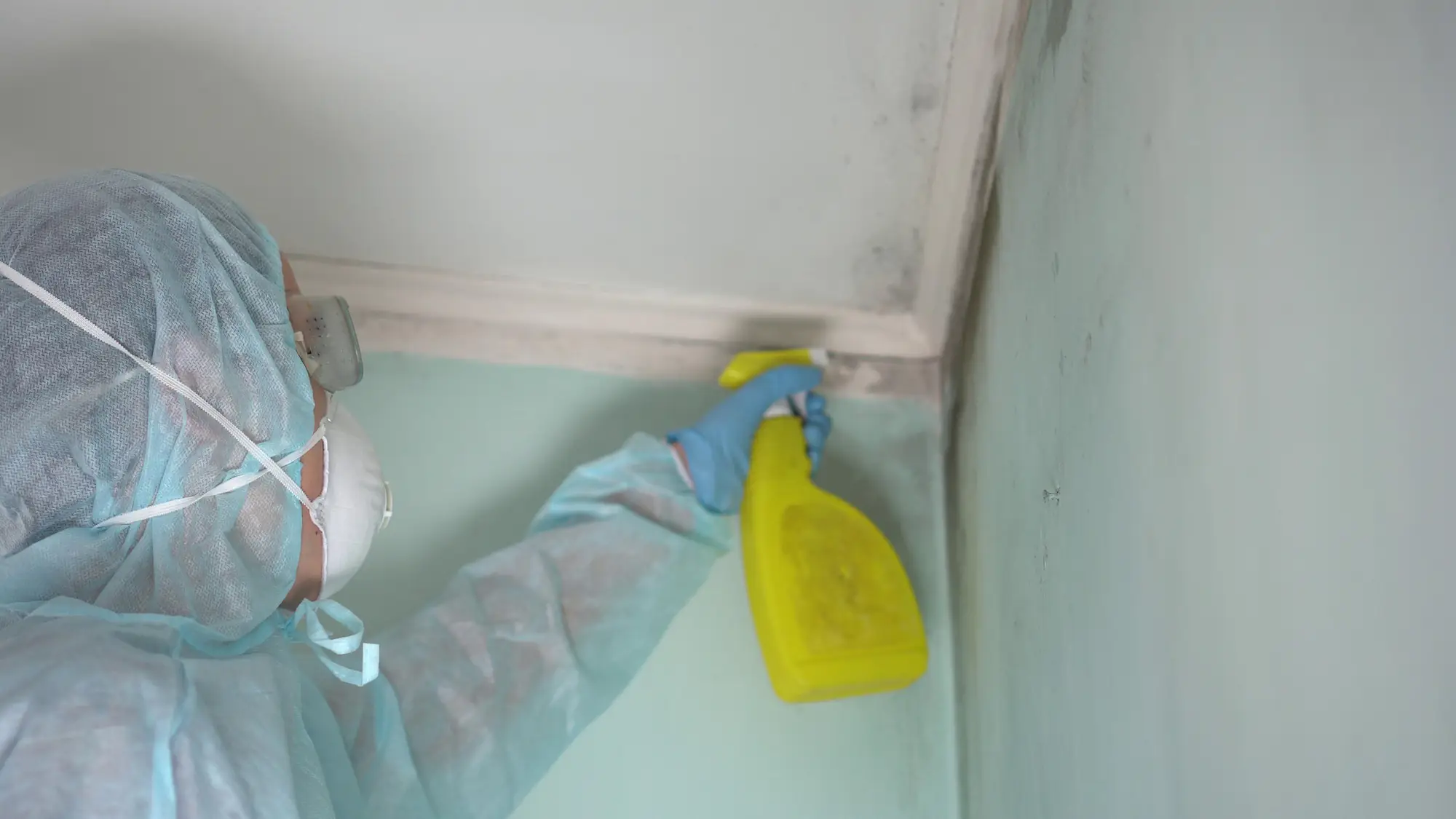
If remediation is needed, we identify the moisture source first. Removing mold without fixing the underlying problem means it’ll just come back. We address the cause—whether that’s a leak, poor ventilation, or humidity control—then safely remove contaminated materials.
Our remediation process includes containment to prevent spores from spreading, HEPA filtration to clean the air, removal of affected materials, and antimicrobial treatment. After remediation is complete, we conduct clearance testing to verify that mold levels have returned to normal. You get documentation proving the work was done properly, which protects your family and satisfies insurance requirements if you filed a claim.
DIY test kits exist, but they’re not reliable. Most consumer-grade kits only detect whether mold is present, not what type or how much. That’s useless information—every home has some mold spores. What you need to know is whether concentrations are dangerous and where the source is located.
Professional air quality testing uses calibrated equipment and independent lab analysis. We collect samples under controlled conditions, measure airflow and humidity, and use infrared cameras to find hidden moisture. The lab identifies specific mold species, allergen levels, and airborne contaminants that DIY kits can’t detect.
You also need someone who knows where to look. Port Richmond’s rowhomes have moisture patterns that differ from suburban construction. We understand how shared walls, old brick foundations, and basement configurations affect air quality. A home air quality test from us gives you accurate data and actionable recommendations, not just a yes-or-no answer about whether mold exists.
Other Services we provide in Port Richmond