
Hear from Our Customers
You spend over 90% of your time indoors, and the air inside your Kensington home can be 2 to 5 times more polluted than outside. That’s not a scare tactic. That’s EPA data.
The problem is you can’t see most of what’s floating around. Mold spores, volatile organic compounds, allergens – they don’t announce themselves until someone starts coughing, getting headaches, or feeling exhausted for no clear reason.
A professional air quality test gives you actual data. You’ll know what’s in your air, at what levels, and whether it’s affecting your health. No more wondering if that musty smell is harmless or if your kid’s asthma is worse because of something you can’t see. You get lab results that tell you exactly what you’re dealing with, so you can make informed decisions instead of expensive guesses.
We’ve been testing indoor air quality throughout Kensington, PA and Bucks County for years. We know the older housing stock here, the humidity issues near the Delaware River, and the ventilation problems common in row homes and renovated properties.
We’re not a national franchise reading from a script. We’re local, we use certified labs, and we’ve seen what actually causes problems in homes like yours. When we test your air, we’re looking at the full picture – not just checking boxes.
You’ll get straightforward answers, lab-backed results, and real recommendations. No upselling, no panic tactics. Just honest information about what’s in your air and what you should do about it.

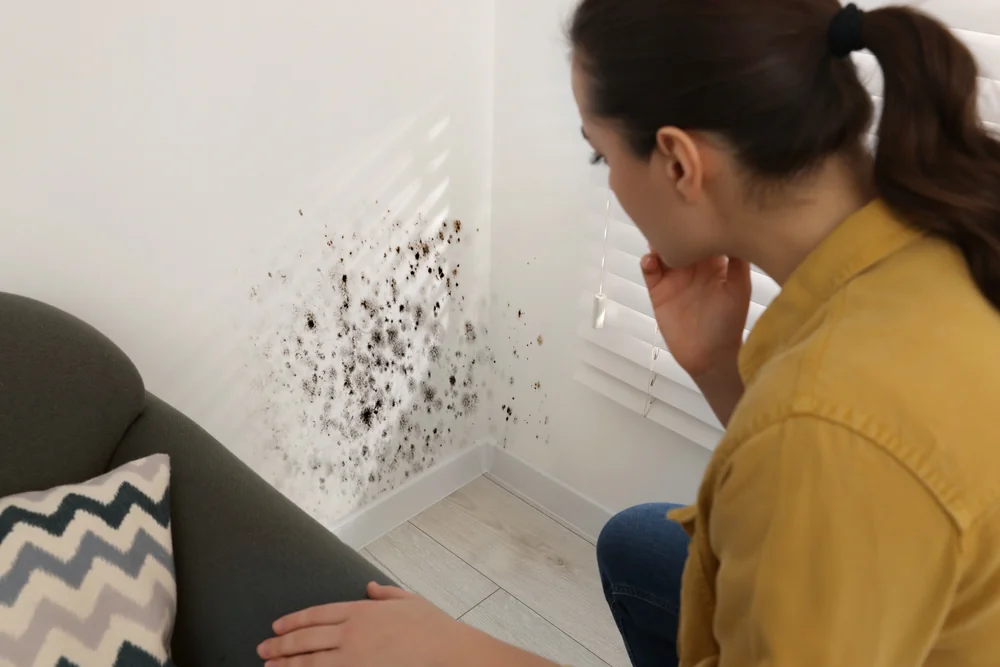
We start with a visual inspection of your home. We’re looking for moisture issues, visible mold, ventilation problems, and areas where contaminants typically hide – basements, crawl spaces, behind walls, around HVAC systems.
Then we take air samples using professional-grade equipment. We collect samples from multiple rooms and compare them to outdoor air. This tells us what’s elevated inside your home and by how much. We also use moisture meters and infrared cameras to find hidden problems you wouldn’t catch on your own.
The samples go to a certified lab for analysis. You’re not getting a color-changing strip or a DIY kit result. You’re getting detailed reports that identify specific mold species, spore counts, and other contaminants with actual measurements.
Once results come back – usually within a few days – we walk you through what they mean. If there’s a problem, we explain how serious it is and what your options are. If your air quality is fine, we tell you that too. The goal is clarity, not creating work for ourselves.
Ready to get started?
Your air quality test includes a complete visual inspection of your property, including areas most homeowners never check. We inspect basements, attics, crawl spaces, wall cavities, and anywhere moisture or mold typically develops in Kensington homes.
You get professional air sampling from multiple locations inside your home, plus an outdoor control sample. This comparison is critical – it shows whether your indoor air has elevated contaminant levels compared to what’s normal outside. We test for mold spores, allergens, and other airborne particles that affect health.
All samples are analyzed by certified laboratories. You receive detailed lab reports showing exactly what’s in your air, the concentration levels, and whether those levels are considered safe or problematic. We don’t just hand you paperwork – we explain what the numbers mean and whether you need to take action.
Kensington’s older housing stock and proximity to industrial areas means indoor air quality concerns are common here. The Clean Air Council has documented air quality issues in this neighborhood, and many homes deal with poor ventilation, older building materials, and moisture problems. Testing gives you the information you need to protect your family’s health and your property value.
Professional air quality testing in Kensington typically costs between $300 and $600, depending on the size of your home and how many samples you need. Our basic inspection starts at $350 and includes a complete visual assessment, moisture detection, and two air samples with certified lab analysis.
That might sound like a lot compared to a $40 DIY kit from the hardware store, but here’s the difference: professional testing uses calibrated equipment and certified labs that can identify specific mold species, measure exact spore counts, and detect contaminants a home kit can’t find. You’re getting data accurate enough to make real decisions about your health and your home.
Most homeowners find that early detection saves them thousands compared to dealing with extensive contamination later. Mold remediation can cost $3,000 to $20,000 if problems spread, and undetected mold can reduce your home’s value by 20-37%. Testing is the cheapest part of the equation.
A comprehensive home air quality test detects mold spores (including specific species like black mold, aspergillus, and penicillium), allergens, dust mites, pollen, pet dander, and volatile organic compounds (VOCs) from cleaning products, paint, or building materials. We can also test for radon, carbon monoxide, and other specific concerns if you request them.
The most common issue we find in Kensington homes is elevated mold spore counts, usually from moisture problems in basements, poor ventilation, or hidden water damage. Many of these contaminants are odorless and invisible, which is why testing matters – you can’t fix what you don’t know is there.
Lab analysis identifies not just whether mold is present, but what type and how much. That matters because some mold species are more dangerous than others, and concentration levels determine whether you need immediate remediation or just better ventilation. You get specific information, not vague warnings.
You’ll typically receive your lab results within 3 to 5 business days after we collect samples. The actual testing appointment takes about 1 to 2 hours depending on your home’s size and how many areas we’re inspecting.
Once results come back from the certified lab, we schedule a time to review them with you. We walk through what the numbers mean, whether any contaminants are at concerning levels, and what your options are if there’s a problem. This isn’t a “here’s your report, good luck” situation – we make sure you understand what you’re looking at.
If we observe something during the inspection that suggests an immediate health concern – like extensive visible mold growth or obvious water damage – we’ll communicate that right away rather than waiting for lab confirmation. But for most homes, the lab results give you the complete picture of what’s happening with your indoor air quality.
Yes, because the worst air quality problems are often invisible. Mold can grow inside walls, under flooring, in HVAC ducts, and in crawl spaces you never see. By the time it’s visible, you usually have a bigger problem than you realize.
Health symptoms are often the first sign of poor indoor air quality. If anyone in your home experiences unexplained headaches, respiratory issues, fatigue, or allergy symptoms that improve when they leave the house, that’s a red flag. The World Health Organization links household air pollution to millions of deaths annually, and children under 5 are especially vulnerable.
Testing is also smart if you’re buying or selling a home, if you’ve had any water damage or flooding, if your home is older (pre-1978 homes often have additional concerns), or if you live in an area with known air quality issues. Kensington has documented air pollution concerns, and many homes here have the moisture and ventilation issues that lead to mold growth. Testing gives you answers before small problems become expensive ones.
You can, but you’ll get limited and often unreliable results. Most DIY kits use petri dishes or color-changing strips that can’t tell you what type of mold you have, how much is present, or whether the levels are actually dangerous. They’re not calibrated, they’re not analyzed by certified labs, and they don’t give you the detailed information you need to make real decisions.
Professional air quality testing uses equipment that costs thousands of dollars and sampling methods that follow industry standards. The samples go to certified laboratories that can identify specific mold species, measure exact spore concentrations, and compare your indoor air to outdoor baselines. That level of accuracy matters when you’re trying to figure out if you have a health hazard or just normal environmental mold.
If you’re dealing with health symptoms, buying or selling a home, or trying to determine whether you need remediation, a DIY kit won’t give you answers you can trust. Professional testing costs a few hundred dollars and gives you lab-certified data that actually means something. It’s not about spending more money – it’s about getting information accurate enough to act on.
Many insurance policies cover mold inspections and air quality testing if they’re related to a covered event like water damage from a burst pipe, roof leak, or storm damage. If you’re testing because of a specific incident that caused water intrusion, there’s a good chance your policy will cover at least part of the cost.
However, insurance typically won’t cover testing for general maintenance, pre-purchase inspections, or problems that developed gradually over time due to humidity or poor ventilation. Every policy is different, so you’ll need to check your specific coverage or call your insurance company before scheduling testing.
We can help you understand what documentation your insurance company needs and provide detailed reports that support your claim if the testing is covered. We’ve worked with insurance companies throughout Bucks County and know what they typically require. Even if insurance doesn’t cover the testing, the cost is minimal compared to the potential health risks and property damage from undetected air quality problems.
Other Services we provide in Kensington