
Hear from Our Customers
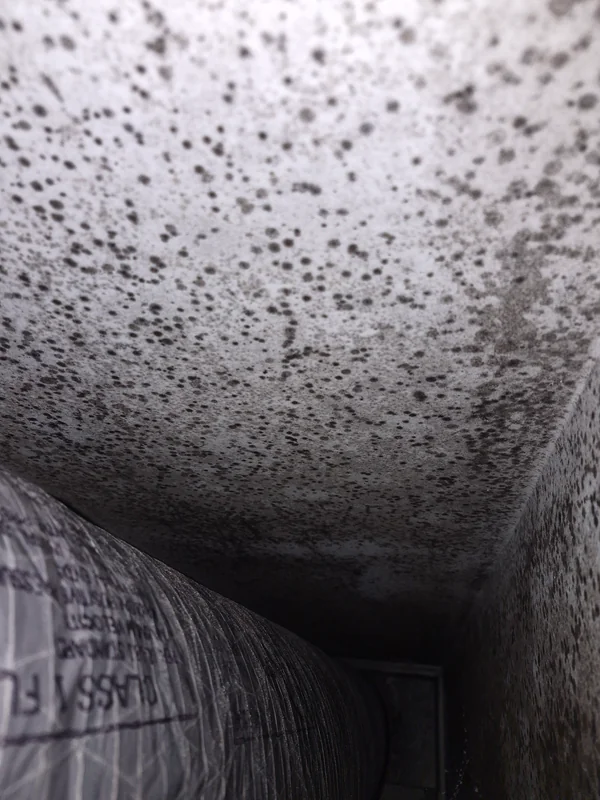
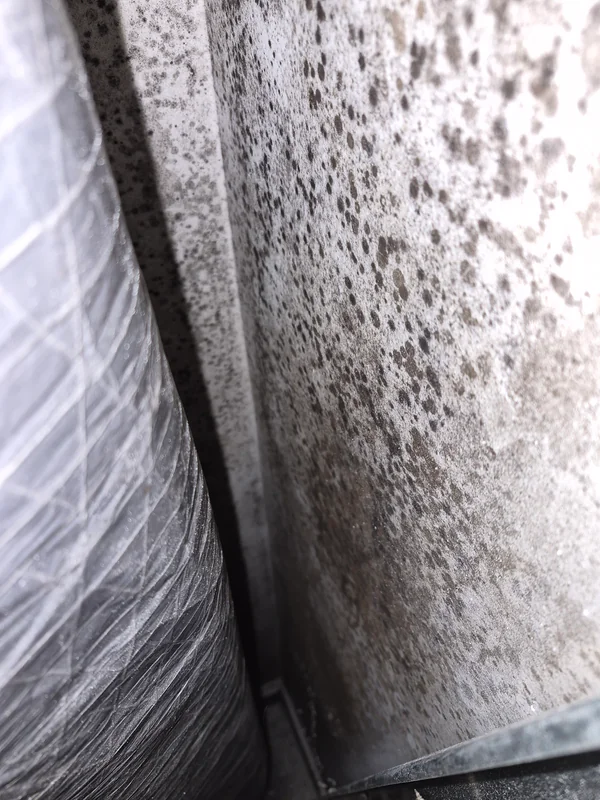
When your HVAC system runs, it doesn’t just move air it moves whatever is living inside your ductwork. Dust, debris, mold spores. Every time the heat kicks on or the AC cycles through, that air hits every room in your home simultaneously.
In a narrow Kensington row home where rooms share walls and airflow is tighter than in a detached suburban house, that matters more than most people realize. Philadelphia sees close to 49 inches of rain a year well above the national average. Add in the dense, humid summers that hit this part of the city hard, and you’ve got conditions that are genuinely favorable for mold growth inside enclosed ductwork.
In a home built before World War II, where the HVAC system may have been retrofitted into a building originally designed for coal heat or radiators, those ducts can hold decades of accumulated contamination that no one has ever looked at. We’ve found misrouted exhaust fans vents that terminate under the roof deck instead of outside in dozens of Kensington properties. Every time someone showers or runs the dryer, warm, moist air gets trapped in an enclosed space and eventually finds its way into the HVAC system.
What changes after a proper air duct cleaning is simple: you stop unknowingly breathing what’s been sitting in those ducts. Allergy symptoms that have been quietly worsening often improve. The musty smell that shows up when the system kicks on goes away. And if mold is found which is common in Kensington’s older housing stock it gets handled by specialists who know how to remove it without spreading it further.
We’re based in Bensalem, PA about 10 to 15 miles from Kensington via I-95 and Aramingo Avenue. We’ve been operating in the Philadelphia region for over 15 years, working in exactly the kind of older housing stock that defines Kensington, Harrowgate, and East Kensington.
What makes the difference isn’t just experience it’s the combination of certified mold remediation expertise and air duct cleaning. Most duct cleaning companies aren’t trained in mold containment. If they disturb mold inside your ductwork without proper protocols, they can spread spores through the rest of your home. We approach every job the way a mold specialist would: inspect first, contain what needs to be contained, remove it properly, and verify the results.
Every job comes with a free inspection and upfront pricing before any work begins. We offer flexible financing for homeowners who need it. And if your situation involves an insurance claim, we work directly with insurance companies to help navigate the process something most standalone duct cleaners simply don’t offer.

It starts with a free inspection. One of our certified specialists comes out, looks at your HVAC system, checks the ductwork for visible contamination, and takes samples if mold is suspected. In Kensington’s older row homes, this inspection also covers something that gets missed constantly: whether your bathroom, kitchen, or dryer vents are actually exhausting to the exterior of the building.
We’ve identified misrouted exhaust fans vents that terminate under the roof deck instead of outside as one of the most underdiagnosed causes of attic and ductwork mold in Kensington and across Philadelphia. If that’s happening in your home, it gets flagged before any cleaning begins.
From there, you get a clear quote before anything moves forward. No surprises, no pressure. If you decide to proceed, the cleaning uses professional-grade equipment negative air pressure systems and HEPA vacuums that pull contaminants out of the ductwork rather than pushing them around. Both supply and return ducts are cleaned. If mold is present, containment protocols are in place throughout so spores don’t migrate to other areas of the home.
After the job is done, we don’t just pack up and leave. Affected areas are tested to confirm the mold has actually been eliminated not just disturbed and redistributed. That documentation matters, especially for Kensington landlords who need a paper trail for insurance purposes or housing compliance, and for new buyers who want proof that a renovated row home is genuinely clean before they move in.
Ready to get started?
Air duct cleaning is our core service, but it doesn’t exist in isolation especially in a neighborhood where the building stock creates specific problems that a standard duct cleaning visit won’t catch. We also handle dryer vent cleaning, which carries real stakes beyond maintenance.
The NFPA reports nearly 16,000 dryer-related house fires per year in the U.S., with failure to clean the vent as the leading cause. In Kensington row homes where dryer vents are frequently misrouted to terminate under the roof deck rather than to the outside, that risk compounds quickly. A clogged or misrouted dryer vent isn’t just an efficiency problem it’s a fire and mold problem at the same time.
Air duct sanitizing is available as a follow-up to mechanical cleaning, applying antimicrobial treatments to the interior of the ductwork after debris has been removed. This step is particularly relevant when mold has been confirmed in the system cleaning removes the physical contamination, but sanitizing addresses any remaining biological residue. For Kensington homeowners dealing with the combination of old ductwork, high humidity, and a building that may have gone years without proper maintenance, this two-step approach is often the right call.
We also offer indoor air quality testing for residents who want a full picture of what’s in their home’s air not just the ducts. This is especially useful for households with young children, elderly family members, or anyone with asthma or respiratory sensitivities, and for landlords who need documented air quality results before renting a property.
The most common sign is a musty smell that appears specifically when your HVAC system is running and disappears when it shuts off. That pattern points to something biological inside the ductwork itself, not just general household odors. Other signs include worsening allergy or asthma symptoms, visible discoloration or dark spotting around your air registers, or a history of water intrusion in your basement or around your HVAC system.
In Kensington specifically, there’s an additional factor worth knowing about. Many row homes in this neighborhood have bathroom, kitchen, or dryer vents that were never properly routed to the exterior they terminate under the roof deck instead. Every time someone showers or runs the dryer, warm, moist air gets trapped in an enclosed space and eventually finds its way into the HVAC system. If your home has this setup, mold in the ductwork isn’t just possible it’s likely, regardless of how clean the rest of the house looks. A free inspection from us will tell you definitively what’s going on before any money changes hands.
It depends on your situation. If your home was built before 1939 which describes most of the housing stock in Kensington and the ductwork has never been professionally cleaned, you’re not talking about routine maintenance. You’re talking about decades of accumulated dust, particulate matter, and potentially biological growth in a system that circulates air through every room in your home.
Add Philadelphia’s consistently humid summers, the neighborhood’s above-average rainfall, and the moisture dynamics of a narrow row home with shared party walls, and the conditions for mold growth in enclosed ductwork are genuinely present. In that context, air duct cleaning isn’t a nice-to-have it’s how you find out what’s actually been running through your home’s air supply, and address it before it becomes a larger problem.
Air duct cleaning is the mechanical process using professional-grade equipment to physically remove dust, debris, and biological contamination from inside your ductwork. Air duct sanitizing is a separate step that follows the cleaning: an antimicrobial treatment is applied to the interior surfaces of the ducts to address any remaining biological residue after the physical material has been removed.
If your ducts are primarily dusty but there’s no mold present, cleaning alone is usually sufficient. But if mold has been confirmed or if there’s strong reason to suspect it based on symptoms, smells, or the age and condition of your home sanitizing is the step that makes sure you’re not just moving the problem around. For Kensington homeowners dealing with older ductwork, basement moisture issues, or a history of flooding from Philadelphia’s increasingly intense storm events, doing both is often the right call. We’ll be upfront about which steps are actually warranted based on what the inspection finds not what generates the highest invoice.
A thorough air duct cleaning for most homes takes between four and six hours. That’s the industry standard for a job done correctly both supply and return ducts cleaned, not just the vents you can see at the register.
For Kensington row homes specifically, the narrow floor plan and tight duct runs can affect access in ways that a wider suburban home wouldn’t present. The ductwork in a pre-1939 row home often runs through interior walls with limited clearance, and in some cases the system was retrofitted into a building not originally designed for forced-air heating. Our certified specialists account for these conditions during the inspection phase so there are no surprises on the day of the job. If the inspection reveals additional issues misrouted vents, signs of mold requiring containment protocols, or dryer vent problems the timeline and scope get communicated clearly before work begins.
Yes and this is exactly why the company doing the cleaning matters. A general HVAC duct cleaner without mold remediation training can disturb mold colonies inside your ductwork and, without proper containment, push spores through the rest of your home’s air supply. In a Kensington row home where rooms are connected through a shared duct system running through tight interior spaces, that kind of cross-contamination can happen quickly.
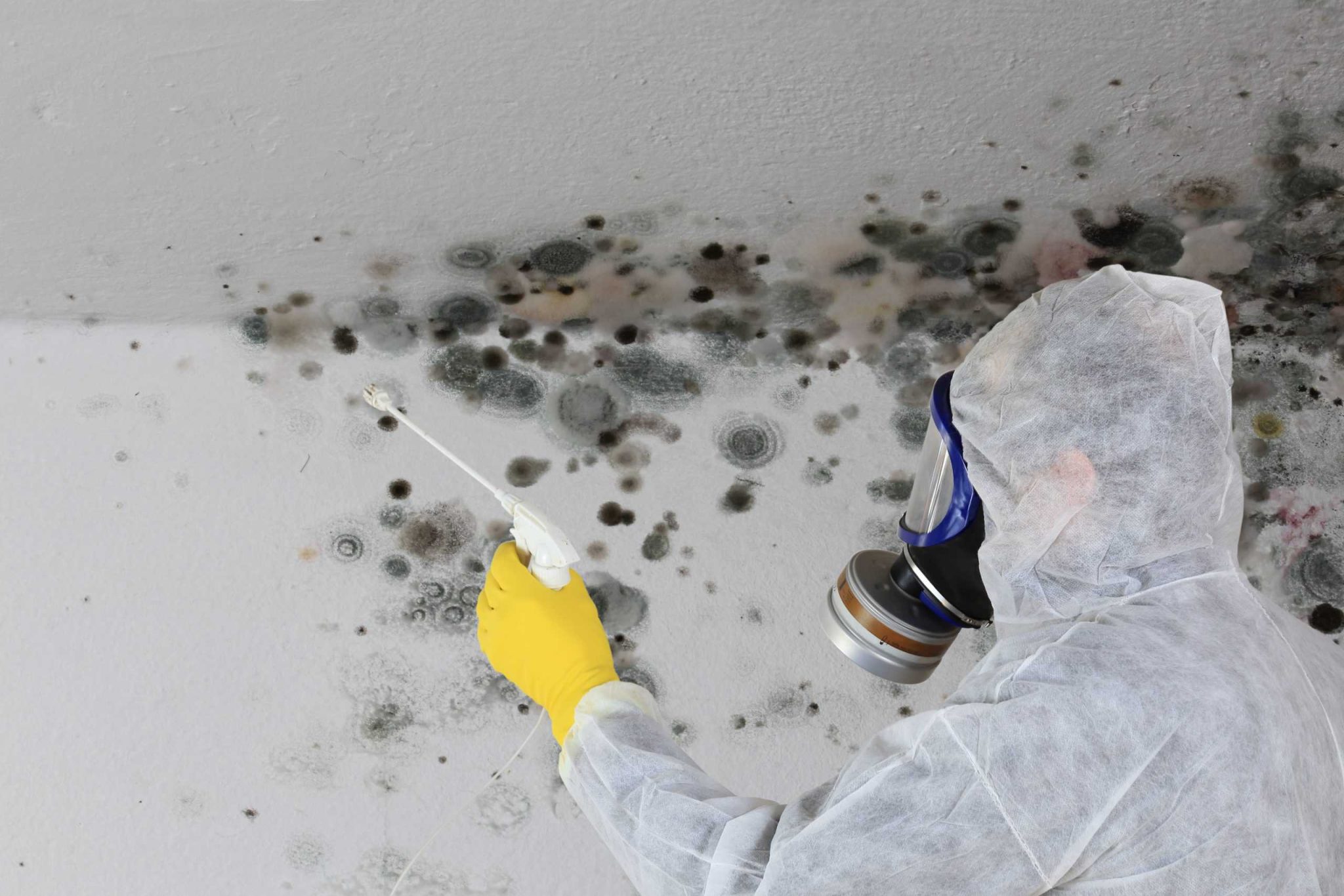
We approach duct cleaning with the same containment protocols used in full mold remediation jobs. Before anything is disturbed, the affected sections of the system are assessed and isolated as needed. Our equipment negative air pressure systems and HEPA vacuums is designed to pull contamination out rather than push it around. And after the job is complete, the affected areas are tested to confirm the mold has been eliminated, not just relocated. That post-cleaning verification step is something most general duct cleaners don’t offer, and for a neighborhood with Kensington’s housing conditions, it’s the part that actually proves the work was done right.
Philadelphia’s housing code requires landlords to maintain habitable conditions, and mold has become an increasingly common focal point in housing court complaints and tenant advocacy cases in the city. If a tenant reports a musty smell, respiratory symptoms, or visible mold near vents or registers, ignoring it creates real legal exposure not just a maintenance headache.
The practical challenge for most landlords is documentation. It’s not enough to have the work done; you need a paper trail that shows what was found, what was done about it, and what the results confirmed afterward. We provide exactly that certified inspection reports, documented remediation, and post-cleaning verification testing that gives you something concrete to present to a tenant, an insurance adjuster, or a housing court if it ever comes to that. We also work directly with insurance companies, which matters for landlords whose policies may cover mold-related damage following a flooding event something that’s increasingly relevant in Kensington given the neighborhood’s low-lying geography and Philadelphia’s pattern of intense storm rainfall. If you own rental properties in the 19125 or 19133 ZIP codes and haven’t had the ductwork inspected, a free inspection is the lowest-risk first step you can take.
Other Services we provide in Kensington