
Hear from Our Customers

Mold isn’t just unsightly. It’s a health risk and a property value killer.
If you’ve noticed a musty smell in your basement, dark spots spreading on your walls, or family members dealing with unexplained allergies, you’re likely dealing with mold growth. In Society Hill’s older homes, with their brick foundations and less-than-perfect drainage, moisture finds a way in. And where moisture sits, mold follows.
Here’s what happens when you actually fix it. Your indoor air quality improves, which means fewer respiratory issues and allergy symptoms for everyone in your home. Your property value stays protected because a home with documented mold problems can lose 20% to 37% of its resale value, and half of potential buyers walk away the moment they hear “mold.” You stop worrying about what’s growing behind your walls or under your floors.
Mold remediation isn’t just about scrubbing away what you can see. It’s about identifying the moisture source, eliminating the mold completely using EPA-approved methods, and making sure it doesn’t come back. That’s the difference between a quick cleanup and an actual solution.
We serve Society Hill and the surrounding Bucks County area. This isn’t a national franchise sending different crews every time we’re a local team that knows exactly why mold keeps showing up in Philadelphia-area homes.
The historic architecture here looks beautiful, but it wasn’t built with modern moisture control in mind. Older window builds leak. Brick foundations let water seep through. Unfinished basements trap humidity. Add Philadelphia’s coastal climate and year-round rainfall, and you’ve got the perfect recipe for recurring mold problems.
That’s why our mold inspection services start with finding the actual cause, not just treating the symptoms. Whether it’s a hidden leak, poor ventilation, or water damage from last season’s storm, we identify it, document it, and fix it right. You get a thorough assessment at no cost, transparent pricing before any work starts, and a team that keeps you informed through every step of the process.
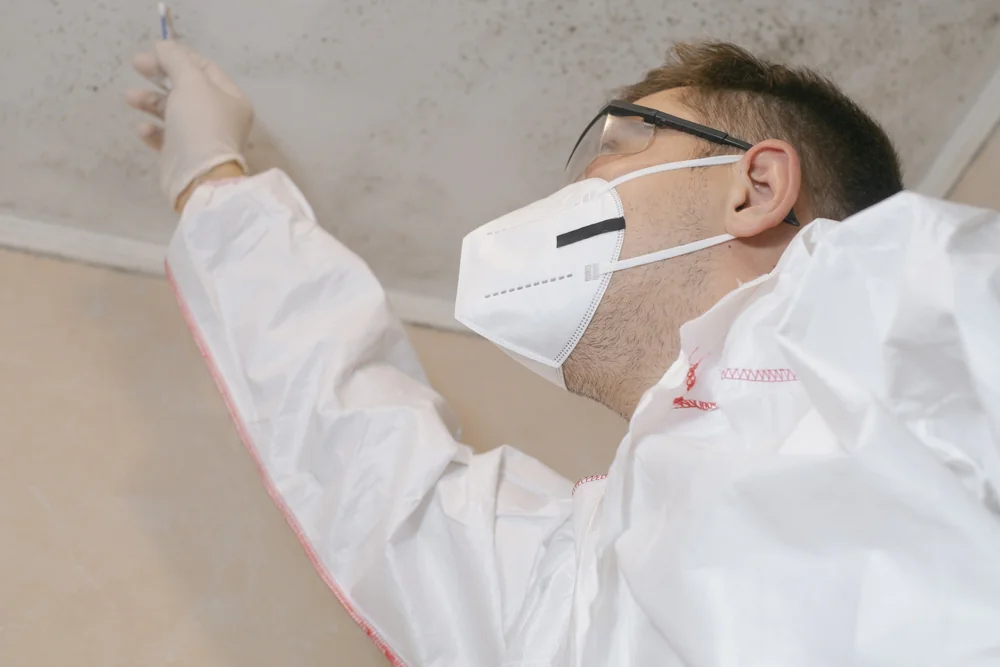
First, we inspect your entire property not just the obvious spots. That means checking wall cavities, crawl spaces, attics, and anywhere moisture could be hiding. Mold grows where you can’t see it, so we use state-of-the-art equipment to find it.
Next comes mold testing services to identify exactly what type of mold you’re dealing with. Different molds require different approaches, and knowing what’s growing in your home helps us choose the right remediation method. We follow EPA standards and Pennsylvania regulations for every job, so the work is done safely and completely.
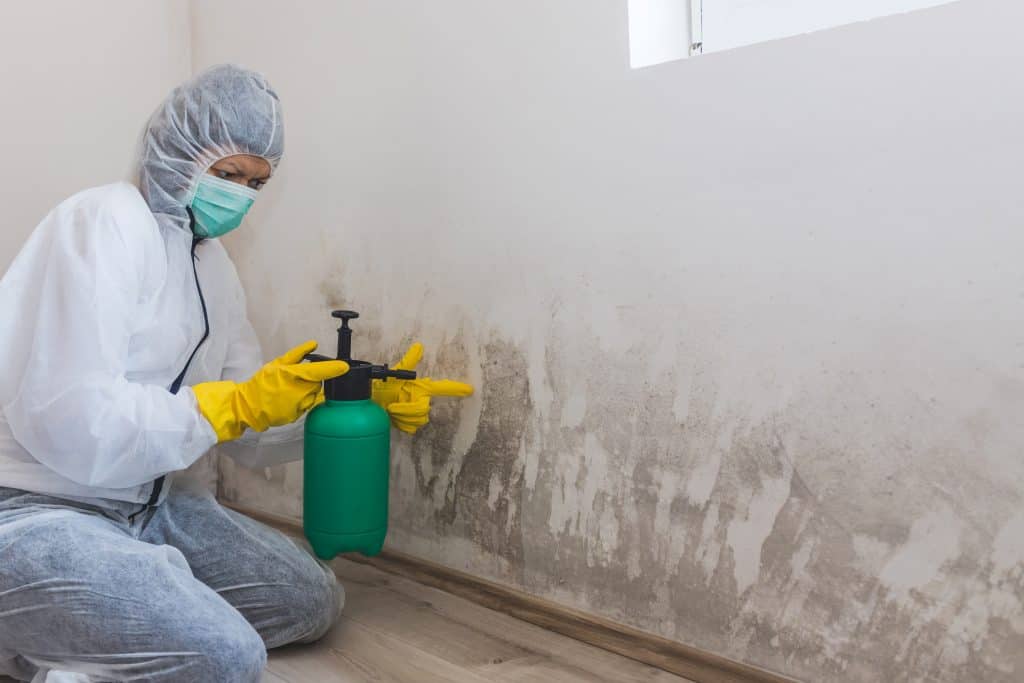
Then we handle the actual mold removal. This involves containment to prevent spores from spreading, safe removal of contaminated materials, thorough cleaning of affected areas, and proper disposal. If drywall, insulation, or other materials are too damaged, we remove and replace them.
But here’s the most important part: we fix the source. If there’s a leak, we address it. If humidity is the issue, we recommend dehumidification or ventilation improvements. If drainage around your foundation is the problem, we talk through solutions. Because mold comes back if the moisture problem isn’t solved.
After remediation is complete, we can help with cleanup and any necessary remodeling to restore your space. And if you’re filing an insurance claim, we’ll work with your insurance company to document everything and simplify the process.
Ready to get started?
You’re not just getting mold clean up services. You’re getting a full assessment of your property, accurate identification of mold types, safe containment and removal, treatment of affected areas, and a plan to prevent future growth.
In Society Hill and throughout Bucks County, nearly half of residential buildings show visible mold or detectable mold odor. That’s not because homeowners aren’t paying attention it’s because this area’s climate and housing stock create conditions where mold thrives. Dampness is present in 20% to 50% of homes across the U.S., and older Philadelphia-area homes with outdated ventilation systems fall right into that range.
Our mold damage services address both the immediate problem and the underlying cause. When water damage occurs, mold can spread throughout a home in 48 to 72 hours. The faster you act, the less damage occurs and the lower your remediation costs. That’s why we offer 24/7 emergency response for urgent situations.
Every job includes a detailed report of what we found, what we did, and what you should monitor going forward. If you’re selling your home, this documentation matters. If you’re protecting your family’s health, it matters even more. The WHO found that dampness and mold are associated with a 30% to 50% increase in respiratory illnesses. About 4.6 million asthma cases in the U.S. are directly caused by mold exposure.

The cost depends on the size of the affected area, the type of mold, and how much structural damage has occurred. The national average for mold remediation is around $2,300, but costs can range from a few hundred dollars for a small, contained area to several thousand for extensive damage involving multiple rooms or structural repairs.
In Society Hill, where many homes have older foundations and hidden moisture issues, costs can vary widely. A small patch of mold in a bathroom might cost $500 to $1,000 to remediate. A full basement with significant water damage and mold growth could run $3,000 to $10,000 or more, especially if drywall, insulation, or flooring needs replacement.
That’s why we offer free inspections. We assess the full scope of the problem, identify the moisture source, and give you a clear, detailed estimate before any work begins. No surprises, no upselling. And if you’re filing an insurance claim, we’ll help document everything to support your case. Many homeowners insurance policies cover mold remediation if it’s caused by a covered peril like a burst pipe or storm damage.
Most residential mold remediation projects take between one and five days, depending on the extent of the contamination and the size of the affected area. A single room with surface mold might be completed in a day or two. A whole-house remediation involving multiple rooms, HVAC system cleaning, and structural repairs could take a week or more.
The timeline also depends on how quickly we can address the moisture source. If there’s an active leak, that needs to be fixed before remediation can begin otherwise the mold will just come back. Once the source is controlled, we move through containment, removal, cleaning, and drying in a systematic way that prioritizes safety and thoroughness over speed.
After the physical removal is complete, affected areas need time to dry completely. We use dehumidifiers and air movers to speed up this process, but rushing it can leave residual moisture that leads to new mold growth. Throughout the process, we keep you updated on progress and let you know when it’s safe to return to the affected areas. If you’re dealing with an emergency situation, we’re available 24/7 to start the process immediately and prevent further damage.
If the mold covers less than 10 square feet, isn’t caused by contaminated water, and you don’t have health conditions that make you sensitive to mold, you might be able to handle it yourself using proper protective equipment and EPA-approved cleaning methods. But most situations require professional mold abatement services.
Here’s why. Mold you can see is usually just part of the problem. It’s often growing inside walls, under flooring, or in HVAC systems where you can’t reach it. Disturbing mold without proper containment spreads spores throughout your home, making the problem worse. And if you don’t fix the moisture source, the mold comes right back.
In Society Hill’s older homes, mold problems are rarely simple surface issues. Poor ventilation, brick foundations that wick moisture, and outdated drainage systems create conditions where mold grows in hidden areas. Professional mold testing services identify what type of mold you’re dealing with some types, like black mold, pose serious health risks and require specialized removal techniques. We use containment barriers, negative air pressure, HEPA filtration, and proper disposal methods to remove mold safely without contaminating the rest of your home. If you’re unsure whether your situation requires professional help, we offer free inspections to assess the scope and give you an honest answer.
Mold needs three things to grow: moisture, organic material to feed on, and the right temperature range. In Society Hill and the greater Philadelphia area, all three conditions are common. The coastal climate brings year-round rainfall and high humidity. Older homes have brick foundations that allow moisture to seep through, unfinished basements that trap dampness, and ventilation systems that don’t meet modern standards.
Water damage from leaks, flooding, or plumbing issues is the most common trigger. A slow leak behind a wall or under a floor can go unnoticed for months while mold spreads. Condensation from poor insulation or inadequate ventilation creates moisture on windows, walls, and pipes. Basements and crawl spaces with dirt floors or inadequate waterproofing let groundwater in. Even everyday activities like cooking, showering, and doing laundry add moisture to indoor air if that moisture doesn’t have a way out, it condenses on cool surfaces and creates ideal conditions for mold growth.
Philadelphia’s historic architecture makes things worse. Older window builds leak. Outdated drainage around foundations lets water pool against basement walls. Many homes lack proper vapor barriers or dehumidification systems. That’s why mold is such a persistent problem here it’s not just bad luck, it’s the way these homes were built. Fixing mold for good means addressing these underlying moisture issues, not just cleaning up what you can see.
Mold will come back if the moisture source isn’t fixed. That’s the most important thing to understand. You can remove every visible trace of mold, clean and treat affected surfaces, and replace damaged materials but if water is still leaking, humidity is still high, or drainage is still poor, new mold will grow.
That’s why our mold remediation process focuses on identifying and eliminating the cause, not just the symptoms. We find the leak, fix the ventilation problem, or recommend drainage improvements before we even start removing mold. Once the source is controlled, we remove the existing mold using EPA-approved methods, treat affected areas to prevent regrowth, and make sure everything is thoroughly dried.
After remediation, you’ll need to maintain proper humidity levels in your home ideally between 30% and 50%. That might mean running a dehumidifier in your basement, improving ventilation in bathrooms and kitchens, or addressing exterior drainage issues. We’ll give you specific recommendations based on what we find during the inspection. If you stay on top of moisture control and address leaks or water damage quickly, mold shouldn’t return. But if conditions become favorable again high humidity, poor ventilation, water intrusion new mold can grow. That’s not a failure of the remediation; it’s just how mold works.
It depends on what caused the mold. Most homeowners insurance policies in Pennsylvania cover mold remediation if the mold resulted from a covered peril like a burst pipe, storm damage, or a sudden plumbing failure. If the mold is caused by long-term neglect, lack of maintenance, or gradual water damage that wasn’t addressed, insurance typically won’t cover it.
The key is documentation. Insurance companies want to see that the mold resulted from a specific, sudden event, not from ongoing moisture problems that should have been fixed earlier. That’s why it’s important to act fast when water damage occurs and to document everything. Take photos, keep records of repairs, and report claims promptly.
We work with insurance companies regularly and can help you through the claims process. We’ll document the extent of the mold damage, identify the likely cause, and provide detailed estimates for remediation work. Many of our clients have successfully filed claims for mold removal when the cause was covered under their policy. If you’re unsure whether your situation qualifies, we can walk you through what insurance companies typically look for and help you understand your coverage. Either way, we’ll give you transparent pricing upfront so you know exactly what the remediation will cost, whether insurance covers it or not.
Other Services we provide in Society Hill