
Hear from Our Customers

You’re not just covering up a problem. You’re getting rid of it completely.
That means no more musty smell in the basement. No more black spots creeping up the bathroom wall. No more wondering if the air your family breathes is making them sick.
Mold grows when moisture sticks around too long. In Northern Liberties, that happens more than people think. Philadelphia’s humid summers, aging rowhomes with poor ventilation, and old plumbing create the perfect conditions. If the moisture source isn’t fixed, the mold comes back no matter how many times you bleach it.
Real mold remediation means finding where the water’s coming from, removing contaminated materials safely, treating affected areas with antimicrobial solutions, and making sure the air tests clean when we’re done. You get documentation. You get peace of mind. You get a home that’s actually safe again.
We work with homeowners across Northern Liberties and Bucks County who need mold problems handled the right way. Our technicians are IICRC-certified, which means we follow proven containment, removal, and testing protocols not shortcuts.
We’ve seen what happens when mold gets ignored in Philadelphia’s older homes. Structural damage. Plummeting property values. Families dealing with respiratory issues for months before they realize what’s causing it.
We use thermal imaging and moisture meters to find problems you can’t see yet. We work with your insurance company if your policy covers it. And we don’t leave until post-remediation testing confirms the job’s done right.
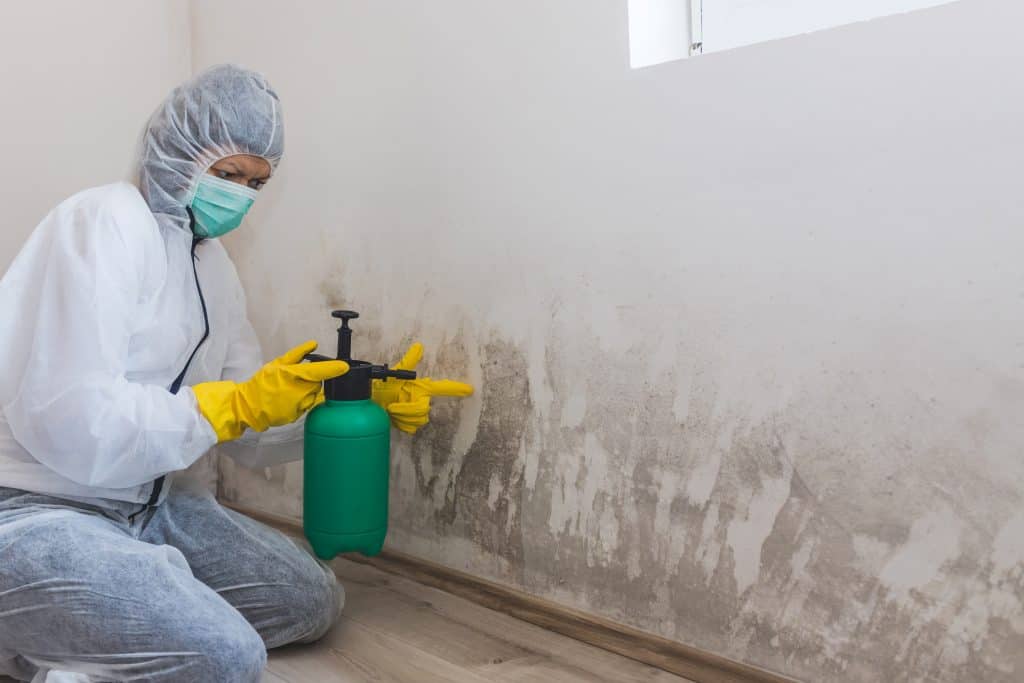
First, we come out for a free inspection. We’re looking for visible mold, but also moisture levels, ventilation issues, and hidden growth behind walls or under flooring. If you’ve got a musty smell but can’t find the source, that’s where thermal imaging comes in.
Next, we test. Air samples and surface samples tell us what type of mold we’re dealing with and how far it’s spread. That determines the scope of work and whether containment is needed to prevent spores from spreading during removal.
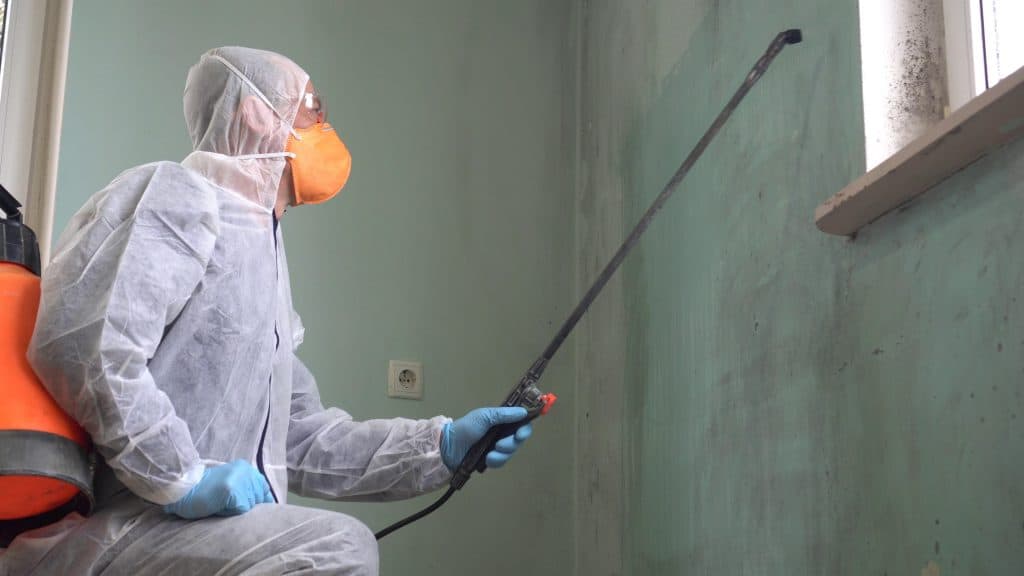
Then we remediate. That means setting up containment barriers, running HEPA filtration, removing affected materials like drywall or insulation, treating surfaces with antimicrobial solutions, and addressing the moisture source whether it’s a leak, condensation, or drainage problem.
Finally, we verify. Post-cleanup air quality testing confirms mold levels are back to normal. You get a full written report documenting everything, which is especially helpful if you’re selling the property or filing an insurance claim.
Ready to get started?
You’re getting a full mold remediation process, not a quick cleanup. That includes containment setup with plastic sheeting and negative air pressure to keep spores from spreading to clean areas of your home. It includes HEPA air scrubbers running throughout the job to filter airborne particles.
We remove contaminated materials drywall, insulation, carpet, whatever can’t be salvaged. Porous materials hold mold deep inside, so trying to clean them usually doesn’t work. Non-porous surfaces like tile or metal get treated with EPA-approved antimicrobial solutions.
In Northern Liberties, basements are a common problem area. Older homes near the Delaware River deal with groundwater seepage, foundation cracks, and humidity that sits in unfinished basements all summer. If your basement floods even once, mold can start growing within 48 hours. We handle basement mold remediation by addressing both the growth and the water intrusion that caused it.
You also get help with insurance paperwork if your policy covers mold damage. We document everything, take photos, and provide the reports your adjuster needs. Most policies cover mold if it’s related to a sudden water event like a pipe burst, but not if it’s from long-term neglect.

Most mold removal projects in the area run between $1,200 and $3,400, with the average around $2,200. Small jobs like a bathroom corner or a closet might cost $500 to $1,500. Larger projects involving multiple rooms, structural damage, or extensive hidden growth can reach $5,000 or more.
The price depends on how much mold there is, where it’s located, and what caused it. A small patch on a basement wall is different from mold behind kitchen cabinets that requires demolition. Containment, testing, and disposal all factor into the cost.
If your mold problem is related to a covered water damage event, your homeowners insurance may pay for remediation. We work with insurance companies regularly and can help you navigate the claims process. Even if insurance doesn’t cover it, we offer financing options to make the work manageable.
If you can see mold growing on walls, ceilings, or floors, you need professional help. If you smell a persistent musty odor but can’t find the source, that’s another sign. Mold often hides in wall cavities, under flooring, or behind cabinets where moisture has been sitting unnoticed.
Health symptoms are a red flag too. Persistent coughing, sneezing, eye irritation, or respiratory issues that get worse at home can indicate mold exposure. This is especially concerning if you have kids, elderly family members, or anyone with asthma or a compromised immune system.
DIY cleaning works for very small surface mold on non-porous materials like a little mildew on bathroom tile. But if the mold covers more than 10 square feet, if it’s on porous materials like drywall or carpet, or if it keeps coming back after you clean it, the problem is bigger than surface level. You need someone who can find the moisture source and eliminate the growth completely, not just wipe it down.
Mold removal sounds like you’re getting rid of every single spore, but that’s not realistic. Mold spores exist everywhere they’re part of the natural environment. The goal isn’t zero mold spores. It’s getting levels back to normal and eliminating active growth.
Mold remediation is the correct term because it means returning your indoor environment to a safe, healthy state. That involves removing contaminated materials, treating affected areas, controlling moisture, and confirming through testing that mold levels are back to where they should be.
A company promising to “remove all mold” is either overselling or doesn’t understand the science. What matters is stopping active growth, eliminating health risks, and preventing recurrence by fixing the underlying moisture problem. That’s what professional mold remediation actually does.
Small projects like treating a bathroom or a single wall usually take one to two days. Medium-sized jobs involving a basement or multiple rooms take three to five days. Large-scale remediation with structural repairs, extensive containment, and post-testing can take a week or longer.
The timeline depends on the size of the affected area, the type of materials involved, and how long it takes to dry everything out. Humidity in Northern Liberties doesn’t help Philadelphia’s climate means drying times can be longer, especially in summer.
We don’t rush the process. Containment has to be set up properly. Materials have to be removed safely. Treated areas need time to dry completely before we can test the air quality. Cutting corners just means the mold comes back, and then you’re paying for the job twice.
Mold comes back if the moisture problem isn’t fixed. If you’ve got a leaking pipe, poor ventilation, or water seeping through your foundation, treating the mold without addressing the source is pointless. It’ll grow again.
That’s why real mold remediation includes identifying and fixing what caused the mold in the first place. Maybe it’s a plumbing leak. Maybe it’s condensation from an unvented bathroom. Maybe it’s groundwater intrusion in your basement. Whatever it is, it has to be dealt with.
We don’t just clean up mold and leave. We find the moisture source, recommend repairs, and make sure conditions aren’t right for regrowth. If you follow through on those recommendations fixing leaks, improving ventilation, managing humidity the mold shouldn’t come back. If it does, that means something was missed or a new moisture issue has developed.
It depends on the size and location of the job. For small, contained projects in a single room, you can usually stay in the house as long as proper containment is in place. We seal off the work area with plastic sheeting and run negative air pressure to prevent spores from spreading to other parts of your home.
For larger jobs especially if mold is in your HVAC system or spread across multiple rooms it’s often safer to stay elsewhere temporarily. Disturbing mold during removal releases spores into the air, and even with containment, some exposure risk exists.
If anyone in your household has asthma, allergies, or a weakened immune system, we usually recommend staying somewhere else regardless of project size. Your health isn’t worth the risk. We’ll give you an honest assessment during the inspection so you can plan accordingly.
Other Services we provide in Northern Liberties