
Hear from Our Customers

You stop wondering if that smell is coming back. You stop worrying about what’s growing behind the walls. Your air quality improves, your family stops coughing at night, and you can actually breathe easier in your own home.
When mold gets handled properly, it doesn’t just disappear for a few weeks. It’s gone because the moisture source is gone. That’s the difference between a cleanup and actual mold remediation.
You’re not masking the problem with bleach or hoping it doesn’t spread. You’re getting documentation that shows the air is clean, the contaminated materials are removed, and the conditions that allowed mold to grow in the first place have been corrected. That’s what protects your property value and your peace of mind.
We work exclusively in Bucks County and the surrounding Philadelphia area. We’re not a national franchise running service calls between states. We’re here, and we know what happens to older homes in this climate.
Fitler Square has some beautiful historic rowhomes and brownstones, many built in the early 1800s. Those homes have charm, but they also have basements that flood, crawl spaces that trap moisture, and original plumbing that leaks. We’ve seen it all, and we know how to fix it without tearing apart more than necessary.
Our team is IICRC-certified and follows EPA-compliant procedures. We’re not cutting corners or using methods that put your family at risk. You get trained professionals who understand mold biology, not just guys with a shop vac.
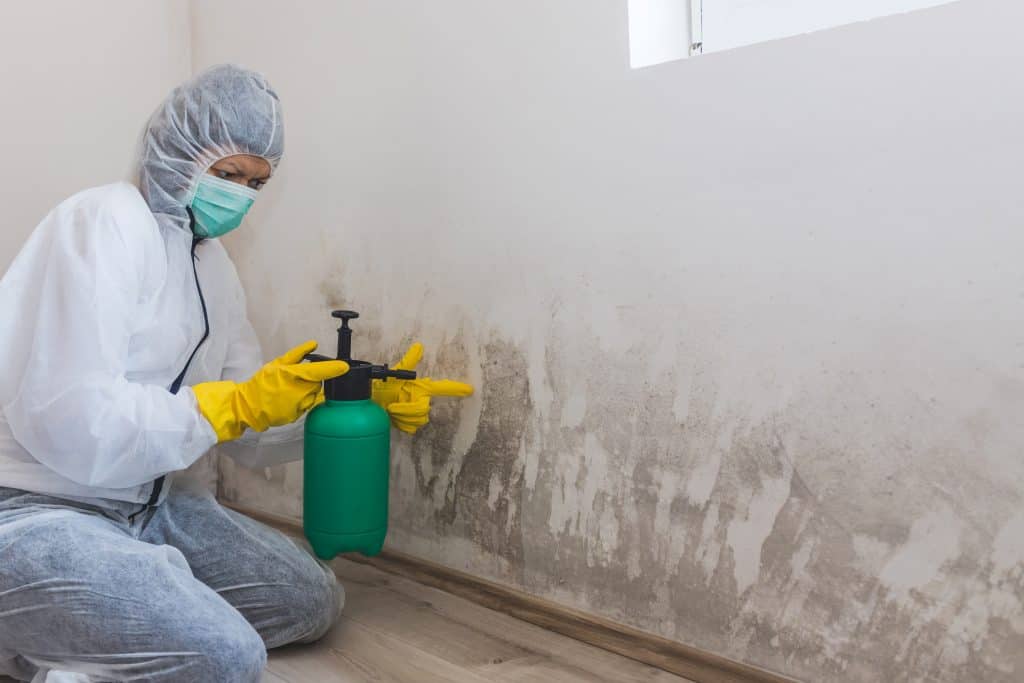
First, we inspect. That means checking the obvious spots and the hidden ones behind baseboards, inside wall cavities, under sinks, in attics. We use moisture meters and thermal imaging to find problems you can’t see. This inspection is free, and it tells us exactly what we’re dealing with.
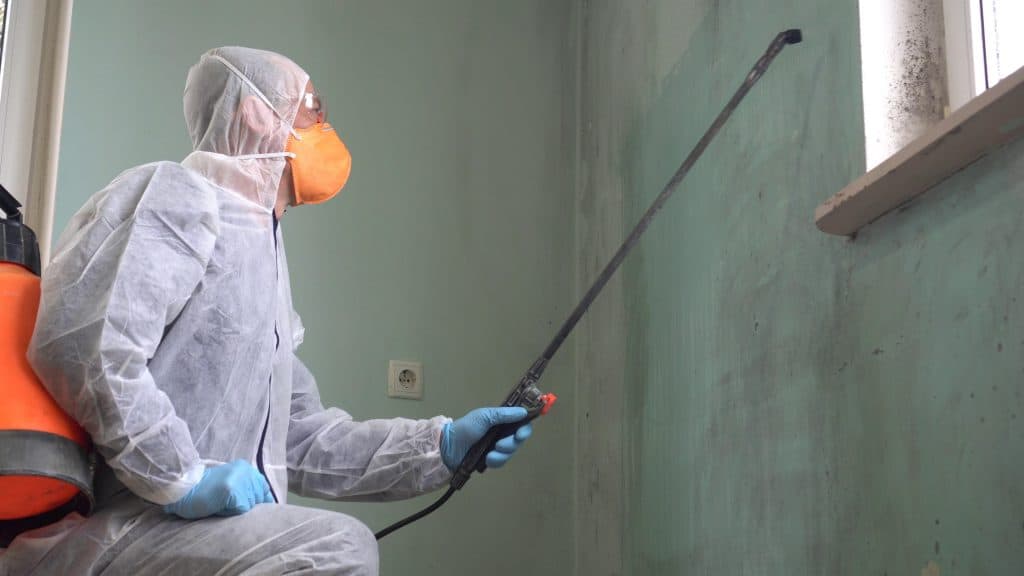
Next, we contain and remove. We set up barriers so mold spores don’t spread to clean areas during removal. Contaminated materials get bagged and disposed of properly. HEPA filtration runs the entire time to keep the air clean. This isn’t a spray-and-pray situation.
Then we dry and treat. We eliminate the moisture source, whether that’s a leaking pipe, poor ventilation, or groundwater intrusion. We treat affected surfaces with antimicrobial solutions. Finally, we test the air quality to confirm the mold is actually gone, not just covered up.
You get a full report documenting everything we found, everything we did, and the post-remediation results. If you need it for insurance or resale, you have it.
Ready to get started?
You get a complete assessment of the contamination, not just the visible mold. We identify the type, the extent, and the moisture source. That assessment drives everything else.
Removal includes taking out damaged drywall, insulation, flooring, or any porous material that’s been compromised. We don’t try to save materials that can’t be saved. If it’s moldy, it goes. Non-porous surfaces get cleaned and treated.
In Fitler Square, we see a lot of basement mold from old stone foundations and a lot of attic mold from poor ventilation. Both require different approaches. Basements often need waterproofing or drainage work. Attics need ventilation improvements. We handle both, and we’ll tell you exactly what needs to happen to prevent recurrence.
You also get help with insurance claims if your damage is covered. We document everything, work directly with adjusters, and provide the paperwork they need. It’s one less thing you have to figure out on your own.

If the mold covers more than 10 square feet, the EPA recommends professional remediation. If it’s in your HVAC system, behind walls, or caused by contaminated water, you need a professional. If someone in your home has respiratory issues or a compromised immune system, don’t take chances.
Cleaning works for small surface mold on non-porous materials like tile or glass. But if it’s on drywall, insulation, carpet, or wood, cleaning won’t cut it. Those materials absorb mold, and you can’t scrub it out. It has to be removed.
The bigger issue is the moisture source. If you clean mold but don’t fix the leak or ventilation problem, it comes back. That’s why most DIY attempts fail. Remediation addresses the root cause, not just the symptom.
Mold removal sounds like you’re getting rid of every spore, but that’s not realistic. Mold spores exist everywhere. They’re in the air right now. The goal isn’t zero mold it’s getting mold levels back to normal and eliminating active growth.
Mold remediation means identifying the contamination, removing affected materials, cleaning and treating surfaces, fixing the moisture problem, and verifying that mold levels are back to safe, normal levels. It’s a process, not just a product you spray.
Removal implies a quick fix. Remediation implies a complete solution. If someone’s offering mold removal without talking about moisture control or air quality testing, they’re not offering remediation. They’re offering a temporary patch that won’t last.
Most residential jobs take two to five days depending on the size of the affected area and the extent of the damage. A small bathroom with mold around the tub might take a day or two. A finished basement with widespread contamination could take a week.
The timeline depends on how much material needs to be removed, how long it takes to dry out the space, and whether we’re waiting on air quality test results. We don’t rush the drying process because moisture is what caused the problem in the first place.
In older Fitler Square homes, we sometimes find mold in multiple areas once we start looking. A leaking roof might cause attic mold and wall mold on the floor below. That extends the timeline, but it’s better to handle everything at once than to come back in six months for round two.
It depends on what caused the mold. If it’s from a sudden, accidental event like a burst pipe or storm damage, most policies cover it. If it’s from long-term neglect or a maintenance issue like a slow leak you ignored, probably not.
Insurance companies want to see that you acted quickly after discovering the problem. The longer you wait, the harder it is to prove the damage is recent. They also want documentation showing the extent of contamination and the work performed. That’s where our detailed reporting helps.
We work with insurance companies regularly and can help you navigate the claims process. We provide estimates, documentation, and communicate directly with adjusters if needed. It doesn’t guarantee coverage, but it makes the process a lot less confusing.
It depends on the size and location of the contamination. If we’re working in a basement or attic and can seal off the area completely, you can usually stay. If the mold is in living spaces or the HVAC system, it’s safer to leave during active removal.
We use containment barriers and negative air pressure to prevent spores from spreading, but there’s still dust, noise, and disruption. If anyone in your home has asthma, allergies, or a weakened immune system, we recommend staying elsewhere during the work.
For most jobs, you’re looking at a few days, not weeks. We’ll give you a clear timeline upfront so you can plan accordingly. The goal is to make the process as minimally disruptive as possible while still doing it right.
Old stone foundations in basements let moisture seep through, especially after heavy rain. Poor grading around the property pushes water toward the foundation instead of away from it. That creates the damp conditions mold loves.
Attics in older rowhomes often lack proper ventilation. Heat and humidity build up, condensation forms on the underside of the roof, and mold grows on the sheathing. Add in an old roof with minor leaks, and you’ve got a problem.
Inside, it’s usually plumbing. Original cast iron pipes corrode and leak slowly behind walls. Bathroom exhaust fans that vent into the attic instead of outside trap moisture. Even something as simple as a dryer vent that’s clogged or disconnected can cause enough humidity to grow mold. These are the patterns we see constantly in this area.
Other Services we provide in Fitler Square