

Hear from Our Customers
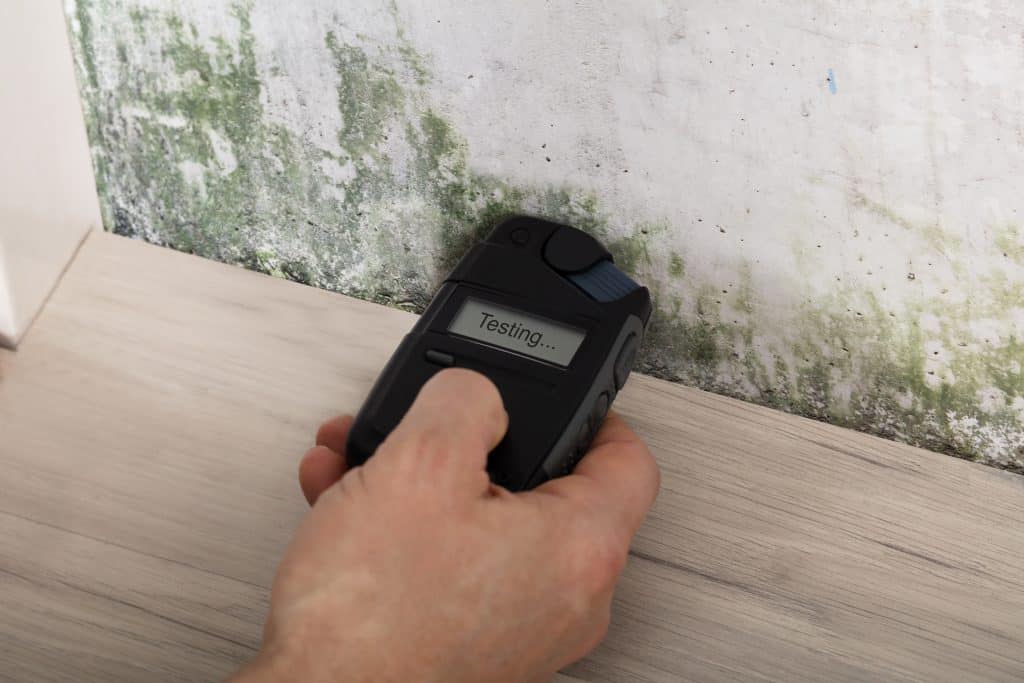
You’re dealing with more than a cosmetic problem. That musty smell in your basement isn’t going away on its own. The coughing that started a few weeks ago isn’t just allergies. And the dark patches spreading behind your bathroom wall aren’t something you can wipe down with bleach and forget about.
Mold grows fast in County Line homes, especially with our humid summers and older housing stock. It hides in places you can’t see—inside walls, under floors, in attic insulation. By the time you notice it, it’s already been feeding on moisture for weeks or months.
We don’t just clean what’s visible. We find where it’s growing, why it’s growing, and eliminate the conditions that let it thrive. That means your air gets cleaner, your family stops dealing with unexplained symptoms, and you’re not paying for the same problem twice. You get your home back—without the worry that it’s still lurking somewhere you can’t reach.
We work exclusively in Bucks County and surrounding areas like County Line. We’ve seen what happens when basements flood after heavy rain, when attics trap humidity all summer, and when old plumbing finally gives out behind a kitchen wall.
We’re not a national franchise following a script. We’re local, and we understand the specific mold problems that show up in homes around here. That means faster diagnosis, better solutions, and no wasted time treating symptoms instead of causes. You’re working with people who’ve done this hundreds of times in homes just like yours.

First, we come out and inspect your property for free. That means checking the obvious spots and the hidden ones—behind walls, in crawl spaces, around HVAC systems. We’re looking for active mold growth and the moisture source feeding it.
Once we know what we’re dealing with, we give you a clear estimate before any work starts. No surprises. If you move forward, we contain the affected area to prevent spores from spreading during removal. Then we remove contaminated materials safely, treat surfaces with EPA-approved solutions, and dry everything thoroughly.
But we don’t stop there. We identify what caused the mold in the first place—whether it’s a leak, poor ventilation, or humidity issues—and address it so you’re not calling us back in six months. After cleanup, we can handle any repairs or restoration needed to get your home back to normal. You’ll know the job is done right because we walk you through every step and show you the results.
Ready to get started?
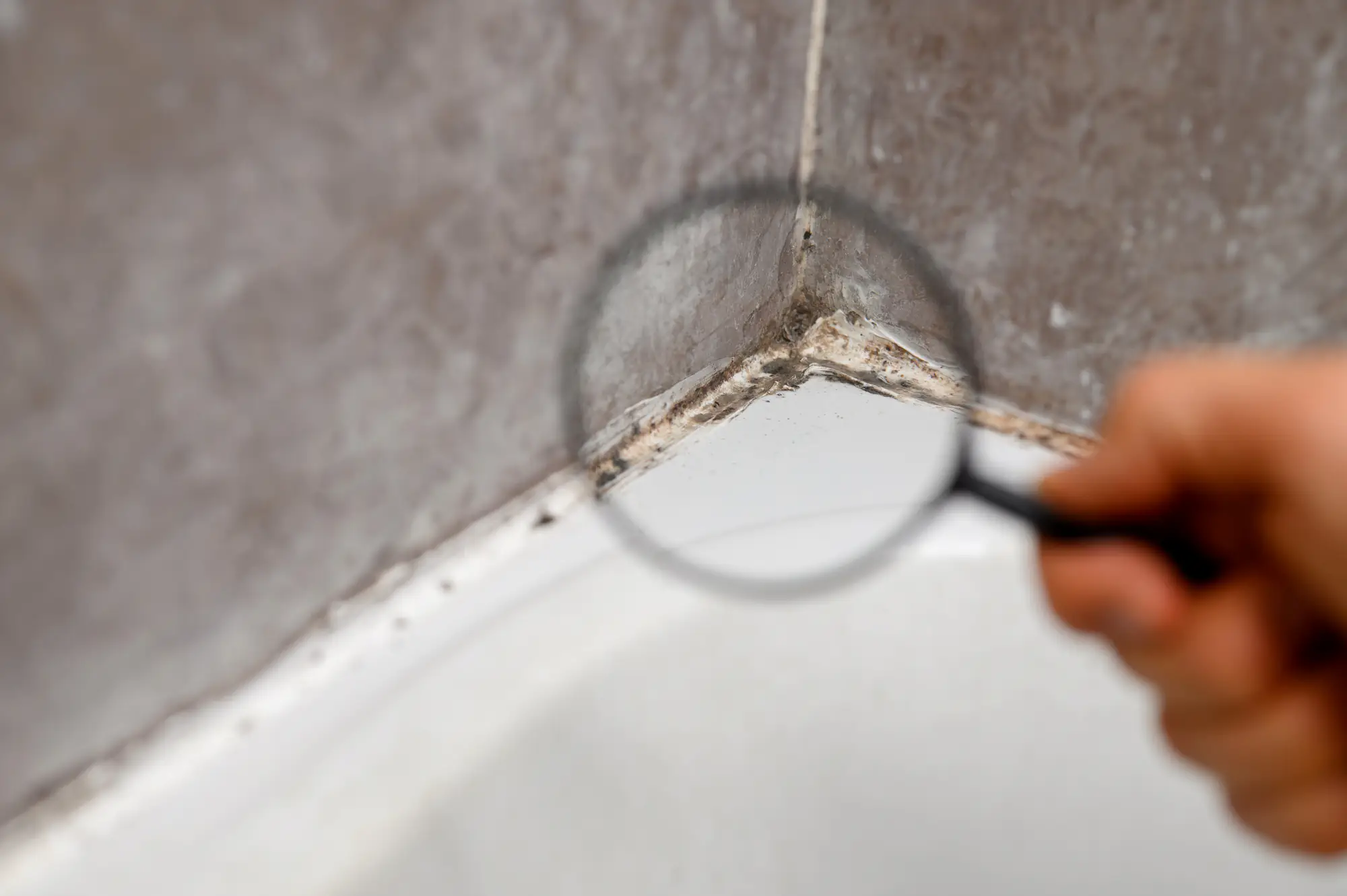
You get a thorough inspection that covers your entire property, not just the area where you spotted mold. We test to identify the type of mold present, because that determines how we treat it and whether there are health risks you need to know about right away.
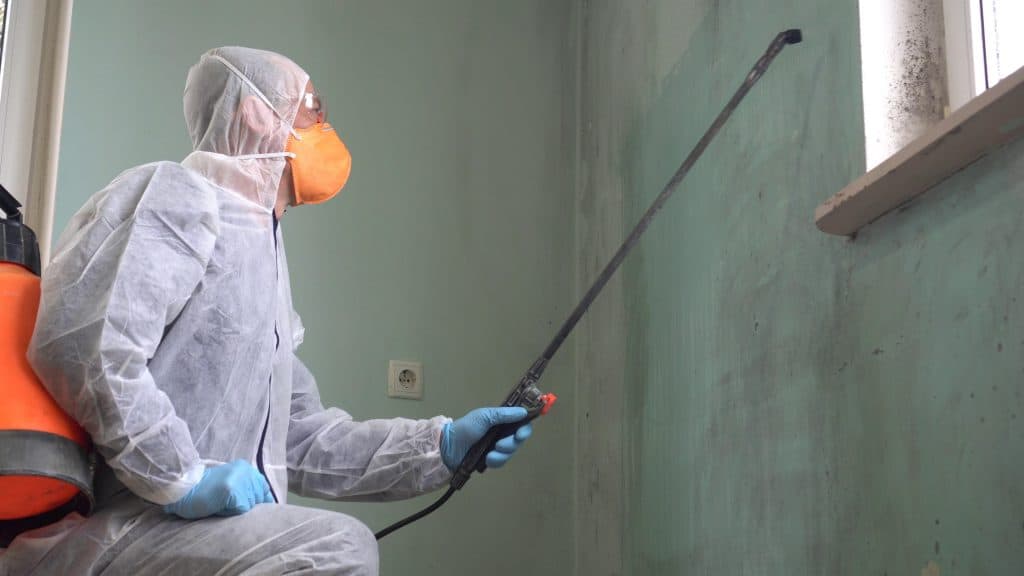
Our removal process uses containment barriers and negative air pressure to keep spores from spreading to clean areas of your home. We remove affected materials—drywall, insulation, flooring—when they can’t be salvaged, and we treat salvageable surfaces with solutions that kill mold without putting your family or pets at risk.
In County Line, we see a lot of basement mold from groundwater seepage and attic mold from poor ventilation during humid months. We’re familiar with the construction styles and common problem areas in older homes around here, so we know where to look and what solutions actually work long-term. After removal, we provide documentation for insurance claims if needed, and we offer guidance on preventing future growth—whether that’s improving ventilation, fixing leaks, or controlling indoor humidity levels.
Most mold removal projects in County Line run between $1,200 and $3,800, with the average landing around $2,400. But that’s a wide range because every situation is different.
Cost depends on how much mold you have, where it’s growing, and what caused it. A small patch of surface mold in a bathroom might cost $500 to treat. Mold behind walls or in a crawl space that requires removing drywall, treating studs, and replacing insulation will cost more—sometimes several thousand dollars if the damage is extensive.
The type of mold matters too. Black mold requires more careful handling and containment, which adds to labor costs. And if the source is something like a hidden plumbing leak or ongoing moisture intrusion, you’ll need to fix that problem as part of the job, or the mold will just come back. We give you an upfront estimate after inspecting your property so you know exactly what you’re paying for before we start any work.
Small surface mold—less than 10 square feet, on a non-porous surface like tile—you can usually handle yourself with the right cleaner and some scrubbing. But anything beyond that, you’re better off calling a professional mold removal company.
Here’s why: mold you can see is rarely the whole problem. It’s usually growing inside walls, under flooring, or in other hidden areas where moisture has been sitting for weeks. DIY sprays and bleach don’t penetrate porous materials like drywall or wood, so they kill surface mold but leave the roots alive. Within a few weeks, it grows back.
There’s also the health risk. Disturbing mold releases spores into the air, and if you’re not using proper containment and protective gear, you’re breathing them in and spreading them to other parts of your home. Professional mold removal includes containment, air filtration, safe removal of contaminated materials, and treatment of the moisture source. If you’re dealing with black mold, a large area, or mold caused by sewage or flooding, don’t try to handle it yourself.
Most residential mold removal projects take between one and five days, depending on the size and location of the problem.
A small, contained area—like mold in a bathroom or closet—might only take a day or two. We come in, set up containment, remove or treat the affected materials, dry everything out, and clean up. You’re usually back to normal pretty quickly.
Larger jobs take longer. If mold has spread through multiple rooms, into HVAC systems, or deep into structural materials, we’re looking at three to five days or more. That includes time for proper drying, because rushing that step just invites the mold to come back. If we need to remove drywall, flooring, or insulation, there’s also time needed for restoration work after the mold is gone.
We’ll give you a timeline during the inspection so you know what to expect. And if it’s an emergency—like after a flood or major leak—we can often start within 24 hours to prevent the problem from getting worse.
Mold exposure affects people differently, but the most common symptoms are respiratory. You might notice a stuffy nose, coughing, wheezing, sore throat, or itchy eyes. If someone in your home has asthma or mold allergies, their symptoms can get significantly worse—more frequent attacks, tightness in the chest, trouble breathing.
Some molds, particularly black mold, produce mycotoxins that can cause more serious reactions. Prolonged exposure has been linked to chronic sinus infections, fatigue, headaches, and skin rashes. Young children, elderly family members, and anyone with a compromised immune system are at higher risk for severe reactions.
The tricky part is that symptoms can be vague and easy to dismiss as a cold or seasonal allergies. But if multiple people in your household are experiencing unexplained respiratory issues, or if symptoms improve when you leave the house and return when you come back, mold is a likely culprit. The longer you’re exposed, the worse it can get. That’s why catching it early and removing it completely matters—not just for your property, but for your health.
It depends on what caused the mold. Most homeowners insurance policies in Pennsylvania will cover mold removal if it resulted from a sudden, accidental event—like a burst pipe, roof damage from a storm, or an appliance malfunction that caused flooding.
What insurance typically won’t cover is mold caused by long-term neglect or maintenance issues. If mold grew because of a slow leak you didn’t fix, ongoing humidity problems, or poor ventilation, your claim will likely be denied. Insurance companies expect homeowners to maintain their property and address moisture issues before they become mold problems.
The key is documentation and timing. If you discover water damage, report it to your insurance company right away and start the remediation process within 24 to 48 hours. That shows you acted quickly to prevent further damage. We can provide detailed documentation, photos, and reports to support your claim if mold removal is covered. If you’re not sure whether your situation qualifies, check your policy or call your agent before starting work. We’re happy to work with your insurance company to make the claims process as smooth as possible.
Mold needs moisture to grow, so the most important thing you can do is control humidity and fix leaks immediately. In County Line, that means paying attention to basements, crawl spaces, and attics—the areas where moisture problems are most common.
Keep indoor humidity below 50 percent. You can use a dehumidifier in damp areas like basements, especially during humid summer months. Make sure your home has proper ventilation—run exhaust fans in bathrooms and kitchens, and don’t let steam or moisture build up in enclosed spaces. If you notice condensation on windows or walls, that’s a sign your humidity is too high.
Fix leaks as soon as you find them. That includes plumbing leaks, roof leaks, and any cracks in your foundation that let water seep in during heavy rain. Check areas around sinks, toilets, and appliances regularly for signs of moisture. After we remove mold, we’ll identify what caused it and give you specific recommendations based on your home’s layout and problem areas. Following through on those recommendations is what keeps mold from coming back. If the source isn’t fixed, removal is just a temporary fix.
Other Services we provide in County Line