

Hear from Our Customers
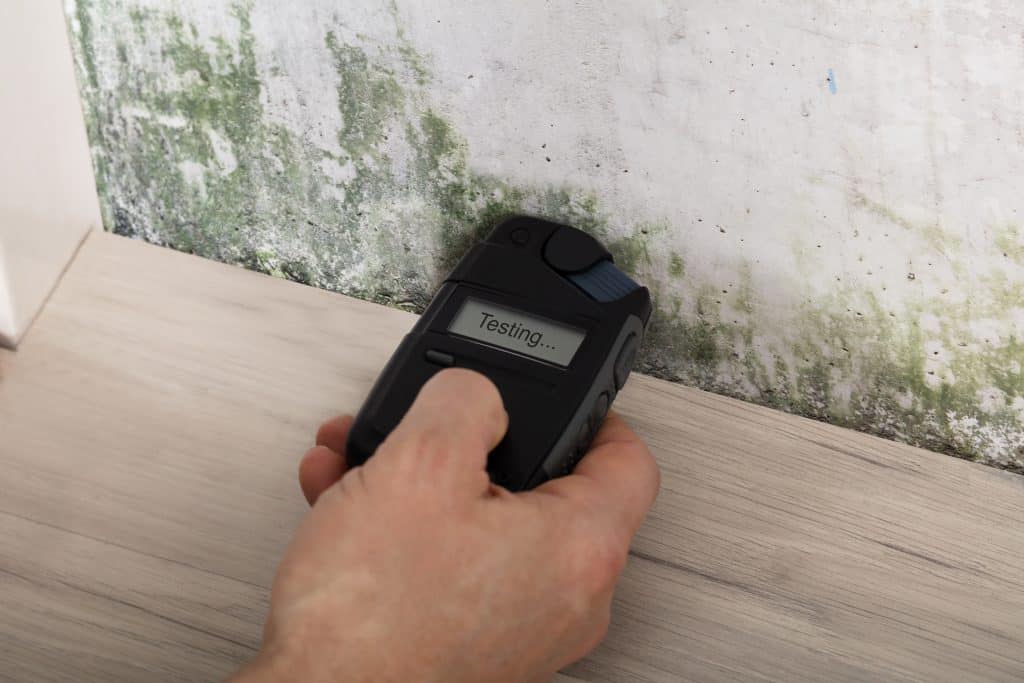
You’ve noticed the musty smell in your basement. Maybe you’re dealing with headaches that won’t quit, or your kids are coughing more than usual. You’re not imagining it—and you’re not overreacting.
Mold doesn’t just sit there. It spreads. It gets into your HVAC system, behind your walls, under your floors. And in University City’s older homes—especially the ones built near UPenn and Drexel before modern ventilation was standard—it finds plenty of places to hide.
When we remove mold, we’re not just cleaning what you can see. We’re sealing off the area so spores don’t spread during the job. We’re identifying the moisture source—whether it’s a plumbing leak, failing basement waterproofing, or Philadelphia’s brutal summer humidity sitting in your attic. And we’re fixing it so the mold doesn’t come back three months later.
You get your air quality back. Your family stops dealing with mystery symptoms. And if you’re planning to sell, you’ve got documentation that shows the problem was handled right.
We know the housing stock here. Plaster walls, brick foundations, HVAC systems that were installed decades ago. We’ve seen what happens when Philadelphia’s outdoor humidity hits 60% and your attic doesn’t have proper ventilation.
Most mold problems in University City aren’t random. They’re predictable based on how these homes were built and how the climate works against them. That’s why we don’t just show up and spray something on your walls.
We’ve worked with families in this neighborhood long enough to know what actually works. Our team uses EPA-approved methods, professional-grade containment, and equipment designed for the job—not shortcuts that leave you with the same problem six months from now.

First, we send a certified inspector to your property. They’re looking for visible mold, but also moisture levels, ventilation issues, and hidden growth in places you wouldn’t think to check. You get a full assessment—not a sales pitch.
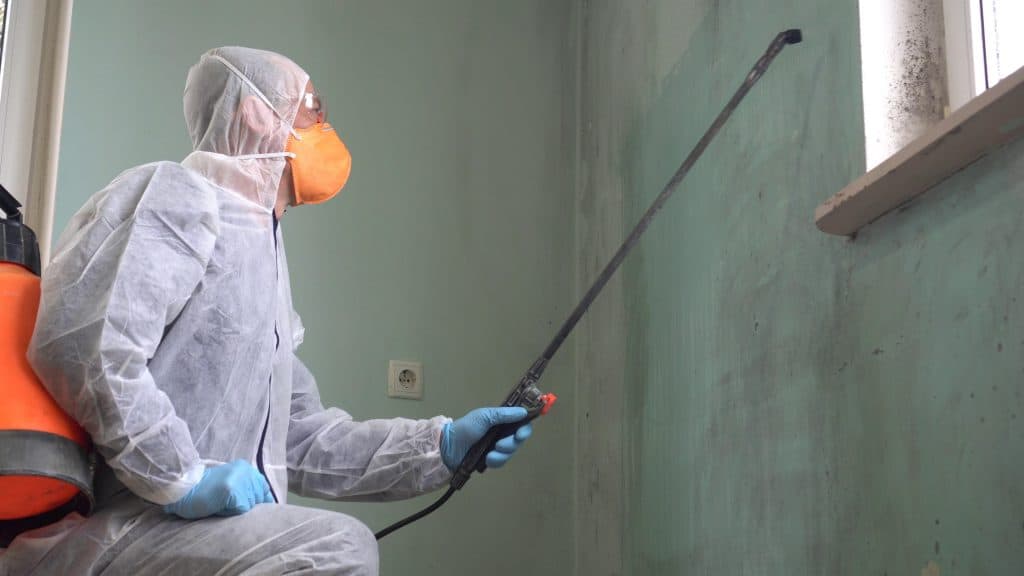
If mold’s present, we contain the area before we start removal. That means sealing it off with plastic barriers and negative air pressure so spores don’t travel to clean parts of your home while we’re working. This step matters more than most people realize.
Then we remove the contaminated materials—drywall, insulation, whatever’s affected—and treat the area with antimicrobial solutions. But here’s the part that separates a real job from a cosmetic one: we find and fix the moisture problem. Leaking pipe? We address it. Poor ventilation? We give you a plan. Basement seepage? We talk about waterproofing.
Once everything’s dry and treated, we verify the work. You’re not guessing whether it’s gone. And if you need documentation for insurance or resale, we provide that too.
Ready to get started?
You’re getting containment that prevents cross-contamination during the removal process. You’re getting certified inspectors who know the difference between surface mold and a systemic problem. And you’re getting a team that handles everything from the initial assessment to the final verification.
We work with your insurance company if the damage is covered. We offer financing if it’s not, because we know mold removal isn’t a planned expense. And we use eco-friendly products wherever possible—because your family’s health is why you called in the first place.
In University City specifically, we’re dealing with a lot of basement moisture and attic condensation. Philadelphia’s summers create the perfect environment for mold growth, especially in homes where the original waterproofing has failed or the ventilation was never updated. We see it constantly. The good news is it’s fixable—if it’s done right.
Most jobs here run between $1,300 and $3,700 depending on the extent of the damage. Whole-house remediation can go higher. But you’re not paying for mold removal alone—you’re paying to fix the reason it grew in the first place.
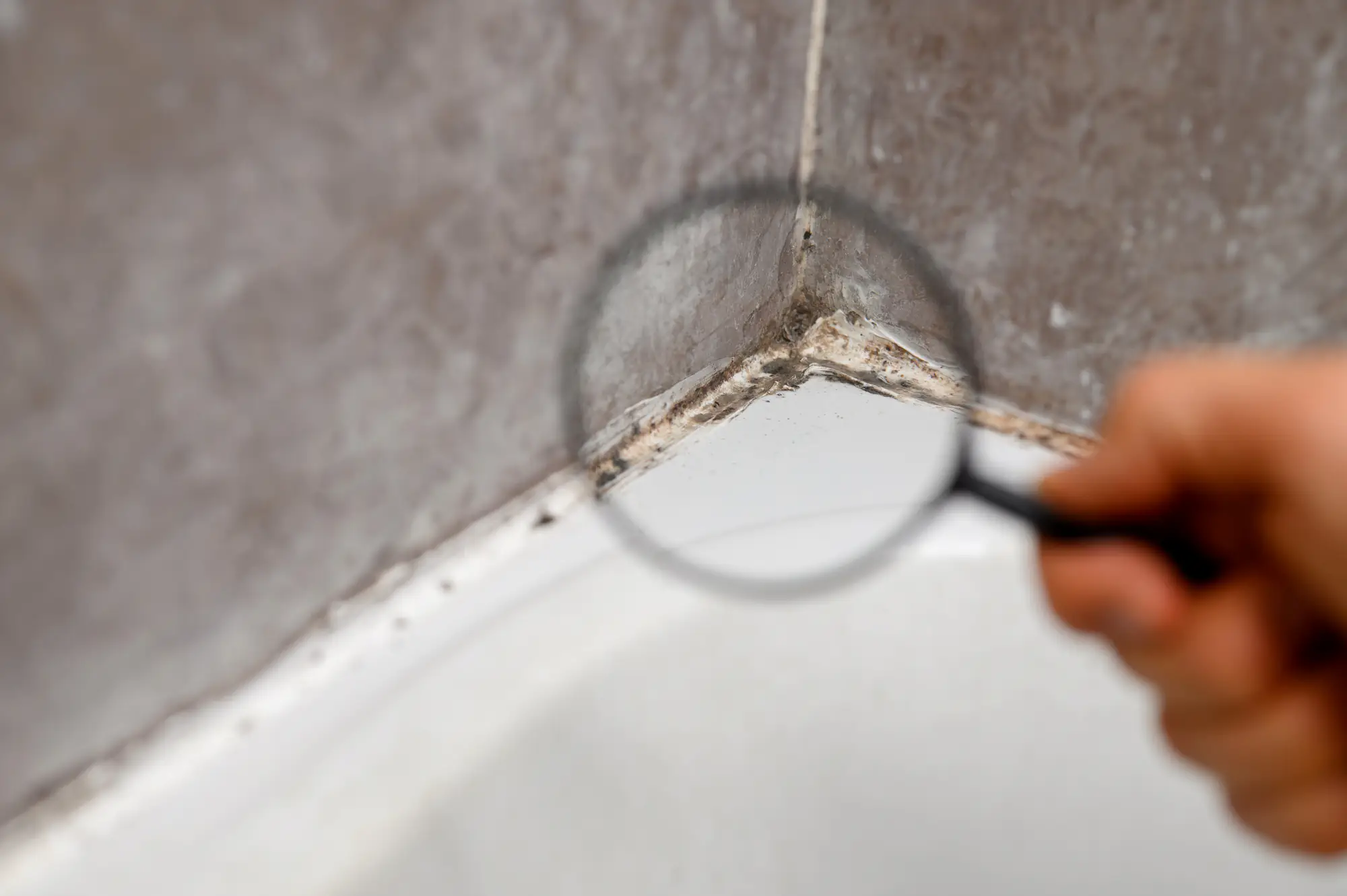
If you’re smelling something musty, seeing discoloration on walls or ceilings, or noticing health symptoms that get better when you leave the house—you’ve got mold. Normal moisture evaporates. Mold doesn’t.
In University City, the issue is that “normal moisture” can quickly become a mold problem. Philadelphia’s summer humidity often exceeds 60%, and if your home doesn’t have good airflow or your basement has any kind of seepage, that moisture isn’t going anywhere. It just sits there. And mold starts growing within 24 to 48 hours of water exposure.
A certified inspection will tell you for sure. We check moisture levels, look for hidden growth behind walls or under floors, and identify whether you’re dealing with a small cosmetic issue or something that needs full remediation. Most people wait too long because they’re not sure—but if you’re asking the question, it’s worth getting it checked.
If it’s a tiny spot on a windowsill, sure—wipe it down. But if you’re looking at mold covering more than 10 square feet, or if it’s in your HVAC system, behind drywall, or in your basement, you need professional mold removal.
Here’s why: disturbing mold releases spores into the air. Without proper containment, you’re spreading the problem to other parts of your home. And if you don’t fix the moisture source, it’s coming back. Bleach and a sponge won’t solve a plumbing leak or a ventilation issue.
We use containment barriers, HEPA filtration, and antimicrobial treatments that actually kill mold at the source. We also remove damaged materials that can’t be saved—because painting over mold doesn’t make it go away. In older University City homes, this often means dealing with plaster walls and brick foundations that hold moisture differently than modern construction. You need someone who knows how to handle that.
Most residential mold removal jobs take between one and five days depending on the size and severity. Smaller areas—like a bathroom or single basement wall—can be done in a day or two. Larger jobs involving multiple rooms or structural damage take longer.
Whether you can stay in your home depends on the extent of contamination and where it’s located. If we’re working in a contained basement and you’ve got good separation from living areas, you might be fine staying put. But if mold is in your HVAC system or spread across multiple rooms, it’s smarter to stay elsewhere while we work—especially if you have kids, elderly family members, or anyone with respiratory issues.
We seal off the work area with plastic barriers and use negative air pressure to keep spores from traveling. But mold remediation is disruptive. There’s noise, equipment, and demolition involved. We’ll give you a realistic timeline upfront so you can plan accordingly.
It depends on what caused the mold. If it’s from a sudden, accidental event—like a burst pipe or storm damage—most homeowners insurance policies will cover it. But if the mold developed because of long-term neglect, poor maintenance, or gradual moisture buildup, they’ll likely deny the claim.
Pennsylvania doesn’t have state regulations requiring mold coverage, so it varies by policy. Some insurers exclude mold entirely unless you’ve purchased additional coverage. Others cap mold remediation at $10,000 or less.
We work with insurance companies regularly and can help you navigate the claims process. We’ll document everything, provide detailed reports, and communicate directly with adjusters if needed. If your claim gets denied, we offer financing options so the work can still get done. The worst thing you can do is leave mold untreated because you’re worried about cost—it only gets more expensive the longer you wait.
Mold removal means getting rid of visible mold. Mold remediation means fixing the entire problem—removing contaminated materials, treating affected areas, and addressing the moisture source so it doesn’t come back.
You’ll hear companies use both terms, but remediation is the more accurate one. You can’t remove every single mold spore from a home—they’re everywhere in the air naturally. What you can do is bring mold levels back to normal, eliminate active growth, and create conditions where it won’t return.
That’s what we do. We don’t just clean what you can see and call it done. We remove damaged drywall, insulation, and materials that can’t be saved. We treat surfaces with antimicrobial solutions. And we identify why the mold grew in the first place—whether it’s a leaking pipe, basement moisture, or poor attic ventilation—and give you a plan to fix it. Remediation is the full solution. Removal is just part of it.
It’s a combination of aging housing stock and Philadelphia’s climate. A lot of homes in University City were built decades ago—before modern ventilation standards, before anyone thought much about moisture barriers, and with materials like plaster and brick that hold water differently than newer construction.
Add in Philadelphia’s humid summers where outdoor moisture regularly sits above 60%, and you’ve got the perfect setup. Basements that were waterproofed in the 1960s or 70s start failing. Attics without proper ventilation trap condensation. HVAC systems that haven’t been updated circulate damp air through the whole house.
We see it all the time here. It’s not that people aren’t maintaining their homes—it’s that these buildings weren’t designed to handle the kind of moisture loads they’re dealing with now. The good news is that once you understand what’s causing it, the fixes are straightforward. Better ventilation, updated waterproofing, addressing plumbing leaks before they become major problems. It’s all manageable if you catch it early.
Other Services we provide in University City