Summary:
Why Chester County Homes Are Mold Magnets
Chester County sits in a climate sweet spot for mold growth. Your home deals with Pennsylvania’s humidity levels that hover around 60-70% during peak seasons, combined with temperature fluctuations that create condensation in hidden spaces. Add older home construction—many built before modern moisture barriers and HVAC systems—and you’ve got the perfect storm.
Most Chester County homes have basements, crawl spaces, or older foundations that weren’t designed with today’s moisture control standards. When humidity gets trapped in these areas, mold spores that are naturally present everywhere find the moisture and organic materials they need to multiply rapidly.

Hidden Moisture Sources in Chester County Homes
The moisture feeding your mold problem isn’t always obvious. In Chester County’s older homes, we regularly find issues that homeowners never suspected. Foundation settling creates micro-cracks that allow groundwater seepage. Original plumbing systems develop slow leaks behind walls. Inadequate attic ventilation traps humid air that condenses on cooler surfaces.
Your HVAC system can actually make things worse if it’s not properly maintained. Ductwork in unconditioned spaces collects condensation, while dirty filters restrict airflow and create humidity pockets. Even something as simple as a bathroom exhaust fan that vents into the attic instead of outside can pump moisture into hidden areas where mold thrives undetected.
Window wells common in Chester County homes create another moisture entry point. When drainage systems fail or get clogged, water pools against foundation walls. Over time, this creates the persistent dampness that turns a small mold problem into a major remediation project. These moisture sources often work together, creating multiple problem areas throughout your home.
Health Risks That Chester County Families Face
Mold exposure isn’t just about property damage—it’s about your family’s health. Pennsylvania already has asthma rates nearly double the national average, and mold exposure makes respiratory conditions significantly worse. Children and elderly family members face the highest risk, but healthy adults aren’t immune to mold-related health problems.
You might notice symptoms that seem unrelated to mold: persistent headaches, fatigue, or that feeling like you can’t shake a cold. Skin irritation, eye irritation, and nasal congestion that gets worse when you’re home are common signs of mold exposure. For people with existing allergies or asthma, mold can trigger severe reactions that require medical attention.
The tricky part is that symptoms often develop gradually. Your family might adapt to feeling slightly under the weather, not realizing that your home’s air quality is the culprit. Professional mold remediation doesn’t just remove visible mold—it addresses the air quality issues that affect your daily health and comfort. When families tell us they’re sleeping better and breathing easier after remediation, it’s not just about eliminating the musty smell.
Want live answers?
Connect with a Mack's Mold Removal expert for fast, friendly support.
The Complete Mold Remediation Process
Professional mold remediation follows a systematic approach that addresses both visible mold and the underlying conditions that allowed it to grow. The process starts with comprehensive inspection and testing to understand the full scope of your mold problem, then moves through containment, removal, and prevention phases.
Each step is designed to protect your family’s health while ensuring the mold problem doesn’t return. This isn’t about quick fixes or surface-level cleaning—it’s about creating a long-term solution that addresses Chester County’s specific environmental challenges.

Inspection and Assessment: Finding Hidden Mold
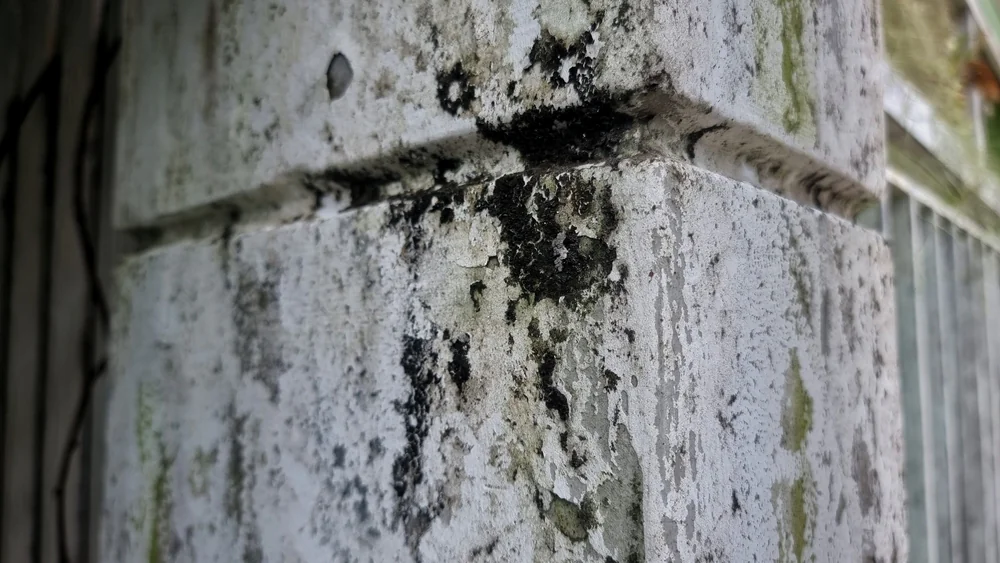
The inspection phase reveals problems you can’t see. Our mold inspection services use moisture meters, thermal imaging, and indoor air quality testing to map your home’s mold situation completely. In Chester County homes, we often find mold in wall cavities, behind finished basements, and in attic spaces where homeowners never look.
Air sampling tells us about mold spores circulating through your HVAC system, while surface testing identifies the specific types of mold present. Different mold species require different treatment approaches, so knowing exactly what you’re dealing with determines the remediation strategy. Moisture mapping shows us not just where mold is growing now, but where it’s likely to develop next.
The inspection also identifies the moisture sources feeding your mold problem. Until we stop water intrusion, humidity issues, or condensation problems, mold remediation becomes a temporary fix rather than a permanent solution. Our inspectors document everything with photos and detailed reports, which becomes crucial for insurance claims and ensuring complete remediation.
This assessment phase typically takes 2-4 hours for an average Chester County home, but it’s the foundation for everything that follows. Rushing through inspection means missing hidden problems that will cause mold to return within months of treatment.
Containment and Safe Removal Procedures
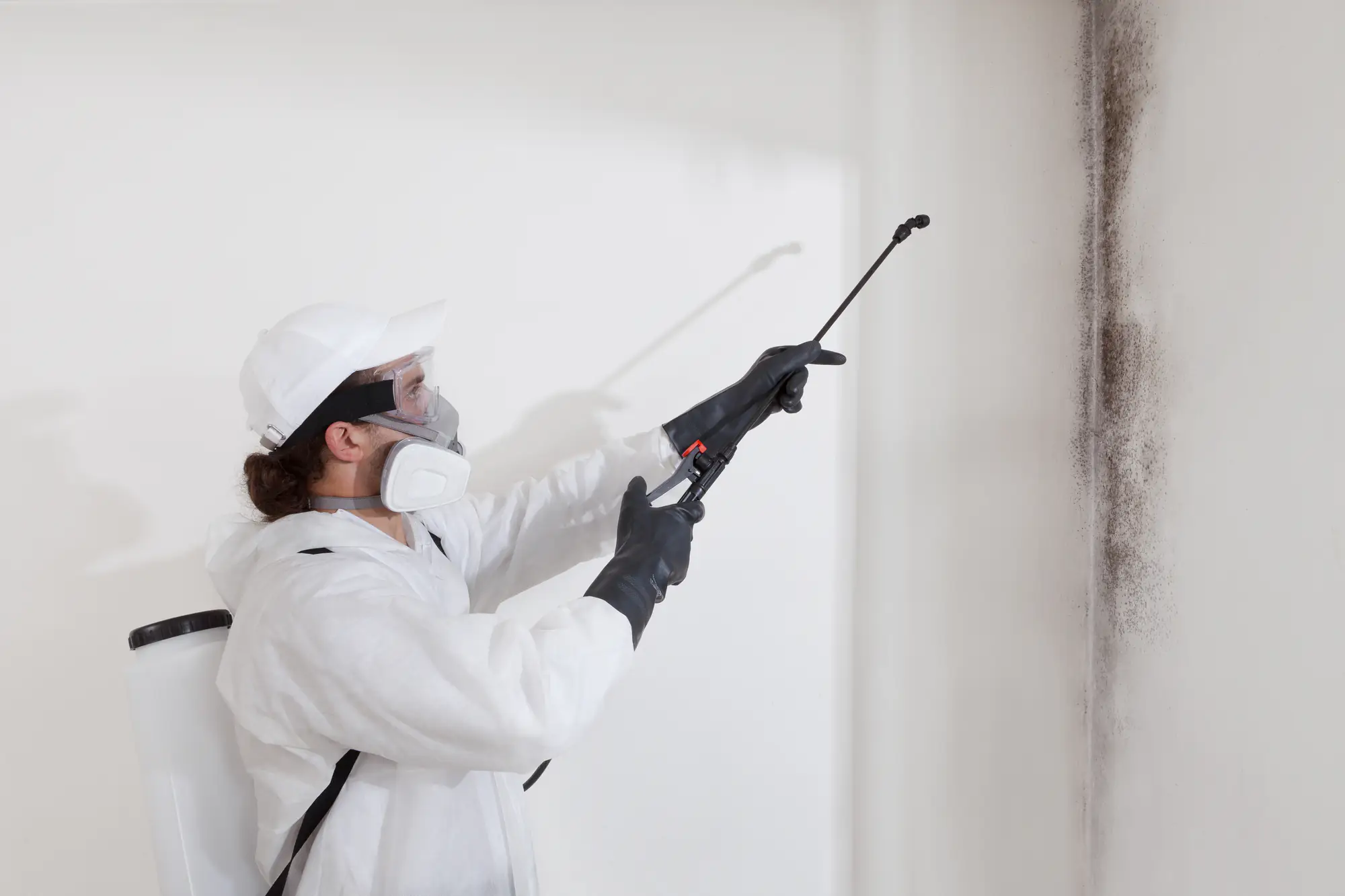
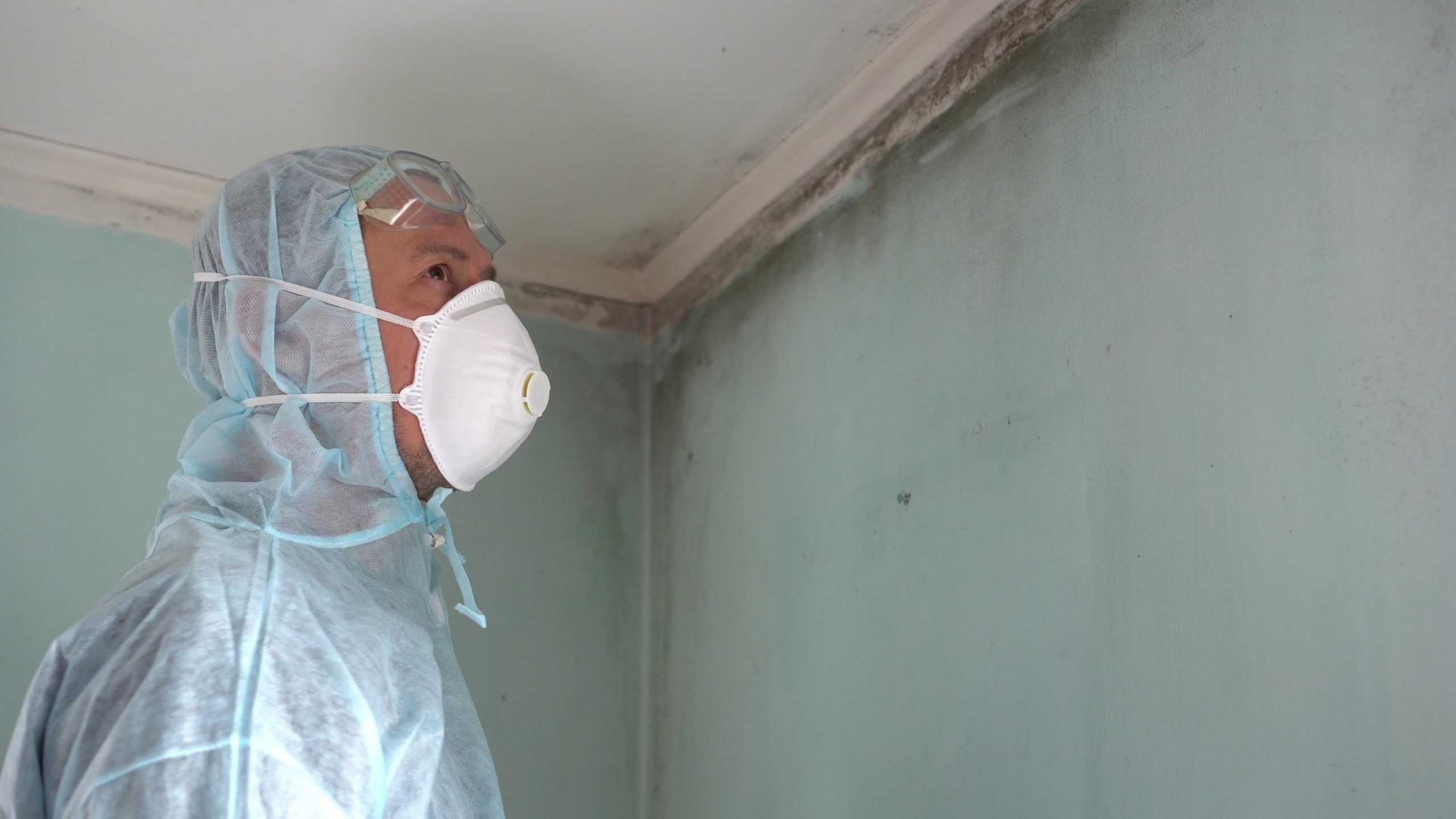
Once we understand your mold problem completely, containment prevents spores from spreading to clean areas during removal. Our mold removal experts seal off affected areas with plastic sheeting and use negative air pressure to ensure mold spores don’t migrate through your home’s ventilation system.
The removal process depends on how deeply mold has penetrated materials. Surface mold on non-porous materials like tile or metal can often be cleaned with environmentally friendly mold treatment solutions. But when mold grows into porous materials like drywall, insulation, or carpet, those materials need complete removal and replacement. HEPA filtration systems run continuously during removal to capture airborne spores.
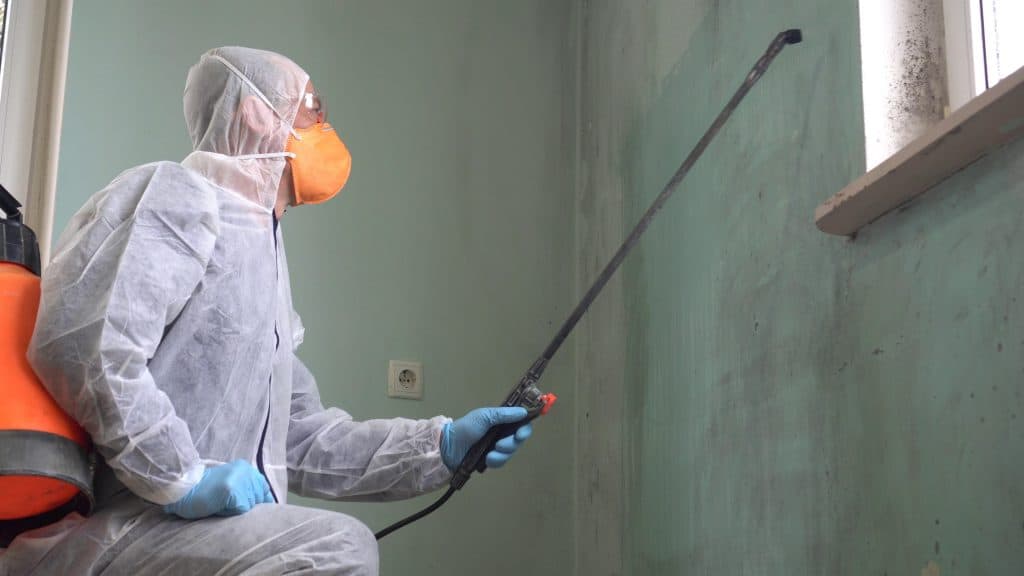
Antimicrobial treatments eliminate mold at the cellular level and prevent regrowth on treated surfaces. These aren’t the same products you can buy at hardware stores—professional-grade antimicrobials are specifically formulated for different mold species and application methods. After removal and treatment, the affected areas need complete drying before mold damage restoration can begin.
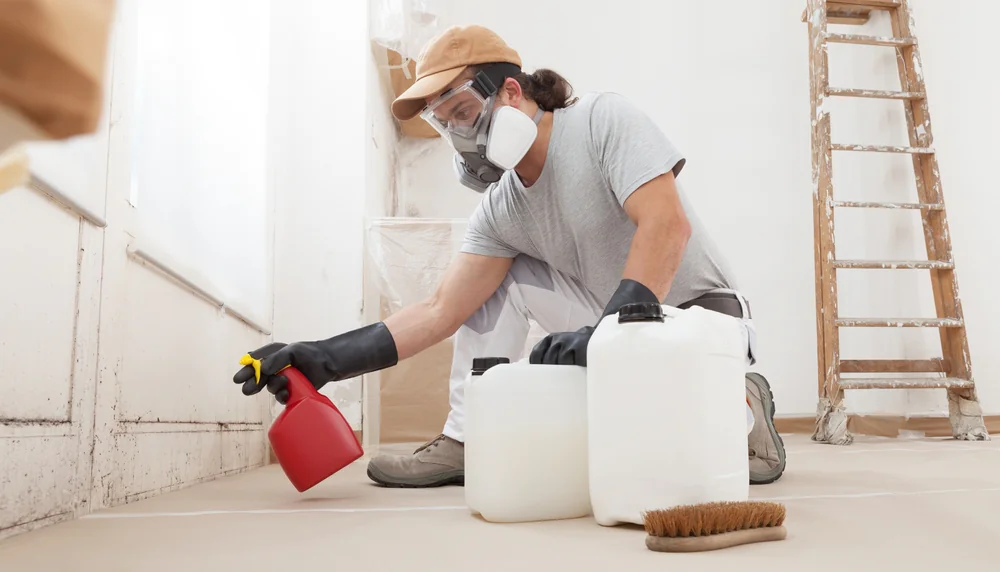
The entire removal process protects your family’s health and prevents cross-contamination. Our teams wear full protective equipment and follow strict protocols to ensure mold spores don’t spread to previously unaffected areas of your home.
Preventing Future Mold Problems in Chester County
Successful mold remediation includes mold growth prevention strategies tailored to Chester County’s climate and housing characteristics. This means addressing humidity control, improving ventilation, and eliminating moisture sources that allowed mold to develop initially. Without prevention measures, even the most thorough remediation becomes a temporary fix.
The goal isn’t just removing existing mold—it’s creating conditions where mold can’t regrow. Our remediation includes recommendations for dehumidification systems, ventilation improvements, and maintenance practices that keep your home mold-free long-term. When you choose Mack’s Mold Removal, you’re investing in both immediate mold elimination and ongoing protection for your Chester County home.