You’ve probably noticed it by now. That stuffy feeling when you walk into your house after being outside. The dry throat in the morning. Maybe someone in your family has been coughing more than usual, or the allergies that disappeared in summer suddenly came roaring back.
Winter does that. When temperatures drop in Bucks County, we seal everything tight to keep the cold out. But we’re also sealing something else in—moisture, mold spores, dust, pet dander, and a cocktail of indoor pollutants that have nowhere to go. Your home becomes a closed loop, recycling the same contaminated air while your family breathes it in, hour after hour.
Here’s what most people don’t realize until it’s too late: the air inside your home during winter can be two to five times more polluted than the air outside. And the longer you wait to address it, the worse it gets. Let’s talk about why winter wrecks your indoor air quality, and more importantly, what you can actually do about it.
Why Indoor Air Quality Gets Worse in Winter
Pennsylvania winters force a trade-off that most homeowners don’t think about. You crank up the heat and seal every crack to keep energy bills manageable. Smart move for your wallet, but your indoor air quality pays the price.
When you close up your home, you’re cutting off the natural ventilation that normally dilutes indoor pollutants. Fresh air stops coming in. Stale air stops going out. Everything you and your family produce—cooking fumes, cleaning product residue, pet dander, dust mites, volatile organic compounds from furniture and carpets—just keeps circulating through your HVAC system.
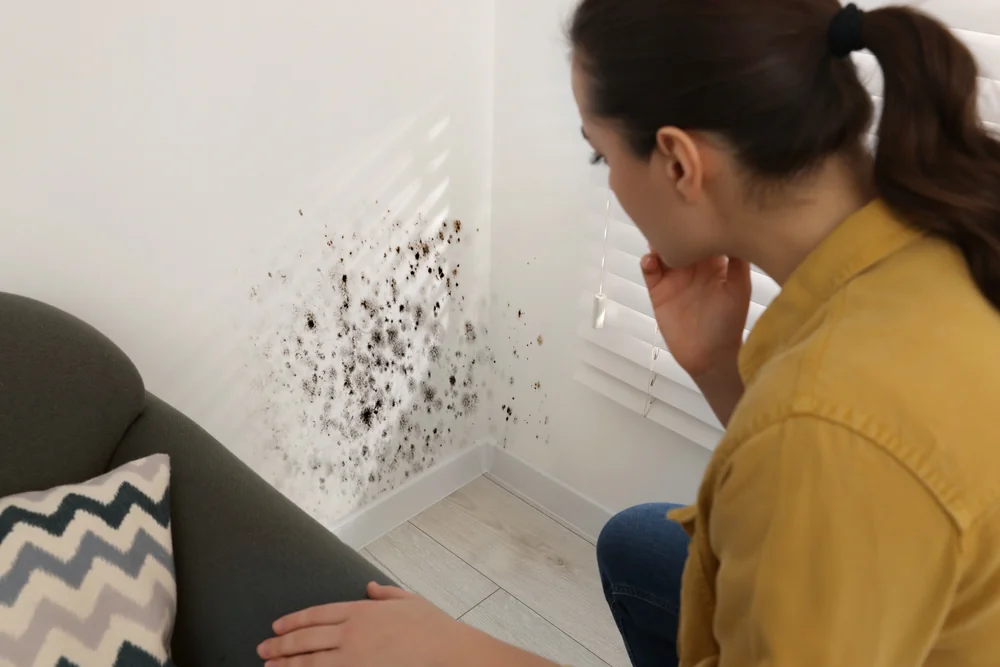
Then there’s the moisture problem. Cold outdoor temperatures meeting warm indoor air creates condensation on windows, pipes, and exterior walls. That moisture doesn’t just disappear. It seeps into drywall, insulation, and wood framing. And where there’s persistent moisture in a poorly ventilated space, mold follows. Often in places you can’t see—behind walls, under flooring, in attics and crawl spaces.
How Winter Conditions Create Perfect Mold Growth Environments
Mold doesn’t need much to thrive. Just three things: moisture, oxygen, and something organic to feed on. Your home provides all three in abundance during winter months.
The condensation that forms on your windows every morning? That’s visible evidence of a bigger problem. The same process happening on your windows is happening inside your walls where you can’t see it. Warm, humid indoor air hits the cold exterior wall surface, moisture condenses, and mold spores that are always present in the air suddenly have the wet environment they need to colonize and multiply.
Basements in Bucks County are particularly vulnerable. Many older homes in the area have foundation issues or poor drainage that allows groundwater to seep in. During winter, when the ground freezes and thaws repeatedly, that moisture intrusion gets worse. Add in a basement that’s poorly ventilated because all the windows are sealed shut, and you’ve created an ideal mold incubator.
Attics face a different but equally serious problem. Heat rises from your living space into the attic. If your attic insulation isn’t adequate or your ventilation is poor, that warm air meets the cold roof deck and creates condensation on the underside of your roof sheathing. Over time, that leads to mold growth on wood framing and insulation. Most homeowners have no idea this is happening until they see staining on their ceiling or smell that telltale musty odor.
The health implications aren’t minor. Mold releases spores into your indoor air. When you breathe those spores, they can trigger allergic reactions, asthma attacks, respiratory irritation, headaches, and fatigue. About ten percent of the population is severely allergic to mold, but even people without mold allergies can experience eye, nose, throat, and lung irritation from exposure. Children and elderly family members are especially vulnerable.
Here’s what makes winter mold particularly insidious: the symptoms often mimic common winter ailments. You might think your kid has a cold that won’t quit, or that your persistent cough is just seasonal. Meanwhile, the real culprit is mold contamination in your indoor air, and it’s getting worse every day that moisture problem goes unaddressed.
Controlling moisture is the single most effective way to prevent mold growth. That means fixing leaks immediately, managing indoor humidity levels, ensuring proper ventilation in moisture-prone areas like bathrooms and kitchens, and addressing any water intrusion issues in your basement or crawl space. If you’re seeing condensation, smelling musty odors, or noticing unexplained health symptoms that improve when you leave the house, you likely have a mold problem that needs professional attention.
The Hidden Cost of Poor Ventilation in Sealed Homes
Most Pennsylvania homes weren’t designed with winter air quality in mind. They were designed to keep heat in and cold out. That’s why your forced-air heating system probably doesn’t bring any outdoor air into your home mechanically. It just recirculates the same indoor air, heating it up and pushing it through your ductwork on repeat.
Every time someone cooks dinner, takes a hot shower, runs the dishwasher, or does laundry, moisture and pollutants get added to your indoor air. In summer, you might open windows or run exhaust fans to clear things out. In winter, most people don’t bother because it feels wasteful to heat outdoor air. So those pollutants accumulate.
Carbon dioxide is one of the most underestimated indoor air quality problems. Every person in your home exhales CO2 with every breath. In a well-ventilated space, that’s not an issue. But in a tightly sealed home with multiple occupants, CO2 levels can climb to concentrations that impair cognitive function. Studies have shown that elevated indoor CO2 levels cause headaches, drowsiness, difficulty concentrating, and reduced decision-making ability. If you’ve ever felt foggy or sluggish after spending all day inside during winter, poor ventilation and high CO2 levels might be why.
Then there are volatile organic compounds, or VOCs. These are gases released by paints, furniture, carpets, cleaning products, air fresheners, and dozens of other household items. VOCs include chemicals like formaldehyde, benzene, and toluene—all of which can cause respiratory irritation, headaches, nausea, and long-term health problems with repeated exposure. Winter makes VOC exposure worse because we’re not ventilating our homes and because we tend to use more scented candles, cleaning products, and other VOC sources to combat that stale indoor air feeling.
The solution isn’t to throw your windows open and watch your heating bill skyrocket. It’s about strategic ventilation. Even opening a window for ten minutes a day can make a measurable difference in indoor air quality. Running exhaust fans in your kitchen and bathrooms when cooking or showering removes moisture and pollutants at the source before they spread through your home. If you have a newer HVAC system, it might have a fresh air intake option that brings in filtered outdoor air without killing your energy efficiency.
For homes with persistent ventilation issues, a heat recovery ventilator can be a game-changer. These systems bring fresh outdoor air into your home while transferring heat from the outgoing stale air to the incoming fresh air, so you’re not wasting energy. They’re particularly useful in tightly sealed, energy-efficient homes where natural air exchange is minimal.
The bottom line: your home needs to breathe, even in winter. If it doesn’t, you’re living in a closed environment where every pollutant, allergen, and contaminant just keeps building up. And your family’s health suffers as a result.
Five Practical Ways to Improve Indoor Air Quality This Winter
You don’t need to overhaul your entire house to breathe cleaner air this winter. Most improvements are straightforward, affordable, and make an immediate difference. Here’s what actually works, based on what we see in Bucks County homes every season.
Start with the low-hanging fruit: regular cleaning. Dust, pet dander, and other particulate matter settle on surfaces throughout your home. When your heating system kicks on, those particles get stirred up and circulated through the air. Frequent vacuuming with a HEPA filter vacuum, dusting with a damp cloth instead of a dry one, and mopping hard floors weekly can dramatically reduce airborne allergens. Pay special attention to areas where dust accumulates—baseboards, ceiling fan blades, return air vents, and behind furniture.
HVAC maintenance is the second non-negotiable. Your heating system is running almost constantly during winter, and if your air filter is clogged with dust and debris, it’s not filtering anything. Worse, it’s restricting airflow and making your system work harder, which drives up energy costs. Check your filter monthly during winter and replace it when it’s dirty. If you’re using the cheapest fiberglass filters, consider upgrading to a higher MERV-rated filter that captures smaller particles. Just make sure your system can handle the increased resistance—check with an HVAC professional if you’re unsure.
Control Humidity Levels to Prevent Mold and Improve Comfort
Humidity is tricky in winter. Heating your home dries out the air, which can cause respiratory irritation, dry skin, and static electricity. So many people run humidifiers to add moisture back. But if you’re not monitoring humidity levels, you can easily overshoot and create conditions that promote mold growth.
The sweet spot for indoor humidity is between thirty and fifty percent. Below thirty percent, the air feels uncomfortably dry. Above fifty percent, you’re creating an environment where mold, dust mites, and bacteria thrive. You can pick up an inexpensive hygrometer to monitor humidity levels in your home. If levels are consistently above fifty percent, you need to reduce moisture sources or run a dehumidifier.
Common moisture sources in winter include cooking, showering, running a dishwasher, drying clothes indoors, and even just breathing. A family of four can add several gallons of moisture to indoor air every day through normal activities. If that moisture has nowhere to go because your home is sealed tight, humidity climbs.
Bathrooms are a major contributor. Running an exhaust fan during showers and for at least twenty minutes afterward removes moisture before it can condense on walls and ceilings. If you don’t have an exhaust fan or it’s not working properly, that’s a problem worth fixing. The same goes for your kitchen—use a range hood when cooking, especially when boiling water or frying foods.
If you’re using a portable humidifier, clean it regularly according to the manufacturer’s instructions. Dirty humidifiers become breeding grounds for bacteria and mold, which then get dispersed into your indoor air. That defeats the entire purpose and can actually make your air quality worse.
Dehumidifiers are essential in basements and other damp areas. Basements in Bucks County often have higher humidity due to groundwater intrusion, poor ventilation, and cooler temperatures. A dehumidifier pulls excess moisture out of the air and prevents mold from establishing itself. Empty the collection tank regularly or set up a continuous drain if your unit supports it.
Condensation on windows is a red flag. If you’re seeing water droplets or frost on your windows every morning, your indoor humidity is too high, your windows are poorly insulated, or both. Wipe down the condensation daily to prevent mold growth on window frames and sills, but also address the root cause. Improving window insulation with weatherstripping or upgrading to double-pane windows can help. So can reducing indoor moisture sources and improving ventilation.
Managing humidity isn’t just about mold prevention. Proper humidity levels make your home feel more comfortable at lower temperatures, which means you can turn down the thermostat without sacrificing comfort. That saves energy and money while improving your indoor air quality.
Upgrade Your Air Filtration and Consider Professional Air Quality Testing
Standard HVAC filters catch large particles like dust and pet hair, but they miss the smaller stuff that affects your health—mold spores, pollen, bacteria, and fine particulate matter. If anyone in your home has allergies, asthma, or respiratory sensitivities, upgrading your filtration system can make a significant difference.
HEPA filters are the gold standard. They capture ninety-nine point nine-seven percent of particles as small as point three microns, including most allergens and mold spores. Portable air purifiers with HEPA filters work well in bedrooms and other frequently occupied spaces. Whole-home air purifiers integrate with your HVAC system to filter air throughout your entire house. They’re more expensive upfront but provide comprehensive coverage.
When shopping for air purifiers, avoid units that produce ozone or use ionization. These technologies can create indoor air quality problems of their own. Stick with mechanical filtration—HEPA filters and activated carbon filters that remove odors and VOCs.
Don’t overlook your ductwork. If your ducts are dirty, moldy, or leaking, your HVAC system is distributing contaminated air and wasting energy. Professional duct cleaning isn’t necessary for most homes, but if you’ve had water damage, visible mold growth, or excessive dust accumulation around vents, it’s worth having your ducts inspected and cleaned by a qualified professional.
Air quality testing gives you objective data about what’s actually in your indoor air. DIY test kits are available, but professional testing provides more comprehensive and reliable results. A professional air quality assessment typically includes testing for mold spores, VOCs, carbon monoxide, carbon dioxide, humidity levels, and particulate matter. The cost in Bucks County generally ranges from two hundred to eight hundred dollars depending on the scope of testing.
Testing is especially valuable if you’re experiencing unexplained health symptoms, if you smell musty odors but can’t locate the source, or if you’ve had water damage or flooding in the past. The results tell you exactly what pollutants are present and at what concentrations, which allows you to target your remediation efforts effectively instead of guessing.
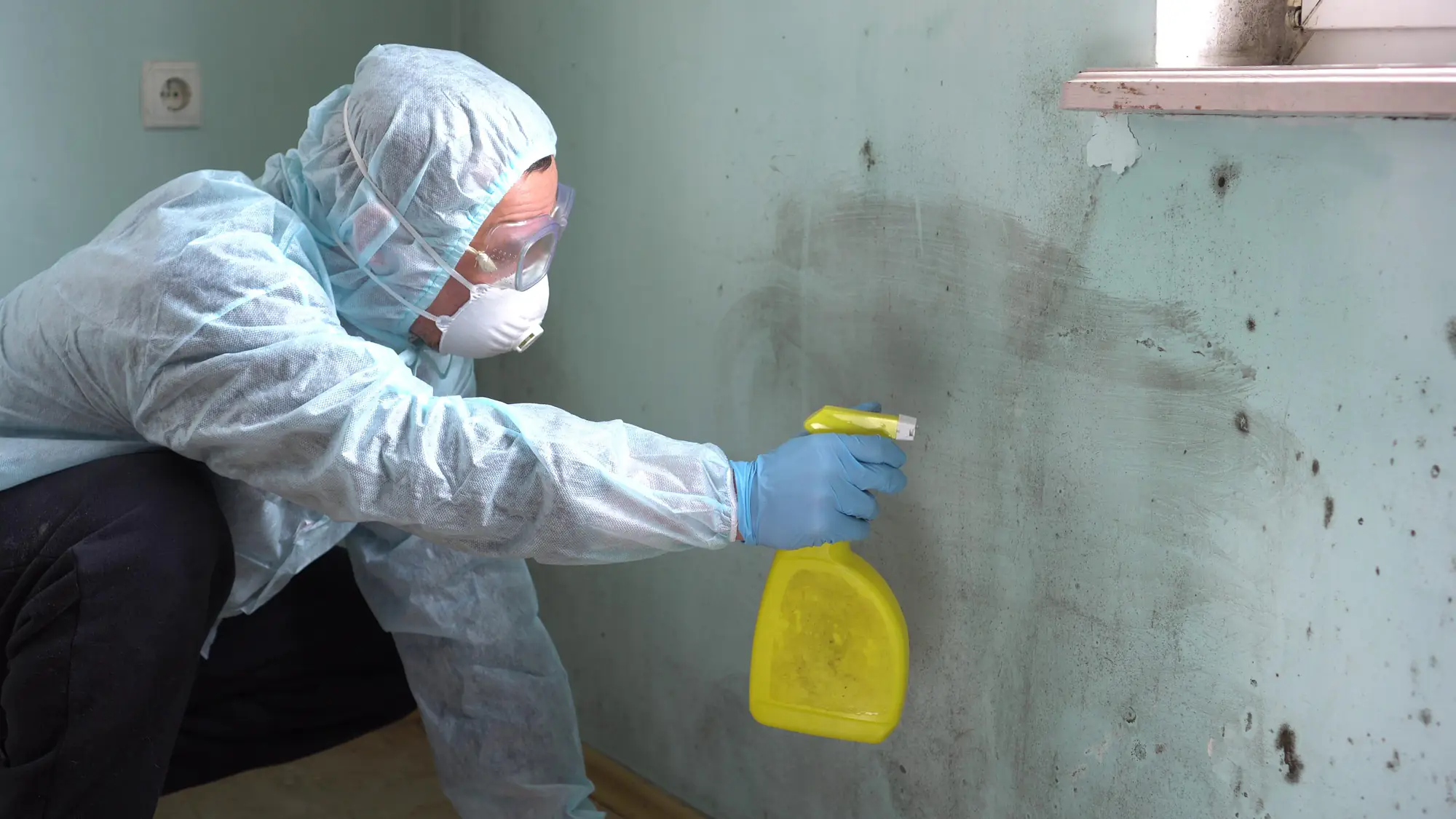
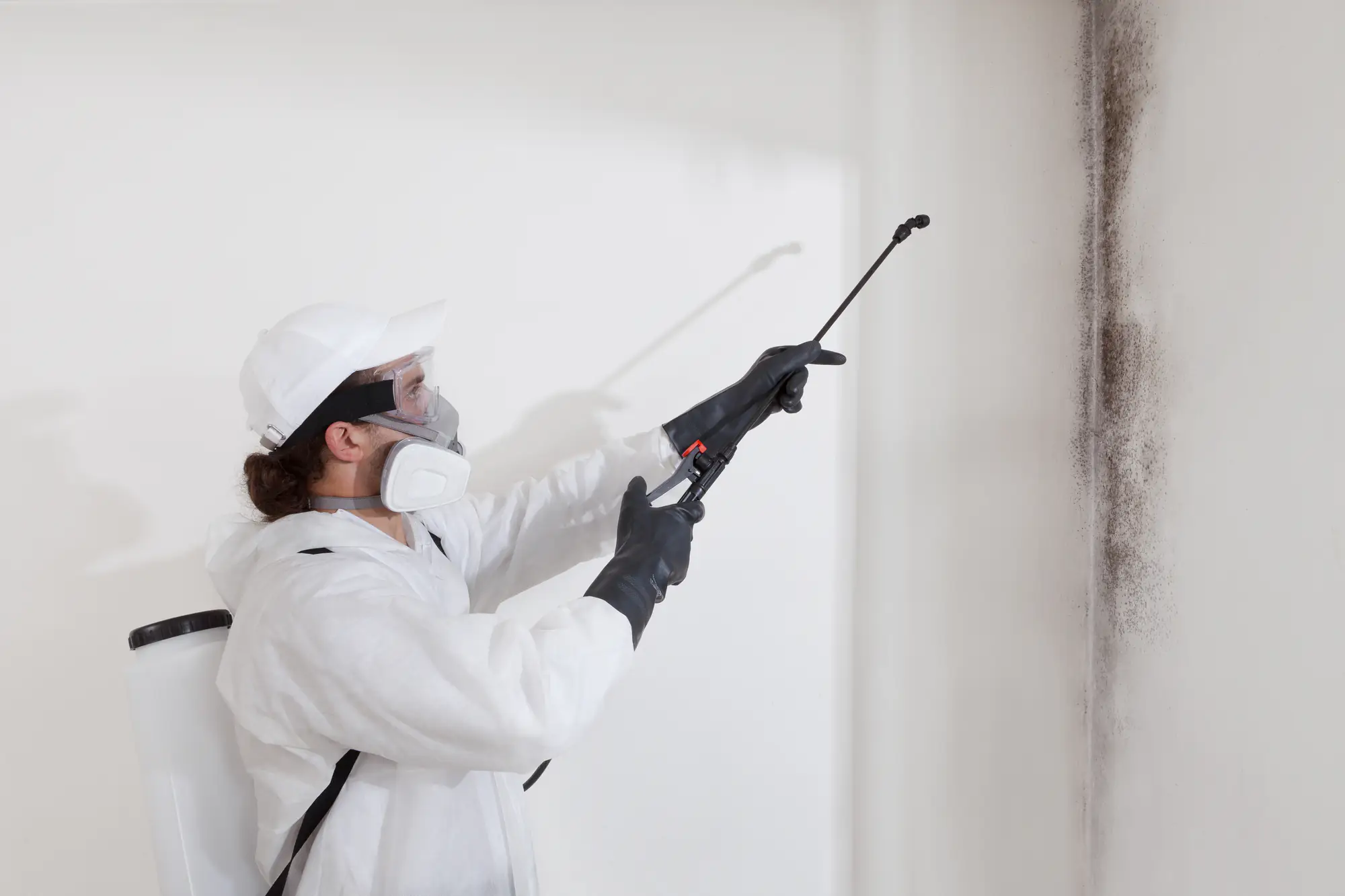
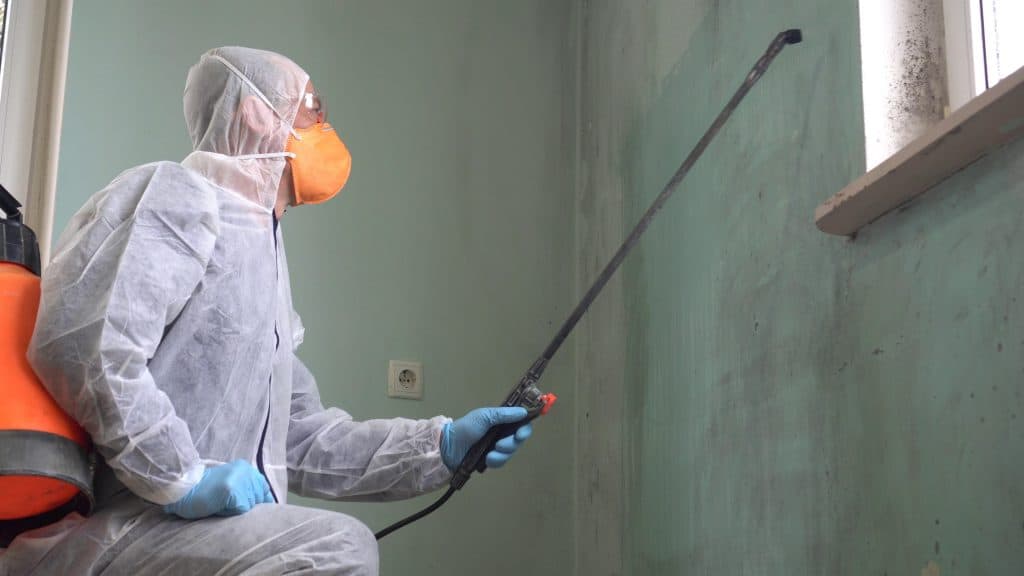
If testing reveals mold contamination, don’t try to handle it yourself if the affected area is larger than a few square feet. Professional mold remediation ensures the mold is removed safely, the underlying moisture problem is addressed, and the contamination doesn’t spread to other areas of your home during cleanup. DIY mold removal often makes the problem worse by disturbing mold colonies and releasing massive amounts of spores into your indoor air without proper containment.
We use containment barriers, negative air machines with HEPA filtration, antimicrobial treatments, and moisture control strategies to eliminate mold and prevent recurrence. Our team complies with Pennsylvania regulations, uses EPA-approved methods, and provides clear documentation of the work performed. We offer free inspections, upfront pricing, and guarantees on our work.
Take Control of Your Indoor Air Quality Before Problems Escalate
Winter doesn’t have to mean choosing between staying warm and breathing clean air. The strategies outlined here—regular cleaning, HVAC maintenance, humidity control, improved ventilation, and upgraded filtration—work together to create a healthier indoor environment for your family.
Most of these improvements are straightforward and affordable. Some, like opening windows for a few minutes daily or vacuuming more frequently, cost nothing. Others, like upgrading to HEPA filtration or installing a dehumidifier, require modest upfront investment but pay dividends in improved health and comfort throughout the winter months.
If you’re dealing with persistent musty odors, visible mold growth, unexplained health symptoms, or condensation problems, don’t wait for the problem to resolve itself. Mold and indoor air quality issues get worse over time, not better. Professional assessment can identify problems you can’t see and provide solutions that actually work.
We serve Bucks County homeowners with comprehensive mold inspection, testing, and remediation services. Our team uses EPA-approved methods, complies with Pennsylvania regulations, and addresses the root causes of mold and moisture problems to prevent recurrence. If you’re concerned about mold or indoor air quality in your home this winter, reach out for a free inspection and get the answers you need to protect your family’s health.