
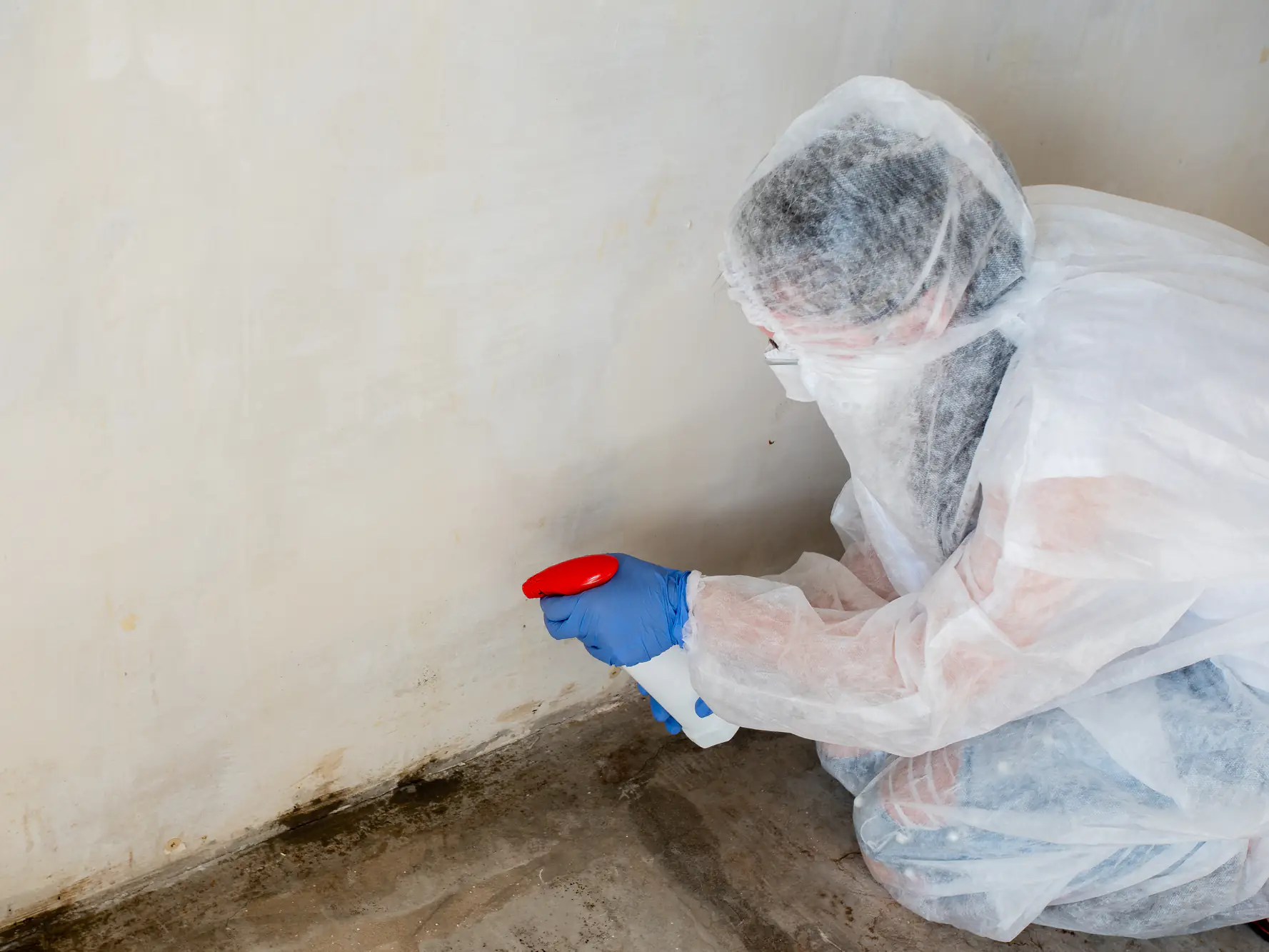
Hear from Our Customers
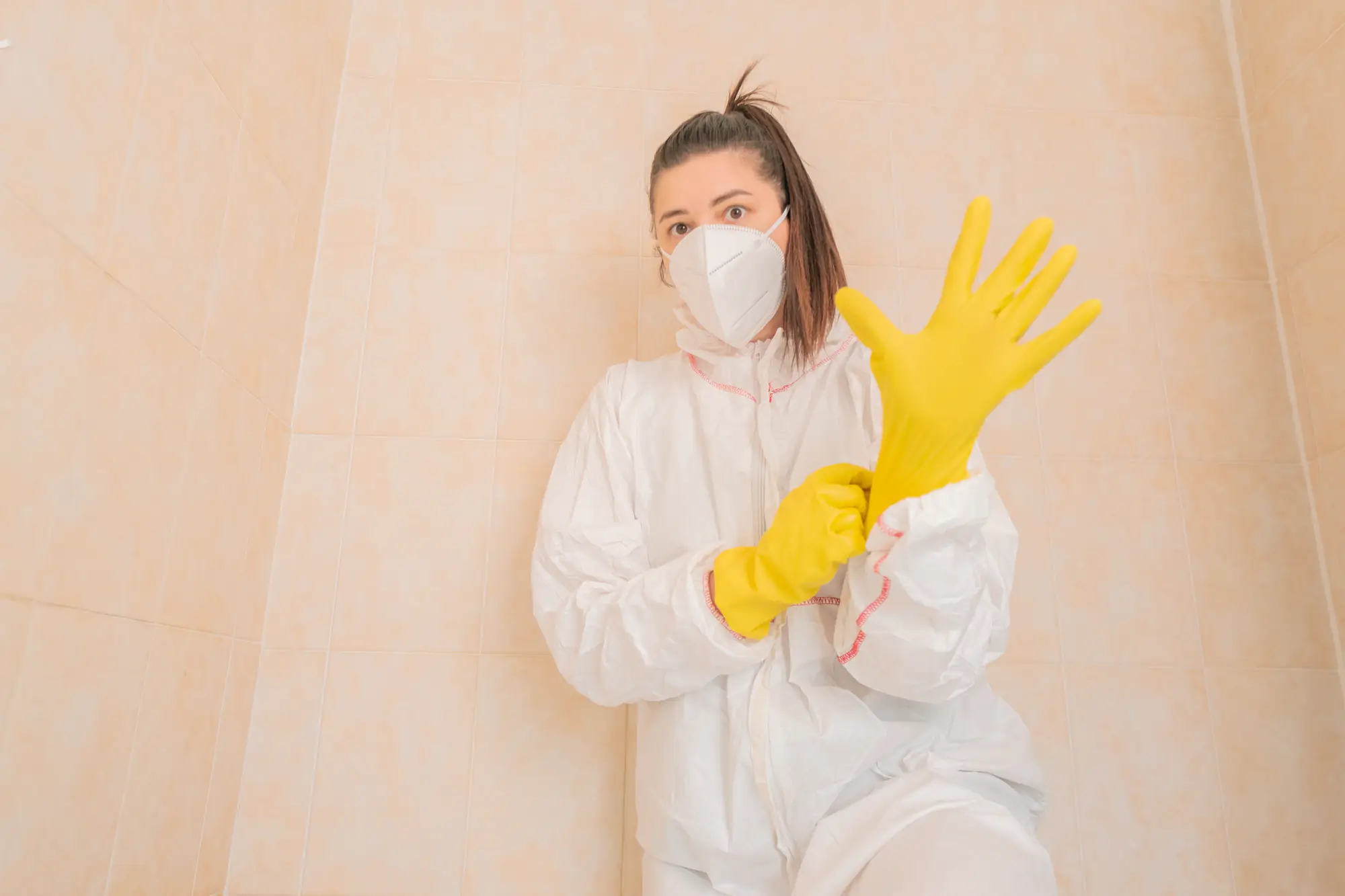
You stop wondering if that smell is dangerous. Your kids aren’t coughing at night anymore. The air feels different—cleaner, lighter.
Your home value doesn’t tank when an inspector shows up. You’re not scrambling to explain old water damage to a buyer or watching them walk away. The problem is documented, handled, and verifiable.
You’re not dealing with the same issue six months later because someone missed the real cause. No more bleach and prayer. The moisture source gets identified. The contaminated materials get removed properly. And you get a space that’s actually safe to live in—not just one that looks clean on the surface.
We work throughout Lahaska Station and the surrounding Bucks County area. We’re IICRC-certified, which means our team follows national standards for inspection, containment, removal, and verification—not just whatever seems right at the time.
We know how Pennsylvania summers create the exact conditions mold loves. High humidity, poor attic ventilation, and older homes with hidden moisture problems. We’ve seen what happens when homeowners try to handle it themselves or hire someone who treats the symptoms instead of the cause.
Our work is thorough because it has to be. You’re not just paying for mold removal—you’re paying for the peace of mind that comes from knowing it was done right.
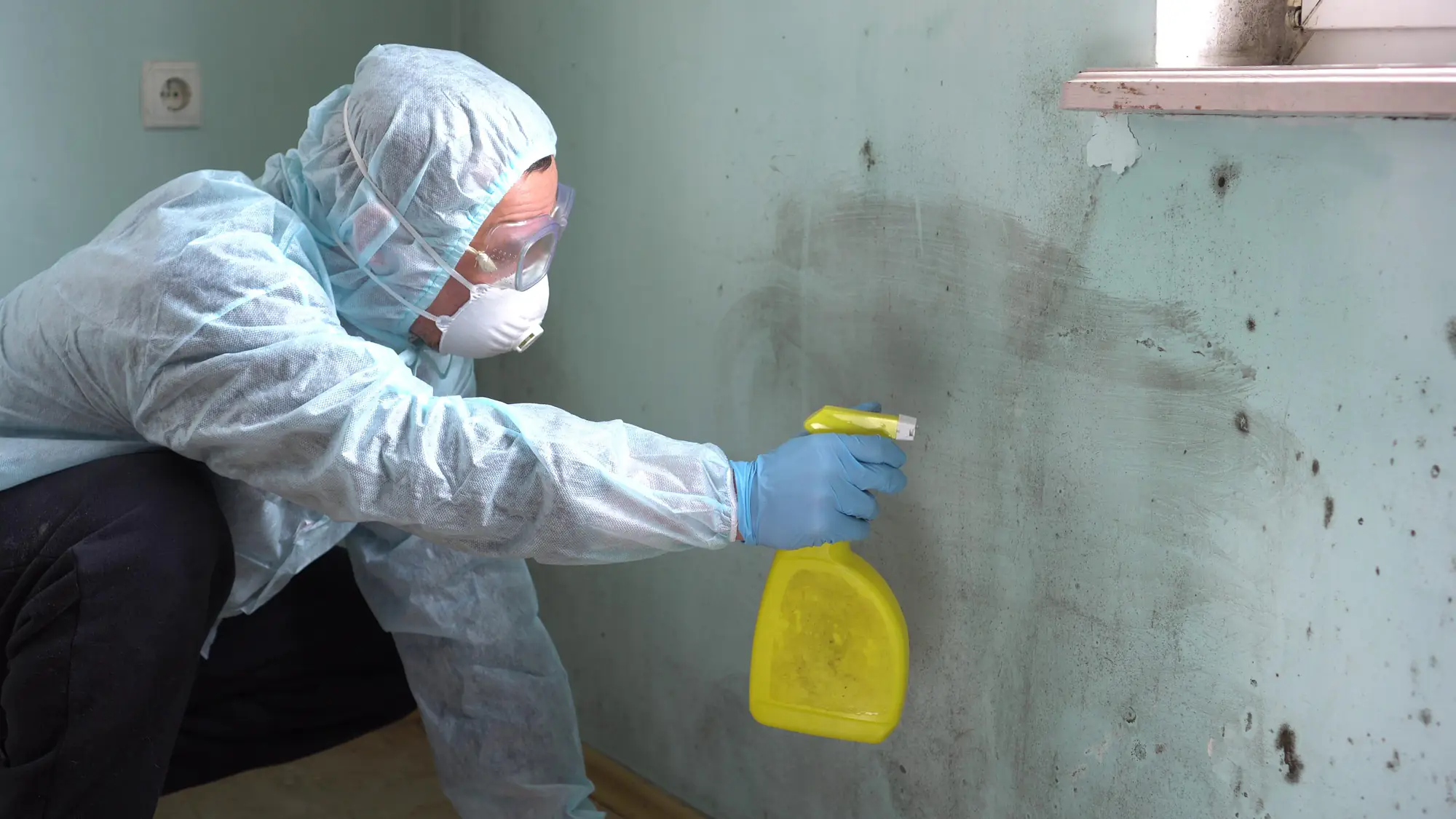
First, we inspect. Not just the visible mold—the whole situation. We use moisture meters and infrared cameras to find where water is getting in and where mold might be hiding. You can’t fix what you can’t see.
Then we contain the area. Mold spreads through spores, and if you don’t control airflow during removal, you’re just moving the problem around your house. We seal off the work zone and use negative air pressure to keep spores from traveling.
Next comes removal. Depending on what’s contaminated, that might mean cleaning surfaces or removing drywall, insulation, or other materials that can’t be saved. We don’t guess—we follow protocols based on the extent of growth and the type of material affected.
Finally, we verify. Air sampling and surface testing confirm the mold is gone and levels are back to normal. You get documentation you can show an inspector, insurance company, or future buyer. The job isn’t done until the numbers prove it.
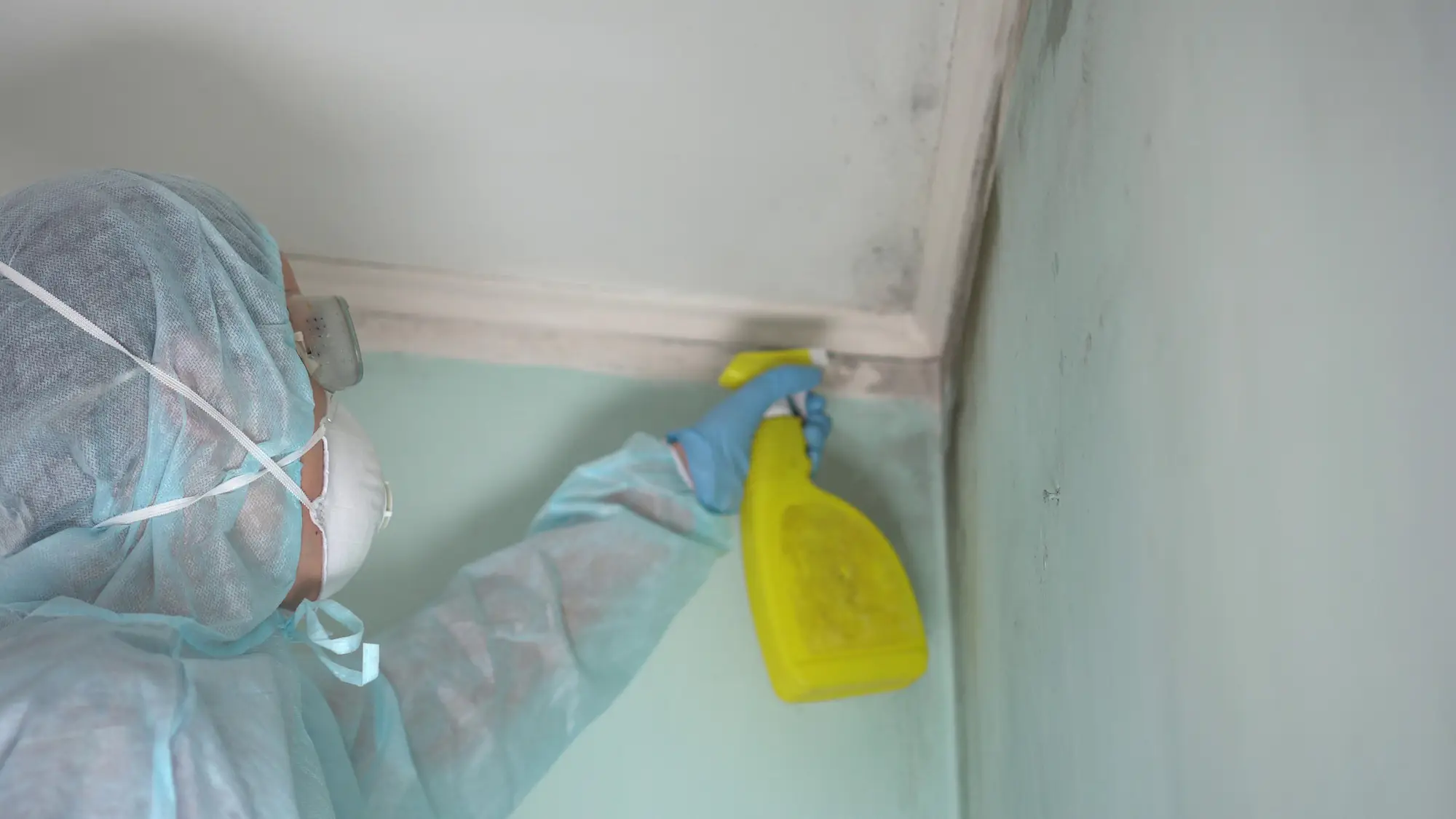
Ready to get started?
You get a full assessment—not just a quick look. We identify the moisture source, map the affected areas, and explain what needs to happen before any work starts. No surprises.
The removal process includes containment setup, HEPA filtration, safe removal of contaminated materials, antimicrobial treatment, and proper disposal. If your basement flooded or your attic has been growing mold all summer because of poor ventilation, we handle it the same way: methodically and completely.
In Bucks County, we see a lot of mold tied to Pennsylvania’s weather patterns—heavy summer humidity, spring flooding, and temperature swings that cause condensation in attics and crawl spaces. Nearly half of Pennsylvania homes deal with some level of dampness or mold. That’s not a scare tactic. It’s geography and climate. We help you address it before it becomes a bigger issue.
You also get help navigating insurance if your policy covers it. We document everything and communicate directly with your provider when needed. And if the source was a leaking pipe or recent water damage, there’s a better chance your claim gets approved.

Most projects in Pennsylvania fall between $373 and $7,000, with the average around $2,365. But that range exists for a reason—every situation is different.
A small patch of surface mold in a bathroom might cost a few hundred dollars. A flooded basement with contaminated drywall, insulation, and framing can run several thousand. The size of the affected area, the type of materials involved, and how long the moisture problem has been going on all affect the final number.
We give you a clear estimate after the inspection. No inflated quotes to create room for negotiation, and no lowball numbers that turn into change orders later. You’ll know what the job costs and why before we start.
It depends on what caused the mold. If a covered event—like a burst pipe or sudden leak—led to the moisture problem, many policies will cover at least part of the remediation cost. If the mold developed because of long-term neglect or lack of maintenance, probably not.
Most standard policies don’t automatically include mold coverage, and even when they do, there are limits. Some cap mold claims at $10,000 or less. You need to read your policy or talk to your agent to know where you stand.
We help by documenting everything. Our reports show what caused the problem, how extensive the damage is, and what work is necessary. That documentation supports your claim and gives your insurance company the details they need to make a decision. We’ll also communicate directly with your adjuster if that makes the process easier.
Mold starts growing within 24 to 48 hours after materials get wet. If you just had a leak, a flood, or discovered active water damage, time matters.
We prioritize emergency calls and can typically get someone to your property within a day—sometimes sooner depending on the situation and our schedule. The goal is to assess the damage, stop the moisture source if it’s still active, and start containment before the problem spreads.
Even if the mold has been there a while, it’s still worth moving quickly. The longer it grows, the more material gets contaminated and the higher the cost to fix it. You’re not overreacting by calling right away. You’re doing exactly what you should.
Mold removal sounds like you’re getting rid of every single spore. That’s not realistic. Mold spores exist everywhere—they’re part of the natural environment. The goal isn’t to create a sterile bubble. It’s to bring mold levels back to normal and eliminate active growth.
Mold remediation is the correct term. It means identifying the source, removing contaminated materials, cleaning affected surfaces, and restoring the environment to a safe, healthy state. You’re remediating the problem—not just scrubbing visible mold and hoping it doesn’t come back.
A good mold remediation company addresses the cause, not just the symptom. If there’s a leak, poor ventilation, or drainage issue, that gets fixed or flagged. Otherwise, you’re paying for temporary relief, not a solution.
If it’s a very small area—less than 10 square feet—and it’s on a hard, non-porous surface like tile, you can try. Use detergent and water, not bleach. Bleach doesn’t kill mold on porous materials, and it can make things worse by adding more moisture.
But if the mold is on drywall, insulation, carpet, or wood, or if it covers a larger area, you’re better off calling someone who knows how to handle it. DIY mold cleanup often spreads spores to other parts of the house, misses hidden growth, or fails to address the moisture source. Then you’re back to square one in a few months.
If you’re dealing with black mold, or if anyone in your home has respiratory issues, allergies, or a compromised immune system, don’t risk it. The health effects aren’t worth saving a few hundred dollars. Get it handled properly the first time.
You might see it—dark spots on walls, ceilings, or around windows. You might smell it—that musty, damp odor that doesn’t go away even after you clean. Or you might feel it—unexplained headaches, coughing, fatigue, or allergy symptoms that get worse when you’re home.
Sometimes mold hides. It grows behind drywall, under flooring, in crawl spaces, or in attics where you’re not looking. If you’ve had any water damage—even something minor like a slow leak or roof drip—there’s a chance mold is growing somewhere you can’t see.
The only way to know for sure is to have someone inspect your property with the right tools. We use moisture meters to detect hidden water and infrared cameras to spot temperature differences that indicate dampness. If there’s mold, we’ll find it. And if there’s not, you’ll have peace of mind instead of wondering.
Other Services we provide in Lahaska Station